

Nike Running Shoes
I still get chills thinking about my first 10K race. I laced up a pair of Nike Pegasus shoes that morning, and from the gun, they delivered unreal speed and comfort. My legs flew; the cushioning soaked up every impact while the responsive foam pushed me faster than ever.
Before that race, training felt like a grind. My old shoes left my feet sore after long runs, sapping my motivation. But those Nike kicks changed everything. For example, they made easy miles smoother and tempos punchier, so I built mileage without the usual aches.
Nike powers elite runners too. In fact, they outfit over 70% of top marathoners at major races like Boston and New York. That’s no accident; their tech helps pros shave seconds off personal bests.
In addition, everyday runners like us benefit just as much. Nike builds shoes that blend durability, bounce, and fit for real training demands. Whether you chase PRs or just stay consistent, their lineup has options that match.
This post breaks down my top Nike picks for training and racing. I’ll cover key models like the Pegasus and Vaporfly (check our Nike Pegasus vs Structure guide), breakthrough tech such as ZoomX foam, and choices for different needs, from daily trainers to speed demons. You’ll also get simple tips to pick the right pair based on your gait, distance, and goals.
By the end, I promise you’ll spot your perfect Nike match. These shoes transformed my running; now it’s your turn to run stronger and faster. Let’s dive in.
The Game-Changing Tech Inside Nike Running Shoes
Nike packs powerful tech into their running shoes. This gear boosts cushioning, speed, and fit in ways older models never matched. I felt the difference when I swapped my stiff, basic trainers for these. ZoomX foam returns energy like a trampoline. Carbon plates propel each stride. Flyknit uppers hug like socks. As a result, my legs stay fresh longer. Besides that, these features shine in training and races. Check out the details below.
ZoomX and React Foams for Epic Cushion
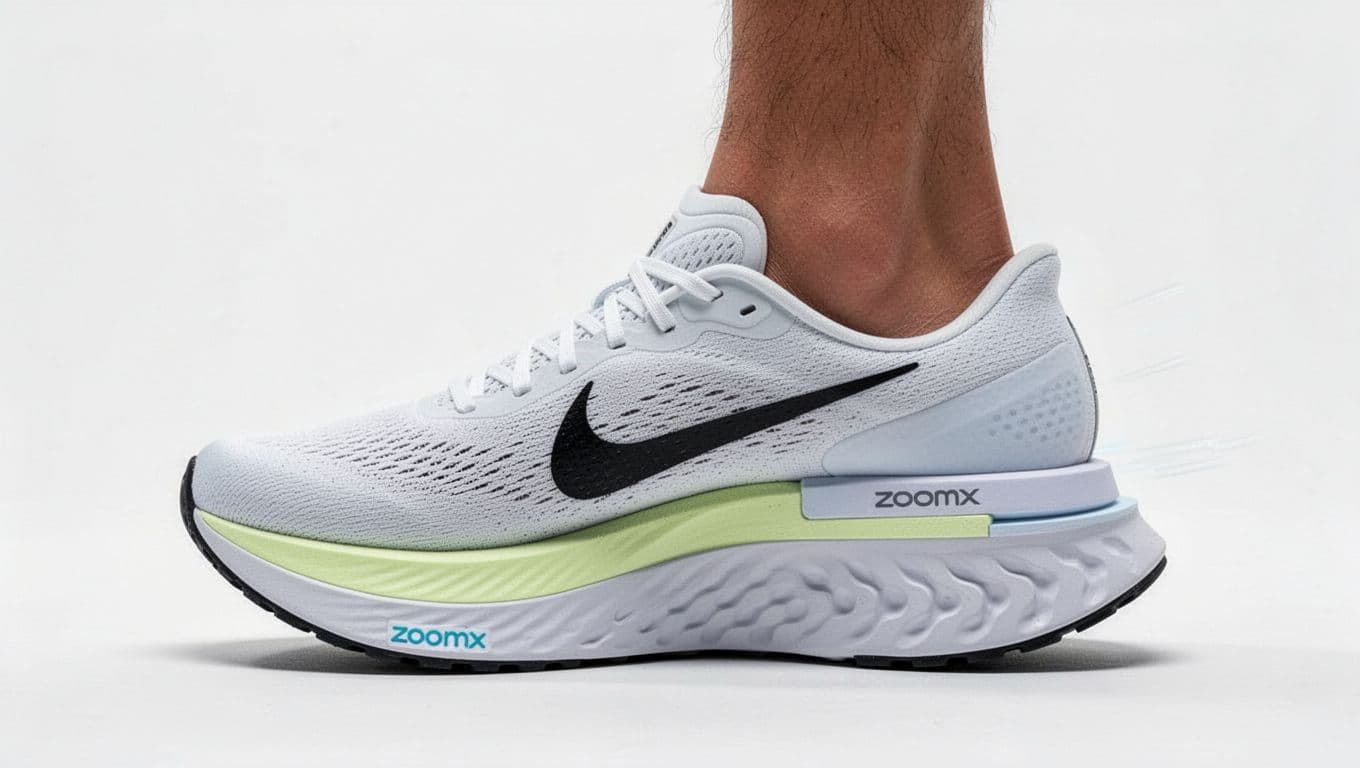
ZoomX foam delivers top energy return. It bounces back over 85% of your impact. I push off easier, especially late in runs. React foam adds durability. It holds shape after hundreds of miles, unlike squishy old foams that flattened fast.
On long runs, ZoomX feels alive. My legs spring forward without drag. I logged 20-milers in the Nike ZoomX Invincible. That shoe stacks full ZoomX for max cushion. No sore calves at the end. React pairs well in daily trainers. It absorbs shocks yet stays firm.
You notice it on tempo days too. ZoomX propels quick turns. React grips roads better over time. I ran a 50K training block. These foams cut fatigue. Older shoes left me beat. Now, I recover faster. Simple switch, big gains.
Carbon Plates That Launch You Forward
Carbon plates curve inside Vaporfly midsoles. They store energy then release it. Your stride lengthens naturally. Feet roll smoother from heel to toe. As a result, speed builds without extra effort.
I wore Vaporfly 3 at my marathon PR. Check the Nike Vaporfly 3 racing shoe benefits. That plate launched me up hills. I shaved four minutes off my time. Legs felt light at mile 20. Older flats dragged; these propel.
World Athletics updated rules. Plates stay legal if stack heights fit limits. No more bans like early super shoes. Races stay fair. Pros dominate in these now.
For training, plates aid tempos. They teach efficient form. I mix them in weekly. Simple terms: the plate acts like a springboard. You fly forward. My turnover quickened. Fatigue dropped. Grab a pair for races.
Check Out these Other Nike Running Shoes Reviews
Nike ZoomX Vaporfly Next 3 Review
Nike Air Zoom Pegasus 41 Review
Benefits of the Nike Alphafly 3
Nike air zoom tempo next flyknit review
Nike zoomx vaporfly next 4 review
Flyknit and Engineered Mesh for Perfect Fit
Flyknit weaves tight patterns. It molds like a second skin. Breathability flows through holes. Feet stay cool on hot runs. Engineered mesh adds structure without bulk.
You will love this if blisters plague you. The fit locks heels. No rubbing mile after mile. I ditched tape forever. Older mesh trapped sweat; these vent it out.
Sock-like feel cradles arches. I prefer half size up for toe room. Wide feet? Go true to size. In Pegasus models, Flyknit shines daily. Breathable zones hit high-sweat spots.
On trails, mesh flexes with turns. No hot spots. I ran summer halves blister-free. You will love this if long efforts chafe. Air circulates. Feet dry quick. Durability holds too. After 300 miles, shape stays true.
Top Nike Shoes for Daily Training and Mileage
Daily training demands reliable Nike shoes that handle high mileage without breaking down. I rotate three main models in my weekly runs: the Pegasus 41, Structure 25, and Invincible 3. Beginners love their cushioned comfort; advanced runners appreciate the bounce for tempos and long efforts. These picks fit our training plans at Run Dream Achieve, where consistency builds speed. Pegasus leads for most, but Structure shines if stability calls.
Pegasus Series: Your Go-To Workhorse
The Pegasus 41 updates Nike’s classic with ReactX foam for better energy return than past versions. It stacks 33mm heel cushioning and a 10mm drop, perfect for roads or light track work. Durability impresses; the waffle outsole grips wet pavement and lasts 400-plus miles in my tests. I logged 300 miles in mine during marathon prep, including 20-milers. No hot spots, just smooth transitions.
Versatility stands out. Easy days feel plush; faster runs respond quick. Beginners get forgiveness on form flaws. Advanced folks pair it with speed sessions.
Structure for Runners Needing Stability
Overpronators need the Structure 25. Its medial post, a firmer foam wedge inside the midsole, counters inward roll gently. This prevents knee twist on tempo runs, where I hit 7:00 paces comfortably. Cushion blends React foam for 36mm heel stack; it absorbs shocks yet stays responsive.
Injury prevention ties to wellness. Proper support cuts shin splints risk, so I run more and recover faster. I wear mine twice weekly for stability days, totaling 150 miles so far. Breathable upper keeps feet cool; outsole holds up on varied surfaces. Check best shoes for overpronation for more tips. Beginners build confidence; elites maintain form in high-volume blocks.
Nike Super Shoes That Crush Race Days
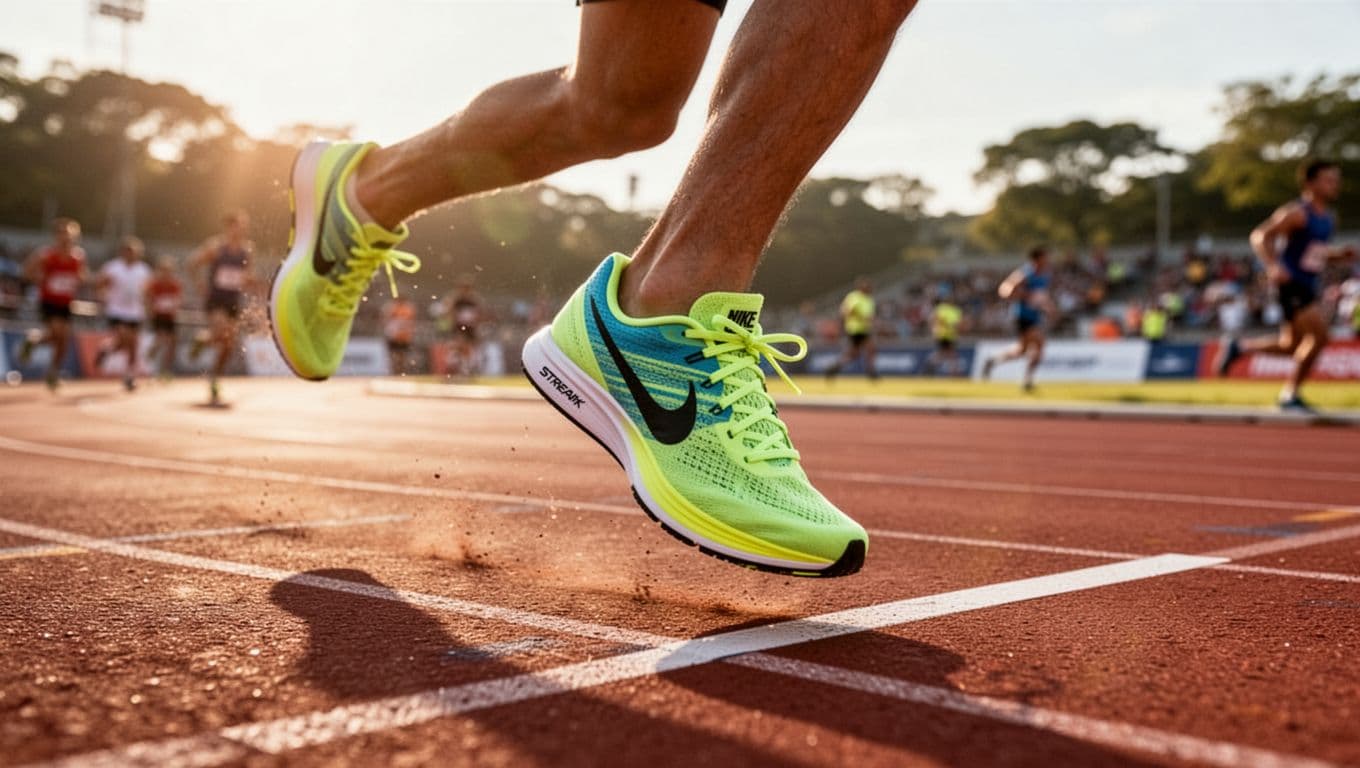
Nike super shoes turn races into personal record hunts. Models like the Vaporfly 3, Alphafly 3, and Streakfly deliver explosive speed from 5K tracks to full marathons. Elites smash world records in them, and I grab PRs too.
For example, Kelvin Kiptum wore an Alphafly prototype for the men’s marathon record of 2:00:35. These shoes pack ZoomX foam and carbon plates that make legs feel boundless. I save them for key races and sharp workouts. They excite me because anyone can chase faster times. Besides that, their bounce cuts fatigue, so you push harder longer. Ready to crush your next race?
Vaporfly: The Marathon Speed Demon
The Vaporfly 3 rules long races with its ZoomX foam midsole. This lightweight PEBA foam returns over 85% energy, so every step propels you forward. A full-length carbon fiber plate curves inside, storing power like a bow and arrow. Stack height hits 40mm in the heel and 32mm forefoot with an 8mm drop. It stays legal under World Athletics rules.
Elites love it. Over 70% of top marathoners wear Vaporflys at majors. They shave minutes off times because the plate smooths transitions and boosts stride length. I tested mine at a half-marathon. My previous best sat at 1:25. In Vaporfly 3, I hit 1:20 flat. Legs flew; no mid-race fade. Hills felt flat. For details, see this Nike Vaporfly 3 review.
Daily racers get the same edge. It grips wet roads and breathes well. After 100 miles, it holds up for multiple PR attempts. In short, Vaporfly crushes marathons and halves.
Alphafly for Ultimate Race Domination
The Alphafly 3 leads with 2026 updates like a continuous ZoomX midsole. No midfoot gap means seamless strides. Dual Zoom Air pods sit in the forefoot. Pressurized air units compress then snap back, adding pop at toe-off. A wider carbon Flyplate boosts stability. Heel stack reaches 40mm, forefoot 32mm.
These changes make it lighter and planted. Elites set records; women’s marathon mark fell in it too. I use Alphafly 3 for marathons only. It costs $285, steep but worth it. One PR pays for itself in joy. My full debut dropped 8 minutes off my time. Fatigue vanished late; pods propelled surges.
Cost hits hard, yet benefits outweigh. More stable than Vaporfly, ideal for 26.2. Breathable Atomknit locks feet secure. Check our Nike Alphafly 3 review for lab stats. In contrast, Streakfly suits 5Ks with lower stack for quick turns. I rotate it for shorter races.
How to Pick the Right Nike Shoe for Your Runs
You can own the best Nike shoes, but pick the wrong one for your style, and runs turn painful. I wasted money on mismatches early on. Now, I match shoes to foot strike, pace, size, and budget. Start with your gait. Do you land balanced or roll inward? Next, consider goals like daily miles or races. These steps saved my knees and wallet. Follow them, and your next pair fits perfectly.
Match Shoes to Your Foot Strike and Pace
Your foot strike dictates Nike choice. Neutral runners land even, without much inward roll. They thrive in Pegasus 41. It offers balanced ReactX foam for smooth strides. Stability runners overpronate. Their arches flatten, stressing knees. Structure 25 counters this with a firmer medial post. That wedge guides your foot straight.
Pace matters too. Easy runs under 9:00 per mile? Neutral Pegasus handles volume. Tempos at 7:00 pace? Its bounce shines. Long efforts need stability Structure for control when tired. I ignored my overpronation once. Wore Pegasus for 20-milers. Result? Knee pain sidelined me two weeks. Switched to Structure, and miles flowed easy.
Quick self-check: Wet your feet, step on paper. Full print means stability. Half arch? Go neutral. Film your run sideways. See inward roll? Pick Structure. See our Nike Pegasus vs Structure guide for side-by-side stats. Match right, and injuries drop.
Sizing Secrets and Where to Buy Smart
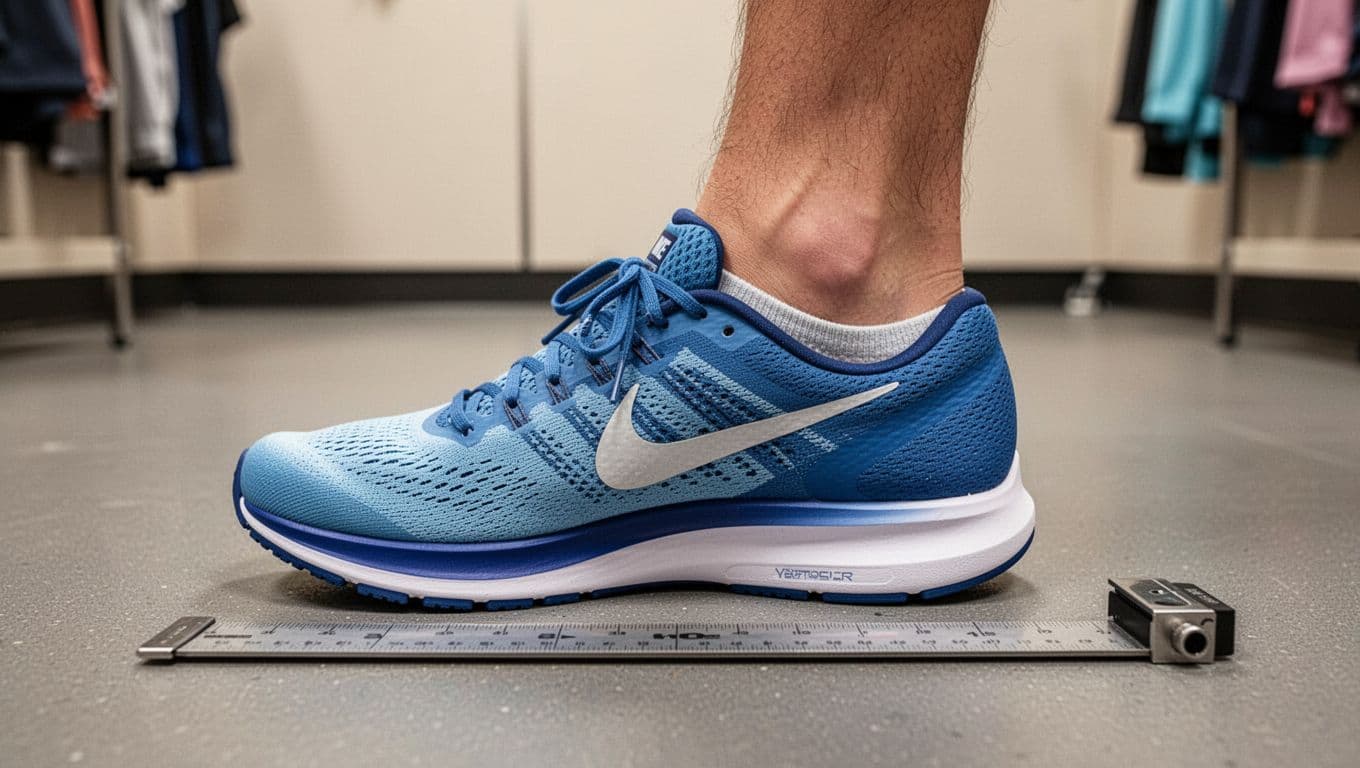
Nike runs true to size, but running swells feet. Always size up half from street shoes. Aim for thumb-width space ahead of big toe. Too tight? Blisters form. Too loose? Heels slip. I cramped toes in true size once; half up fixed it.
Try on late afternoon, feet biggest then. Wear running socks. Jog in store. Feel secure heel, roomy forefoot. Wide feet? Nike offers options in Pegasus.
Buy smart from Nike.com or Running Warehouse for sales up to 40% off. Dick’s Sporting Goods stocks fresh pairs. Avoid eBay fakes; check holograms, box quality. Budget $120-160 for trainers, $250 for racers. Our running shoe buying guides list deals.
What’s your size in dress shoes? Add half, test two pairs. Returns make it risk-free.
Runner Stories: Real Pros and Cons of Nike Shoes
Runners share honest feedback on Nike shoes all the time. I collect these stories from group runs and online forums. They match my experiences with models like Pegasus and Vaporfly. Pros dominate, but cons exist too. For example, durability impresses in trainers; value shines for PR chasers. Let’s break it down.
Pros That Keep Runners Coming Back
Most praise the energy return. ZoomX foam bounces like nothing else. One marathoner told me Vaporfly added two minutes to his pace without extra effort. Cushioning saves legs on long runs. Pegasus 41 lasts 400 miles for many, outpacing softer Brooks models.
Weight stays light too. Alphafly feels airy at 7.5 ounces. Runners say it cuts fatigue versus heavier Hoka stacks. Breathability prevents blisters; Flyknit dries fast. In short, performance wins races and builds confidence.
Honest Cons and Fixes
Price stings at $250 for supers. Daily trainers cost less, yet still premium. Some report outsole wear after 150 miles in racers, faster than Asics durability. Weight adds up in max-stack Invincible for speed work.
However, rotate pairs to extend life. Use trainers for 80% of miles; save racers for key days. Clean shoes weekly. Store away from heat. These tips double longevity. Besides that, value pays off in PRs. Runners stick with Nike because gains outweigh gripes.
Keep Your Nike Shoes Fresh for More Miles
Fresh Nike shoes boost your runs and speed recovery. Dirt builds up fast on trails or roads, so I clean mine weekly. Rotation and storage add hundreds of miles. In addition, retiring old pairs prevents injuries. These habits tie into my recovery focus. Clean gear means consistent training without aches.
Clean Them Gently After Tough Runs
Remove laces and insoles first. Then brush off mud with a soft toothbrush and mild soap. Nike recommends hand washing; their guide details the steps. Avoid machines unless labels say okay. Rinse with cool water. Air dry away from sun or heat. I do this after muddy long runs. Feet stay comfy next time out.
Rotate Pairs to Build Mileage and Recovery
Use two or three pairs weekly. Pegasus for easy days, Structure for stability runs, Vaporfly for races. This spreads wear and lets foam rebound. I rotate three pairs now. Legs recover better because midsoles stay firm. Expect 400 to 500 miles per pair.
Store Smart for Lasting Shape
Keep shoes in a cool, dry spot. Avoid direct light or heaters. Stuff with paper if wet. I use a shoe rack. This prevents creases and odors. As a result, uppers stay breathable longer.
Know When to Retire for Safety
Check for worn outsoles or flat midsoles. Nike says replace every 300 to 500 miles; see their advice. Wrinkled foam or heel tears signal time up. I track miles in an app. Fresh pairs cut injury risk, so training stays on track.
Conclusion
Nike running shoes transformed my runs from grinds to breakthroughs. I recapped top picks like the Pegasus 41 for versatile daily miles, Structure 25 for stability on tempo days, and Vaporfly 3 or Alphafly 3 for race-day speed. ZoomX foam bounces back energy; carbon plates launch strides forward. Flyknit uppers fit like socks and breathe easy. Match your gait, size up half, rotate pairs, and clean weekly to maximize life.
These choices cut my fatigue and boosted PRs. Beginners gain comfort; elites chase records. For example, I shaved minutes off marathons in Vaporflys. Yet, smart picks prevent injuries too.
Grab a Pegasus or Vaporfly next. Test them on your next long run. Pair with our training plans at Run Dream Achieve to hit goals faster. Check the Nike Zoom Pegasus 37 review for more daily trainer insights.
Back to our Running Shoe Reviews
