
Running Shoe Buying Guides
Sore feet and blisters ruin too many runs. Wrong shoes cause these issues and lead to injuries like shin splints or plantar fasciitis. You can avoid that pain with the right pair.
Good running shoes boost comfort on long miles. They cut injury risk and help you run faster and farther. Pick based on your gait, distance, and foot type for the best results.
This running shoe buying guide covers all you need for 2026. You’ll learn shoe types like daily trainers and max cushion models. Key features include drop height, foam types, and fit.
Expect top picks such as the Brooks Ghost 17 for everyday use and Hoka Clifton 10 for plush protection. Trends favor lighter max cushioning with ATPU and PEBA foams. Versatile daily trainers mix runs with daily wear.
Follow our step-by-step buying process: measure your feet, test in-store, and match to your needs. Skip common mistakes like chasing looks over cushion or ignoring your running style. Get set for better runs ahead.
Match Running Shoes to Your Running Style and Surface
Your running style and the surfaces you hit matter most when you pick shoes. Road runners need smooth rides with cushion. Trail lovers want grip and protection. Match them right to cut injury risk and keep you going strong. Daily trainers work for pavement miles. Trail shoes handle dirt and rocks. Hybrids bridge both worlds.
Daily Trainers for Everyday Runs
Daily trainers suit most runners. They handle easy jogs, long runs, and recovery days. Versatile road shoes like the Brooks Ghost 17 offer medium cushioning from DNA Loft foam. It absorbs shock without feeling mushy. Breathable mesh uppers keep feet cool. Durable outsoles last 300 to 500 miles.
The Asics Gel Cumulus 27 uses FlyteFoam Blast for bounce. Gel pods add soft landings. You get a wide toe box for comfort. Nike Pegasus 41 stacks ReactX foam for responsive steps. It’s light at 9 ounces and grips wet roads well. Hoka Clifton 10 brings max stack height with meta-rocker geometry. It rolls you forward smoothly.
These picks fit beginners and high-mileage runners. They balance cushion, weight, and durability. Test them in a store for fit. Check Runners World reviews for lab scores on these models.
Key perks:
- Medium cushion protects joints.
- Breathable uppers fight blisters.
- Durable rubber outsoles hold up.
Grab one pair for 80% of your runs.
Trail Shoes for Off-Road Adventures
Trail shoes tackle mud, roots, and rocks. Look for grippy lugs at least 4mm deep. They bite into soft ground. Rock plates shield your soles from sharp stones. Tougher builds use overlays for abrasion resistance.
Hybrids like the Nike Pegasus Trail 41 mix road speed with light trail grip. Its 4mm lugs work on gravel paths. Full trail models add aggressive treads and waterproof options.
These shoes weigh more but protect better. Pick based on terrain: max lugs for steep, sloppy trails. See iRunFar’s best trail picks for top tested options. Rotate them with road shoes to extend life.
Key Features That Make Great Running Shoes
Great running shoes excel through smart design choices. Cushioning absorbs impact. Fit prevents blisters. Support matches your gait. These elements cut injury risk and improve your stride. In this running shoe buying guide, focus on details that separate top models from average ones.
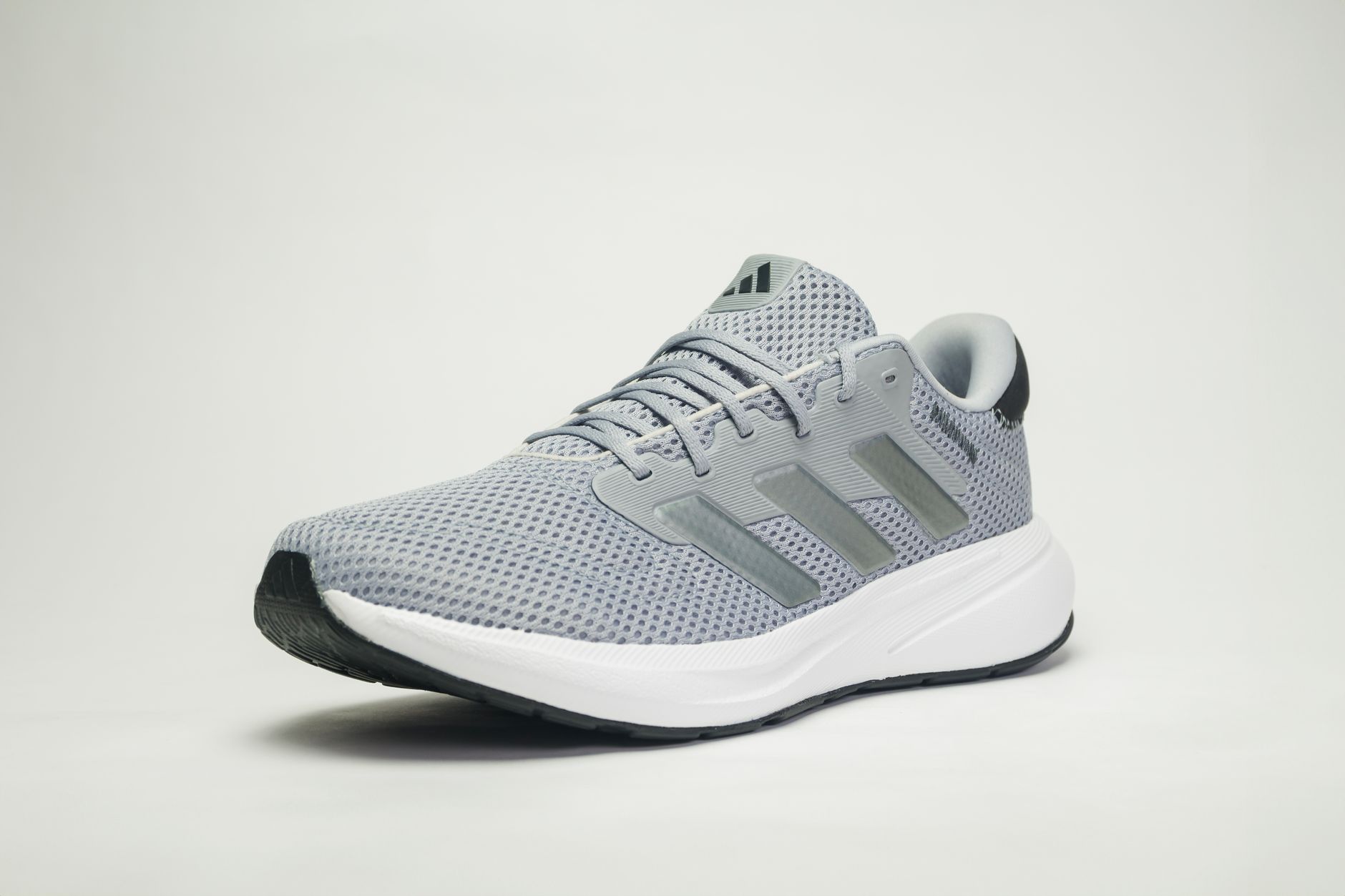
Photo by Márcio Carvalho
Cushioning and Stack Height Trends
Cushioning defines ride quality in 2026 models. Super foams lead the pack. Nike ZoomX delivers a soft, light feel that rebounds fast. It stacks high without added weight, perfect for speed work. Asics FF Blast Max matches that bounce. It stays plush over miles yet feels airy.
Max cushion suits heavier runners or ultra distances. Stack heights push 40mm in heels for joint protection. These foams use PEBA or TPU for energy return. Lighter runners pick 30-35mm stacks to avoid mushiness.
Heel-to-toe drops range from 4-8mm. Lower drops promote midfoot strikes. Test foams in store; they compress differently. Check RunRepeat’s cushioned shoe guide for lab data on stack and softness. Pair with your weight and weekly miles for the best match.
Fit and Support Basics
Fit starts with sizing. Measure feet in the evening; they swell after runs. Add half a thumb’s width beyond your longest toe. Wide options help bunions or forefoot splay.
Pronation shapes support needs. Neutral runners land balanced. Overpronators roll inward; they need stability shoes with medial posts or guide rails. Underpronators stay supinated; neutral cushioned pairs work.
Quick checks:
- Wet foot test: Trace imprint. Full contact means flat feet, likely stability.
- Shoe tilt: Stand in pair. Excessive inward lean signals overpronation.
Pro gait analysis spots issues early. Runners with pain book free sessions at specialty shops. See Runners Need’s gait guide for the process. Match neutral like Brooks Ghost or stability like Asics Kayano to your pattern. Secure heel counters lock your foot in place.
Top Running Shoes for Beginners and Pros in 2026
Runners at any level find great options in 2026 models. Beginners need forgiving cushion and simple fits. Pros chase speed and recovery with advanced foams. This running shoe buying guide highlights top picks that match experience. Check lab-tested reviews at Runners World for full breakdowns.
Beginner-Friendly Choices
New runners build habits with reliable daily trainers. They offer plush cushion to ease joint stress on short runs. Wide fits prevent blisters. Here are five strong picks with pros and cons.
Brooks Ghost 17: DNA Loft v3 foam gives balanced softness. Pros: durable outsole lasts 400 miles; breathable upper. Cons: firmer than max cushion. Suits new runners for its predictable ride.
Hoka Clifton 10: Meta-rocker rolls foot forward. Pros: light at 8.7 ounces; high stack protects heels. Cons: less lateral stability. Great for first-timers easing into longer miles.
Asics Gel Cumulus 27: FlyteFoam Blast adds bounce. Pros: gel units soften impacts; wide toe box. Cons: heavier at 10 ounces. Helps beginners avoid fatigue.
New Balance Fresh Foam X 1080 v14: Thick foam stack molds to feet. Pros: versatile neutral support; knit upper hugs well. Cons: pricey. Ideal for varied paces.
Nike Vomero 18: ZoomX top layer rebounds fast. Pros: smooth transitions; good wet grip. Cons: narrow heel. Builds confidence on roads.
These shoes cut injury odds with forgiving designs. Start here before speed work. See beginner specifics in Runner’s World guide.
Upgraded Options for Seasoned Runners
Experienced runners rotate super-trainers for speed and daily miles. Carbon plates and PEBA foams boost efficiency. Aim for three pairs: one racer, one tempo, one trainer.
Nike Alphafly 4: ZoomX foam with full-length plate. Pros: 4% energy return; light for marathons. Cons: high cost, less durable. Perfect race day shoe.
Saucony Endorphin Pro 5: PWRRUN HG super foam. Pros: propulsive rocker; stable at speed. Cons: firm cold. Use for intervals.
Rotate with daily like Pegasus 41 to save legs. This setup extends shoe life and prevents overuse. High-mileage pros log faster PRs. Details in The Run Testers roundup.
Step-by-Step Guide to Buying Running Shoes
This running shoe buying guide lays out a simple process. You start with self-checks and end with a tested pair. Follow these steps to avoid blisters or early wear.
Step 1: Assess Your Running Needs
List your weekly miles, paces, and surfaces. Road runs call for cushioned trainers. Trails demand grip and rock plates. Note body weight and any pain spots like knees or arches.
Overpronators roll inward; pick stability models with guide rails. Neutral runners take plush foams. Self-test pronation with the wet foot print. Low arches show full imprints. High arches leave thin lines. For details, read REI’s running shoe selection advice.
Step 2: Measure Feet for Exact Fit
Feet swell during the day, so measure late afternoon. Stand with weight on both feet. Use a store’s Brannock device for length and width.
Add space equal to your thumb’s width from longest toe to shoe end. Account for thicker socks. Try sizes from different brands; Nike runs narrow, Hoka wider. Measure both feet and buy for the larger one.
Step 3: Research Models and Features
Narrow options by stack height, drop, and foam. Aim for 30-40mm heels in max cushion. Low drops suit midfoot strikers. Scan lab tests for durability and bounce.
Match to needs: Brooks Ghost for daily miles, Nike Alphafly for races. Check return policies online. Budget $120 to $260 per pair.
Step 4: Shop at Specialty Stores
Visit running shops over big chains. Staff offer gait analysis on treadmills. Try five pairs in your size. Bend knees, jog in place. Heel should lock firm. Toe box allows splay without slip.
Wear running socks and shorts. Walk aisles first, then run. Narrow to two favorites.
Step 5: Road Test and Buy
Take top picks for a short run outside. Feel cushion compress and rebound. Check hot spots after two miles. Most stores allow test runs with tags on.
Buy online only with free returns. Track mileage; replace at 300-500 miles. Rotate two pairs to extend life and vary stress.
This method gets you shoes that last and perform. You run injury-free longer.
Avoid These Common Running Shoe Buying Mistakes
Even the best running shoe buying guide can’t prevent errors if you overlook basics. Runners waste money and risk injury from poor choices. Spot these traps to land the right pair every time.
Buying Shoes That Look Good Over Feel Right
Style tempts many buyers. Bright colors or sleek designs catch your eye first. Yet they often hide stiff uppers or poor cushion. Prioritize how the shoe feels on your foot. A flashy pair with bad arch support leads to blisters fast. Test multiple options. Pick based on stride and comfort, not trends.
Sticking to Your Old Shoe Size
Your last pair fit, so you grab the same size. Feet change with age, weight shifts, or swelling after runs. Brands vary too; Nike heels run snug, Hoka offers more room. Measure both feet each time. Add thumb-width space at the toes. Tight shoes cause black toenails. Loose ones rub heels raw.
Skipping Gait Analysis
You guess your pronation type from a quick look. Neutral, stability, or motion control needs expert eyes. Wet footprint tests help but miss details. Overpronators need guide rails; ignore that and knees ache. Book a free gait scan at running stores. It matches shoes to your landing pattern. Check Runner’s World on common fit mistakes for more proof.
Grabbing the Cheapest or Discounted Model
Sales lure with deep cuts. Those deals often mean outdated foams or worn midsoles. Newer stacks like ZoomX or FF Blast Max rebound better. Old stock lacks breathable uppers or durable outsoles. Pay for 2026 tech that lasts 400 miles. Rotate pairs to stretch value.
Ignoring Surface and Distance Needs
Daily trainer for trails? It slips on rocks. Max cushion racer for short jogs? Too heavy. Match type to your runs: road cushion for pavement, lugs for dirt. Long miles demand higher stacks; speed work favors low drops. Wrong match spikes injury odds.
Buying Online Without Trying First
Reviews sway you to click buy. Sizing differs across brands. High return rates hit 35% on sites like Amazon. Specialty stores let you jog test. Feel the rocker or foam bounce real-time. If online, pick free returns and same-day shipping.
Forgetting Replacement Rules
You push shoes past 300 miles. Worn foam loses shock absorption. Outsoles smooth out; grip fails on wet roads. Track mileage with apps. Replace before pain starts. Fresh pairs keep strides smooth and joints safe.
Dodge these slips and your shoes support every step.
More Helpful Articles on Running Shoe Buyer Guides
Best Running Shoes for Flat Feet
Best Running Shoes for Overpronation
Best Running Shoes for Wide Feet
Budget Running Shoes Under $100
Lightweight Running Shoes for Speed
Best Shoes for Treadmill Running
Best Shoes for Long Distance Running
Best Trail Shoes for Beginners
Best Shoes for Hot Weather Running
Best Shoes for Plantar Fasciitis
Best Eco-Friendly Running Shoes
How to Choose Running Shoe Size
How Often to Replace Running Shoes
Conclusion
This running shoe buying guide boils down to matching shoes to your style, surface, and needs. Pick daily trainers for roads, trail models for dirt. Focus on cushion foams like DNA Loft, stack heights from 30-40mm, and proper fit with thumb-width toe space. Top picks like the Brooks Ghost 17 handle most runs with balanced softness and durability.
Follow the steps: assess needs, measure feet, research features, test in specialty stores, and road-test pairs. Dodge mistakes like style over feel or skipping gait checks.
Head to a running shop now. Try shoes on, jog in place, and listen to your feet. Start with the Brooks Ghost 17 for reliable everyday miles. It suits beginners and pros alike.
Back to RunDreamAchieve Training Plans
