

Nike ZoomX Vaporfly Next 3 Review
So, you’re curious about Nike ZoomX Vaporfly Next 3 review? It’s a shoe that’s been making waves, and for good reason. People have been talking about it, breaking records in it, and wondering if it’s worth the hype. I’ve spent some time with these shoes, and I’m here to break down what makes them tick, how they feel on your feet, and if they’re the right choice for you. Let’s get into this nike zoomx vaporfly next 3 review.
Back to RunDreamAchieve Courses
Nike ZoomX Vaporfly Next 3 Review Post Key Takeaways
- The Nike ZoomX Vaporfly Next 3 uses ZoomX foam, which gives back a lot of energy with each step, making running feel easier and faster.
- A full-length carbon fiber plate is built into the shoe, working with the foam to give a stiff, propulsive feel that helps you run quicker.
- The upper is made with Flyknit and VaporWeave materials, designed to be breathable and comfortable, with a fit that holds your foot securely.
- The outsole is lightweight with a new rubber pattern for good grip on different road surfaces, though it’s built more for racing than heavy training.
- While it’s a top-tier racing shoe that can help you hit personal bests, the high price means it’s best suited for race days rather than everyday runs for most people.
Nike ZoomX Vaporfly Next 3: An Overview
Purpose and Target Audience
The Nike ZoomX Vaporfly Next 3 is here for runners who care about speed and going after personal bests, whether that’s at a 10K, half, or the full marathon. If race day is what gets you up early for a run, these shoes are built with you in mind. They’ve been spotted on the starting lines of everything from weekend races to major world marathons.
- Great for both new racers and seasoned marathoners
- Designed specifically for road racing, not everyday casual runs
- Focuses on those looking for just that little extra edge—no matter the distance
You don’t have to be an elite, but if you’re serious about your racing shoes, the Vaporfly Next 3 are a name you’ve probably already heard.
Evolution of the Vaporfly Line
Nike’s Vaporfly shoes have totally changed the racing scene over the last several years. Since the first version, each update has sharpened its tools—faster foam, lighter uppers, and more efficient energy return. The Next 3 keeps this rolling, but mixes in some smart tweaks for the new season.
Here’s a quick look at how the line has evolved:
| Version | Key Foam Used | Weight (Men’s US 9) | Carbon Plate | Debut Year |
|---|---|---|---|---|
| Vaporfly 4% | ZoomX | ~6.9 oz | Yes | 2017 |
| Vaporfly Next% | ZoomX | ~6.6 oz | Yes | 2019 |
| Vaporfly Next% 2 | ZoomX | ~6.7 oz | Yes | 2021 |
| Vaporfly Next% 3 | ZoomX | ~6.5 oz | Yes | 2023 |
- Next 3 adds more ZoomX foam for extra bounce
- Upper is redesigned for even better breathability and support
- Outsole gets a thinner trim for less weight without losing durability
Over the years, the Vaporfly series shaped what runners expect from a true racing shoe—light, fast, and noticeably responsive.
Performance Enhancements
ZoomX Midsole and Energy Return
The heart of the Vaporfly Next 3’s performance lies in its ZoomX midsole. This isn’t just any foam; it’s made from Pebax, a material known for being incredibly light, soft, and springy. What’s really cool is how it manages to be all three at once, which is pretty rare.
Think of it like this: the foam is so light that Nike can use a lot more of it. This means you get a thick layer of cushioning between your foot and the hard ground, saving your joints during long runs or races. Plus, the ZoomX foam has a high capacity for energy return. Every time your foot hits the ground, the foam compresses and then springs back, giving you a little boost forward. It’s this lively feel that really encourages you to pick up the pace.
Carbon Fiber Plate Integration
Embedded within that generous ZoomX foam is a full-length carbon fiber plate. This plate is strategically designed to work with the foam, not against it. Its main job is to minimize energy loss when your foot bends during your stride, especially at the toe-off.
It acts like a lever, helping to propel you forward and reducing the strain on your calf muscles. The plate is curved at the front, which helps give you back some of the energy you put into each step. It’s this combination of the soft, bouncy ZoomX foam and the stiff, responsive carbon plate that creates that signature propulsive sensation the Vaporfly line is known for.
Propulsive Ride and Speed
When you put it all together, the lightweight ZoomX foam, the energy-returning carbon fiber plate, and the redesigned aerodynamic heel, you get a shoe that feels incredibly fast. The overall effect is a ride that feels smooth, energetic, and almost effortless, encouraging you to maintain a quicker pace. The shoe is built to help you run faster for longer, making it a top choice for race day.
The way the shoe rolls forward from heel to toe, combined with the springy nature of the midsole, really makes you feel like you’re getting a little extra help with every single stride. It’s designed to minimize drag and maximize forward momentum, helping you chase down those personal bests.
Upper Construction and Comfort
Nike keeps pushing boundaries with the Vaporfly line, and you can feel it right away in the Vaporfly Next 3’s upper. There’s a real sense that every part of the upper is about shaving off weight while making sure nothing rubs or distracts you mid-race. Here’s what stands out:
Flyknit and VaporWeave Materials
The Vaporfly Next 3 features a blend of Flyknit and VaporWeave—two materials that serve different purposes. Flyknit is known for its snug, sock-like fit and precise support, holding your foot when you’re rounding corners or pushing your pace. On top of that, VaporWeave covers key parts of the upper, shedding water and resisting sweat absorption. You’re less likely to get that soggy, heavy feeling towards the end of a long race. The mix keeps the shoe lightweight and your foot feeling fresh mile after mile.
Breathability and Cooling
When you put these shoes on for the first time, breathability jumps out right away. The mesh sections in the upper allow for plenty of airflow—air moves in and out easily, helping your feet stay cooler during fast efforts or on warmer days.
- Mesh panel placement targets high-sweat areas.
- Minimal overlays mean fewer hot spots and pressure points.
- Moisture build-up is almost nonexistent, so blisters are less of a worry even past 20 miles.
During a tempo session, you can actually feel the breeze on your toes—a huge bonus when the pavement’s radiating summer heat.
Fit and Lockdown Features
Nothing kills a race like a shoe that shifts as you move. Nike has responded to that concern with a new lacing system and adapted tongue design in the Next 3. The shoe’s lacing is straightforward but locks the midfoot down, pulling tight without pinching. The tongue is a bit thinner than older models, letting you get a tight fit without bulk. Around the heel and ankle, the padding is just enough to reduce rubbing while staying out of your way.
Here’s a quick table on key comfort features:
| Feature | Impact |
|---|---|
| Flyknit/VaporWeave | Lightweight, water resistance |
| Ventilated Mesh Zones | Breathability |
| Thin, Gusseted Tongue | Secure fit, reduced bulk |
| Minimal Heel Padding | Less rubbing, speedy feel |
- The shoe’s shape hugs your foot without squeezing.
- Lace pressure is spread out evenly—no painful bites.
- No-sew seams cut down on friction, making longer efforts less risky.
Ultimately, the Vaporfly Next 3 manages to balance feather-light construction with enough comfort to support you from mile 1 to the finish line.
Outsole Design and Traction
Lightweight Rubber Compound
The Nike ZoomX Vaporfly Next 3 features a redesigned outsole that uses less material, making it lighter without sacrificing durability. This thin rubber layer is strategically placed to maximize contact with the road, allowing for more ZoomX foam underfoot and a smoother transition from heel to toe. The goal here is efficiency and grip, and for the most part, it hits the mark.
Traction Across Surfaces
This shoe offers pretty good traction on most common racing surfaces. I tested it on roads, concrete, and even a bit of brick, and it felt secure. It even held up surprisingly well on wet roads, which is a big plus for marathoners who might encounter unexpected rain. The waffle-like pattern on the rubber helps with grip, giving you confidence with each step. However, it’s not perfect for every condition. While it’s designed for roads, I found it struggled a bit on wet snow, and running on loose gravel did cause some minor wear on the exposed foam.
Durability Considerations
While the Vaporfly Next 3 is built for speed, durability is still a factor. The high-abrasion rubber is placed on the rearfoot to handle heel strikes, which should help it last longer for those who tend to land on their heels. The forefoot uses a lighter foam rubber for grip and durability. Overall, the outsole is designed to protect itself and keep you from slipping, but heavy use on rougher surfaces might show some wear over time.
Here’s a quick look at how it performed on different surfaces:
- Roads: Excellent grip and smooth transitions.
- Concrete: Reliable traction, good for urban races.
- Wet Roads: Surprisingly good grip, minimal slipping.
- Grass/Track: Minimal wear, good for controlled surfaces.
- Gravel: Some minor wear on exposed foam.
- Wet Snow: Very limited traction, not recommended.
The focus with this outsole is clearly on providing a fast, efficient ride on race day. It’s about getting you to the finish line with confidence, and for its intended purpose, it does a solid job. Just be mindful of where you’re running if you want to keep it in top shape for as long as possible.
Ride Feel and Stability
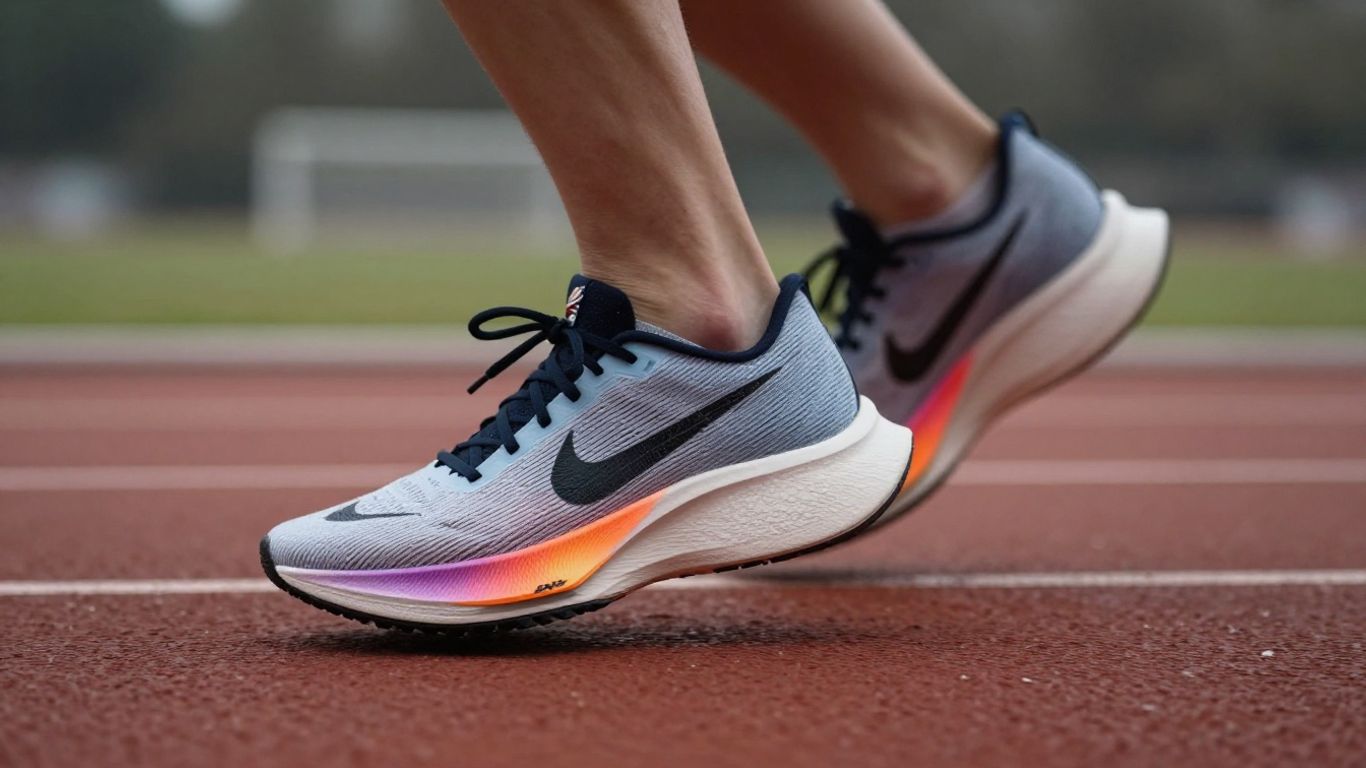
When you first step into the Nike ZoomX Vaporfly Next 3, you notice how the shoe feels pretty stable, especially for a racing shoe. It’s not like some super-firm, rock-hard feel, but more like a balanced ride that keeps you upright.
Cushioning and Responsiveness
The ZoomX foam is the star here, no doubt. It’s soft, but not mushy. You get that bouncy feeling with every step, which is great for keeping your legs feeling fresh, even on longer runs. It’s responsive enough that you don’t feel like you’re sinking into the shoe. It’s a good mix that helps you push off without feeling like you’re working too hard. The foam itself is made from Pebax, which is known for being light and springy. It’s designed to give you a lively feel underfoot, encouraging you to pick up the pace. Even with all the foam, it doesn’t feel heavy or sluggish. It’s a pretty neat trick they’ve pulled off.
Midsole Stability Features
Nike has done some clever things with the midsole to keep things steady. The foam itself extends out a bit on the sides, kind of like a wider base, which helps prevent your foot from rolling too much. This is especially noticeable in the forefoot area. While the shoe is built for speed and a forward-leaning stride, it doesn’t feel wobbly. It’s a noticeable improvement over some earlier racing models that could feel a bit precarious, especially when you’re tired.
Heel and Forefoot Support
In the heel, there’s a decent heel cup that helps hold your foot in place. However, Nike really wants you to land on your midfoot or forefoot with these shoes, so there isn’t a ton of extra support in the very back. The main support comes from the combination of the foam and the carbon fiber plate. The plate helps guide your foot through the stride, and the forefoot area feels particularly well-supported for toe-off.
You get a nice, snappy feeling as you lift off, which is exactly what you want when you’re trying to run fast. It’s a design that encourages a quick turnover and a powerful push-off, making it feel like you have a bit of extra spring in your step. This setup is great for road races, but if you find yourself on uneven terrain, you might notice a slight difference. For those looking for a shoe that feels good on varied terrain, the Nike Zegama might be a better fit, though it’s a different kind of shoe altogether.
The shoe’s design leans heavily into a midfoot-to-forefoot strike, which is typical for performance racing flats. This means the heel offers minimal structure, focusing instead on guiding the foot through a quick and efficient toe-off. The stability comes more from the geometry and the plate’s interaction with the foam than from traditional supportive elements in the rear.
Value Proposition
Price Point Analysis
The Nike ZoomX Vaporfly Next 3 stands as one of the more expensive running shoes available, often hovering at the top end of the racing market’s price range. For runners looking for a significant edge on race day, the steep cost is matched by the shoe’s advanced materials and performance tech. Let’s break it down:
| Model | Approx. Price (USD) |
|---|---|
| Vaporfly Next 3 | $250 |
| Nike Alphafly Next% | $285 |
| Adidas Adizero Adios Pro | $250 |
| Saucony Endorphin Pro | $225 |
On paper, the Vaporfly keeps tight competition with other carbon-plated shoes, but you’re paying for a proven reputation in elite-level racing.
Suitability for Racing vs. Training
If you ask experienced runners, they’ll say the Vaporfly is most at home on race day. The ZoomX foam brings an energetic bounce that feels wasted on easy daily miles. Here’s why many keep these shoes in their closet until it matters:
- Designed to maximize energy return during high-speed efforts
- The carbon plate helps turn quick strides into speed, especially over longer distances
- Lightweight construction favors racing, not high-mileage training
Occasional tune-up runs or interval workouts are fine, but using them daily could wear out the delicate foam and limit their lifespan. For a mix of daily use and key sessions, you might want to look at other options from Nike’s lineup or the best carbon plate running shoes available throughout several brands.
Comparison to Other Racing Shoes
The Vaporfly Next 3 shares a podium with other top-tier racers, but each has its pros and cons:
- Nike’s ZoomX foam is as bouncy and light as they come; stability, however, sometimes takes a backseat.
- Adidas Adizero Adios Pro uses Lightstrike Pro foam with Energy Rods – firmer and a bit more durable, but not quite as plush.
- Saucony Endorphin Pro is known for a more consistent ride and can double as a faster daily trainer.
- Alphafly Next% ups the ante on cushioning and curve, but some find it unwieldy unless running at fast paces.
If you want something that will help you squeeze out every bit of speed on race day and don’t mind spending a little extra upfront, the Vaporfly Next 3 won’t disappoint. Just be ready to save it for when it matters—these shoes are built for performance, not high-mileage pounding.
Final Thoughts
So, after all is said and done, the Nike ZoomX Vaporfly Next 3 is a pretty serious shoe. It’s built for speed, no doubt about it, and you can feel that ZoomX foam and carbon plate working to give you that extra push. It feels light on your feet, and the upper is comfy enough for long runs, even with a wider toe box. But let’s be real, this isn’t your everyday trainer. It’s a race day shoe, meant for hitting PBs.
The price tag is definitely up there, so it’s a big investment. If you’re a serious runner looking for that competitive edge and have the budget, it’s worth considering. For casual runners or those just starting out, there might be better, more affordable options for daily miles.
Frequently Asked Questions
What makes the Nike ZoomX Vaporfly Next 3 special for racing?
These shoes are built for speed! They have super bouncy foam called ZoomX that gives you a lot of energy back with every step. Plus, a stiff plate inside helps you push off faster, making you feel like you’re flying towards the finish line. They’re designed to help you run your fastest races, from shorter runs like a 10K all the way up to a full marathon.
Is the upper part of the shoe comfortable?
Yes, the top part of the shoe, called the upper, is made with a light and airy material. It feels soft and wraps around your foot nicely, almost like a sock. It also has more room in the front for your toes to spread out, which is great for comfort during long runs.
Can I use these shoes for everyday running or just racing?
These shoes are really best for racing or fast-paced workouts. They have a lot of special technology to help you go fast, but they might wear out quicker if you use them for all your daily runs. Think of them as your race-day secret weapon!
How do the laces stay tied?
The laces have a special wavy design that helps them grip each other better, so they’re less likely to come untied during a race. They also go through loops that help keep your foot secure without needing a bulky band.
Are these shoes good for all types of weather?
The material used in the upper lets air flow through to keep your feet cool. While they offer good grip on most dry surfaces, they might not be the best choice for very wet or slippery conditions like snow or heavy mud. They’re mainly made for dry road races.
Are the Nike ZoomX Vaporfly Next 3 worth the money?
These shoes are quite expensive, which is common for top-tier racing shoes. If you’re a serious runner aiming for personal bests and enjoy the thrill of competition, the extra speed and comfort they offer can make them a worthwhile investment for your important races. For casual runners, the cost might be a bit high.
Back to Nike running shoe reviews


