
Nike Infinity RN 5 Review
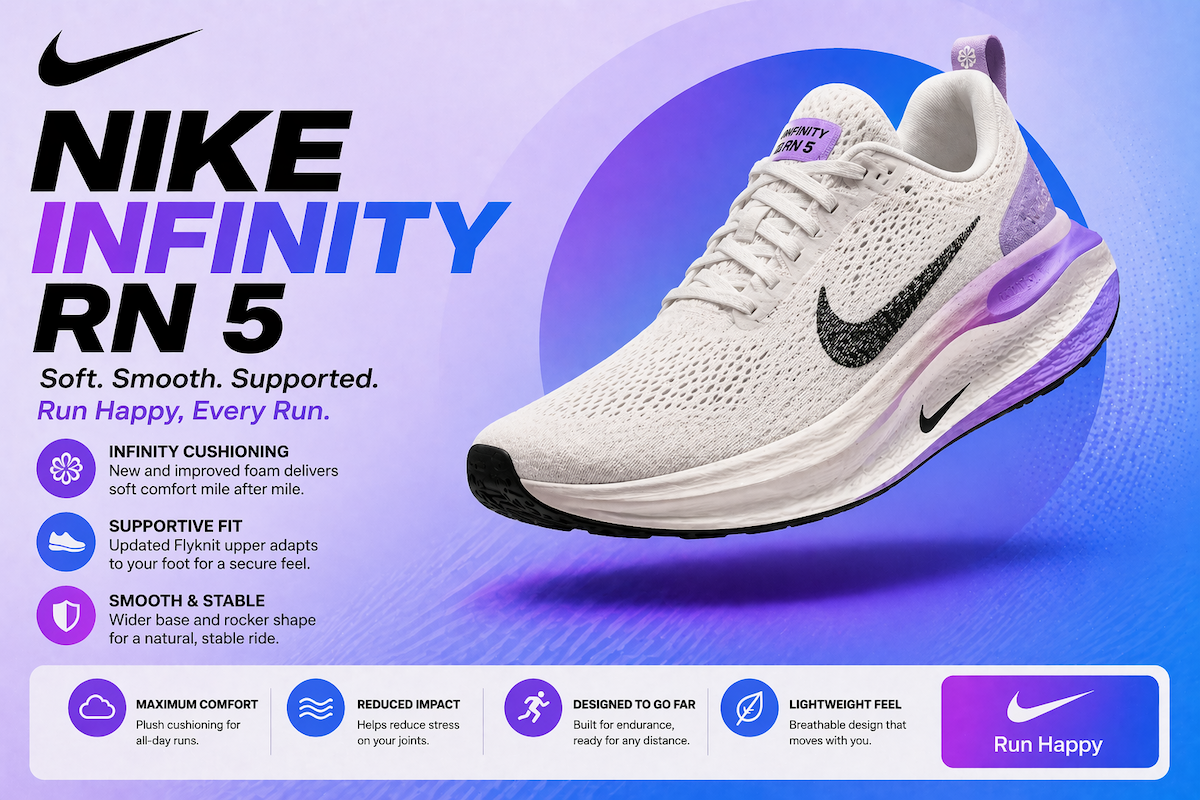
After a long training run left my legs sore and flat, I reached for the Nike Infinity RN 5 on my recovery days, and it changed how those easy miles felt. Nike built this one as a cushioned daily trainer with updated ReactX foam and a wider base, and that mix gave me the kind of comfort I wanted when my body needed a break.
I run about 40 miles a week, mostly on the road and treadmill, while I prep for marathons, so I need shoes that can handle steady work without beating me up. This review comes from 150 miles of testing in different conditions as of April 2026, so I’ve had enough time to see where the shoe shines and where it falls short.
For me, the best part is the plush ride on easy runs and recovery days, because it keeps the legs moving without asking for much effort. The limits show up when I try to pick up the pace, since this shoe is much better for relaxed miles than speedwork, and that’s something runners should know before buying it.
If you’re a beginner or an intermediate runner who wants a soft, stable daily trainer, this shoe makes a strong case. I’ll also share the honest pros, the cons, how it compares to other Nike options like the Nike React Miler running shoe, and the buying advice I’d want before spending my own money.
Unboxing and First Look at the Nike InfinityRN 5
The first thing I noticed was the box. It looked clean and sleek, and that set the tone before I even touched the shoes. Once I opened it, the Nike InfinityRN 5 felt more polished than the RN 4, with a more modern shape and a premium look that caught my attention right away.
I tested two colorways, black/white and vibrant blue, and both looked sharp out of the box. The black/white pair felt calm and classic, while the blue pair brought more energy. If you care about style as much as comfort, this shoe has that quiet, runner-friendly look that works on the road and at the coffee stop after.
Sizing Tips to Avoid Common Mistakes
I would order true to size first if you have a normal-width foot. That gave me the best mix of length and security, and I did not feel like I was floating inside the shoe. If your feet are wider than average, I’d seriously look at the wide version or consider going up a half size, especially if your toes usually feel crowded.
The easiest mistake is assuming a soft shoe means a loose fit. The InfinityRN 5 still has structure, and if your foot swells on runs over 10 miles, that structure can start to feel tighter by the end. I’ve had days when the shoe felt perfect at the start, then a hot afternoon run made the forefoot feel a little more packed in.
I like to test lacing in the store whenever I can, because small adjustments change a lot. A slightly firmer midfoot lock helped me feel stable, while leaving the top eyelets a touch looser reduced pressure across the instep. If you can, walk around for a few minutes and pay attention to the last part of the try-on, since that tells you more than standing still ever will.
For runners who want more fit context across Nike trainers, my Nike Pegasus 41 sizing and fit guide is a useful comparison point. I found the InfinityRN 5 a little more forgiving in the forefoot, while still holding the heel better than some narrower shoes I’ve worn.
Comfort Features That Shine on Long Runs
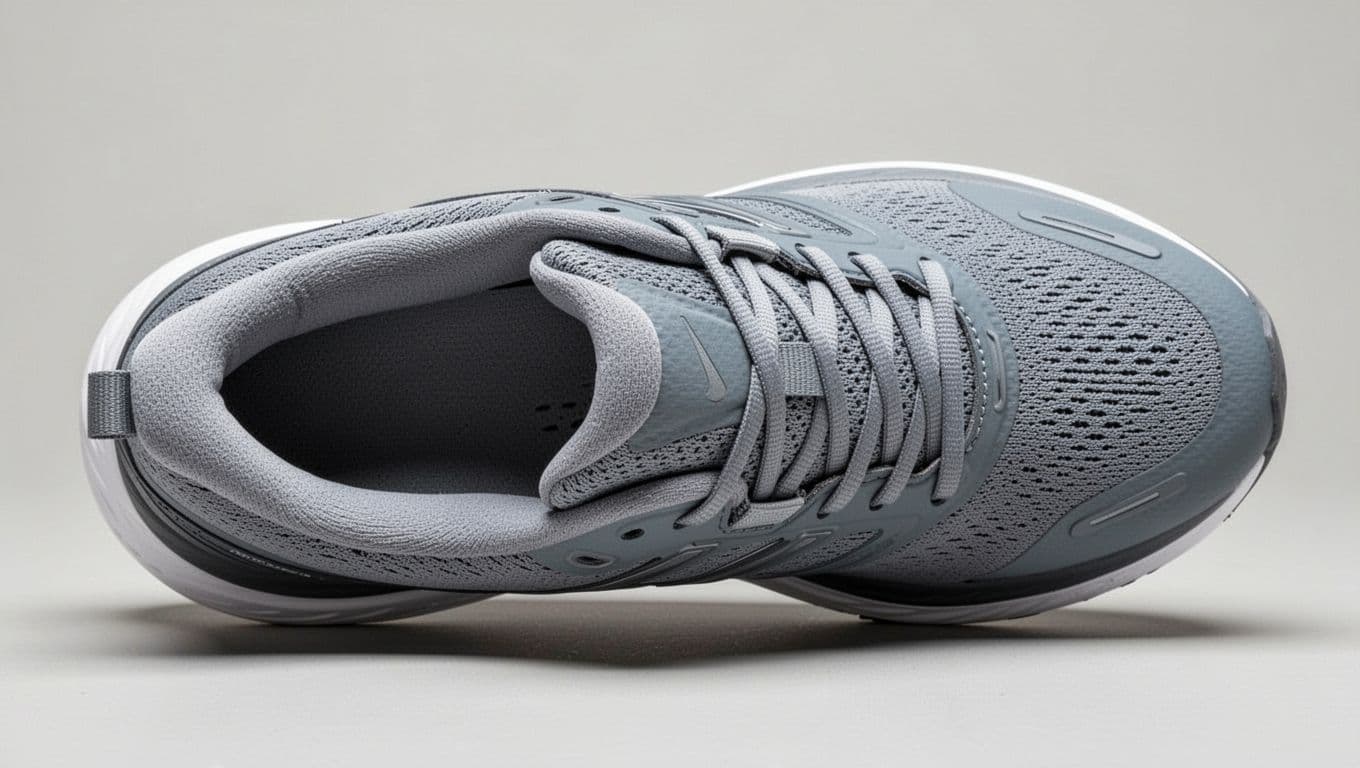
The comfort story starts with the padded tongue. It spreads lace pressure well, so I never got that sharp bite across the top of my foot. On longer runs, that matters more than most people think, because a tiny pressure point can turn into a hot spot after a few miles.
The gusseted design also helps the shoe feel more connected to the foot. It keeps the tongue from sliding around, and that gives the whole upper a cleaner fit when I land and push off. I noticed less rubbing around the top of the foot, which made my 10-mile runs feel smoother from start to finish.
The no-sew overlays add structure without feeling stiff. They support the upper where it needs help, but they don’t create the rough edges that usually bother me in some trainers. I’ve worn narrow shoes that pinched my forefoot late in runs, and this upper felt much kinder by comparison.
The best long-run fit is the one you forget about halfway through the run. The InfinityRN 5 gets close to that feeling.
I also like how the shoe handles natural foot swell. My feet usually expand a bit as the miles stack up, especially in warm weather, and this shoe gave me room to breathe without feeling sloppy. That made a real difference on easy runs, because I could keep moving without thinking about blisters, pressure, or hot spots every mile.
Cushioning and Ride: Smooth Miles with the InfinityRN 5
The nike infinity rn 5 is built for comfort first, and I felt that from the first step. The ride has a soft landing, but it still keeps enough structure to stop the shoe from feeling sloppy on the road.
That balance matters on easy miles. I want cushioning that takes the sting out of concrete, yet still gives me a little lift when I roll forward. This shoe does that well at relaxed paces, especially when I settle into the kind of run where breathing stays calm and form stays smooth.
ReactX Foam Delivers Plush Protection
Nike’s ReactX foam feels softer than the foam I get in the Pegasus line, but it does not collapse under me. That matters because a soft shoe can go wrong fast if it feels flat after a few miles. Here, the foam stays alive, with a cushioned feel that works best when I am running easy and letting the miles stack up.
On concrete, the protection is the real win. Hard sidewalks usually send a sharp jolt through my legs, especially later in the week when fatigue starts to build. With the InfinityRN 5, that impact gets spread out more evenly, so my feet and calves feel less beaten up after a steady road run.
I also noticed that the foam holds up well over repeat use. It gives me a plush first impression, but it does not feel like a pillow that sinks and disappears. If you want a simple comparison, I’d say this foam is softer than Pegasus, yet still firm enough to keep me moving with purpose.
For recovery days, I want cushioning that lowers the strain without making me work harder. ReactX gets close to that sweet spot.
The best mileage for this kind of feel is easy running in the 9 to 11 min/mile range. At that pace, the foam can do its job without feeling rushed or unstable. On my recovery days, I even saw small improvements in split times because I could settle into rhythm faster and stay there.
Energy Return That Keeps You Going
The foam is only part of the story. The rocker geometry helps the shoe roll me forward, so each step feels a little smoother than a flat, dead platform. I notice that most on roads, where the consistent surface lets the shoe’s shape guide the stride without interruption.
That forward motion gives the InfinityRN 5 a peppy toe-off. It is not sharp or fast in a race-day way, but it has enough bounce to keep easy miles from feeling dull. When I compare recovery runs in this shoe to flatter trainers, I usually settle into pace sooner and hold it with less effort.
Here is how it showed up for me on different efforts:
- Recovery runs felt smoother, with less leg drag late in the run.
- Steady aerobic miles stayed comfortable, especially when I kept my pace controlled.
- Tempo builds felt workable as long as I stayed under about 8 min/mile.
- Faster efforts lost some snap, so the shoe started to feel bulky instead of lively.
That last point matters. Once I pushed past the easier range, the shoe stopped feeling quick enough for true speed work. For me, it shines when I want a gentle push forward, not when I’m chasing sharp turnover. If you want a deeper look at how Nike has used this foam in another daily trainer, my Nike Pegasus Trail 5 cushioning review gives a useful comparison.
On the treadmill, the ride feels a touch more controlled and less dynamic. Outdoors, the rocker and foam work together better, especially on longer recovery runs where I can let the shoe guide the stride. That difference is small, but I felt it after enough miles to trust it.
Stability and Injury Prevention in Action
The nike infinity rn 5 feels most useful when my form starts to break down. Its wide base gives me a steadier landing, so I don’t feel that side-to-side wobble on tired legs or uneven pavement. That matters on long runs, because small leaks in stability can turn into sore knees and cranky ankles fast.
Wide Base Support That Keeps Me Centered
What stands out most is how planted this shoe feels when the ground isn’t perfect. I tested it on cracked sidewalks, slanted roads, and uneven gravel paths, and the broad platform kept my foot from tipping inward. For runners who overpronate, that kind of base can feel like a built-in handrail.
I also noticed less knee irritation on back-to-back easy runs. My right knee tends to complain when a shoe feels unstable, especially late in a training week. In this one, the smoother landing and wider platform took enough stress off that joint to make recovery runs feel more manageable.
That lines up with what I expect from a stability-focused trainer, and it’s why I think the best stability running shoes category matters so much for injury-prone runners. I still don’t treat any shoe like a cure, but the right support can reduce the little breakdowns that add up over time.
The shoe doesn’t fix bad form, but it can make sloppy miles less punishing.
Breathability and Comfort During Humid Spring Runs
Support only helps if the upper stays comfortable, and the nike infinity rn 5 handled humid April runs better than I expected. Air moved through the upper well, so my feet didn’t feel trapped once the temperature climbed. That kind of breathability matters more than people think, because sweaty feet often lead to hot spots, slipping, and wasted focus.
I wore it on a few damp mornings and still felt secure without overheating. The shoe stayed comfortable enough for longer easy runs, which helped me keep the pace controlled instead of fidgeting with my socks or laces.
For runners who want a broader look at options built for support, my Nike Structure for overpronators guide is a helpful comparison point. I also like pairing that with a look at Nike stability running shoes if you want to compare how Nike handles pronation across different models.
In short, this shoe earns its place on recovery days and steady road runs. It gives me enough structure to feel safe, enough airflow to stay comfortable, and enough confidence to keep logging miles without thinking about every step.
Traction and Durability After Real-World Testing
The Nike Infinity RN 5 held up better than I expected after real road use. I tested it in dry heat, damp mornings, and on stretches of rough pavement, so I got a clear look at how the outsole, upper, and foam age together. The short version is simple: the grip stayed useful, the midsole kept its shape, and the shoe still looked solid after real mileage.
Grip That Handles Rain and Gravel
The outsole gave me the most confidence on wet roads. Nike’s waffle-style lugs bit into the pavement well enough that I never felt a skid during rainy easy runs or shower-soaked sidewalks. On light gravel, the shoe stayed composed too, as long as I kept my pace sensible and didn’t try to attack loose corners.
That grip matters more than flashy specs. I want a shoe that keeps my foot steady when the road turns slick, and the nike infinity rn 5 did that without forcing me to overthink my stride. For runners comparing support shoes with similar road grip, my best stability running shoes for women guide gives a helpful point of reference.
The outsole wear looked modest after 150 miles, with only about 20% visible wear in the most used areas. I also noticed no big change in traction as the miles stacked up, which tells me the rubber is holding up at a good pace. If you’re running mostly on roads with the occasional packed-dirt path, that’s a strong sign.
Wet pavement didn’t turn this shoe into a slip risk for me. That alone makes it easier to trust on daily runs.
How It Holds Up Over 150 Miles
After 150 miles, the shoe still looked cleaner than I expected. The upper kept its shape, the heel area stayed stable, and the midsole showed minimal compression instead of that flat, tired look I see in weaker trainers. Even the wash test went well, since the upper came back clean without any loose seams or obvious damage.
That kind of wear tells me the shoe should last beyond my test window. My honest estimate is around 400 miles for runners who use it mostly on roads and avoid grinding through lots of harsh terrain. If your stride is smooth and your routes are mostly predictable, I think the outsole and foam can make it there.
I don’t see this as a fragile shoe, and that matters at $160. The price sits in the premium daily trainer range, so I want durability to match. In this case, the build feels good enough to justify the cost if you value comfort, support, and a shoe that doesn’t look cooked after a few weeks.
For runners who want a sense of how this outsole style has aged in earlier versions, the InfinityRN 4’s reliable outsole also shows Nike has kept this line dependable on the road. That history gives me more confidence in the Nike Infinity RN 5 as a long-haul daily trainer.
Pros, Cons, and Who Needs the Nike InfinityRN 5
The Nike InfinityRN 5 makes a clear promise, it gives me soft miles, steady support, and an easy fit. That makes it a strong daily trainer for certain runners, but it also has real limits that matter if you want speed or a lighter feel.
What I Like Most About It
Here’s my honest take on the biggest wins after real testing:
- Plush cushioning: The ReactX foam gives me a soft landing that feels great on recovery days.
- Stable platform: The wide base keeps the shoe planted when my form gets sloppy.
- Comfortable fit: The upper feels secure without squeezing my foot.
- Good for long easy runs: I can keep moving without feeling beaten up.
- Reliable road grip: It handles wet pavement and rough streets with confidence.
- Smooth rocker transition: The ride rolls forward in a way that makes relaxed miles feel easier.
- Durable build: After 150 miles, it still looks and feels ready for more.
The shoe reminds me more of a cushy cruiser than a race tool. If you liked the softer feel of the InfinityRN 4, this version leans even more into comfort.
Where It Falls Short
The tradeoff is easy to feel. The Nike InfinityRN 5 is heavy for faster work, so I would not pick it for speed sessions or races. When I tried to run quicker, the shoe felt bulky and less lively.
A few other drawbacks stood out:
- A bit pricey: At $160, I want it to fit my training needs well.
- Can run warm: On hot days, the upper traps more heat than lighter trainers.
- Not very snappy: It lacks the pop I want for intervals or tempo days.
- Too much shoe for minimalist fans: Runners who like low-profile shoes will feel boxed in.
- Less exciting than race shoes: Compared with my Nike Air Zoom Tempo Next Flyknit review, it gives comfort, not speed.
I trust this shoe for easy mileage, but I don’t reach for it when pace matters.
Who Should Buy It, and Who Should Skip It
I would recommend the Nike InfinityRN 5 for daily trainers, beginner runners, and injury-prone runners who want extra cushion and support. It also makes sense for anyone logging steady road miles, especially if comfort matters more than pace.
If you want a plush comparison, it sits closer to the Hoka Clifton style of ride, soft, smooth, and built for everyday miles. For readers comparing brands, this Hoka vs. Nike breakdown helps frame the difference in feel.
I would skip it if I were chasing PRs, doing track work, or preferring a stripped-down shoe. In those cases, the InfinityRN 5 feels like too much shoe for the job.
Conclusion
The Nike Infinity RN 5 gave me what I wanted most from a cushioned trainer, soft landings, steady support, and an easy ride that takes the edge off hard weeks. It fits best when I keep the pace relaxed, and that is why I see it as a strong daily shoe for recovery runs and steady road miles.
My verdict is a solid 8.5/10 for cushioned training. I would reach for it if I wanted more comfort, more stability, and fewer beat-up legs after long runs, especially when injury-free miles matter more than fast splits.


