How to Execute a Race Plan Perfectly
One runner nails their splits, takes gels on time, and crosses the line with a PR. Another logs the same workout weeks, trains hard, then races on guesswork and fades by halfway. That gap usually comes down to execution, not fitness.
Learning how to execute a race plan perfectly means more than memorizing goal pace. It means sticking to your splits, fueling on schedule, and keeping your head clear when the race gets messy. Crowds, nerves, hills, and weather all try to pull you off track, so the real skill is staying calm and making small smart moves anyway.
When you race this way, you give yourself a better shot at a PR, reduce the risk of blowing up late, and walk away with more confidence for the next start line. You also avoid the kind of hard effort that leaves you fried for days after a race.
The rest of this post breaks down the simple habits that help you keep control from the gun to the finish.
Build a Race Plan That Sets You Up for Success
A strong race plan starts before race morning. If you wait until the gun goes off, you’re already reacting instead of racing with control. The best plans match your current fitness, the course, and the weather, so you can run hard without guessing.
That matters because how to execute a race plan perfectly begins with honest targets. You want a plan that gives you room to stay smooth early, then race with purpose when it counts.
Set Goals That Match Your Training Reality
Start with recent proof, not hope. Your best recent 5K, 10K, or half marathon tells you far more than a wish list. If your last time trial or race shows one level of fitness, build your goal around that level.
A simple way to frame it is with A, B, and C goals:
- A goal: your best realistic outcome on a great day
- B goal: a strong result that still feels honest
- C goal: the minimum finish or time you still want to hit
This keeps you aggressive without getting reckless. If you set only one goal and it’s too hot, you can blow the race in the first half. Instead, a layered plan helps you stay patient and adjust as the race unfolds.
Your goal should fit what you have trained, not what you wish you had trained.
If you want a race-specific example, a half marathon pacing strategy guide can help you match pace to current fitness without overreaching.
Calculate Paces You Can Hold All Day
Use your training data, then confirm it with a race predictor or calculator like VDOT or McMillan. These tools turn a recent result into a target pace range, which is much safer than chasing a number that looks good on paper.
For example, if your recent 5K or 10K suggests an 8:00 per mile half marathon pace, don’t lock that in blindly. If your long runs fade late, a smarter race pace might be 8:05 to 8:10 per mile. That small change can be the difference between hanging on and closing strong.
For a 10K goal, the math stays simple:
- Find your recent race pace.
- Use a race predictor or calculator to estimate your target.
- Compare that pace with your workouts and long runs.
- Adjust slightly slower if the course or weather looks tough.
A good race plan also builds in a negative split option. Start controlled, settle in, then press late if your body feels ready. If you want a cleaner split map, try calculate half marathon splits for goal pace.
Map the Course and Predict Challenges
Race websites usually give you the clues you need. Study the course map, elevation profile, aid station spots, and any sharp turns or long exposed stretches. Then match your plan to the race you will actually run.
A windy out-and-back needs more patience than a sheltered loop. A hilly half marathon may demand effort-based pacing, while a flat course lets you lock into pace more cleanly. If the forecast calls for heat, humidity, or crosswinds, build that into your expectations before race morning.
A sample half marathon plan might look like this:
- First 3 miles, hold back slightly and stay relaxed
- Miles 4 to 10, settle into goal effort
- Final 5K, squeeze the pace if your breathing stays under control
That kind of structure keeps you flexible. You still have a target, but you also have room to respond when the course asks for more.
Prime Your Body and Mind Days Before the Race
The final days before race day should feel calm, simple, and familiar. Your fitness is already built, so the goal now is to arrive fresh, fueled, and mentally clear. That means backing off the strain, eating with purpose, and removing decisions you do not need.
Taper Without Losing Your Edge
Cut mileage smartly in the last two weeks, usually by 40 to 60 percent, while keeping short bits of intensity. You want less fatigue, not less fitness. Easy runs, strides, and a few race-pace touches keep your legs awake without draining them.
A simple marathon taper might look like this:
- Two weeks out: reduce volume, keep one short workout with marathon pace reps
- Race week: shorten most runs, add strides, and finish each run feeling light
- Two to three days out: keep movement easy and stop chasing extra fitness
If you feel a little restless in the taper, that usually means the plan is working.
A good sign you are rested is easy legs with normal spring during strides. Heavy legs that improve after warming up also point to recovery. On the other hand, if you feel flat, irritable, and oddly tired all day, you may still be carrying too much load.
If you want a deeper taper framework, the marathon taper plan breaks the timing down clearly.
Fuel and Rest Like a Pro
Keep carb loading simple. Build meals around pasta, rice, potatoes, toast, and bagels, then keep portions familiar. You do not need huge plates of everything, just steady carb-rich meals that fill glycogen without upsetting your stomach. Avoid new foods, extra spice, and big swings in fiber.
A practical race-week food rhythm helps a lot:
- Eat carb-heavy meals you already trust.
- Keep protein moderate and meals smaller at night.
- Sip fluids through the day instead of chugging at once.
- Test your hydration with the same drinks you plan to use.
Sleep matters just as much. Aim for 7 to 9 hours nightly, and keep your bedtime routine steady. A warm shower, lights down, and no late scrolling can help your body settle. Even one or two strong nights of sleep can make race morning feel far more manageable.
Visualize Every Mile in Your Head
Spend about 10 minutes a day running the race in your mind. Start at the gun, move through the middle miles, and picture the hard stretch where doubt usually shows up. Then rehearse your response, calm breathing, smooth form, and steady effort.
That mental run matters because your brain likes familiar patterns. When race day arrives, it recognizes the plan instead of panicking. If you want a race-day companion to this prep, the marathon checklist guide helps you lock down the small details before you leave home.
Use this last stretch to remove stress, not add it. Lay out your gear, charge your watch, prep your fuel, and trust the work you already did.
Stick to Your Paces from Mile One
The cleanest race plans usually fail for one simple reason, runners get pulled off pace early. Mile one feels easy, the crowd is loud, and the gap between goal pace and race-day adrenaline looks tiny. That tiny gap becomes a big problem later.
If you want to know how to execute a race plan perfectly, start by protecting the first mile. Even splits or a slight negative split give you the best shot at finishing strong, because you keep your energy where it matters most. The goal is steady rhythm, not early heroics.
Leverage Tech to Stay on Rhythm
Your watch can keep you honest when excitement starts to blur your judgment. Set lap alerts and auto-lap by mile or kilometer so you get a steady check without staring at the screen every few seconds. That small buzz is often enough to stop an early surge before it turns into a mistake.
Heart rate is a useful backup, especially when the course changes or your GPS drifts. If the pace looks right but the effort feels too high, trust the effort. On hills, in wind, or in a packed start, the watch should guide you, not boss you around.
Practice this in long runs before race day. If you learn how your pace alerts feel when you are fresh and when you are tired, race morning gets easier. For a deeper pacing framework, how to plan race day pacing properly gives a clear way to match data with effort.
Tune Into Your Body’s Signals
Your body will tell you when you are drifting, if you know what to listen for. Breathing rate is one of the best checks. If you are already gasping or forcing short breaths in the early miles, you are going too hard.
Stride feel matters too. Smooth and quick usually means you are under control. Heavy steps, tight shoulders, or a choppy arm swing often show up before pace falls apart.
Early adrenaline can lie to you. It makes a risky pace feel normal for a few miles, then hands you the bill later. If your breathing is sharp and your form feels forced, ease back before the damage grows.
Make Small Tweaks, Not Big Changes
When pace is off, keep the correction small. Aim for 5 to 10 seconds per mile either way, then reassess after the next split. Big swings usually create bigger problems.
A conservative start also gives you room to respond if the course asks for more. For example, if a headwind hits in the first half, stay patient and hold effort instead of chasing pace. You can make that time back later if the race is still under control.
Think of your plan like a metronome, not a sprint. One bad split does not ruin the race, but a panic move often does. If you stay measured from mile one, you give yourself a real chance to close the race on your terms.
Tackle Race-Day Surprises Without Crashing
Even the best race plan runs into trouble. Weather shifts, your stomach turns, and the pack around you can turn a calm start into a mess. The runners who handle those moments best stay flexible, keep their effort steady, and make small fixes before a bad spot becomes a race-ruining one.
Your job is simple: protect the plan without clinging to it. When the day throws a curveball, adjust the details, not the bigger goal. That mindset is a huge part of how to execute a race plan perfectly.
Beat Bad Weather and Course Quirks

Rain, wind, and hills ask for patience. If it’s wet or cold, dress in thin layers that keep you warm without trapping too much heat. If the wind picks up, stay tucked in when you can and use effort, not pace alone, as your guide. For more help with run-day weather decisions, see these weather safety tips for runners.
Hills need the same kind of control. Shorten your stride, keep your arms calm, and let the climb take a little pace while you protect effort. Then use the downhill or flatter stretch to settle back in. If you’ve practiced in similar conditions before, you’ll recognize the rhythm faster and waste less energy fighting the course.
Fix Gut Troubles and Fatigue Fast
Gut trouble often starts small, so respond early. If a gel sits badly, slow for a few steps, sip water, and give your stomach a chance to settle. Practicing your race fuels in long runs matters because race-day stress can make even a trusted product feel different.
Fatigue works the same way. If your legs start to fade, take a short walk break at an aid station, reset your breathing, then get moving again. A brief reset is better than forcing a death march for three miles. Keep a backup gel or backup drink plan in mind, and use it before the tank gets too low. You can also tighten your approach with a solid marathon fueling strategy plan or a simple how to fuel during a marathon guide.
A small pause can save a strong finish.
Navigate Crowds and Tangled Feet
Crowds can waste energy fast if you panic. Seed yourself honestly, then take a calm line through the early miles so you’re not forced into constant weaving. On turns, watch the inside path and use the cleanest line available, not the most aggressive one.
Patience matters here. Stay relaxed early, let the pack thin out, then pass when the road opens and your rhythm is stable. That approach protects your breathing and keeps your stride smooth. If you want more help with positioning and pack flow, smart seeding and positioning tips can help you avoid the worst traffic without burning matches too soon.
Power Through with a Bulletproof Mindset
Race day gets hard for everyone at some point. The difference is often mental, because your legs may still have work left long after doubt starts talking. If you want to know how to execute a race plan perfectly, you need a mindset that stays steady when the race stops feeling easy.
The middle miles are where focus slips, pace drifts, and motivation gets thin. That is exactly when simple mental tools matter most. Use them early, keep them short, and repeat them before your brain starts bargaining.
Use Mantras to Silence Doubts
A good mantra gives your mind one clean job. Short phrases like “strong and steady” or “smooth and calm” can cut through panic when the race starts to sting. Repeat one on loop during tough stretches, then swap it when it loses its bite.
The best mantras feel personal. They should sound like something you would actually say to yourself at mile 18, not a slogan from a poster. If you want more help building that inner voice, these positive self-talk techniques can help you keep the tone firm and believable.
A few smart ways to use them:
- Match the phrase to the moment, like “light feet” on a climb.
- Repeat it with your breathing or foot strike.
- Change it before it gets stale, so it stays sharp.
- Keep it simple enough to remember when you are tired.
That kind of self-talk works because it replaces noise with direction. Instead of listening to doubt, you give your brain a cue it can follow.
Chunk the Race into Winnable Segments
Big races feel easier when you stop treating them like one giant test. Break the course into 5K blocks, aid to aid, or even from one landmark to the next. Each chunk becomes its own small win, and small wins build momentum.
This keeps the race close enough to handle. You only need to finish this block well, then the next one. That approach also helps when the course feels long or the finish seems far away, because your attention stays on what you can control now.
A simple structure works well:
- Hold steady through the first block.
- Earn a reset at the next aid station.
- Check form, breathing, and effort.
- Start the next block with purpose.
For runners who struggle with the mental grind, breaking mental barriers in running is a useful next step. It pairs well with race-day chunking because both tools shrink the pressure.
Celebrate Small Wins to Stay Pumped
Small wins keep your fire lit. Hit a split, stay relaxed on a hill, or get through a rough patch without fading, and give yourself a quick mental fist pump. That tiny reward can lift your mood and keep your effort from sinking.
You do not need a big celebration. A quick “yes” in your head is enough. It tells your brain the plan is working, and that matters when fatigue tries to rewrite the story.
Small wins are fuel. Use them before the finish line asks for everything.
Stay alert for progress, even when it feels minor. That habit keeps you engaged, and engaged runners usually protect their race plan better than runners who wait for motivation to appear.
Turn Your Race into Lessons for Next Time
A race is more than a finish time. It is also a live test of your pacing, fueling, patience, and mindset. If you want to keep getting better, the smartest move is to review what happened while the effort is still fresh.
That review should be honest and simple. You are looking for patterns, not perfection. The goal is to turn one race into better decisions in the next one.
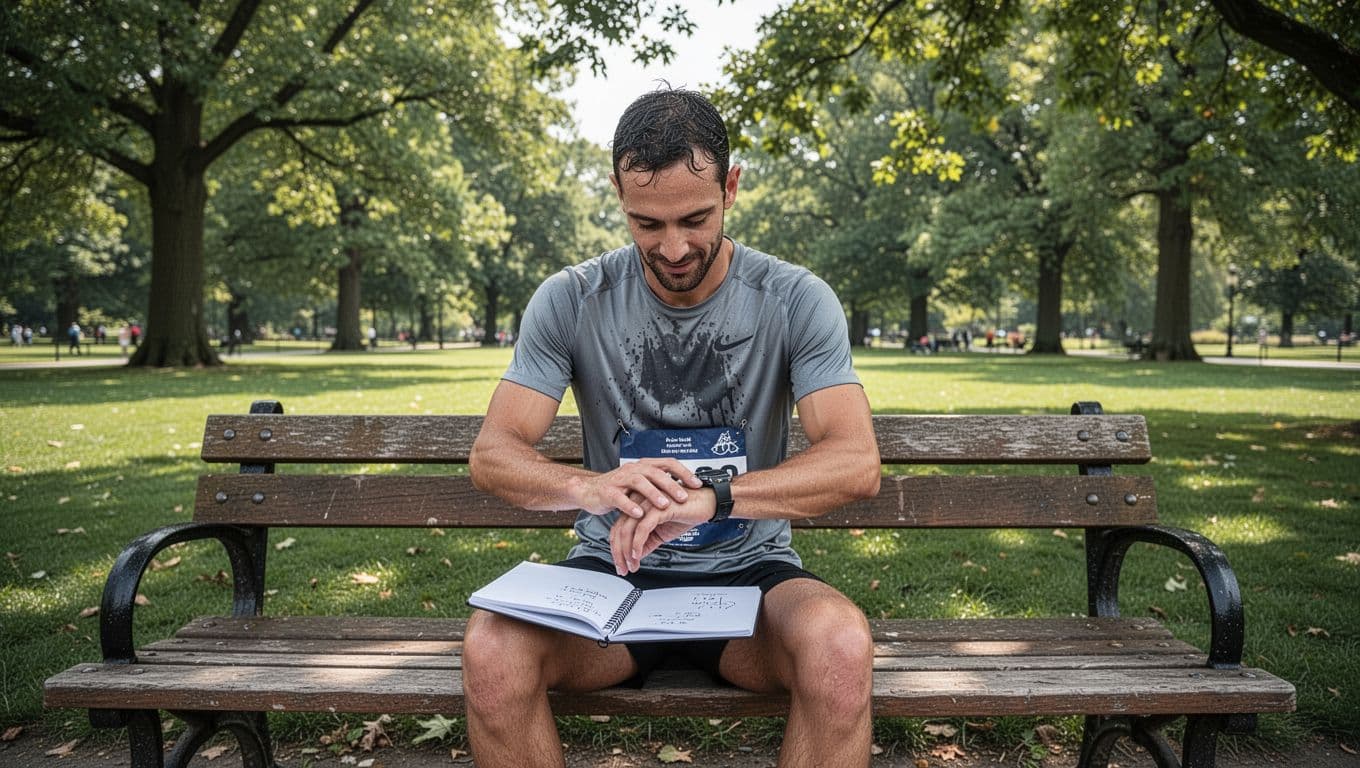
Debrief While Details Are Fresh
Write down your splits, effort level, fueling, and how each segment felt before the day gets away from you. The details matter most in the first few hours after the race, because memory gets fuzzy fast. A quick note on where you felt strong, where you faded, and when your focus slipped can teach you a lot.
Photos and watch data help too, but use them after your first recap. Start with what you felt, then compare that to the numbers. That makes the review more useful, because a watch can show pace while your body tells you whether that pace was sustainable.
A simple race journal entry can include:
- Splits by mile or kilometer
- Fuel timing and any stomach issues
- Weather, course quirks, or crowd pressure
- Where effort felt smooth or forced
The best race notes are short, specific, and written before the story changes in your head.
Spot Patterns in What Went Right
Look for the parts that worked and ask why they worked. Maybe your fueling stayed on schedule, or maybe you stayed calm through the first 5K. Those wins are worth repeating in training, because good habits need proof before they become automatic.
If your race felt controlled, identify the conditions that helped. Then build them into training runs, long runs, and tune-up races. For example, if early restraint led to a strong finish, practice that same patience in workouts and easier races.
Refine Your Plan Based on Real Data
Use the race to update your next plan, not to judge the whole season. If your goal pace was too hot, adjust it. If your backup fuel worked better than expected, keep it. If a part of the course exposed a weakness, train for it before the next start line.
This is also the right time to share your notes with a coach, if you have one. A fresh review from my Miami Half Marathon race review or training adjustments for Des Moines can also help you see how a real race unfolds and what to change next time.
The more often you do this, the sharper your execution gets. Over time, you stop guessing and start racing with better control.
Conclusion
The runners who execute well on race day usually do a few simple things right. They start with a realistic plan, hold back early, fuel on time, and stay calm when the race stops feeling easy.
That is the real answer to how to execute a race plan perfectly. You do not need a perfect day. You need a plan you trust, then the discipline to follow it when adrenaline, fatigue, and doubt try to pull you off course.
So pick your next race, build the plan now, and rehearse it before the start line. If you want a stronger framework for pacing, fueling, and mental control, the Race Day Execution Suite can help you tighten the details and show up ready.