

Weather and Safety Tips for Runners
Last spring I headed out for an easy run under clear skies. Twenty minutes later, the wind snapped cold, the rain turned sideways, and I realized I’d dressed for the forecast, not the reality. By the time I got home, my hands were numb, my shoes were soaked, and my “relaxing” day felt risky.
That’s why I take weather and safety seriously. To me, it means staying healthy (temperature, hydration, breathing), staying seen (light, reflective gear, smart routes), and making good calls when conditions change. Pace goals don’t matter if you finish a run overheated, chilled, or caught outside when you shouldn’t be.
In this guide, I’ll cover the practical stuff that keeps runners out of trouble. I’ll walk through heat and humidity, cold and wind chill, storms and lightning, and air quality days when your lungs need a break. I’ll also share what I pack or wear so I’m ready for surprise changes, including simple rain gear choices like a best running rain jacket that won’t leave me sweaty and clammy.
Most importantly, you’ll finish with a simple decision plan for three options: run as planned, change the workout (time, pace, or location), or stay inside. The goal is to make safer calls fast, even when you’re already laced up and eager to go.
Back to RunDreamAchieve Training Plans
Before I step outside, I make one fast weather and safety plan

Right before I head out, I take 60 seconds to turn “today’s weather” into a simple decision. I’m not trying to predict the future. I’m trying to avoid the obvious traps that turn a normal run into a bad call.
My quick plan has two parts: a fast forecast scan, then a safety screen for storms and road risk. It keeps my weather and safety choices calm and consistent, even when I’m motivated and tempted to force a workout.
The quick forecast check I trust, and what each number means
I don’t just look at the temperature. I look for the numbers that explain how the air will feel and how fast the conditions can wear me down.
Wind chill (cold plus wind)
Wind chill is what cold air feels like when wind strips heat off your skin. For example, 30°F with strong wind can feel closer to the low-20s on exposed areas. That’s when fingers go numb fast, even if the sun is out.
What I do: I add a thin layer, cover hands and ears, and start slower for the first 10 minutes until I know I’m stable.
Heat index (heat plus humidity)
Heat index is how hot it feels when humidity blocks sweat from evaporating. Think of 88°F with sticky air feeling like mid- to high-90s. That’s when your “easy pace” quietly becomes tempo effort.
What I do: I cut the pace and effort, pick shade, and shorten the run if needed. If it’s extreme, I move the session earlier or later.
Dew point (the “stickiness” number)
Dew point is my favorite reality check for humidity. Lower numbers feel crisp, higher numbers feel like breathing through a damp towel. Rough guide: once dew point climbs into the mid-60s and above, I expect higher heart rate at the same pace, and sweat stops cooling me well.
What I do: I lower expectations. I run by effort, take more water, and I choose flatter routes so I can manage intensity.
UV index (sunburn risk)
UV index tells me how quickly skin can burn. A high UV day can surprise you even when it’s cool or partly cloudy. If I’m out for more than a short run, that exposure adds up.
What I do: I wear sunscreen on exposed skin, and I’ll choose a shadier route or run when the sun is lower.
If the numbers tell two stories (cool temp but high UV, or mild temp but high dew point), I plan for the harder one.
My go or no-go rules for lightning, heavy rain, and high winds
Storms are the area where I stay strict. I’d rather swap one workout than gamble with something that can turn dangerous quickly.
Lightning (simple 30-30 rule)
If I see lightning and hear thunder within 30 seconds, I’m too close. I head inside right away. After the last thunder, I wait 30 minutes before I go back out. That pause feels long, but storms often throw one more punch on the back end.
Heavy rain and flash flooding risk
I don’t treat flooded spots like puddles. Water can hide potholes, curbs, and debris, and it can move faster than it looks. If rain is intense enough that I can’t see far ahead, or if low areas are already pooling, I avoid underpasses, creek paths, and dips in the road.
My alternative: short loops near home so I can bail quickly, or a treadmill if water is already rising.
Slippery paint lines and slick surfaces
Wet crosswalk paint, metal grates, bridge plates, and fallen leaves can be like ice. The risk spikes on turns and downhills when my foot lands at an angle.
My adjustment: I shorten my stride, slow into corners, and I step around paint lines when possible.
High winds and gust risk (branches, debris, balance)
Steady wind is annoying, gusts are what worry me. If trees are swaying hard or I hear cracking branches, I avoid wooded routes and park trails. Falling limbs happen without warning, especially in saturated ground.
My alternative: a track, a more open route with fewer trees, or an indoor strength session.
One more rule that matters in bad weather: I keep headphone volume low. I want to hear cars on wet roads, cyclists behind me, and wind gusts that signal trouble.
What I carry when conditions are uncertain
When forecasts look shaky, I bring a small kit that covers the basics. It’s not about fear. It’s about being able to solve simple problems without improvising.
Here’s what I carry:
- ID (or an ID card) so someone can identify me quickly.
- Phone with enough charge for maps and calls.
- Small cash or a card in case I need a ride, water, or a quick stop.
- Medical info (allergies, conditions, emergency contact).
- Small light (a tiny flashlight or clip-on light) if visibility might drop.
- One reflective item (band, sash, or patch) so I pop in headlights.
- Small water (even a few ounces helps on warm, humid days).
- Electrolyte tabs for hot runs or long efforts.
- A thin layer (light windbreaker or packable long-sleeve) for surprise chill or rain.
To avoid bounce, I keep it simple. For short runs, I use a snug belt or secure pockets. For longer runs, a small vest spreads weight and stays quiet. Either way, I pack the heaviest items close to my body, and I test it with a few hops before I lock the door.
Hot weather running without overheating, how I adjust pace, fluids, and routes
When it’s hot, I stop chasing a specific pace and start protecting my engine. Heat and humidity can turn an easy run into a hard effort fast, even if the route is familiar. So I adjust three things on purpose: effort (not ego), fluids (not guesses), and routes (not routines).
I also treat this as part of my bigger weather and safety plan. The goal is simple: finish the run feeling worked, not wrecked.
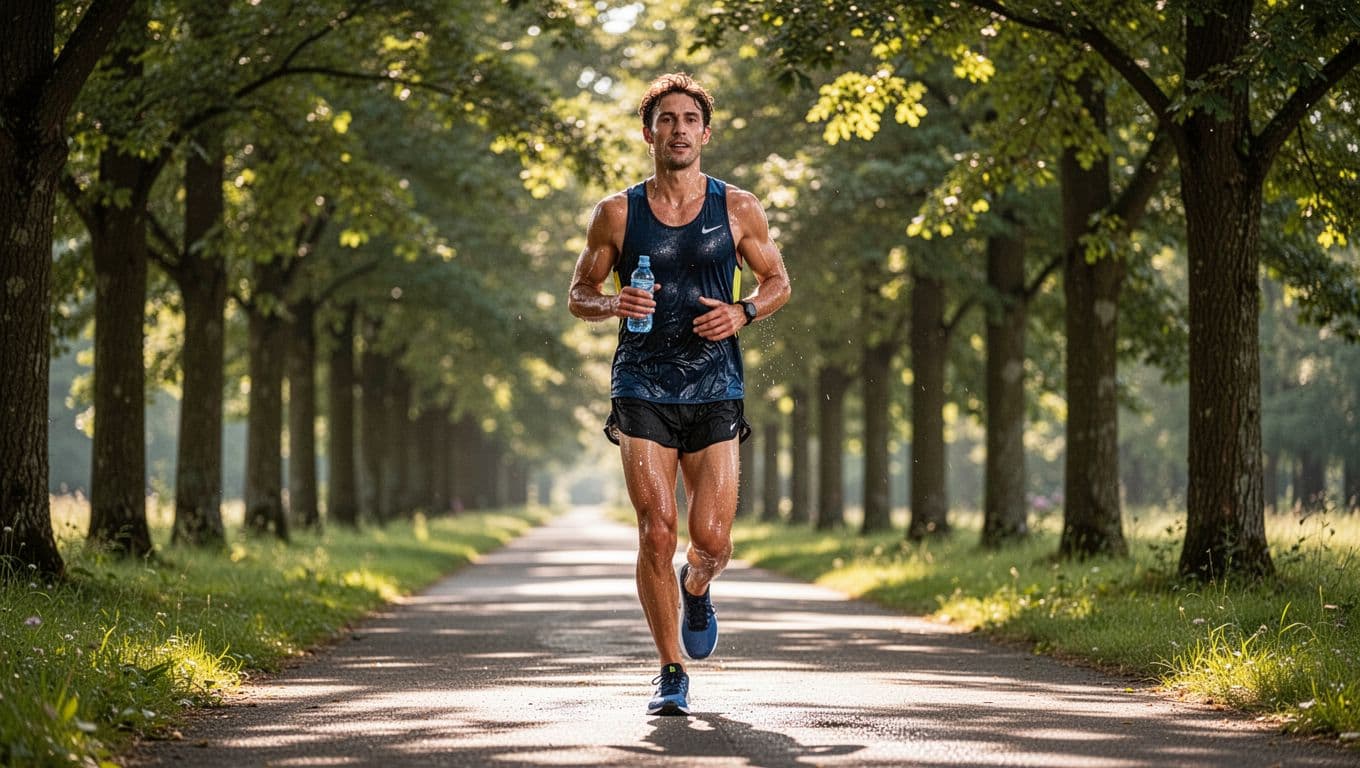
Heat exhaustion vs heat stroke, the red flags I never ignore
I keep this distinction clear because the response is different. Heat exhaustion is a warning, heat stroke is an emergency.
Here’s the simplest compare-and-contrast I use:
- Heat exhaustion (warning signs): heavy sweating, weakness, dizziness, nausea, vomiting, headache, muscle cramps, and sometimes chills (goosebumps or shivering even though it’s hot).
- Heat stroke (emergency signs): confusion, acting “off,” stumbling, fainting, severe headache, and skin that may be hot and dry because you stop sweating (although some people still sweat). Vomiting can also happen.
My action plan stays the same at first, because the first minutes matter:
- Stop running immediately. I don’t “test it” for another half mile.
- Get to shade or AC, then loosen clothing.
- Cool fast with water: wet my skin, pour water on my head and neck, and use a breeze or fan if possible.
- Sip fluids if I’m alert and not vomiting.
Then I make a hard rule call: if there’s confusion, slurred speech, fainting, or any mental status change, I treat it as heat stroke and call for help right away. Heat stroke is a medical emergency, not a tough-it-out moment.
If my brain feels “fuzzy” in the heat, I don’t negotiate. I stop and get cooling help.
Hydration and electrolytes, how I keep it simple
Hydration gets complicated fast, so I keep one baseline: drink to thirst. That’s enough for many shorter runs, especially if I start hydrated.
Where I change the plan is duration, sweat rate, and how salty I am. On long runs (or any run where my clothes are soaked), I add electrolytes instead of pounding plain water.
Here are the practical ranges I use:
- Short, easy runs (often under 60 minutes): water as needed, mostly to thirst.
- Longer runs (60 to 90+ minutes), very sweaty runs, or peak heat: I bring fluids and usually include electrolytes in one bottle, or I take an electrolyte tab/capsule with water.
I also watch for salt-loss clues, because they tell me plain water may not be enough:
- Cramps that show up even at easy pace
- Salty skin or white salt streaks on my hat or shirt
- A headache that builds during or after the run
- Feeling “flat” even when effort is low
At the same time, I respect the other risk: hyponatremia, which is low blood sodium from drinking too much plain water. In plain language, it can happen when I replace sweat with tons of water but not enough sodium. That can cause nausea, headache, confusion, and swelling in the hands. It’s one more reason I don’t force a huge drink schedule.
My quick routine looks like this:
- Pre-run (30 to 90 minutes before): I sip water, then I stop. If it’s a long run, I include electrolytes or a salty snack.
- During: I drink when I’m thirsty, and I aim for steady sips instead of chugging.
- Post-run: I drink gradually until thirst settles and I feel normal again. Urine color can help, but it’s not perfect because vitamins and first-morning urine can look darker.
Optional check: if I weigh myself before and after, I use it as a trend, not a rule. A big drop tells me I need more fluids next time.
Timing and route choices that make summer running safer
In summer, my safest “gear” is the clock. I run early morning or later evening because the sun angle is lower, pavement holds less heat, and my body cools better.
Still, those hours come with their own risks. So I plan around them:
- Low light: I wear a light or reflective item and assume drivers don’t see me.
- Sleepy traffic: I avoid blind curves, fast roads, and parking lot exits.
- Wildlife and uneven paths: I choose routes I know well when it’s dark.
Route design matters as much as timing. When it’s hot, I prefer:
- Shade-first routes, like tree-lined neighborhoods or park loops
- Water access, such as fountains, stores, or a bottle stash
- Loop routes near home, so I can stop early without being stranded
- Bailout points, like a library, shaded pavilion, or my car parked mid-route
Humidity changes everything because sweat stops cooling you well. On those sticky days, I treat pace like a dimmer switch, not an on-off button. I run by effort, slow down early, and cut the run shorter if my heart rate climbs for no reason. If I’m also dealing with hot feet and blisters, I’ll even swap footwear for more ventilation, like these best running shoes for hot weather, because comfort keeps my form from falling apart.
Cold, wind, and winter surfaces, how I stay warm and avoid slips
Cold weather running can feel amazing, but it punishes sloppy choices. Wind steals heat fast, sweat turns into a chill, and winter surfaces can change every half mile. For weather and safety, I focus on two goals, stay warm enough to keep moving well, and stay stable enough to avoid a fall.
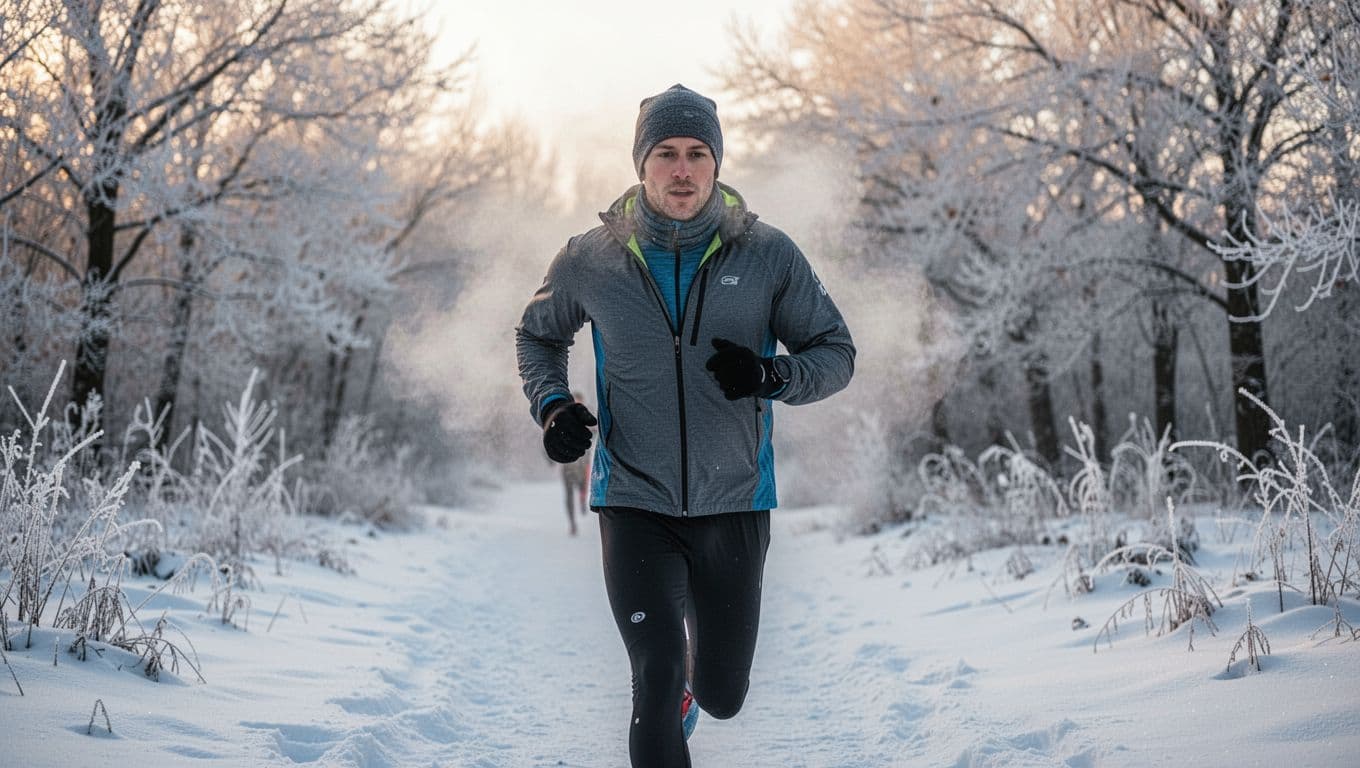
Layering rules I follow so I start a little cold but finish comfortable
I dress like I’m building a simple shelter for my body. If I get the layers right, I can handle wind, light snow, and temperature swings without fighting my clothes.
Here’s the checklist I follow most days:
- Moisture-wicking base: A snug synthetic or merino layer that moves sweat off my skin. I avoid cotton because once it’s wet, it stays wet, and that chill spreads.
- Insulating mid-layer: Fleece, a light wool top, or a thin insulated vest when it’s truly cold. This layer holds warmth without trapping too much sweat.
- Wind-resistant shell: A light jacket that blocks wind (and sometimes light precipitation) with zips for venting.
My starting point is the simple rule: I dress for 10 to 20 degrees warmer than the thermometer. So if it’s 30°F, I dress like it’s 40 to 50°F. Then I adjust based on reality:
- Wind pushes me toward the warmer end.
- Hard workouts (tempo, hills) push me toward the cooler end because I heat up fast.
- Easy runs need more warmth because effort stays lower.
If I misjudge and start overheating, I don’t tough it out. I manage heat like a thermostat:
- I unzip my jacket early, before sweat builds.
- I remove my hat or swap to a headband, since a lot of heat escapes there.
- If I’m still cooking, I slow down for a few minutes until my breathing and temperature settle.
For more guidance on building a full cold-weather kit, I also keep this in mind when choosing a cold weather running outfit so each piece works together instead of fighting the others.
If I feel warm and cozy in the first five minutes, I’m usually overdressed.
Frostbite and hypothermia signs, plus what I do if I feel them coming on
In deep cold or heavy wind, I treat symptoms like a smoke alarm. Early action is the whole difference. I pay close attention to hands, feet, ears, and my mental clarity, because those are the first things to slide.
Early warning signs I watch for:
- Numbness or tingling, especially in fingers, toes, nose, and ears
- Skin that feels hard or waxy
- Shivering that won’t stop
- Clumsy hands, like I can’t work a zipper or tie a lace
- Confusion or “spacing out,” even for a moment
- A sudden drop in pace that feels like my legs won’t cooperate
When those signs show up, I make a quick call. If I’m close to home or my car, I turn around immediately. If I’m far out, alone, or I feel mentally foggy, I treat it as serious and get help fast (call a friend, rideshare, or emergency services if needed). Pride is useless when your hands stop working.
After the run, I re-warm with control:
- I get into dry clothes right away, especially socks and base layers.
- I sip a warm drink (not alcohol), then eat something with carbs and a little salt.
- I avoid a hot shower if I’m very cold or numb. Instead, I warm up gradually first, because blasting hot water onto very cold skin can feel awful and can make dizziness worse.
For a medical overview of cold exposure risks, I trust Cleveland Clinic’s cold stress guidance as a solid reference.
Ice, snow, and darkness, how I protect my footing and visibility
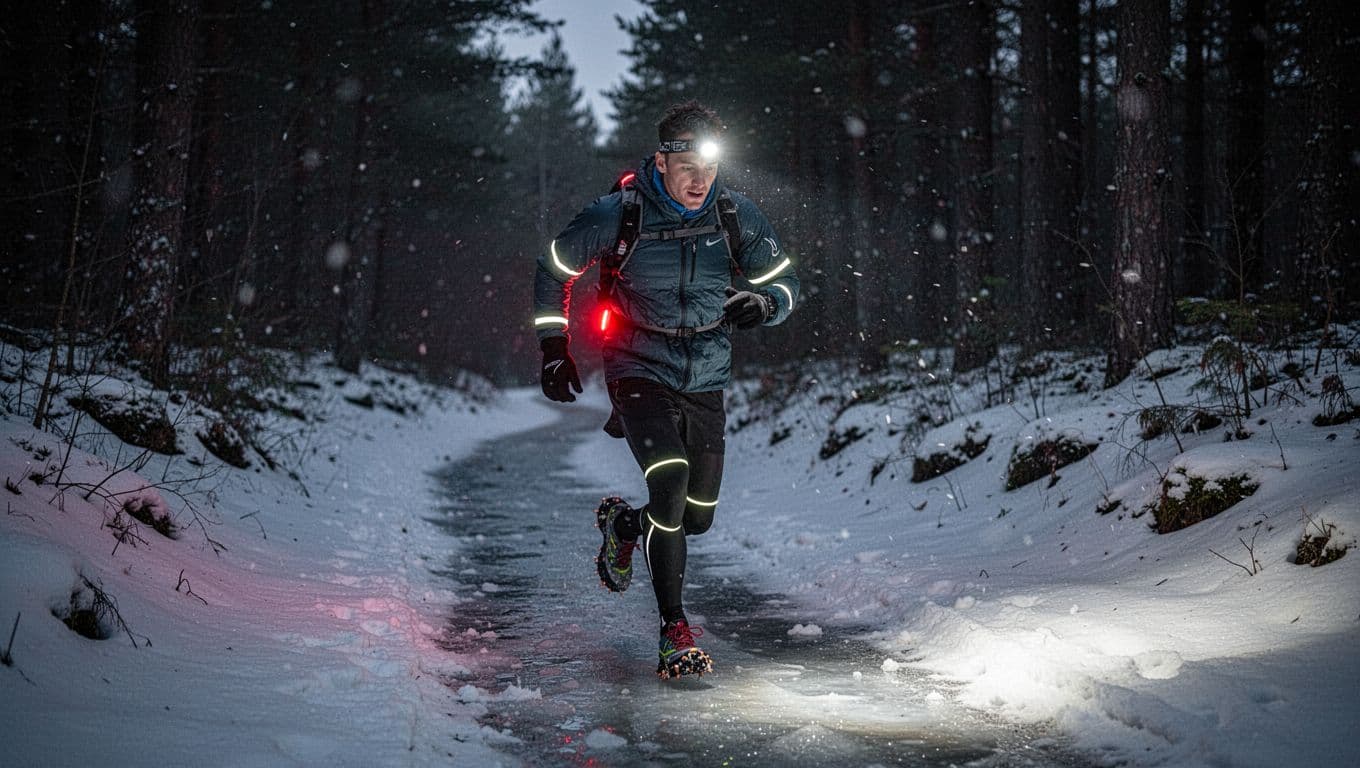
In winter, I run like the ground might betray me, because sometimes it will. The goal isn’t to be fearless, it’s to be consistent. That means traction, controlled mechanics, and being seen.
For footing, I use a simple approach:
- Traction choices: On packed snow or slush, I pick grippy shoes with solid outsole rubber and deeper tread. When it’s icy, I add clip-on traction (microspikes or similar) so I’m not relying on luck.
- Shorter strides: I keep my feet under me, almost like a shuffle. Overstriding on ice is like reaching your hand toward a hot stove, you’re asking to get burned.
- Slower turns and downhills: I brake before the turn, then stay smooth through it. On descents, I take smaller steps and avoid sudden speed changes.
- Avoid shiny patches: Black ice often looks like a wet gloss. If a spot reflects light, I assume it’s slick and step around it.
Darkness adds another layer to weather and safety because even a perfect stride can’t fix a driver who never saw you. My visibility rule is simple: I light myself like a moving bike.
- I use a front light (headlamp or chest light) so I can see the surface details.
- I wear a rear red light so drivers can track my movement.
- I place reflective gear on moving parts (ankles, wrists), because motion catches attention faster than a static vest.
Most importantly, I run as if drivers don’t see me, even when I have the right of way. I slow at crossings, make eye contact when I can, and choose routes with safer shoulders and fewer blind turns.
Rain, storms, and poor visibility, how I stay seen and avoid bad footing
Rain changes everything fast. The route that feels harmless on a dry day can turn into a slip-and-slide once water fills the cracks and the light goes flat. When conditions get messy, my goal is simple: protect my footing, stay predictable to drivers, and keep my body from getting chilled after I’m soaked. That’s the heart of weather and safety for me in stormy conditions.
Safer choices for rainy-day footing and traffic
In the rain, I treat the ground like it’s covered in a thin film of oil, because in some spots, it basically is. A lot of common surfaces lose grip when water fills the tiny texture that normally helps rubber bite.
Here’s what I watch for most:
- Painted road lines and crosswalks: The paint is smooth and sealed, so water sits on top instead of soaking in. Add a little algae or grime, and it’s like stepping on a wet tile.
- Metal grates and utility covers: Metal doesn’t absorb water, and the tread can’t “key in” the way it can on rough asphalt. If there’s any angle to my foot strike, it’s easy to skate.
- Wet leaves and pine needles: Think of them like a handful of wet cards stacked together. They slide on each other, and they hide what’s underneath.
- Smooth concrete: Some sidewalks and ramps are polished by years of feet and wheels. When they’re wet, they can feel slick, especially on downhill slopes.
Because of that, I make a few route and technique choices that save me from close calls:
First, I choose sidewalks when they’re safe and clear, especially in heavy rain. A sidewalk usually gives me a consistent edge and fewer surprise puddles than a crowned road. Still, I stay alert for slick ramps, driveway slopes, and those shiny smooth sections.
Next, I slow down before turns. I don’t wait until I’m already cornering. If I need to brake mid-turn, my shoe is more likely to slide. I shorten my stride and keep my foot landing under me, like I’m tiptoeing across a kitchen floor after someone spilled water.
Low spots are a hard no for me, too. I avoid flooded underpasses and dips, even if the water looks shallow. Floodwater can hide a curb, a pothole, or debris. Worse, if rain is still coming down hard, the water level can rise while I’m in the middle of it.
Traffic is the other half of the risk. Drivers deal with glare, fogged windows, and longer stopping distances, so I assume I’m harder to see than I think. These are my simple road-crossing habits:
- I slow down early and pick a crossing spot with the best sight lines.
- I look for eye contact, or at least a clear sign the driver is slowing.
- I make no assumptions based on turn signals or “they must see me.”
- If I feel even slightly unsure, I pause. Losing three seconds beats losing weeks to an injury.
In rain, I’d rather be “too cautious” than “technically right.” Wet roads don’t reward confidence.
What I wear in rain so I don’t end up cold, chafed, or blistered
Rain gear is a trade-off. A heavy waterproof jacket can trap sweat and make me clammy. On the other hand, getting soaked in cooler temps can drain heat fast, especially if wind kicks up. So I decide based on temperature, wind, and how long I’ll be out.
Most days, I pick one of two approaches:
- Light shell when it’s cool or windy: I use a thin, breathable shell to block wind and keep the chill off my core. I expect to get damp, but I stay warm enough to keep moving well.
- Accept getting wet when it’s warm: If it’s mild out, I skip the “waterproof” battle and focus on reducing chafe and blisters.
A small piece of gear makes a big difference here, a brim hat. It keeps rain off my face, reduces eye squinting, and helps me see cracks and puddles sooner. When visibility matters, that’s free speed for my brain.
Chafing is the sneaky problem on rainy runs. Wet fabric rubs like sandpaper, and once it starts, it usually gets worse. Before I head out, I use anti-chafe in predictable hot spots (inner thighs, sports bra line, underarms, and anywhere a seam sits). I also avoid shirts that get heavy and clingy when soaked.
Socks matter more than most runners admit. I go with synthetic or wool socks that handle moisture well and keep their shape. Cotton turns into a wet rope around my foot, then the rubbing starts. If I know the route will be puddle-heavy, I pick socks with a snug fit so the fabric doesn’t bunch.
After the run, I treat the “wet minutes” like a recovery workout. The faster I handle them, the better I feel later:
- I change clothes immediately, even if I “don’t feel that cold yet.”
- I put on a dry layer I kept in the car or by the door, even a simple long-sleeve helps.
- I pull the insoles out and loosen laces so shoes can actually dry.
- If I feel any tender spot, I treat it right away (clean, dry, and cover the hot spot before it becomes a blister).
Rainy runs can be satisfying, but I don’t romanticize them. I respect the surfaces, I stay visible, and I keep my post-run routine tight so a wet day doesn’t turn into a sore week.
Air quality, smoke, and pollen, how I protect my lungs and adjust training
Air quality is the one weather variable I can’t “tough out” without paying for it later. Bad air turns a normal run into a lung workout, and the stress adds up fast when I’m breathing deep and hard. So I treat air as part of my weather and safety plan, just like heat or lightning.
When smoke or high pollen shows up, my goal stays the same, keep consistent training without inflaming my airways. That usually means I adjust intensity first, then duration, then location.
How I use air quality and pollen info to decide intensity
I use AQI (Air Quality Index) as a simple stoplight for my lungs. The higher the number, the more junk is in the air, like smoke particles, ozone, or other pollutants. The key detail for runners is exposure, hard running makes me breathe faster and deeper, so I pull more of that air into my system.
Here’s how I keep it practical:
| AQI category | What it means in plain language | What I do with training |
|---|---|---|
| Good (0–50) | Air feels clean for most people. | I run as planned, including workouts. |
| Moderate (51–100) | Usually fine, but sensitive lungs can react. | I keep it mostly easy, or I shorten hard work. I avoid long tempos. |
| Unhealthy for sensitive groups (101–150) | More likely to irritate airways if you have asthma or allergies. | I switch to easy effort, shorten the run, or move indoors. |
| Unhealthy (151–200) | Even healthy runners can feel it. | I skip hard running outside. I do indoor cross-training, strength, or rest. |
| Very unhealthy (201+) | High risk, not worth it. | Indoors only, or I take a full rest day. |
On moderate and worse days, I also adjust what kind of intensity I choose. Intervals and hill reps spike breathing rate, so they spike exposure. If I need to train, I’ll pick a steady, controlled aerobic effort indoors, or I’ll do strength work and call it a win.
Timing helps more than most people think:
- After a solid rain, pollen often drops for a while, so I try to run soon after the weather clears (if it’s safe).
- On hot, sunny afternoons, ozone can climb, so I lean toward mornings when the forecast warns about ozone.
- During wildfire smoke, I don’t assume “it looks fine” means it’s fine. I go by AQI and how my throat feels.
For pollen, I glance at a local pollen report the same way I check temperature. When counts are high, I plan routes away from heavy grass and tree-lined corridors, and I keep the run easy. I also change clothes and rinse off soon after, because pollen on skin and hair keeps irritating me.
When air quality is questionable, I protect consistency by lowering intensity, not by forcing the original workout.
Warning signs that mean I stop, and when I get medical help
I pay attention to lung symptoms the way I’d watch a warning light on my car dashboard. If something feels off early, I don’t keep pressing. I stop, walk, and see if things settle.
These are the signs that make me stop the run right away:
- Chest tightness or pressure that wasn’t there at the start
- Wheezing, whistling, or noisy breathing
- An unusual cough, especially if it keeps ramping up
- Dizziness or feeling unsteady
- A headache that spikes quickly, especially on smoky or high-ozone days
- Symptoms that don’t settle after rest, even after a few minutes of walking and calm breathing
If I have asthma (or suspect I do), I follow my plan, not my mood. That means I use prescribed meds the way my clinician told me to, and I carry my rescue inhaler if one is prescribed. Exercise can trigger airway tightening even in otherwise fit people, and having a clear plan matters. Cleveland Clinic’s breakdown of exercise-induced asthma symptoms and treatment is a solid reference.
I also know when it’s time to get medical help. If I have trouble speaking full sentences, blue or gray lips, fainting, confusion, or worsening breathing even at rest, I treat it as urgent. In those moments, I don’t negotiate with it, I get help fast.
When the weather turns mid-run, my simple safety moves and backup workouts
Weather can flip fast, even when I planned well at the door. When it happens mid-run, I don’t debate it or try to “win” against the conditions. I switch into a simple decision mode that keeps weather and safety boring and predictable.
How I handle sudden heat, cold rain, or gusty winds without panicking
When the weather shifts, I act like I’m driving in a sudden downpour. I don’t slam the brakes, I ease off the gas, I get my bearings, and I pick the safest way home.
Here’s my step-by-step playbook:
- Slow down right away. I drop effort first, then I decide the next move. Hard breathing makes every condition worse, heat, cold, and wind.
- Shorten the loop. I turn the run into a “near-home” pattern, even if that means repeating a boring stretch.
- Find shelter if I need it. For lightning, I go inside immediately. For heavy rain or wind gusts, I use a porch, open garage, building overhang, or a sheltered area away from trees.
- Add or remove a layer fast. If I’m getting chilled, I put on a packable shell or long-sleeve. If I’m overheating, I unzip, slow down, and stop fighting the heat.
- Take fluids (or at least rinse and cool). In heat, I sip water. If I don’t have water, I slow down and cut the run short. In cool rain, I don’t overdrink, but I make sure I’m not drifting toward fatigue and poor decisions.
- Reassess every 5 minutes. I ask two questions, “Am I getting better or worse?” and “If I had to stop right now, am I close to help?”
I also watch early trouble signs, because that’s where most runners wait too long. These are my “stop before it gets serious” cues:
- Heat is winning: chills or goosebumps in warm weather, dizziness, nausea, a headache that ramps up, or a weird foggy feeling.
- Cold is winning: numb fingers, clumsy hands, shivering that won’t settle, or feeling mentally slow.
- Wind and rain are winning: sudden balance issues, debris falling, or visibility that drops enough that drivers can’t track me.
Once any of those show up, I don’t negotiate. I stop running, I walk toward shelter, and I end the session early if the trend is going the wrong way. For more practical ideas on staying relaxed when gusts hit, I lean on these tips for running in the wind, especially the reminders about staying controlled and adjusting effort.
My rule is simple: when conditions worsen, I make the safest decision while I still feel clear-headed.
My emergency basics, phone, ID, location sharing, and what to do if I need help
I treat emergencies like flat tires. They’re rare, but they’re much easier with a basic kit and a simple plan. I don’t carry much, yet I always carry enough to be found and to call for help.
Before I run, I do a quick check:
- I bring my phone, and I start with enough battery to get home.
- I carry ID (even a small card), plus one key medical detail if it matters (like an allergy).
- I enable location sharing with someone I trust when conditions feel sketchy, or when I’m going longer.
- I stick to well-lit routes when weather drops visibility, and I avoid isolated shortcuts.
On my phone, I keep it simple and non-technical:
- I set Emergency Contacts so help can be reached fast.
- I fill out Medical ID (name, age, allergies, emergency contact).
- I use Low Power Mode if my battery is already low, because a dead phone is useless.
If I need help, I don’t wait until I’m in trouble. I stop in a safe spot, then I act:
- I move to a visible location (a store entrance, a covered porch, a well-lit corner).
- I call or text one person with my location and what’s happening.
- If it feels urgent, I call 911 and stay put.
Most importantly, I trust my instincts. If a street feels unsafe, or visibility is too poor, I change direction. A “good” workout never requires me to ignore that gut signal.
Backup workouts that match the goal of the day
When the weather turns ugly, I don’t try to force the original plan outdoors. I match the purpose of the day, then I move on. That keeps training consistent and keeps weather and safety decisions clean.
Here’s how I swap workouts without trying to “make up” missed miles:
- Easy run day: I do an easy bike, elliptical, or brisk incline walk. I keep it conversational, because the point is recovery and aerobic time, not proving anything.
- Long run day: I aim for time on feet indoors. That might be treadmill running, treadmill run-walk, or a mix of treadmill and stair climber. If I need a mental trick, I break it into chunks and reset every 10 to 15 minutes.
- Speed or interval day: I move to controlled treadmill intervals. I keep the recoveries honest, and I stop the session if my form gets sloppy. A smaller, cleaner workout beats a heroic mess.
- Tempo or steady day: I do a steady treadmill effort by feel, not by pace. If heat or poor air had already stressed me, I shorten the total time and keep it controlled.
- Recovery day: I switch to mobility, light strength, and easy stretching. I treat it as a way to come back better tomorrow.
The biggest mistake I avoid is stacking. If I miss a hard day, I don’t cram it into the next 48 hours. Training is a string of decisions, not one perfect workout, and the smartest runners protect the next run as much as today’s.
Read More of Our Weather and Safety Tip Articles Below
Is it safe to run in the rain?
How cold is too cold to run outside?
How do I run safely in hot weather?
Should I slow down when running in heat?
How do I prevent dehydration on long runs?
Is it safe to run in high humidity?
How do I run in the dark safely?
What sunscreen is best for runners?
How do I breathe in cold weather running?
Should I run when the air quality is poor?
Conclusion
Smart choices always beat toughing it out when it comes to weather and safety for runners. I learned that the hard way after too many runs turned risky from surprise changes. Now, I stick to a quick forecast plan at the door. I check wind chill, heat index, dew point, and UV first. Then I screen for storms with the 30-30 lightning rule.
In heat, I adjust pace early, sip to thirst with electrolytes, and pick shaded loops. Cold demands layers that start cool but warm as I go, plus traction for ice. Rain calls for visible gear, short strides around slick spots, and fast post-run changes. Air quality means easy efforts or indoors when AQI climbs. Mid-run shifts get simple fixes like shorter loops or backup workouts on the treadmill.
These steps keep me consistent without drama. They protect my health so I hit goals stronger. Most importantly, they build habits that last all year.
Back to Running Questions and Answers
