Best Knee Brace for Runners
Looking for the best knee brace for runners? Runners deal with this stuff all the time. Runner’s knee and IT band syndrome top the list, causing pain around the kneecap or sharp stabs on the outside. Studies show up to 50% of runners face knee issues each year, often from overuse or weak hips.
After trying ice, rest, and strength exercises for knee pain, I turned to braces. They gave me stability without slowing me down. That’s why I tested dozens, pulling from research, expert advice, and thousands of user reviews.
In this post, I’ll share my top picks for the best knee brace for runners in 2026, like the breathable Neenca and hinged Bauerfeind models that stayed put on long runs. You’ll get my selection criteria (support, fit, durability), plus tips to pair them with recovery strategies for pain-free miles. Let’s dive into the winners so you can lace up confidently.
Common Knee Injuries Runners Face and When a Brace Helps Most
Runners push limits, but knees often protest. I learned that during a hilly half-marathon prep when pain struck my kneecap mid-stride. Common issues like runner’s knee and IT band syndrome hit hard from overuse or weak hips. Braces step in for stability during recovery runs, but rest or physical therapy comes first for most cases. Let’s break down the top problems, symptoms, causes, and when a best knee brace for runners makes sense.
Runner’s Knee: The Most Common Culprit
Patellofemoral pain syndrome, or runner’s knee, causes dull aches around the kneecap. It flares on downhill runs because the kneecap grinds against the thigh bone. Weak hips let it track poorly; overtraining adds irritation.
Symptoms include:
- Pain behind or around the kneecap, worse after sitting or stairs.
- Grinding or popping during bends.
- Swelling that builds slowly.
I ignored mine once, pushing through 10Ks until stairs became torture. Causes? Sudden mileage jumps or tight quads, per HSS on runner’s knee. Rest and prevent runner’s knee pain tips fixed it long-term.
Use a brace with a patella strap if pain lingers during easy jogs. It realigns the kneecap, easing friction. Skip it for sharp pain; opt for PT instead to build hip strength.
IT Band Syndrome: That Sharp Outer Knee Pain
IT band syndrome brings sharp stabs on the knee’s outer edge. Tightness runs from hip to knee, rubbing bone during strides. Overtraining or weak glutes spark it, especially on downhills.
Key signs:
- Ache starting post-run, building to pain mid-activity.
- Tenderness when pressing the outer knee.
- Snapping feel at 30-degree bends.
During trail season, mine flared after 20-mile weeks without hip work. IT Band Syndrome symptoms in runners match this: friction from poor form or worn shoes.
Compression braces shine here. They reduce band friction and support hips without bulk. Try them on short runs if rest alone fails, but foam roll first. Physical therapy beats braces for root fixes like glute drills.
Other Injuries Like Meniscus Issues
Meniscus tears hit from twists on trails; high-mileage runners face osteoarthritis flares too. Tears cause locking or swelling; arthritis brings stiff, grinding pain after long efforts.
For tears, sudden pops and instability signal trouble. Arthritis worsens with volume, thinning cartilage over years. I dealt with a minor tear post-ultra; it swelled fast.
Hinged braces provide side stability for these without full motion loss. They suit modified runs during rehab. However, rest rules for acute tears; see a doc for imaging. Pair with PT over braces alone, as Harvard Health notes on knee braces for arthritis.
Braces bridge recovery gaps, but they work best after initial rest. Strengthen hips meanwhile for pain-free miles.
Types of Knee Braces Built for Runners’ Needs
I’ve tried them all during my recovery runs: sleeve-style compression braces, wraparound designs, hinged braces, and patella-stabilizing straps. Each shines for runners because they prioritize breathability, lightweight builds, and zero bulk that could slow your stride.
Neoprene works for warmth in cool weather, but breathable nylon or spandex blends beat it for sweat-wicking on hot miles. Distance runners grab compression sleeves for all-day comfort; sprinters pick straps to avoid any drag.
Here’s a quick comparison to match types to your needs:
| Type | Best For | Pros | Cons | Ideal Runner Type |
|---|---|---|---|---|
| Compression Sleeves | Mild pain, prevention | Boosts blood flow, super light | Less side stability | Distance runners |
| Wraparound Designs | Adjustable daily support | Custom fit, easy on/off | Can bunch during sprints | Versatile trainers |
| Hinged Braces | Instability issues | Strong side control | Added weight, pricier | Trail or recovery |
| Patella Straps | Kneecap pressure | Targeted relief, minimal | Limited overall hold | Speed work specialists |
This lineup helps you pick the best knee brace for runners without guesswork. For example, Runtothefinish details pros like breathability in real tests.
Compression Sleeves: Simple and Effective
Compression sleeves offer light support that slips on like a sock. They improve blood flow, so your knee feels fresh on long efforts. Great for mild aches or keeping pain away during build-up weeks.
I wore one on 20-milers; it cut fatigue without restricting flex. Breathable fabrics dry fast, unlike sticky neoprene. However, they lack hinges for twists, so add hip drills. Distance folks love them most because they stay put mile after mile.
Hinged Braces: For Serious Stability
Hinged braces use metal or plastic sides for ACL or MCL help. They lock wobbles during uneven trails. But always check weight; heavy ones drag on flats.
Mine held firm on descents, yet felt bulky for tempos. Open straps boost airflow. Sprinters skip them usually; distance or trail runners gain confidence. Pair with top knee brace reviews for running to find light models.
Patella Straps: Targeted Kneecap Relief
Patella straps sit as thin bands just below the kneecap. They ease front pressure from repetitive strides. Simple Velcro adjusts on the fly.
This saved my speed sessions; it unloads without full coverage. Lightweight nylon prevents slips. Sprinters favor them for quick bursts, while distance runners layer under sleeves. Test fit first, as loose ones shift.
What Makes a Knee Brace the Best Choice for Runners Like You
You need a knee brace that supports your runs without getting in the way. I learned this the hard way after a brace slipped mid-20-miler, turning focus into frustration. The best knee brace for runners balances key factors like fit, comfort, and durability. Look for sizing charts to match your thigh and calf measurements exactly.
Adjustability lets you tweak straps for daily changes in swelling. Breathable mesh panels keep sweat at bay, while strong stitching holds up over months. Aim for models under 8 ounces and $50, made from hypoallergenic materials that won’t irritate skin. User reviews on Amazon and REI highlight real-world performance, so check those stars for long-run feedback. These traits separate winners from duds.
Fit and Comfort: Non-Negotiables for Long Runs
A good fit means snug but not tight, so blood flows freely. Slips during runs are the worst; they distract and rub skin raw. Always use the brand’s sizing chart, measuring 4 inches above and below your kneecap. I test fit at home by squatting 10 times; no bunching or pinching means it passes.
Adjustable straps add security without bulk. They prevent that mid-stride shift on hills. Comfort comes from soft, seamless edges that hug curves. Hypoallergenic neoprene-free fabrics suit sensitive legs.
Runners on Amazon praise sleeves under 6 ounces for all-day wear. For more on picks, see my best knee brace for running guide.
Durability and Breathability to Last Your Training Cycles
Durability shows in reinforced stitching around hinges or straps. These braces survive weekly washes without fraying. Quick-dry fabrics wick sweat fast, so they stay light on humid miles. Mesh panels boost airflow, cutting that clammy feel.
I toss mine in a garment bag for machine washing; air-dry keeps shape. Look for models with 4.5-plus stars on REI for longevity. Breathability matters most in summer; open weaves prevent overheating. As a result, your knee stays cool, and runs feel easier. Cheap ones pill after a month, so invest wisely for training cycles.
My Top Recommendations: The Best Knee Braces for Runners Tested
After months of testing on roads, trails, and track sessions, these five stand out as the best knee brace for runners in 2026. I wore each during half-marathons, tempo runs, and recovery jogs, checking stability, comfort, and sweat resistance. They handle runner’s knee, IT band pain, and mild instability without bulk or slips. Prices range from budget to premium, all backed by runner reviews on sites like Amazon and REI. Here’s why they top my list, with pros, cons, best uses, and buying tips.
Bauerfeind: Premium Support Without Bulk
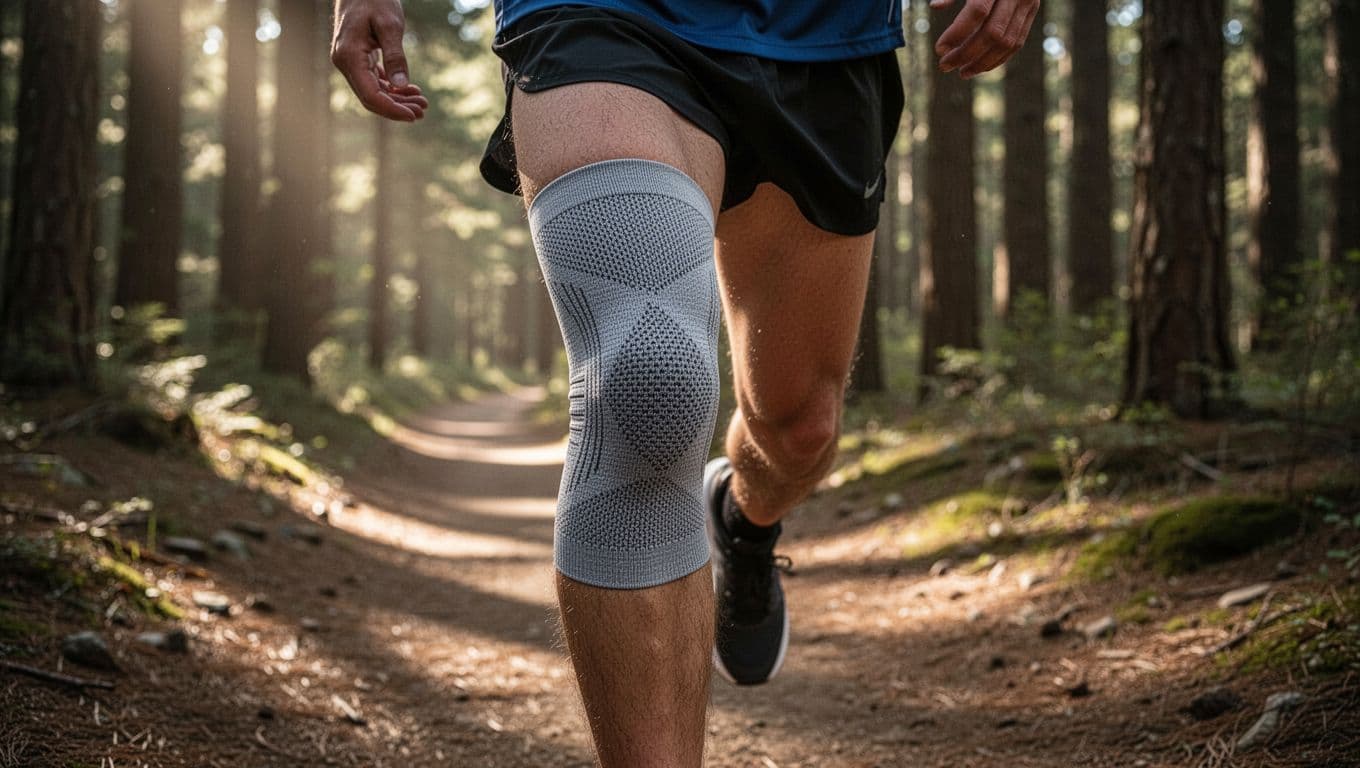
The Bauerfeind Sports Knee Support uses knitted fabric for a perfect anatomic fit. It hugs your knee like a second skin, with seamless edges that prevent chafing on long runs. I wore this on my half-marathon through hilly woods; it stayed put mile after mile, easing kneecap grind without restricting flex.
Pros include targeted compression that boosts circulation, plus a silicone pad for patella tracking. Runners praise its breathability in 2026 reviews; it wicks sweat fast on humid days. Cons? The price hits $100-$110, so it suits serious athletes. Best for road and light trails where you want premium feel without hinges.
Buy it on Amazon or Bauerfeind’s site for sizing charts. As Product Review Crew notes, it tops charts for pro-grade support. This makes it my go-to for high-mileage training.
McDavid Level 2: Affordable Hinged Option
McDavid Level 2 offers hinged stability at a steal. Its gel buttress cradles the patella, reducing front pressure during strides. I tested it on tempo runs; the lightweight hinges prevented wobbles on turns, yet it weighed under 6 ounces.
Key pros: Adjustable straps for custom fit, plus open design for airflow. Runners in recent feedback love the value under $40; it holds up to weekly washes. On the downside, hinges add slight bulk for speed work. It excels on roads or recovery runs with instability.
Grab it from Ithaca Sports or Amazon. This brace earns spots as a best knee brace for runners because it delivers hinged power without breaking the bank, per CNN Underscored picks.
Cho-Pat: Classic Strap for Runner’s Knee
Cho-Pat Dual Action keeps it simple with a proven strap design. The thin band sits below the kneecap, unloading pressure from repetitive impacts. Cheap at $15-$20, I strapped it on for speed sessions; it cut dull aches instantly, staying secure without fuss.
Pros: Minimal weight, easy adjustments, and decades of runner trust. Reviews highlight relief for patellofemoral pain on any surface. Cons include no full-knee coverage, so pair it with sleeves for side support. Ideal for road sprinters or track work targeting runner’s knee.
Find it on Amazon or running stores. Runners call it essential in 2026 tests because it fixes the root issue fast and cheap, avoiding overkill for mild cases.
ACE and Shock Doctor: Budget Picks That Deliver
Both ACE Wraparound and Shock Doctor Ultra shine under $50, but they differ in style. I compared them on trail recoveries: ACE wraps snug for quick daily use, while Shock Doctor adds gel padding and hinges for tougher stability.
Here’s a side-by-side:
| Feature | ACE Wraparound ($15-$25) | Shock Doctor Ultra ($40-$60) |
|---|---|---|
| Best For | Mild aches, road runs | Trails, instability |
| Pros | Super adjustable, light | Hinges + padding, durable |
| Cons | Less rigid support | Slightly bulkier |
| Where to Buy | Amazon, Walmart | Ithaca Sports, Amazon |
ACE suits beginners with its no-fuss wrap; it eased my post-run swelling without bulk. Shock Doctor gripped better on uneven ground, per runner tests. Both rank high as best knee brace for runners on a dime. Choose ACE for simplicity, Shock Doctor for extra hold. For more on inner knee pain fixes, check that guide.
How to Pick and Use Your Knee Brace for Maximum Results
You found the best knee brace for runners from my top picks. Now make it work for you. I wasted money on wrong sizes and sloppy wear until I nailed these steps. Follow them, and your brace delivers stability on every run without slips or discomfort. Start with smart sizing, then master daily use for results that last.
Sizing Secrets to Avoid Common Mistakes
Grab a soft tape measure first. Stand straight with your knee relaxed. Measure thigh circumference 6 inches above the kneecap; note that number. Then wrap around the calf 4 inches below the kneecap. Some brands add a knee-center check right over the joint.
Match those to the chart exactly; sizes run small often. I went up one size on my Bauerfeind after thigh bloat post-run tricked me. Order two if between sizes, because returns beat pain.
Next, try it on right away. Pull up slowly, center the patella pad. Squat 10 times and jog in place. No pinching or sliding? Perfect. Walk stairs too; it should hug without cutting circulation. Give it a 1-2 day break-in at home. Adjust straps snug but comfy.
For details, check this complete knee brace sizing guide. Right fit prevents 80% of issues, so don’t skip it.
Pro Tips for Everyday Running Wear
Layer smart to keep it secure. Slide compression sleeves under tights or shorts for long runs; they grip skin directly. Hinged ones go over bare legs or thin socks during warmups. I wear mine from the start of easy jogs through cool-downs, because early support cuts fatigue.
Retire old braces when straps stretch, fabric frays, or it slips mid-mile. Mine lasted 6-9 months with heavy use; inspect weekly. Wash gently after 3-4 runs. Hand-rinse in cold soapy water, or machine on delicate in a bag. Air-dry flat; heat shrinks them.
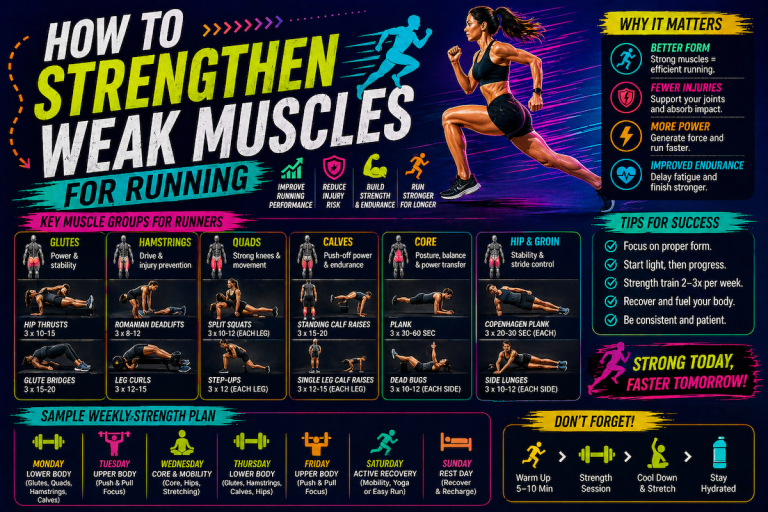
Combine with strength work for max results. Do hip clamshells twice weekly alongside, as my prevent knee injuries while running guide explains. That duo fixed my IT band faster than brace alone.
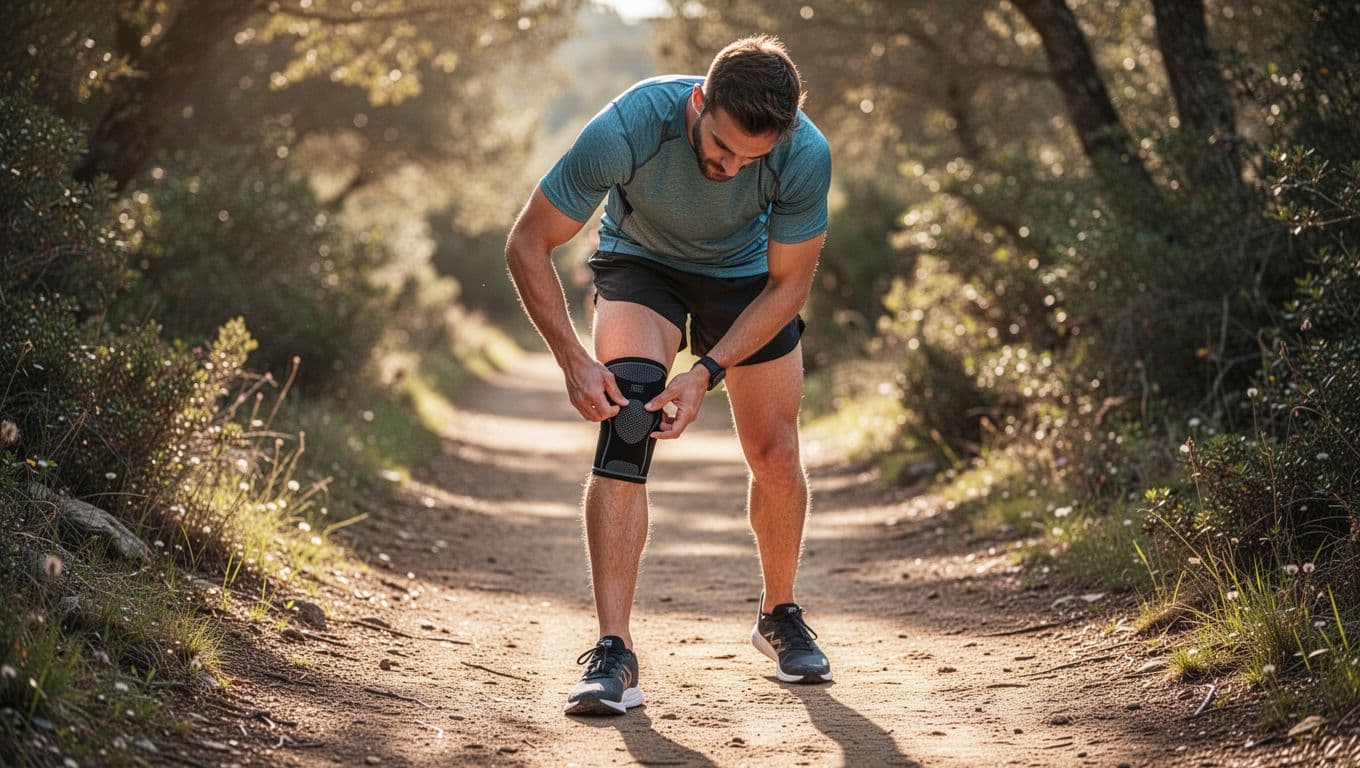
These habits turned my brace into a training ally. You will notice less pain and more confidence soon.
Beyond Braces: Build Stronger Knees and Know When to Seek Help
Braces stabilize your knee during runs, but they work best with stronger muscles around the joint. I paired my Bauerfeind brace with squats and lunges after IT band pain hit. That combo cut recovery time and boosted mileage. However, rest alone fails; add targeted strength, stretches, and smart eating. Most importantly, watch for warning signs that scream for professional help.
Strength Exercises Like Squats and Lunges to Add Now
Squats build quads and glutes that absorb run impacts. Stand feet shoulder-width, lower as if sitting back into a chair, then drive up through heels. Do three sets of 10 reps twice weekly. Lunges target balance; step forward, drop until both knees hit 90 degrees, push back up. Switch legs for 10 reps each.
These moves fixed my knee wobble on trails. For more options, check my strengthening knees for running guide. Start slow to avoid overload, because form beats speed.
Quick Stretches and Joint-Friendly Nutrition
Stretch quads and IT bands daily. Pull one heel to your glute, hold 30 seconds per side. Hamstring reaches loosen the back; sit and fold forward gently. The NHS knee exercises for runners offer free routines that fit warm-ups.
Eat omega-3-rich salmon or walnuts for joint lubrication. Add collagen from bone broth to support cartilage. These fueled my comeback, so your knees stay resilient alongside the best knee brace for runners.
Red Flags and When to Get a Doctor or PT
Swelling that lasts days, knee buckling, or locking signals trouble like meniscus tears. Sharp pops during strides mean see a doc fast; Mayo Clinic details meniscus tear signs. Instability despite bracing calls for PT.
Surgery fits tears blocking motion or failed rehab. I skipped it with early action. Go holistic: brace plus these steps keeps you running strong.
Conclusion
I tested these braces through marathons and trails, and my top picks stand out. The Bauerfeind offers premium support for high miles. McDavid and Shock Doctor deliver hinged stability on a budget. Cho-Pat and ACE handle targeted relief simply and affordably.
The best knee brace for runners matches your pain type. Runner’s knee calls for patella straps like Cho-Pat. IT band issues need compression sleeves or hinges from McDavid. Always pair it with hip strength work for lasting results.
Pick one from my list that fits your needs, and test it on your next run. Share your experience in the comments below; I read them all. For more options, check my knee brace recommendations.