

Trail Races in Vermont: Green Mountain Climbs and Mud
Vermont’s trail races pair quiet wooded singletrack with steep mountain climbs and long-distance challenges, so runners can find an event that fits their experience and appetite for adventure. The terrain can make even a shorter race demanding, while changing conditions reward thoughtful preparation.
Race courses, distances, dates, and registration details may change from year to year, so confirm the latest information with each organizer before making plans. This trail races guide highlights notable events and explains how to choose a distance, prepare for Vermont’s trails and seasonal conditions, and plan for race day.
Key Takeaways
- Trail races in Vermont range from shorter local events to ultramarathons, with distances and course profiles that suit different experience levels.
- Expect varied footing, including wooded singletrack, rocky climbs, dirt roads, and rolling terrain; mileage alone won’t tell you how demanding a course feels.
- The Vermont 100 covers 100 miles and about 17,000 feet of climbing across dirt roads, horse trails, and pavement, according to its official race details.
- Choose an event based on your trail experience, elevation tolerance, and time available for training, then check the organizer’s latest course and registration information.
- Vermont’s weather and trail conditions can shift by season, so prepare for changing footing and confirm race-day requirements before you travel.
Trail Races in Vermont Offer Everything from Short Runs to 100-Mile Tests
Trail races in Vermont range from weekly local events on marked loops to ultramarathons that take hours to complete. The state’s varied terrain shapes each experience: runners may encounter wooded singletrack, dirt roads, rocky climbs, and steep descents within the same race.
The events below offer a useful starting point for comparing distances and course styles. Since race schedules and routes can change, check current organizer listings for dates, distances, aid stations, and course conditions before registering.
Try the Catamount Ultra for a Trail-Race Starting Point
The Catamount Outdoor Family Center in Williston hosts trail-running events, including a weekly race series. Its trail network includes more than 20 miles of paths, with marked loops that range from 5K to 15K. Distances offered in a specific event can vary by edition, so check the current Catamount race listings and trail information before choosing a date.
A venue with marked routes and several loop lengths can work well for newer trail runners. You can start with a shorter course and get a feel for uneven footing without committing to an ultra. More experienced racers can choose a longer route or use the trails for a faster, technical effort.
Even a short distance can feel demanding when roots, turns, and elevation changes interrupt your rhythm. Confirm the current course, surface conditions, and event details with the organizers, especially if this will be your first trail race.
Take on the Vermont 50 or Vermont 100 for a Bigger Challenge
The Vermont 50 and Vermont 100 both take place in the West Windsor area, with ultramarathon distances at the center of each event. The Vermont 50 offers a substantial endurance challenge; the Vermont 100 extends that test to 100 miles. Its current race information describes roughly 17,000 feet of total ascent, with a route that includes dirt roads, horse trails, and pavement. Check the Vermont 100 course details and the Vermont 50 course descriptions for the latest information.
On either course, success depends on more than running speed. Sustained pacing helps preserve energy over long climbs and descents, while a support plan matters when fatigue, weather, or changing footing slows progress. Review aid-station locations and crew rules in the current race materials, then make a realistic plan for food, hydration, and pacing.
Although both events are associated with West Windsor, exact routes and formats may change. Check each race’s current page for the distance, course, date, aid stations, and any updated event requirements before making travel plans.
Choose Your Distance, Duration and Goal Time
Make three quick selections and open the exact plan built for your race target.
Looking for a Fully Personalized Training Plan?
The training plans above are an excellent choice if they match your goal. However, if you’d rather train with a plan built specifically around your current fitness, goal race, preferred training days, weekly mileage, and target finish time, our RDA Custom Training Plans provide a personalized solution. We also have running courses available for runners seeking to run faster from the mile to the marathon.
Why Choose a Custom Training Plan?
| Standard Training Plan | RDA Custom Training Plan |
|---|---|
| Follows a fixed schedule | Built around your schedule |
| Standard weekly mileage | Peak mileage customized for you |
| Fixed workout days | Train on the days you choose |
| Same structure for everyone | Designed around your current fitness |
| Static plan | Updated as your fitness improves |
| One-time purchase | Ongoing personalized coaching and support |
What You’ll Receive
- A training plan built specifically for your goal
- Personalized training paces
- Long runs, tempo runs, threshold workouts, interval sessions, recovery runs, and easy runs
- Peak weekly mileage matched to your experience level
- Flexible training schedule that fits your life
- Ongoing plan adjustments as your fitness improves
Ready to Train Smarter?
Stop guessing and start following a plan built specifically for you, your schedule, and your racing goals.
Look for Mountain Courses at Killington and Other Local Events
For a more mountain-focused race, look at the Killington event in the Cirque Series. Its course information lists an 8.2-mile race with 3,010 feet of vertical gain, but event details can change by year. Check the current Killington race listing before you register.
Steep climbing and descending make mountain races feel different from events built around rolling dirt roads. Runners must adjust their pace on climbs and stay attentive on descents, where rocks, roots, and loose ground can slow progress. A short mountain course can demand careful effort even when its mileage looks manageable.
Smaller local events also offer a lower-key way to learn Vermont trails, often with shorter routes and a more regional feel. However, organizers may change dates, distances, or locations from season to season. Check their current listings before planning around a race.
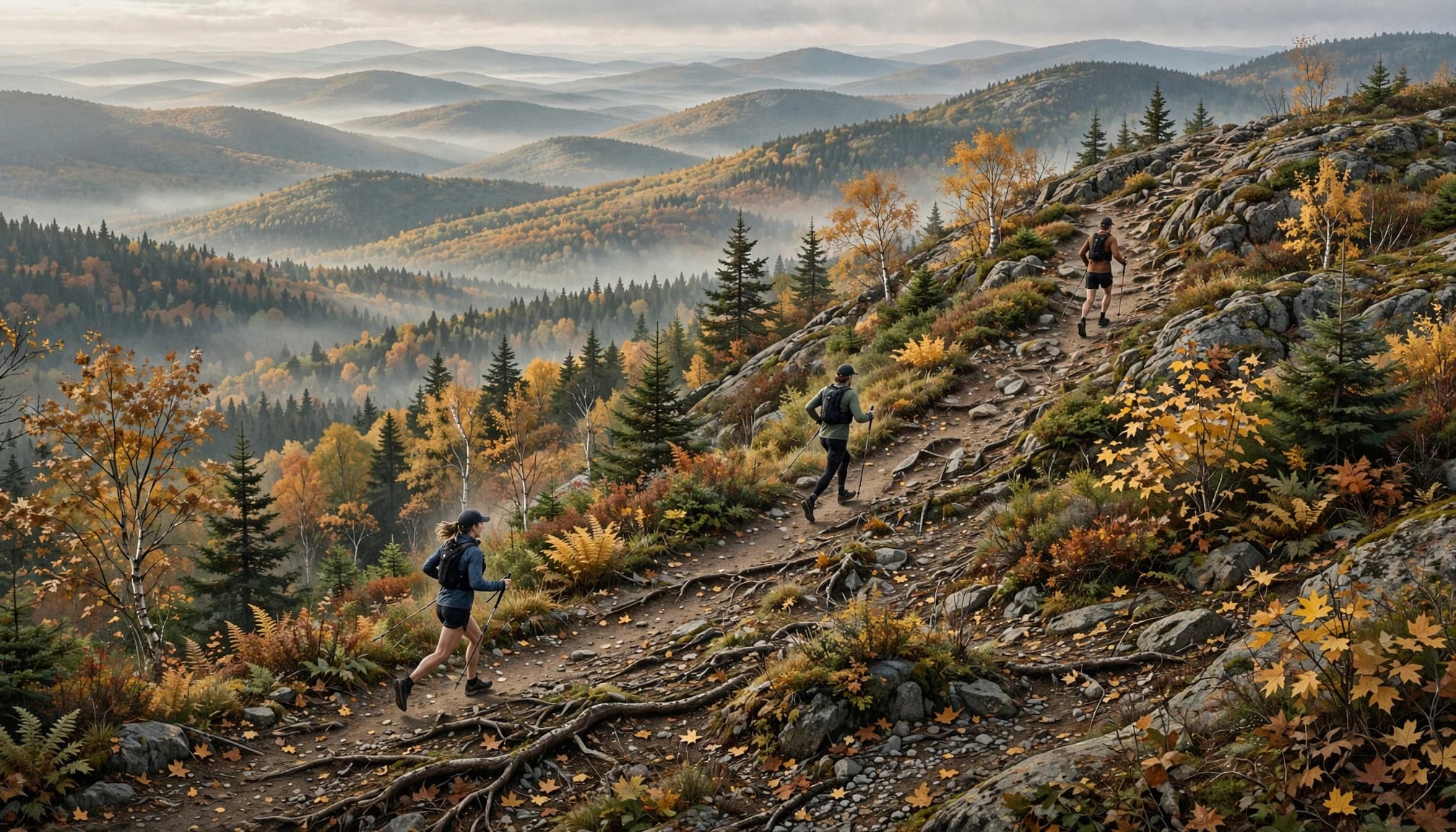
Choose a Vermont Trail Race by Distance, Terrain, and Experience
Choosing among trail races in Vermont takes more than matching a course to your preferred mileage. Consider your current fitness, trail experience, time to train, and the kind of challenge you want, then check the event’s latest details. Distances and course formats can change by event and year.
Pick a Distance You Can Train for Consistently
Shorter trail events can be a good first step if you’re new to racing off-road or have limited training time. A half-marathon-length race asks for more endurance, while a marathon or ultramarathon requires a longer, more structured build. Choose a distance you can prepare for consistently, not one that only sounds appealing on race day.
For a first trail race, set a manageable goal and build gradually. You might begin with a short event, learn how your body handles uneven ground, then work toward a longer course. If you already run road races, remember that familiar mileage may take longer on trails, especially when climbs and technical sections break up your pace.
Check the current event listing before you plan a training schedule. Organizers may offer different distances in different years, and a race name alone won’t tell you which options are available.
Read the Elevation Profile and Course Details Before You Register
Mileage gives only part of the picture. A shorter course with steep, sustained climbs, rocky footing, or frequent roots may take more effort than a longer route on rolling dirt roads. The trail-to-road mix matters, too, since road sections can change your pace and how your legs feel.
Before signing up, review the official course map and elevation profile. Look for total climbing, the length and steepness of major ascents, technical descents, and the location of aid stations. Then compare cutoff times with a realistic estimate of your pace, including time spent walking uphill or stopping at aid stations.
If a course description leaves out details, contact the organizer. Ask about footing, recent route changes, or how cutoffs work at specific checkpoints. That information can help you judge whether the race fits your experience and training.
Match the Event to Your Goals and Support Needs
Your goal should shape your choice. A first trail finish calls for a distance and course you can prepare for without rushing your training. If you want a faster effort, look for a route whose terrain suits your strengths. For a mountain challenge or an ultra, plan for longer training, slower climbs, and the logistics of spending more time on course.
Also confirm the event’s practical requirements before you register. Popular races may limit entries or fill early, while longer events may set rules for crew access and pacers. The Vermont 50, for example, explains where crew members may support participants in its race FAQs. Vermont 100 participants can check the current pacer and crew rules before arranging support.
Aid-station access and travel needs also affect your plan. Check what supplies the event provides, whether you must carry your own gear, and how far you’ll need to travel to the start. A race that fits your goals should also fit your schedule, preparation, and support plan.
Know What Vermont Trails and Seasons Can Throw at You
Trail races in Vermont ask runners to adapt to changing footing, elevation, and weather. Those conditions affect pace, gear, and training, so check the course details rather than relying on distance alone.
Expect Roots, Rocks, Mud, and Uneven Ground
A paved path offers fairly predictable footing. On Vermont trails, exposed roots, embedded rocks, muddy patches, and narrow singletrack can interrupt your stride and demand more attention. Some courses also use dirt roads, where the surface may feel smoother but can still turn soft or rutted after rain.
Conditions vary by course and recent weather. A wooded route may stay muddy after a wet week, while a dry dirt road can feel firm and fast. Even familiar trails can change underfoot, so practice on terrain that resembles the event. Include narrow paths and uneven surfaces in training, and learn to shorten your stride when footing gets rough.
Prepare for Climbs, Descents, and Changing Weather
Sustained climbs can slow your pace and raise the effort of a race, even when the mileage looks modest. Power hiking steep sections can save energy. Descents may feel easier at first, but repeated downhill running puts stress on the legs and can leave your quads tired later in the course. Practice both uphill effort and controlled downhill running before race day.
Weather depends on the event date, elevation, and forecast. Rain can make rocks slick and dirt trails muddy; cool conditions may feel comfortable while running, but can become uncomfortable during stops. Warm or humid weather raises the effort of climbs and makes hydration more important. Conditions can also shift during a race, especially on exposed or higher terrain. Check the forecast near race day, including the National Weather Service’s mountain forecasts, and read the organizer’s rules for required gear, cutoffs, and aid-station support.
Plan Training Around Vermont’s Race Calendar
Many trail races take place during warmer months or in fall, but dates vary by event and year. Build your schedule around the specific race date, leaving enough time to increase mileage, add hills gradually, and spend more time on trails. A road-running plan may not prepare your legs for technical descents or sustained climbing, so include terrain-specific practice as your training progresses.
Registration windows also differ. Popular events may fill quickly or use early registration periods, so check organizer announcements before you settle on travel plans. For example, the Slate Valley Epic event page posts its race and registration details. Dates and policies can change each year, so confirm the current listing before signing up.
Train and Pack for a Safe, Enjoyable Race Day
A good race-day experience starts with preparation that matches the course, not just its distance. Build fitness gradually, test your gear and fueling, and check the organizer’s latest rules before traveling.
Build Trail Fitness with Hills and Time on Your Feet
Increase your training gradually with easy runs, a weekly longer effort, hill practice, and recovery days. On Vermont’s uneven trails, effort and time on your feet often matter more than road pace. Include sustained climbs and controlled descents when possible, and walk steep hills during training if you expect to hike them on race day.
Keep most runs comfortable so you can recover and train consistently. Add strength work for your legs and core, then take rest days when your body needs them. REI’s guide to trail-running distance and endurance offers additional training ideas. If you have a health concern or are returning after an injury, seek guidance from a medical professional before increasing your training.
Choose Shoes and Gear for the Course, Not Just the Distance
Look for trail shoes with grip suited to the course and a fit that stays comfortable on descents. Test them on similar ground before race day, and avoid debuting new shoes during the event. Layers help you adapt to Vermont’s changing conditions; check the forecast and carry rain or warmth protection if the race rules or conditions call for it. Some events also require a headlamp.
A vest, belt, or handheld bottle should feel secure and comfortable at your expected pace. Before packing, read the race’s mandatory gear list, then test each item on training runs. A setup that works on a short jog may rub or bounce during a longer race.
Practice Fueling, Hydration, and Aid-Station Stops
Try the foods and fluids you plan to use during training, and adjust based on effort, weather, and what your stomach tolerates. Don’t wait until race day to test a new gel, drink mix, or bottle setup. For general guidance on planning food and water during a run, see REI’s trail-running endurance advice.
For longer races, study the aid-station list and note what each station provides. Carry personal supplies between stations if the course requires it, and confirm whether crew members can meet you along the route. If your energy or stomach feels off, slow down and reassess your plan; persistent or serious symptoms warrant attention from race staff.
Sort Out Registration, Travel, and Race-Morning Details
Before booking travel, confirm registration deadlines, bib pickup, start times, parking, lodging, course rules, and the organizer’s cancellation and weather policies. Check these details again close to race day, since event information can change. Arrive with enough time to pick up your bib, organize your gear, and reach the start without rushing.
Respect trail users and private property throughout the event. Follow marked routes, obey closures, and pack out your trash. The Leave No Trace principles offer practical guidance for minimizing your impact outdoors.
Frequently Asked Questions
A few race-day details depend on the specific event, so check the organizer’s current rules before you register or travel. These answers cover common questions that can shape your plans.
Can I hike during a trail race?
Yes. Many trail runners hike steep climbs to manage effort and save energy for later sections. Practice hiking uphill at a steady pace, especially if the course has sustained elevation gain. However, check cutoff times and aid-station closing times so you know how much time you have.
Should I use hiking poles in a Vermont trail race?
Poles can help on long, steep climbs, but they may slow you down on narrow or crowded trails. Some events restrict their use, so check the race rules before packing them. If poles are allowed, practice with them on similar terrain and learn to stow them securely when the trail gets busy.
Can I bring my dog to a trail race?
Don’t assume dogs are allowed on the course or at the start area. Race organizers may limit pets because of narrow trails, wildlife, or crowd safety, and venue rules can vary. Check the event’s current policy before bringing a dog, and arrange care elsewhere if the rules aren’t clear.
Can spectators meet runners along the course?
Spectator access depends on the event, and some races limit where friends and family can meet participants. For example, the Vermont 50’s spectator and crew guidance distinguishes spectators from crew and describes restrictions on contact during the race. Check the latest instructions before choosing a viewing spot, since access rules can affect parking and runner support.
What happens if weather makes the course unsafe?
Organizers decide whether to delay, change, or cancel an event based on conditions and course safety. Rain alone doesn’t always mean a race will change, but severe weather or hazardous footing may affect plans. Watch for updates from the race, keep your phone available, and review the event’s weather and cancellation policy before race weekend.
What’s the right way to pass someone on singletrack?
Give a clear, polite heads-up before passing, then wait for a wider section if the trail is narrow or uneven. The runner ahead may not hear you over the wind or other race noise, so leave enough space and avoid sudden moves. Follow any event-specific etiquette instructions, and stay on the marked trail when moving aside.
Conclusion
Trail races in Vermont offer a wide range of challenges, but distance alone doesn’t tell you what a course will demand. Terrain, elevation, weather, and your own trail experience all matter when choosing an event.
Start by selecting a race that fits your current fitness and gives you enough time to prepare. Then confirm the latest course, registration, and race-day details with the organizer, and build a steady training plan that includes hills and uneven trails.
With thoughtful preparation, you can enjoy the experience as much as the finish. Set a personal goal, take in Vermont’s trails, and let your first race or next challenge be one you’re ready to enjoy.


