

Trail Races in the USA: Epic Courses Worth the Dirt
Uneven ground shifts beneath your feet as the trail climbs, turns through the trees, and opens onto a new view. Around you, runners settle into the same rhythm, sharing the effort and the quiet of the outdoors.
Trail races in the USA range from welcoming local 5Ks to demanding mountain ultras, so there’s an event for many experience levels and goals. Still, distance alone doesn’t tell you how tough a course will feel: elevation, footing, weather, and race support all matter.
This running trails guide will help you understand the options, choose a race, even an ultra marathon, that fits your experience, and prepare for the terrain ahead. Be sure to check out the RunDreamAchieve YouTube channel for weekly running tips.
Key Takeaways
- Choose a first trail race that fits your current fitness, with a shorter distance often making a more manageable starting point.
- Look beyond mileage: elevation gain, steep descents, rocky footing, and narrow paths can make a short course demanding.
- Check the course map, surface, aid stations, cutoff times, and required gear before registering, then train for those conditions.
- Weather and altitude can change race-day difficulty, so review the event’s safety details and World Athletics trail-running guidance.
- Pick an event whose terrain and support match your experience, leaving room to enjoy the trail as well as finish.
What Makes Trail Races in the USA Different
Trail races can change character quickly. A route may leave a shaded path for exposed, uneven ground, so the setting, weather, footing, and race support shape your experience as much as the distance.
From forest paths to high-alpine routes
Across the United States, trail courses run through wooded singletrack, dry desert washes, coastal bluffs, and rocky mountain terrain. Some races stay within one landscape, while others cross several surfaces in a single event. A smooth stretch of dirt can give way to loose gravel, roots, mud, or steep rock, changing your pace and how carefully you place each step.
Weather also varies with location and elevation. A coastal race may bring wind or damp footing, while a desert course can expose runners to strong sun and heat. In the mountains, temperatures may drop as the route climbs, and thinner air can make a familiar effort feel harder. For a first race, look beyond scenic photos and read the course description for surface, exposure, and elevation changes.
Support differs, too. Shorter events may have a few aid stations, while longer races often place them at intervals along the route. Check what each station provides and whether the race expects you to carry water or other supplies between stops. Road runners accustomed to frequent course markers should also review the event’s navigation guidance.
Choose Your Distance, Duration and Goal Time
Make three quick selections and open the exact plan built for your race target.
Looking for a Fully Personalized Training Plan?
The training plans above are an excellent choice if they match your goal. However, if you’d rather train with a plan built specifically around your current fitness, goal race, preferred training days, weekly mileage, and target finish time, our RDA Custom Training Plans provide a personalized solution. We also have running courses available for runners seeking to run faster from the mile to the marathon.
Why Choose a Custom Training Plan?
| Standard Training Plan | RDA Custom Training Plan |
|---|---|
| Follows a fixed schedule | Built around your schedule |
| Standard weekly mileage | Peak mileage customized for you |
| Fixed workout days | Train on the days you choose |
| Same structure for everyone | Designed around your current fitness |
| Static plan | Updated as your fitness improves |
| One-time purchase | Ongoing personalized coaching and support |
What You’ll Receive
- A training plan built specifically for your goal
- Personalized training paces
- Long runs, tempo runs, threshold workouts, interval sessions, recovery runs, and easy runs
- Peak weekly mileage matched to your experience level
- Flexible training schedule that fits your life
- Ongoing plan adjustments as your fitness improves
Ready to Train Smarter?
Stop guessing and start following a plan built specifically for you, your schedule, and your racing goals.
Distance, elevation, and course markings matter
Trail events range from short races such as 5Ks and 10Ks to half marathons, marathons, 50Ks, 50-mile races, and 100-mile ultras. Yet mileage alone can mislead. A steep climb, a long descent, or technical footing can make a shorter course more demanding than a longer route on smoother ground.
Compare the total elevation gain and course profile with what you have run before. Also check cutoff times, which set the latest time you can reach the finish or pass certain aid stations. UltraSignup’s race-rule guidance explains that some events enforce aid-station cutoffs, so confirm the schedule before registering.
Finally, find out how the course is marked and whether you need to follow a map, GPX file, or other navigation instructions. Markings can be harder to spot at junctions or in poor weather. Choose a first event with clear directions and a cutoff that leaves a realistic margin for your pace.
Trail Races Across the USA: Regions and Standout Events
Trail races across the country offer very different tests of fitness and experience. Before choosing an event, consider the terrain and conditions you want to train for, not just the distance. These examples show how much a course can vary by region.
Northeast
Trail Races in Connecticut – Discover wooded singletrack, rolling hills, and scenic forest courses that challenge runners of all experience levels throughout Connecticut.
Trail Races in Maine – Explore rugged mountain paths, coastal trails, and wilderness running events surrounded by Maine’s spectacular natural landscapes.
Trail Races in Massachusetts – Find exciting off-road competitions featuring rocky climbs, woodland routes, and beautiful New England scenery.
Trail Races in New Hampshire – Take on challenging mountain ascents, technical descents, and unforgettable trail-running adventures across the Granite State.
Trail Races in New Jersey – Experience diverse trail competitions through state parks, forest preserves, and the rolling terrain of northern New Jersey.
Trail Races in New York – Browse trail-running events ranging from Adirondack mountain adventures to scenic races throughout the Hudson Valley.
Trail Races in Pennsylvania – Challenge yourself on rocky Appalachian trails, steep forest climbs, and endurance courses across Pennsylvania’s wilderness areas.
Trail Races in Rhode Island – Enjoy peaceful woodland paths, nature preserves, and accessible off-road events in the Ocean State.
Trail Races in Vermont – Discover breathtaking Green Mountain trails, challenging elevation changes, and picturesque courses through Vermont’s countryside.
Midwest
Trail Races in Illinois – Explore prairie pathways, forest preserves, and rolling off-road courses offering refreshing alternatives to traditional road racing.
Trail Races in Indiana – Find exciting trail-running events through wooded parks, limestone landscapes, and scenic natural areas throughout Indiana.
Trail Races in Iowa – Experience peaceful countryside trails, river valley routes, and surprisingly challenging hills across the Hawkeye State.
Trail Races in Kansas – Discover open prairie adventures, rugged Flint Hills terrain, and unique endurance competitions beneath expansive Midwestern skies.
Trail Races in Michigan – Race through beautiful pine forests, sandy trails, lakeside landscapes, and northern Michigan’s spectacular wilderness.
Trail Races in Minnesota – Explore technical woodland paths, challenging North Shore climbs, and memorable off-road races throughout the Land of 10,000 Lakes.
Trail Races in Missouri – Navigate rocky Ozark trails, forested ridgelines, and demanding courses that reward smart pacing and strong endurance.
Trail Races in Nebraska – Discover scenic grassland routes, rolling Sandhills landscapes, and welcoming trail events across Nebraska’s wide-open spaces.
Trail Races in North Dakota – Experience prairie running, Badlands scenery, and remote trails that offer a different kind of endurance challenge.
Trail Races in Ohio – Find rewarding trail competitions featuring wooded ravines, waterfall scenery, and challenging routes through Ohio’s state parks.
Trail Races in South Dakota – Conquer Black Hills climbs, rugged mountain paths, and spectacular courses showcasing South Dakota’s dramatic natural beauty.
Trail Races in Wisconsin – Explore forest singletrack, glacial terrain, and scenic lake-country trails while discovering memorable races throughout Wisconsin.
South
Trail Races in Alabama – Discover forest adventures, Appalachian foothill climbs, and scenic off-road events ideal for developing trail-running strength.
Trail Races in Arkansas – Challenge yourself on technical Ozark trails, steep mountain routes, and rugged endurance courses throughout the Natural State.
Trail Races in Delaware – Explore peaceful woodland loops, coastal nature trails, and beginner-friendly races across Delaware’s outdoor recreation areas.
Trail Races in Florida – Experience sandy singletrack, tropical forest scenery, and unique trail events where heat management becomes a valuable racing skill.
Trail Races in Georgia – Discover demanding North Georgia mountain courses, beautiful waterfall trails, and challenging woodland running adventures.
Trail Races in Kentucky – Race through rolling Appalachian foothills, limestone landscapes, and scenic forest trails filled with natural obstacles.
Trail Races in Louisiana – Explore bayou landscapes, pine forest routes, and distinctive off-road competitions across Louisiana’s diverse ecosystems.
Trail Races in Maryland – Find scenic trail races along wooded ridges, historic parklands, and the challenging terrain surrounding the Appalachian Trail.
Trail Races in Mississippi – Enjoy shaded pine trails, rolling woodland routes, and welcoming outdoor events throughout the Magnolia State.
Trail Races in North Carolina – Take on Blue Ridge Mountain climbs, technical forest descents, and breathtaking trail courses across western North Carolina.
Trail Races in Oklahoma – Discover rugged foothills, open grassland trails, and exciting endurance events that showcase Oklahoma’s varied terrain.
Trail Races in South Carolina – Explore coastal forest paths, rolling Piedmont trails, and challenging Upstate courses offering something for every trail runner.
Trail Races in Tennessee – Experience steep Appalachian climbs, rocky mountain trails, and unforgettable endurance challenges throughout the Volunteer State.
Trail Races in Texas – Discover Hill Country singletrack, rugged desert terrain, and expansive trail-running competitions across the Lone Star State.
Trail Races in Virginia – Navigate scenic Blue Ridge ridgelines, Shenandoah forest trails, and demanding mountain courses designed to test endurance.
Trail Races in West Virginia – Challenge yourself on steep Appalachian terrain, remote woodland trails, and spectacular mountain running routes.
West
Trail Races in Alaska – Experience extraordinary wilderness adventures featuring rugged mountain trails, breathtaking scenery, and remote endurance challenges.
Trail Races in Arizona – Discover desert singletrack, technical canyon routes, and high-elevation mountain courses across Arizona’s dramatic landscapes.
Trail Races in California – Explore everything from coastal redwood forests to Sierra Nevada mountain trails and challenging desert endurance competitions.
Trail Races in Colorado – Take on high-altitude climbs, alpine singletrack, and legendary mountain terrain while testing your endurance in the Rockies.
Trail Races in Hawaii – Experience lush tropical trails, volcanic landscapes, and demanding island courses featuring spectacular ocean and mountain views.
Trail Races in Idaho – Discover remote mountain pathways, beautiful river valleys, and rugged wilderness events throughout Idaho’s outdoor playgrounds.
Trail Races in Montana – Race through expansive mountain landscapes, pristine forest trails, and breathtaking Big Sky Country wilderness.
Trail Races in Nevada – Explore desert mountains, rocky ridgelines, and high-elevation trails offering demanding off-road adventures beyond the pavement.
Trail Races in New Mexico – Discover high-desert running, mountain singletrack, and scenic courses that combine challenging elevation with Southwest landscapes.
Trail Races in Oregon – Experience lush forest trails, volcanic mountain routes, and spectacular Pacific Northwest endurance events surrounded by natural beauty.
Trail Races in Utah – Conquer red-rock desert trails, dramatic canyon climbs, and challenging mountain races across Utah’s remarkable outdoor landscapes.
Trail Races in Washington – Explore Cascade Mountain singletrack, evergreen forests, and rugged alpine routes offering unforgettable trail-running experiences.
Trail Races in Wyoming – Discover high-country adventures, remote wilderness trails, and demanding mountain courses beneath Wyoming’s expansive skies.
Western mountain races built around big climbs
In the West, mountain races often combine long climbs, rocky trails, and thin air. The Western States 100 crosses the Sierra Nevada foothills, while the Leadville Trail 100 starts at 10,200 feet and puts altitude at the center of the challenge. Hardrock 100 takes runners into Colorado’s San Juan Mountains, and the Pikes Peak Ascent or Marathon climbs high above Colorado Springs.
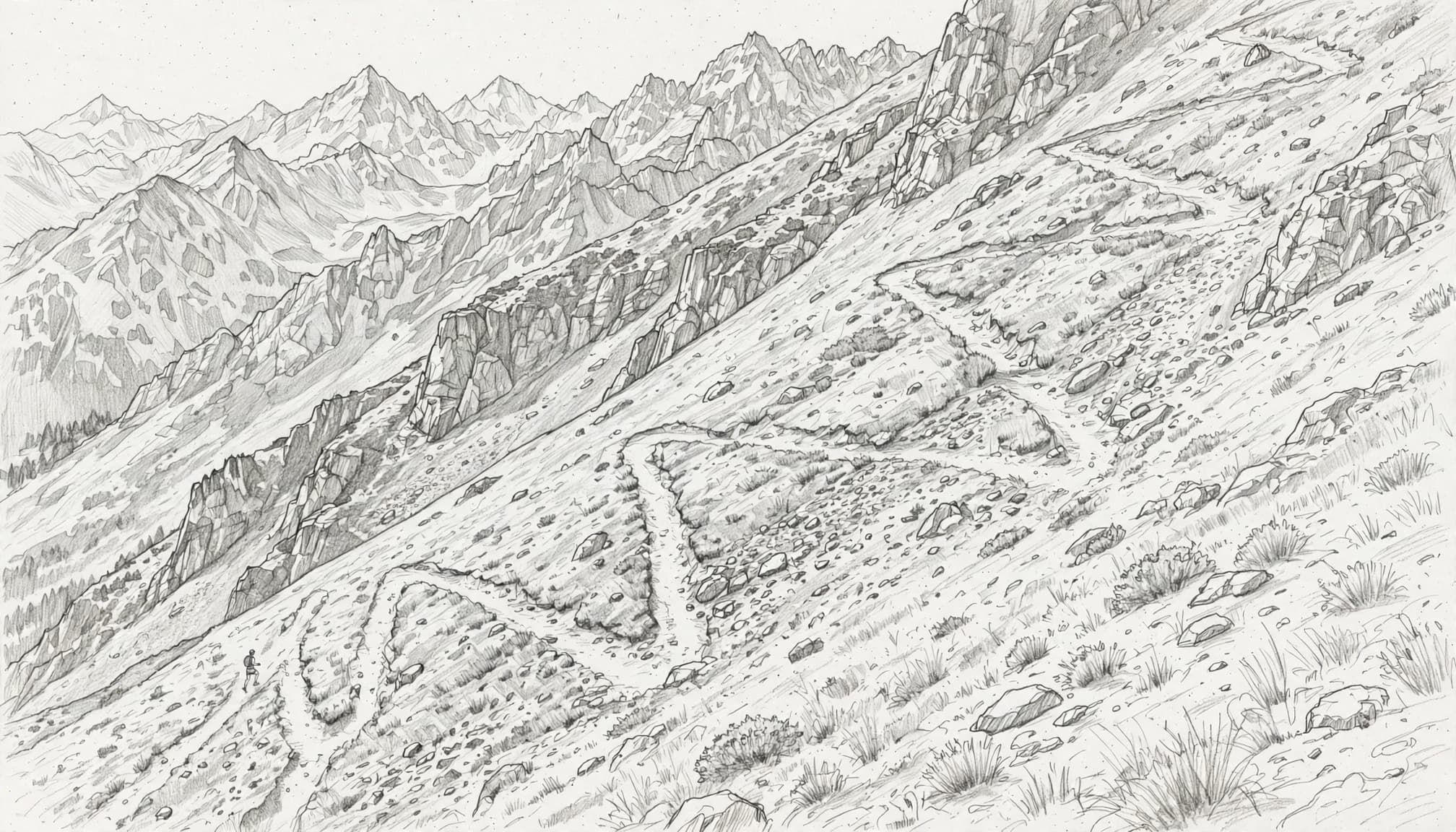
Even a well-trained runner may feel the effects of altitude, especially when climbing hard or racing above their usual elevation. Study the course profile and elevation, then choose a race whose demands match your experience.
Desert, canyon, and Southwest challenges
Southwest courses trade alpine climbs for sun, dry air, and exposed trails. The Javelina Jundred runs through Arizona desert terrain, while Black Canyon Ultras takes runners across rugged stretches of central Arizona. Both events can make heat management and steady pacing important parts of race-day preparation.
Water planning matters, too. Check how far apart aid stations sit, what they provide, and whether you need to carry fluids between them. A shaded training route may not prepare you for hours in direct sun, so consider exposure when selecting an event.
East Coast, Midwest, and Pacific Northwest favorites
The best-known Western ultras are only one part of the U.S. trail calendar. The JFK 50 Mile in Maryland includes Appalachian Trail terrain, offering a taste of East Coast ridges and woods. In California, the Broken Arrow Skyrace brings runners into steep Sierra Nevada mountain terrain.
Oregon’s Gorge Waerfalls features forested trails in the Columbia River Gorge. Across the Midwest and East, local events add wooded singletrack, rolling hills, and root-covered paths to the mix. Compare each course’s surface and elevation with the trails you can train on regularly. A familiar landscape can make a first race easier to prepare for, even when the course still brings a challenge.
How to Choose a Trail Race That Fits Your Goals
The right first trail race should stretch your ability without asking you to guess your way through unfamiliar conditions. Start with why you want to race, then compare the course, support, and travel demands with the time you have to prepare.
Match the distance and terrain to your experience
Choose a distance you can train for consistently, with enough time to build trail-specific strength. A shorter event can still feel demanding when it includes steep climbs, rocky descents, or narrow, root-covered paths. Your road pace and longest road race offer useful context, but they don’t show how comfortable you are moving over uneven ground.
Before signing up, study the elevation profile and course surface. Check the race’s altitude, expected climate, and cutoff times, too. For example, a runner who handles a road half marathon well may need more preparation for a shorter mountain course with sustained climbing. A good challenge asks you to develop skills and fitness; an unsafe leap in difficulty leaves too little time to prepare for the terrain or conditions.
Pick a race that supports your reason for participating. If your goal is to finish comfortably, prioritize a manageable course and generous cutoffs. If you want a tougher test, choose one demanding feature to work toward, such as climbing or technical footing, rather than adding several new challenges at once.
Compare race size, support, and entry requirements
Small community events often offer a relaxed atmosphere and simpler logistics. Larger destination races may provide a bigger race-day experience, but they can also require more planning. In either case, check aid-station spacing, what supplies stations provide, and what you must carry between them. Review gear rules carefully; some races require items such as a water container or weather protection. Daybreak Racing’s race rules show how event policies can cover runner support and aid-station access.
Entry can take extra steps, too. Popular races may use lotteries, qualifying standards, or specific registration windows, so confirm the current requirements before building your plans around one event. Then add travel time, lodging, transportation to the start, and the cost of a possible extra night if race schedules make same-day travel impractical.
Race policies can change from year to year. Read the current event rules and runner guide before registering, and contact the organizer if course details or required gear are unclear. A race that fits your goals should also fit your preparation time and practical plans.
Train for Trails Without Guessing at the Climb
Trail-specific preparation helps turn course details into a practical training plan. Build fitness gradually, keep most runs comfortable, and add terrain and effort that match the event you chose. Consistency matters more than cramming in hard workouts.
Build endurance and strength for uneven ground
Keep most weekly runs at an easy aerobic effort, where you can speak in short sentences. This steady work builds endurance without turning every run into a test. Gradually extend your long run, increasing time on your feet at a pace that still allows recovery. The right long-run length depends on your race distance, current fitness, and schedule.
Add hills in small doses. Start with gentle inclines or short uphill repeats, then build toward longer climbs if your race demands them. When hills are scarce, a treadmill incline or stairs can provide useful climbing practice. Strength work also helps prepare your legs, hips, and core for repeated changes in grade and footing. Squats, step-ups, lunges, and controlled calf raises are practical options; follow ACSM’s resistance-training guidance for general strength principles.
On steep climbs, hiking is a race skill, not a failure to run. Practice brisk power hiking with short steps and steady effort, then return to running when the grade eases. That choice can help you manage effort across the full course.
Practice descents, footing, and trail judgment
Downhills ask your legs to absorb repeated impact, so practice them with control. Begin on a moderate slope with predictable footing. Keep your stride relaxed and quick, and avoid charging downhill before your balance and confidence are ready. Gradually add steeper or rougher terrain as your skills improve.
Look several steps ahead rather than staring at the ground directly under your shoes. That gives you time to choose a safe line around roots, loose rocks, and sharp turns. Practice on terrain similar to race day when possible, but increase technical exposure gradually. A short, familiar trail is a better starting point than a long descent packed with obstacles.
Test race-day pacing, fueling, and hydration
Road pace won’t reliably predict trail pace. Climbs, descents, and technical sections change how quickly you cover ground, so train by effort as well as time. On long runs, practice a sustainable rhythm you could maintain late in the race, including switching to a hike before a climb leaves you exhausted.
Use these sessions to test the food, fluids, and required gear you expect to carry. Your needs vary with distance, weather, intensity, and individual tolerance. The American College of Sports Medicine’s hydration guidance discusses fluid needs around exercise; practice a plan that suits your training and the race conditions rather than relying on a fixed amount for every runner.
Gear, Safety, and Trail Etiquette for Race Day
Race-day preparation means carrying what the course requires and choosing optional gear for the conditions you expect. Check the runner guide before you pack, since requirements vary by distance, weather, and terrain.
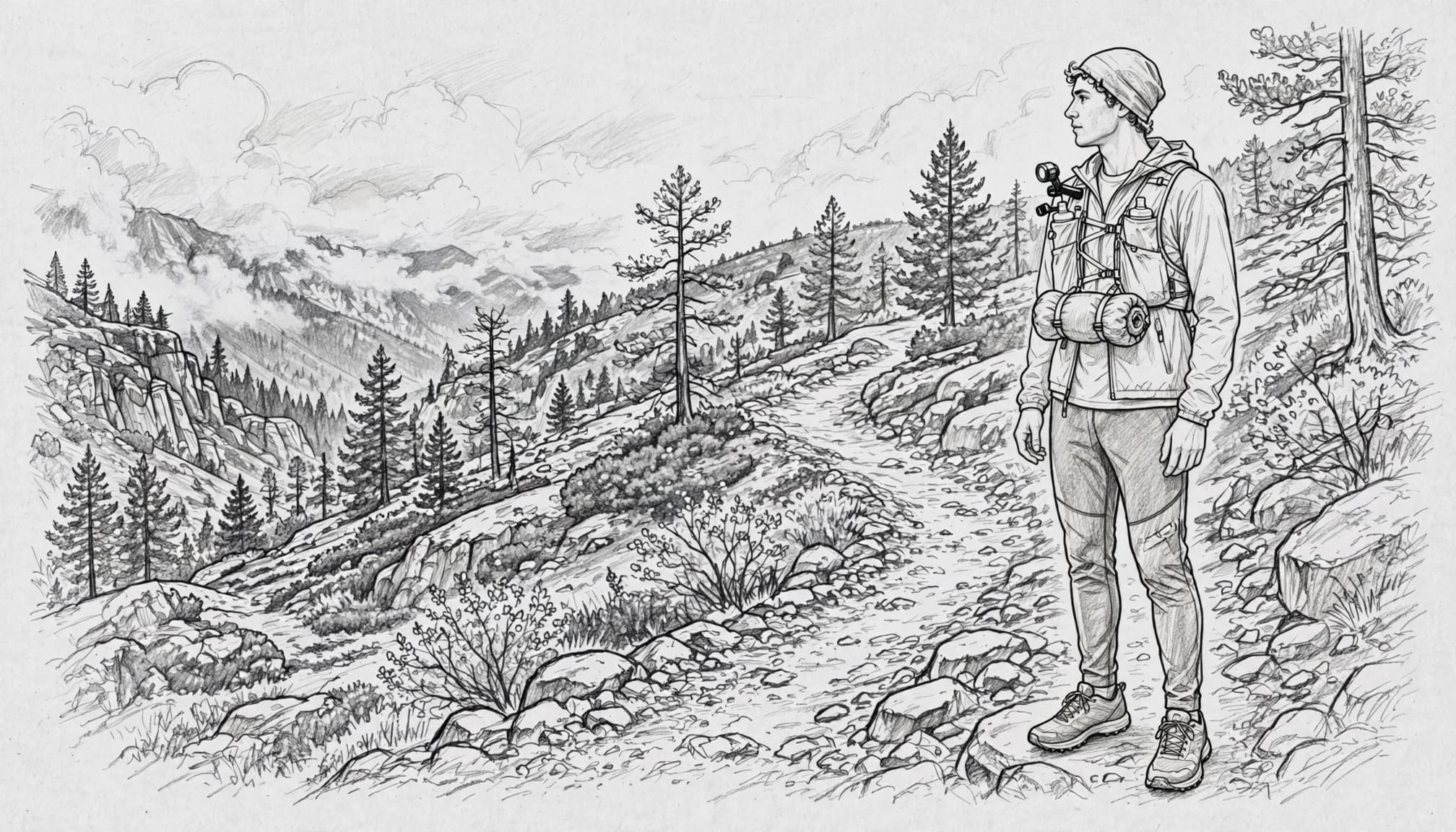
Pack for weather, terrain, and aid station gaps
Choose trail shoes that suit the surface. Grippy tread can help on loose or muddy paths, while a more moderate sole may feel better on firm dirt. Wear shoes you have tested on similar terrain, not a brand-new pair on race morning.
Next, check the forecast and course exposure. A light layer, hat, sunglasses, or rain shell may be useful, but the event’s gear list determines what you must carry. Some trail races require a headlamp, emergency layer, or navigation device, even when the forecast looks mild. The National Park Service’s day-hike preparation guidance also recommends protective clothing and layers for changing weather.
Carry a charged phone, and know whether the race requires it to remain on during the event. If aid stations are far apart, bring a hydration vest or handheld bottle with enough capacity for that gap. A familiar setup is easier to manage than new gear, so test optional items on training runs.
Know when to slow down, stop, or ask for help
A slower pace is sensible when heat, footing, or fatigue makes your steps less controlled. Stop and seek help if you develop worsening confusion, severe pain, faintness, or signs of heat illness such as unusual weakness or loss of coordination. Heat stroke is a medical emergency, as the National Park Service’s heat-safety guidance explains.
Before the start, learn the course plan, aid station locations, cutoff times, and emergency procedures. Know how to contact race staff and what to do if you leave the marked course or cannot continue. If a symptom feels serious, tell a volunteer or another runner rather than trying to push through alone.
Share the trail and leave the course as you found it
On narrow paths, communicate before passing and yield when needed, especially where the trail is steep or footing is unstable. Follow course markings, but remain courteous to hikers and other trail users who are not part of the race. Volunteers direct runners and manage aid stations, so follow their instructions and thank them when you can.
Carry wrappers and other trash to an aid station or the finish. American Hiking Society’s trail etiquette guidance recommends packing out what you bring in. Local land rules and the race’s current instructions take priority, so read both before race day.
Frequently Asked Questions
Choosing a first trail race often raises practical questions that course descriptions don’t answer. These quick answers can help you decide what to expect and how to prepare.
Are trail races suitable for beginners?
Yes. Many trail races welcome new runners, but choose a shorter event with clear course markings and reliable support. Before race day, spend time on local trails so uneven footing, roots, and turns feel familiar rather than surprising.
Do I need to run every hill in a trail race?
No. Hiking steep climbs is common, even among experienced trail runners, and it can help you manage effort instead of pushing too hard early. Practice brisk hiking in training, then resume running when the slope eases and your breathing settles.
How do I find trail races near me?
Start with local running clubs, parks, regional race calendars, and event organizers. The American Trail Running Association race calendar lists trail events, while the RRCA event finder can help you locate races by state and distance. Before registering, review the course surface, elevation, aid stations, and cutoff times.
Are trail races harder than road races?
It depends on the course and the runner. Rocky footing, steep climbs, heat, or altitude can make a trail event demanding, while a short, smooth trail may feel easier than a long road race. Compare conditions and distance with your own experience, not just the race label.
What should I eat during a trail race?
Choose familiar foods you have tested during long training runs, such as gels, chews, or other easy-to-carry options. Your plan depends on the race length, pace, weather, and what your stomach tolerates, so avoid trying a new food on race day.
Conclusion
Trail racing offers many ways to challenge yourself, from a local forest loop to a rugged ultra. The best first event matches your current experience while giving you a clear, realistic goal to work toward.
Before you register, look beyond the race distance. Study the elevation, footing, weather, aid stations, and cutoff times, then train on terrain that reflects the course. Build your fitness gradually, practice managing climbs and descents, and use gear and fueling you already know.
On race day, take care of yourself by adjusting your effort to the conditions and asking for help when you need it. Take care of the trails, too: follow course markings and pack out your trash, in keeping with Leave No Trace principles.
Choose a course that excites you and fits the preparation you can commit to. Then pick your first or next trail race, make a plan, and enjoy the miles ahead.


