

Suunto Run for Half Marathon Training: What to Expect
Standing on the starting line of 13.1 miles demands respect, sweat, and a plan that bridges the gap between ambition and race day. You don’t just wake up and run a half marathon. You build your endurance brick by brick over months of early mornings and relentless mileage. When you commit to Suunto Run for Half Marathon Training, you aren’t just guessing your pace. You’re using advanced sports watch technology to track your progress, monitor your recovery, and turn chaotic miles into a precise science.
Why Suunto Run for Half Marathon Training Works So Real
Training for 13.1 miles requires absolute trust in your gear. When you rely on Suunto Run for Half Marathon Training, you eliminate the guesswork that often ruins race strategies. Every training block demands consistency, and having the right tools strapped to your wrist changes how you absorb fatigue and chase splits.
Pinpointing Your Pace with Precision GPS
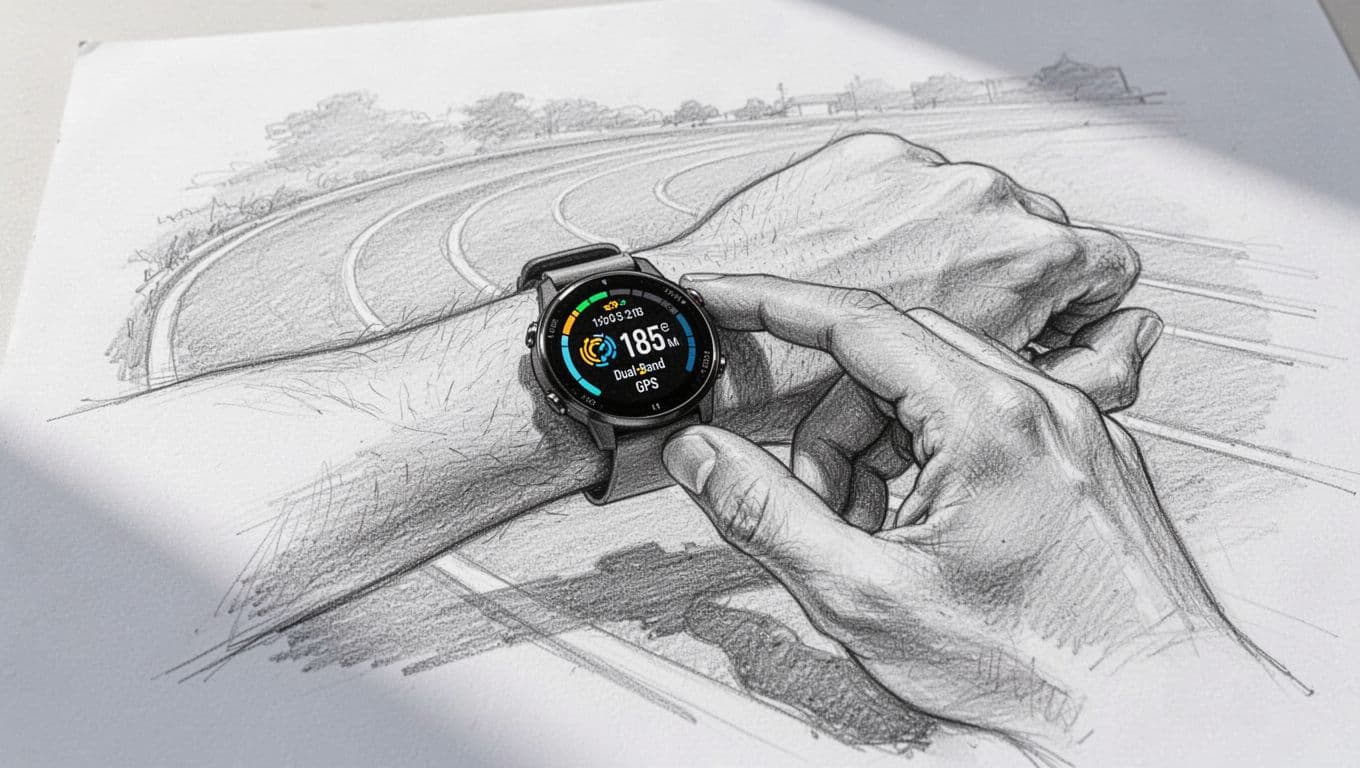 When you hit the track for interval repeats, every second matters. Dual-band technology cuts through interference from tall buildings and heavy tree cover. You get exact location data instead of erratic pacing spikes.
Maintaining steady splits during speed work and long weekend efforts becomes much easier when your wrist doesn’t lag. If your watch tells you you are running at a seven-minute pace, you can trust that number implicitly. You can check out the Suunto Run All Black overview to see how these tracking systems operate under heavy satellite loads. This accuracy prevents you from burning out too early in a hard training session.
Battery Life That Outlasts Your Longest Weekend Runs
An unexpected shutdown in the middle of a twenty-miler destroys your morale. Modern athletes need hardware that keeps up with massive weekly mileage without constant charging. The internal cell handles heavy satellite tracking without quitting on you before you cross the finish line.
You can log your daily miles and track your sleep health all week long without hunting for a charger. For a closer look at the technical specs, review this detailed SUUNTO Run sports watch listing to understand its power management. Charging reliability means you just grab your watch and head out the door.
Setting Up Your Watch for Success Before Week One
Preparing your equipment before your first official training run saves you from scrambling on the road. When you pull your new sports watch out of the box, charge the battery to maximum capacity and download the companion app immediately. Modern endurance tools require firmware updates and satellite data refreshes before they deliver pinpoint accuracy. Taking care of these small technical tasks now ensures your hardware functions smoothly when you step outside for your opening baseline test.
Customizing Data Screens to Watch Your Metrics
During a long endurance block, your wrist becomes your personal dashboard. You want to see the numbers that dictate your physical output without squinting or breaking your stride. Your current pace, heart rate, and elapsed distance deserve the most prominent positions on your primary display.
- Current pace: Keep this metric front and center so you can adjust your speed instantly during tempo runs.
- Heart rate: Monitor this field to ensure your easy recovery days stay truly easy.
- Elapsed distance: Track this metric to measure your overall progress against your weekly mileage goals.
Setting up these fields correctly prevents you from second-guessing your effort levels mid-stride. You want glanceable data that answers your questions instantly. If your heart rate spikes above your aerobic threshold, your watch should tell you right away so you can back off before fatigue ruins your day.
Syncing with Training Platforms and Apps
After you finish a grueling twenty-miler, you need a reliable way to review your numbers and track your overall fatigue. Connecting your device to third-party training logs automates this entire post-run routine. Once your watch pairs with your phone via Bluetooth, every completed session transfers automatically into your digital ecosystem.
You can analyze your cadence, elevation gain, and heart rate zones on a larger screen within minutes of walking through your front door. This seamless data transfer helps you spot lingering injury risks and recovery deficits before they derail your schedule. Reviewing these logs consistently also builds your confidence because you watch your aerobic engine grow stronger week after week.
Building a Solid 16 Week Schedule Using Your Watch
Base Building and Easy Aerobic Runs
Your sixteen-week journey begins with patience, not speed. During the first month of training, your primary goal is building capillary density and teaching your heart to pump efficiently without stress.
Many runners ruin this phase by running too fast on days designated for recovery. Your watch acts as an objective truth-teller when your ego wants to push the pace. Set your heart rate zones on your device according to your actual lactate threshold test, rather than relying on the outdated age-minus-220 formula.
When you head out for an easy aerobic effort, configure your screen to show your current heart rate zone prominently. If your training plan specifies Zone Two, your watch should alert you the moment your pulse drifts into Zone Three. Slow your cadence or take a walk break until the hardware confirms your recovery. This disciplined restraint builds the cardiovascular foundation you need for the harder miles ahead.
Executing Tempo Runs and Speed Intervals
Once your aerobic base is established, your schedule introduces sharper, more demanding stimulus. Tempo runs and interval repeats teach your body to clear lactate efficiently while running at race pace. Doing this manually leads to erratic splits because fatigue clouds your internal clock. Program your workouts directly into your watch using the interval timer feature before you leave the house.
Input your warm-up duration, the exact work interval distance or time, and your recovery jog parameters. Your device vibrates and sounds an alarm when it is time to shift gears.
- Warm-up phase: Jog slowly for ten to fifteen minutes until your muscles feel loose and responsive.
- Work interval: Push your pace to your designated threshold speed the moment your watch signals the transition.
- Recovery float: Jog slowly during the rest period to bring your heart rate down before the next repeat.
This automated structure removes mental hesitation when your legs begin to burn. You simply react to the vibration on your wrist and execute the split.
Mastering the Weekly Long Run
The Sunday long run is the cornerstone of your half marathon preparation. Every week, this distance stretches slightly further, testing both your physical endurance and your mental resolve. As your time on your feet climbs past ninety minutes, hydration and caloric intake dictate whether you finish strong or crawl to the finish. Program hourly nutrition reminders directly into your watch settings.
When the alert buzzes at the sixty-minute mark, take your gel and wash it down with water. Pacing strategy during this effort matters just as much as fueling. Start the first two miles significantly slower than your target race pace to conserve glycogen. Your watch displays your rolling average pace, so check it frequently to ensure you aren’t sprinting out of the gate. Finish the final two miles at a strong, steady rhythm if your legs permit, simulating the fatigue you will face on race morning.
Listening to Your Body and Managing Recovery
Your sixteen-week journey to the starting line relies just as much on rest as it does on hard miles. Pushing forward without adequate downtime destroys your muscle tissue and halts aerobic progress. When you integrate your training gear with intuitive rest strategies, you protect your body from repetitive strain.
Using Sleep Metrics to Gauge Readiness
Overnight biometric data tells you the unvarnished truth about your current physical state. Your watch monitors your resting heart rate, heart rate variability, and total sleep duration while you rest. When your heart rate drops into its lowest baseline and your variability climbs, your nervous system is recovering efficiently.
If your metrics show elevated stress and poor sleep quality, your body is still fighting to repair the damage from your previous workout. Running hard on a depleted system invites injury and mental burnout. Instead of forcing a speed session on a low readiness score, pivot to an easy recovery jog or take a complete rest day. Listening to these internal signals keeps your training block moving forward without sudden interruptions.
Recognizing Signs of Fatigue Early
Overtraining sneaks up on endurance athletes through subtle physical and mental changes. Persistent muscle soreness, irritability, and elevated morning pulse rates signal that your recovery routine needs immediate attention. Adjusting your schedule before exhaustion turns into a full-blown injury requires discipline and honesty.
When your legs feel heavy for three consecutive days, scale back your mileage and prioritize extra sleep. You won’t lose your hard-earned endurance by taking an extra recovery day. In fact, your muscles rebuild themselves during periods of rest, making you stronger for the challenges ahead. Pay close attention to how your body responds to heavy training blocks, and use your device data to make smart adjustments before fatigue takes over.
Race Day Execution and Pacing Strategies
Your hard work over the training block culminates in the starting corral, where adrenaline can easily derail months of preparation. Having the right device on your wrist prevents you from running too fast too soon, keeping your heart rate anchored to reality when the gun goes off.
Avoiding the Early Race Adrenaline Trap
Thousands of runners sprint through the opening mile simply because the crowd pushes them along. That sudden surge floods your muscles with lactate before you even settle into a rhythm. Checking your splits in the first two miles is the ultimate safeguard against this common mistake.
Your watch serves as an objective reality check when excitement clouds your internal judgment. Glance down at your display after the first half mile to verify that your current pace matches your pre-planned target. If the numbers creep too fast, back off immediately and let the impatient runners pull ahead. Saving your energy early ensures your legs still function properly when you climb the hills around mile ten.
Managing Nutrition and Hydration on Course
Failing to fuel properly during a 13.1-mile race leads to a dramatic wall of fatigue around the tenth mile. You cannot rely on memory alone to remind you when to take gels or drink water while your mind focuses on maintaining your speed. Setting up vibrating alerts for taking gels and drinking water on your device removes the mental load entirely.
Program custom interval timers into your hardware before leaving the house so they buzz automatically at specific distance markers or time intervals. When your wrist vibrates at the forty-minute mark, take your preferred carbohydrate gel and wash it down at the next aid station. This structured approach keeps your glycogen stores stable from start to finish.
- First fuel alert: Program your watch to buzz at forty-five minutes to take your initial energy gel.
- Hydration reminder: Set a repeating alert every twenty minutes to sip water or electrolyte fluids.
- Final push notification: Schedule a final alert at mile ten to signal your final gel before the finishing stretch.
Automating these reminders prevents dehydration and bonking when physical exhaustion sets in. You simply respond to the physical cue on your arm, consume your fuel, and keep driving toward the finish line.
Conclusion
Success over thirteen point one miles demands more than raw effort because it requires consistent execution and reliable tools. When you use a Suunto Run for Half Marathon Training, you replace doubt with concrete data and disciplined pacing.
Trust your sixteen-week preparation, lean on your watch when race morning adrenaline hits, and run your own race from the starting horn to the final chute.


