
Calf Pain from Dehydration
Back to Running and Injuries
You’ve felt it before: a sudden, sharp tightness in your calf mid-run, or that jolt waking you at night. It’s frustrating, halts your workout cold, disrupts sleep, and might hint at something more serious. Calf pain from dehydration often strikes like this, with cramps, soreness, or persistent aches that linger.
Dehydration throws off your electrolytes, sparking those muscle spasms right in the calves. You’ll learn here how it triggers cramps, signs it’s the culprit, quick fixes to ease it now, smart prevention steps, and when to call a doctor. Stick around for practical ways to get back on track fast.
Why dehydration can cause calf pain and cramps
Dehydration sneaks up during runs, hikes, or hot workouts and turns your calves against you. It reduces fluid levels in your body, which messes with muscle function and sparks calf pain from dehydration. Runners and athletes often feel this first in the calves because those muscles work overtime. You might notice cramps that hit suddenly or soreness that builds over time.

Photo by Kindel Media
Water loss, sweat, and what happens inside the calf muscle
You sweat to cool off during exercise. Each drop carries water and salts out of your body. If you don’t replace that water fast enough, dehydration sets in.
Your blood volume drops first. Think of it like a river running low; less water means slower flow. This cuts circulation to your muscles. Your calves, which pump hard with every step, struggle to get oxygen and nutrients.
Muscles get irritable without steady supplies. They fatigue quicker and cramp up. During activity, the calf needs constant fluid to contract smoothly. Less fluid available means poor delivery, so spasms strike. Studies show dehydrated athletes report more muscle cramps, especially in the legs.
Electrolytes and calf cramps: sodium, potassium, and magnesium in plain language
Electrolytes act like sparks for your muscles. These minerals carry electrical charges that tell nerves to fire and muscles to contract or relax.
Sodium leads the pack. You lose the most of it in sweat, up to 3,500 mg per hour for heavy sweaters. Low sodium disrupts nerve signals to the calf, causing cramps. That’s why salty snacks help runners bounce back.
Potassium keeps contractions balanced. It works inside cells, pulled from bananas or potatoes. Magnesium aids relaxation; nuts and greens provide it. All three matter, but sodium loss hits hardest during sweat-heavy efforts.
Don’t rush to supplements. Food and balanced drinks often fix it. Overdoing pills can upset your stomach without proven gains for cramps.
Here’s what each does simply:
- Sodium: Triggers muscle action from nerves.
- Potassium: Helps muscles reset after flexing.
- Magnesium: Eases tension to prevent locks.
Why plain water is sometimes not enough
Water refills your tank, but it misses the salts you sweat out. For short, easy efforts, plain water works fine. Push into longer runs, heat, or high intensity, and you need more.
Your body dilutes blood sodium if you chug water alone. This imbalance worsens cramps for some. Endurance athletes see this in marathons; symptoms spike without electrolyte top-ups.
Aim for fluids with 300-700 mg sodium per liter during tough sessions. Sports drinks, coconut water, or a pinch of salt in your bottle do the trick. Listen to your sweat rate. If shirts crust with white salt marks, add electrolytes.
Start small to avoid stomach issues. Test in training, not races. This combo keeps calves happy and pain-free.
Signs your calf pain is likely from dehydration (and signs it might be something else)
Calf pain hits hard, but dehydration often leaves clear clues alongside it. You spot these signs quickly, especially after sweaty efforts. Match them to your symptoms, and you can act fast to ease calf pain from dehydration. Other signals point to strains or worse, so know the difference.
Common dehydration clues you can notice the same day
Dehydration builds fast in heat or long sessions. These signs pop up hours after poor hydration and raise your risk for calf cramps. Low fluids thicken blood and disrupt electrolyte signals, making calves seize up during strides or at rest.
Watch for these telltale markers:
- Strong thirst: Your body screams for water. Ignore it, and calves cramp as muscles beg for fluids.
- Dry mouth: Sticky saliva means overall dryness. It pairs with calf tightness from poor muscle lubrication.
- Darker urine: Yellow turns amber or orange. Less water concentrates waste, signaling the fluid drop that sparks spasms.
- Peeing less: Trips to the bathroom drop. Kidneys conserve what little you have, leaving muscles parched and prone to knots.
- Dizziness: Lightheaded spells hit on stands or turns. Reduced blood flow starves calves of oxygen, triggering cramps mid-move.
- Headache: Throbbing pressure builds. It stems from low volume, much like the imbalance cramping your lower legs.
- High heart rate on easy effort: Pulse races during light jogs. Heart works overtime for dry vessels, tiring calves quicker.
- Feeling flat: No energy, heavy legs. Overall fatigue amps cramp odds as muscles falter.
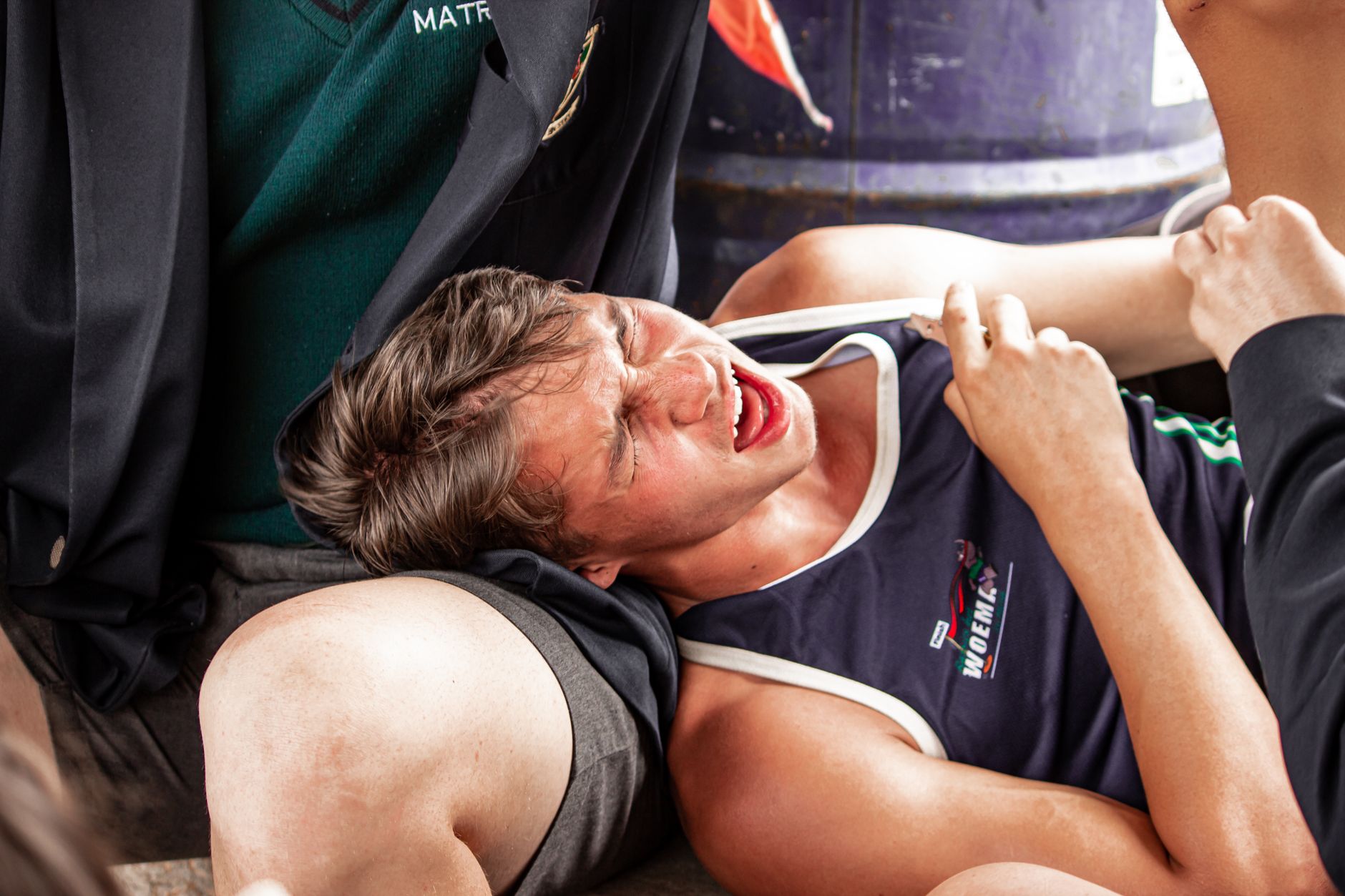
Photo by Johann Van der Linde
Track urine color first; it’s the simplest check. Drink up if two or more signs match your calf twinges. For more on how this ties to cramps, check this Medical News Today piece.
How dehydration cramps usually feel compared to a calf strain
Dehydration cramps grab suddenly but often release with care. They stem from fluid gaps, not tears. Calf strains tear fibers from overload. Spot the feel to guide your next steps.
Dehydration versions tighten into a knot without warning. They pulse and fade, hitting both legs at times. Fluids plus stretches often loosen them in minutes. Walk it off gently; pain eases as you sip.
Strains deliver a sharp stab, often after a “pop” on push-off. Bruising swells in, pain lingers on steps or flexes. One spot stays tender to touch.
| Feature | Dehydration Cramp | Calf Strain |
|---|---|---|
| Onset | Sudden during or post-activity | Sharp after force or stretch |
| Pain Type | Tightening, knot that releases | Stabbing, constant ache |
| Location | Whole calf or both legs | Specific tender spot |
| Other Signs | Improves with water/stretch | Bruising, swelling, walk hurts |
| Duration | Comes/goes, minutes to hours | Days to weeks |
Stop activity if pain sticks or worsens. Rest both cases, but strains need ice and no weight. Learn more about strains at Cleveland Clinic’s guide.
Red flags: when calf pain is not “just dehydration”
Some calf pains demand a doctor now. These warn of clots, infections, or tears. Dehydration cramps ease with rest and drinks; these don’t.
Rush for care if you see:
- One calf swells: Sudden puffiness in just one leg screams clot risk.
- Warmth or redness: Hot, flushed skin over the calf points to inflammation or deep vein thrombosis.
- Constant, worsening pain: No relief from fluids or stretches means deeper trouble.
- Shortness of breath or chest pain: Clot may have traveled; call emergency services.
- Fever: Infection brews alongside pain.
- Can’t bear weight: Buckling leg signals tear or nerve issue.
- Severe weakness or numbness: Loss of control hints at nerve pinch or clot.
- Pain after injury: Twist or hit changes everything.
Don’t wait. Head to urgent care or ER. Mayo Clinic details DVT signs here. Early checks save serious hassle.
What to do right now for calf pain from dehydration
Calf pain from dehydration hits hard and fast. You need to act quick to stop the spasm and start recovery. These steps ease the tightness right away and get fluids back in your system. Follow them in order for the best relief.
Immediate steps: stop, reset, and gently stretch
Stop moving first. Sit or lie down to take pressure off the calf. Breathe deep a few times to calm your nerves and muscles.
Next, try a gentle stretch. For the wall stretch, face a wall, place hands on it, and step the sore leg back. Keep the heel down, knee straight, and lean forward until you feel a mild pull in the calf. Hold 20-30 seconds, no bouncing, which can worsen tears.
If you’re seated, grab the towel stretch. Loop a towel or belt around the ball of your foot. Sit tall, pull the towel toward you with legs straight. Hold steady, breathe easy, repeat 2-3 times.
Light walking helps some people loosen the knot, but skip it if pain sharpens. Massage the calf softly with your hands or a foam roller only if it feels good. Press gently in circles; stop if it hurts more.

Photo by Nadin Sh
Rehydration that works: fluids plus electrolytes
Plain water helps, but add electrolytes to fix the imbalance fast. Dehydration cramps stem from lost salts, so replace them.
Grab a sports drink for quick sodium and potassium. Or drop an electrolyte tablet in water; they dissolve easy and taste decent. Pair water with salty snacks like pretzels or nuts. Warm broth works too, especially if your stomach feels off.
Sip steadily instead of gulping. Start with small amounts every few minutes and check how you feel. Heavy sweaters lose more sodium, so lean toward saltier options if you see white crust on your clothes after runs. For more on this, see Healthline’s guide to dehydration cramps.
Test the best recovery drink next time; it packs carbs, protein, and salts to speed relief.
Aftercare for the next 24 hours
Rest the calf now, but don’t stay still all day. Light mobility keeps blood flowing without strain. Walk short distances if pain allows, or do seated ankle circles.
Try ice for 10-15 minutes if swelling shows, or heat if it’s just tight stiffness; pick what soothes best. Wrap ice in a cloth to avoid skin burn.
Ease back into activity tomorrow. Skip hard runs until the ache fades fully. Note details like the heat, workout length, and what you drank before. This log spots patterns to dodge future calf pain from dehydration. Track urine color too; aim for pale yellow as proof you’re caught up.
How to prevent dehydration-related calf cramps before they start
Calf pain from dehydration doesn’t have to derail your runs. Build smart habits now to keep fluids and salts balanced before symptoms hit. Steady daily routines, targeted electrolyte adds, food swaps, and training tweaks stop most cramps cold. These steps work for runners at any level.

Photo by RUN 4 FFWPU
Daily hydration habits that make workouts easier
Start your day with water. Drink a full glass first thing, then sip with every meal. This keeps your baseline fluids high so you hit workouts primed, not playing catch-up.
Carry a reusable bottle everywhere. Refill it often and aim for half your body weight in ounces daily; a 150-pound runner targets 75 ounces. Check urine color too; pale yellow means you’re on track, dark signals more water needed.
Prep before exercise. Drink 16-20 ounces two hours prior. Some folks find caffeine or alcohol pulls extra fluids, so cut back if cramps linger despite water. Others handle coffee fine; track what your body says.
These habits cut cramp risk without fuss. Your calves stay loose, energy steady.
During exercise: when to add electrolytes
Plain water falls short on long efforts. Add electrolytes when sweat pours heavy or heat builds.
Watch these triggers:
- Workouts over 60-90 minutes.
- Temps above 70°F or high humidity.
- Clothes crusty with white salt stains.
- Past cramps in similar conditions.
Sodium pulls fluids into cells and steadies nerve signals to muscles. Low levels spark spasms in calves. Sip drinks with 300-500 mg sodium per hour.
Test plans during easy runs, not races. Runners World outlines solid strategies here. Adjust based on sweat; heavy losers need more salt.
Food choices that support hydration and muscle function
Meals pack water and minerals better than drinks alone. Pick options that refill stores naturally.
Salty picks for sodium: Pretzels, olives, or soup before long runs. They replace sweat losses without gut upset.
Potassium-rich fruits and veggies: Bananas, oranges, spinach, or sweet potatoes. These hold water inside cells and ease contractions.
Post-workout, blend carbs and protein like yogurt with berries or a turkey sandwich. It speeds recovery and guards calves.
Skip magnesium pills as a fix; they often cause stomach issues. Get it from foods instead. Healthline lists top cramp-fighting eats.
Training factors that can trigger cramps even if you drink enough
You sip plenty, yet calves seize. Recent research points to muscle fatigue over dehydration alone. Tired nerves fire wrong signals during hard efforts.
Sudden jumps in mileage or pace overload calves. Poor warm-ups leave them stiff. Weak calves or hamstrings force extra work, sparking spasms.
Build gradual. Add no more than 10% weekly distance. Warm up with dynamic moves. Add strength like calf raises or heel drops twice weekly.
Research backs fatigue as key; ScienceAlert covers new findings. Try a calf stretching routine to prevent cramps for runners. It bolsters resilience alongside hydration.
When to see a doctor and what to ask about
Most cases of calf pain from dehydration fade with rest, fluids, and stretches. But if cramps stick around or ramp up, skip self-fixing and see a doctor. They can spot hidden issues before small problems turn big. Don’t guess; get checked to run strong again.
Get checked if cramps are frequent, severe, or keep coming back
Cramps that hit often, grip hard, or return despite hydration tweaks point beyond simple fluid loss. Training too much without buildup tires nerves and muscles. Electrolyte gaps linger from diet or sweat. Meds like diuretics or statins sometimes spark spasms too. Nerve pinches or poor blood flow in legs add up over time.
Track patterns to help your doc. Note down details before your visit. This shows trends they might miss.
- When they strike: mid-run, night, or rest?
- Heat or humidity levels that day.
- Fluids and foods eaten before.
- Workout type, distance, and pace.
- Any new meds or life changes.
Bring your log. Ask your doctor: “Could this tie to my training or meds? What tests check electrolytes or circulation?” The Mayo Clinic outlines when leg cramps need a look. Frequent hits mean book that appointment soon.
Medical causes that can mimic dehydration calf pain
Dehydration cramps feel tight and bilateral. Other issues copy that but hit different. A calf strain or tear brings sharp pain after a push. Tendinopathy builds dull aches from overuse. Nerve irritation shoots tingles down the leg. Circulation woes like peripheral artery disease cramp on walks.
Blood clots top the scary list. They cause deep, steady pain. Watch for one-sided swelling and warmth again; that’s your urgent cue. No diagnosing here, but these mimic calf pain from dehydration close enough to fool you.
Tell your doctor every symptom. Ask: “Does this sound like a strain, nerve, or clot? Should we ultrasound or blood test?” Head in early. For runner recovery tips after checks, try these muscle soreness fixes. Better safe keeps you on the roads.
Conclusion
Calf pain from dehydration hits from lost fluids and electrolytes during sweaty runs or hot workouts. Fatigue from hard training piles on too. You now know the signs, quick fixes, and prevention steps to dodge it.
Stop at the first twinge. Gently stretch, sip electrolyte drinks, and rest. Build daily water habits, add salts on long efforts, and ease up mileage jumps. Your calves will thank you with smoother miles.
Watch for red flags like one-sided swelling or constant pain. See a doctor then.
Back to Calf Pain in Running
