

Montreal Marathon Review: Is It Worth Running? Course, Atmosphere & Value
Race morning in Montreal begins with cool air, closed city streets, and pockets of cheering spectators as runners settle into marathon pace. The excitement is real, but so is the pressure: a small pacing mistake early can become a long struggle before the finish line.
This Montreal Marathon review looks beyond the medal and finish-line photos. It examines the course, organization, race-day logistics, crowd support, overall value, and how well the event fits first-time marathoners, experienced runners, and athletes chasing a personal best. The race now carries the modern identity of the Beneva Montreal Marathon, although routes, fees, schedules, and other details can change from one year to the next.
Montreal offers a compelling race experience, but the right choice depends on your goals, preparation, and tolerance for crowded streets or a demanding pace late in the event. First, let’s examine the course and see what runners can expect over the marathon distance. Remember, be sure to book your Montreal Marathon hotels early to save on costs.
Key Takeaways
- The Montreal Marathon combines closed city streets, urban scenery, and strong spectator support with a demanding late-race effort.
- Course conditions and pacing matter, especially for runners targeting a personal best.
- Race-day logistics are manageable when you review start times, transportation, packet pickup, and aid-station details in the official marathon FAQ.
- The event suits first-time marathoners, experienced racers, and runners seeking a lively Canadian race experience.
- Check the official Montreal Marathon page for current dates, fees, routes, and registration details.
Montreal Marathon Review: The Race Experience at a Glance
The Montreal Marathon is a major road-running weekend in Quebec, with the full 26.2-mile race at its center. The event brings runners onto closed city streets, past urban neighborhoods, and through a bilingual French and English environment that gives race morning a distinct local character.
The weekend usually includes shorter events such as a half marathon, 10K, and other community races. That lineup can change, so confirm the current year’s schedule, entry limits, course maps, and registration status before making travel plans. The official Montreal Marathon event page is the best place to check those details.
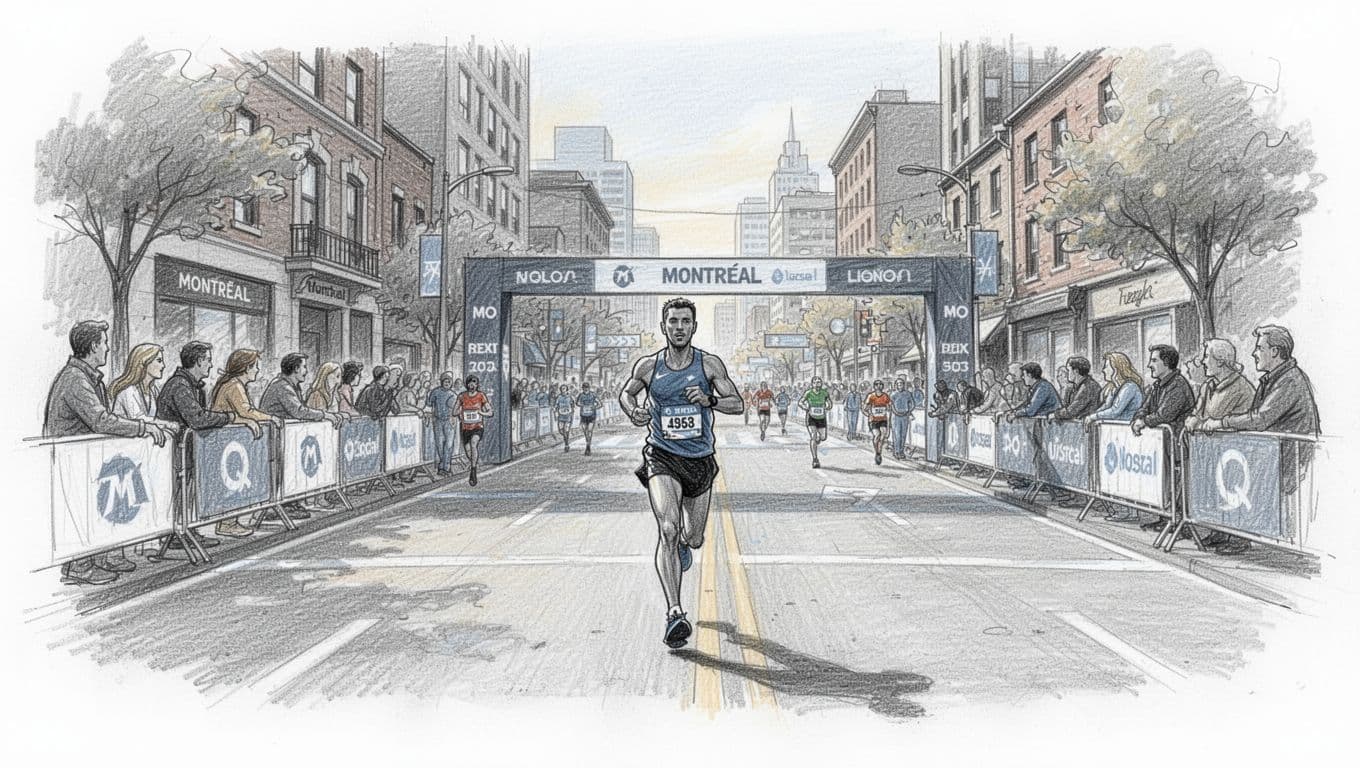
What the weekend feels like
Montreal gives the race a true city-marathon setting. You run on public roads rather than isolated paths, with buildings, intersections, parks, and spectators shaping the experience around you. The route can feel energetic early, especially when runners from the shorter races share the weekend and supporters gather near accessible sections of the course.
French is prominent across Montreal, but English is widely understood in tourist areas and at many race-related services. You may hear both languages at packet pickup, aid stations, announcements, and along the course. A few familiar French phrases, such as “merci” and “encore,” can make the local atmosphere feel more personal, although you won’t need fluency to participate.
Traveling runners also get a race weekend with plenty to do beyond the start line. Montreal’s restaurants, neighborhoods, parks, and public transportation make it easier to build a short trip around the event. Spectators benefit from the same urban setting because multiple course points may be reachable without following one runner for the entire distance.
Who will enjoy this Montreal race?
A first-time marathoner may appreciate the crowd energy and the presence of shorter events, which create a broader festival atmosphere. Still, the 26.2-mile distance demands disciplined preparation. You should arrive with a fueling plan, realistic pacing, and enough time to understand transportation and start-area procedures.
Experienced runners may prefer Montreal when they want a large city race without choosing the same major destinations every season. The course, weather, road conditions, and crowd density can affect personal-best potential, so study the current route before setting an aggressive goal. The official half marathon information also shows how the weekend serves runners with different distances and abilities.
Before registering, verify the start area, finish area, race date, time limits, aid stations, and transportation plan. Organizers can adjust courses and schedules, and some events may reach their entry limits. Those details shape your race experience as much as the medal does.
How the Montreal Marathon Course Feels From Start to Finish
The Montreal Marathon is best understood as a changing race rhythm, not a single uninterrupted road. Early excitement, broad avenues, built-up neighborhoods, green spaces, turns, and surface changes all affect how your pace feels across 26.2 miles.
The exact route can change, so review the current 42.2-kilometer marathon course before race week. A familiar landmark may lift your mood, but your pacing plan must follow the course in front of you.
The first 10K feels fast, crowded, and deceptively easy
The opening miles often carry the strongest sense of occasion. Closed streets give you room to run, while spectators, nearby runners, and the city setting can pull you into a pace faster than planned. Broad roads may make the course feel effortless, but crowded starting areas can still create surges, sudden braking, and awkward passing.
Hold back during this phase. Let your breathing, effort, and watch pace settle before you chase a group. Turns also matter because each corner interrupts your rhythm, especially when runners bunch together near the inside line.
Montreal’s built-up neighborhoods add visual variety, yet they can make it harder to judge distance. Buildings pass quickly, intersections open and close, and the noise can disguise small changes in effort. Use the first 10K to protect your legs rather than prove your fitness.
The middle miles reward patience
Once the opening excitement fades, the course begins to feel more like a test of routine. You may move through longer urban stretches, residential sections, and greener areas where the crowd becomes less dense. Those quieter miles give you space to check posture, take fluids, and follow your fueling schedule.
Pavement texture can change between major roads, side streets, and repaired sections. None of those changes needs to be dramatic to affect your stride after several hours. Keep your steps compact and avoid wasting energy on every small variation.
A city marathon can look flat while still producing a tiring rhythm of rises, turns, and pace changes.
Study the current elevation profile instead of assuming the Montreal Marathon is flat. Even modest climbs can raise effort when they arrive after fatigue has built. Run by controlled effort on an uphill, then return to goal pace once the road levels out. Do not force the watch to display the same split on every section.
The official race FAQ is also useful for checking current course details and certification information. Course maps, aid-station placement, and race procedures can change, so use current information rather than an older review.
The final 10K becomes a confidence test
The last 6.2 miles usually feel less like sightseeing and more like problem-solving. Recognizable city views can lift you for a few minutes, but tired legs make each turn, pavement seam, and gradual rise more noticeable. If you started too aggressively, the course will expose that mistake here.
Break the final 10K into smaller targets. Focus on reaching the next aid station, maintaining relaxed shoulders, or holding steady effort through a turn. Keep taking fluids and fuel according to your plan, even when your stomach and concentration feel less reliable.
Strong preparation changes the character of these miles. Instead of searching for a sudden burst, you rely on controlled pacing, practiced fueling, and the confidence that you have managed similar fatigue in training. The Montreal Marathon rewards runners who treat the course as a series of effort changes, not one long straight shot to the finish.
Race-Day Logistics: Getting to the Start, Through the Finish, and Home
Race morning feels far less stressful when you treat transportation and recovery as part of your race plan. Downtown road closures can slow cars, delay rideshares, and make familiar routes difficult, so build in extra time and follow the current Montreal Marathon runner’s guide before leaving your hotel.
Getting to the start area
Public transit is usually the simplest choice for a downtown Montreal race, but check the race guide and local transit updates for the current start location, recommended stations, service changes, and first-train times. Leave early enough to handle a missed connection or a longer walk after roads close.
Driving creates more risk. Parking near the start may be limited, expensive, or unavailable once streets close. If you must bring a car, identify a legal parking garage outside the closure zone and walk from there. Don’t depend on finding a convenient curbside space on race morning.
Your hotel location matters, too. A room near the start can reduce morning anxiety, but a hotel near a transit line may offer better access and more restaurant choices. Before booking, check the walking route, baggage plan, breakfast hours, and your return route from the finish.
Packet pickup usually happens before race morning, and collecting your bib early gives you time to solve problems without a countdown running in the background. Confirm the current pickup dates, hours, identification rules, and any required waiver details. Keep your bib flat, attach it correctly, and check that your timing chip is secure.
What to expect before and during the race
Arrive with enough time to use the toilets, check your bag, pass through security, and find your corral. Lines grow quickly before a large city marathon, especially near the final toilet stops and bag-drop deadlines.
Bag check procedures, labels, pickup locations, and closing times can change. Use the official guide rather than relying on an older race report. Pack only essential post-race items, such as dry clothing, a light jacket, phone storage, and any recovery supplies you know you tolerate.
Once you’re in the corral, stay patient. Crowded starts can make the first mile feel faster than planned, so protect your pacing instead of forcing open space. During the race, aid stations may offer water, sports drink, and other supplies listed in the current course information. Carry familiar fuel if you depend on a particular product.
Medical support should be available along the course and near the finish, but don’t wait for a minor problem to become serious. Ask for help if you feel confused, faint, unusually cold, or unable to maintain safe movement.
Finishing, recovering, and meeting family
After you cross the line, keep moving through the finish chute and follow volunteer instructions. You may receive your medal, water, food, and other post-race supplies in separate areas. The walk can feel surprisingly long on tired legs, so avoid promising to meet family immediately beside the finish line.
Choose a meeting point outside the busiest exit area before the race begins. Share a landmark, street name, or transit entrance, and agree on a backup location if cell service becomes unreliable. Afterward, collect your checked bag, change into dry clothes, eat something familiar, and allow extra time for road closures before heading home. The official Montreal Marathon FAQ can help you verify current race-day procedures before travel.
Organization, Atmosphere, and Value: What You Get for the Entry Fee
The Montreal Marathon asks runners to pay for more than a bib and a finish-line medal. You also pay for a managed road race, city access, safety systems, volunteers, timing, entertainment, and the chance to race through one of Canada’s most memorable cities.
The experience feels strongest when communication is clear and race-day systems work together. However, value depends on what you expect. A runner chasing a personal best may care most about accurate timing and controlled crowd flow, while a destination runner may place more value on atmosphere, photos, and the full weekend experience.
Communication and race organization
Before race day, the website should answer practical questions without making you hunt through several pages. The Montreal Marathon runner’s guide provides the details you need for schedules, course procedures, race services, and participant instructions. Check it close to race week because pickup times, start arrangements, road closures, and baggage rules can change.
The website’s structure is generally useful when you start with the current event page, then move to the runner’s guide and FAQ. Still, large races produce a lot of information. Read the key pages early, save important details to your phone, and confirm any last-minute email updates.
At the expo, good organization means finding your bib, shirt, race materials, and pickup instructions without confusion. Staff and volunteers should be easy to identify, approachable, and able to direct runners quickly. A crowded expo can feel lively, but long lines and unclear signage take away from the experience.
Volunteers, course support, and timing
Volunteer support becomes most valuable when runners are tired. At the Montreal Marathon, course marshals help protect intersections, direct traffic through turns, and keep runners moving along the correct route. Clear arrows, barriers, kilometer markers, and aid-station signs reduce mental strain when concentration starts to fade.
Aid stations also shape your view of the entry fee. Water and sports drink may seem basic, yet providing them across a closed urban course requires planning, supplies, volunteers, and cleanup. Medical coverage adds another important layer. The event FAQ describes a team with extensive major-event experience, including safety planning and medical support.
Timing should be accurate and easy to access after the finish. Chip timing, split information, searchable results, and a prompt official results page help you verify your performance. Those details matter when you are tracking a qualifying time or comparing the race with a training plan. Check the official Montreal Marathon event page for current results and participant resources.
Crowd management is harder to judge than a medal design. A professional race keeps corrals orderly, separates faster runners from walkers where possible, and prevents bottlenecks near turns, aid stations, and the finish chute. Some congestion is normal in a major city race, especially early, but sustained confusion points to a weaker race experience.
Judging value beyond the medal
The medal is a keepsake, not the whole product. Consider what the entry supports:
- Closed roads let you race through Montreal without sharing the course with normal traffic.
- Aid stations, course marshals, medical teams, timing equipment, and finish-area services support the race itself.
- Entertainment and spectators can give difficult miles a needed lift.
- A race shirt and official photos add lasting memories, although photo packages may cost extra.
- Travel, restaurants, neighborhoods, and attractions turn the event into a destination weekend.
Race photos deserve a close look before you register. Official MarathonFoto images are available through the race’s published resources, but photo access or purchase terms can change. If you already plan a Montreal trip, the marathon’s value improves because the race becomes one part of a larger experience rather than a standalone expense.
For runners who want a tightly controlled personal-best attempt, compare the race with flatter or smaller events. For athletes seeking a lively city weekend, strong support and a recognizable setting can justify the fee even when the course delivers a demanding late-race test. The best value comes when the event matches your reason for running it.
The Biggest Pros and Cons for Different Types of Runners
The Montreal Marathon is a strong choice when you want a lively city race and a full weekend around the finish line. Its weaknesses are just as clear: crowding, changing weather, road closures, and a course that can punish careless pacing.
Before registering, check the current Montreal Marathon event details because dates, routes, fees, and race services can change.
The main advantages
Montreal gives you the energy of a major urban race without requiring a trip to one of the world’s biggest marathon destinations. Closed streets, city neighborhoods, parks, and changing views keep the route visually engaging. Spectators and volunteers can also provide a lift when the opening excitement has disappeared.
The weekend format adds flexibility. Runners can choose the full marathon, half marathon, 10K, or another event, depending on their goals and travel group. Family members may race a shorter distance, watch from several accessible points, or spend the weekend visiting restaurants, museums, parks, and historic neighborhoods.
Volunteer support is another positive. Course marshals, aid-station workers, and finish-area staff reduce the mental load on race day. When you’re tired, clear directions and a cup of water from a friendly volunteer can matter more than polished advertising.
Montreal also has strong travel appeal. Public transportation, walkable areas, and a broad range of lodging and dining options make it easier to build a practical race weekend. The city gives spectators more to do than simply wait near the finish.
The main drawbacks
Crowding can affect your rhythm, especially during the opening miles, near aid stations, and around sharper turns. If you dislike weaving through runners or fighting for space, the Montreal Marathon may feel less comfortable than a smaller event.
Weather adds another variable. Montreal conditions can shift quickly during the fall, with cool temperatures, wind, rain, or unexpected warmth affecting clothing choices and pacing. Check the forecast close to race day, then prepare for more than one scenario.
Road closures create both energy and inconvenience. They give runners protected city streets, but they can delay drivers, rideshares, spectators, and post-race transportation. Review the official race FAQ before traveling, particularly for current start-area, baggage, course, and transit information.
Finally, the course demands respect. Turns, surface changes, gradual rises, and accumulated fatigue can make the final 10K harder than early miles suggest. A runner who chases an ambitious pace too soon may pay for it long before the finish.
Who should choose this race?
- First-time marathoners will enjoy the support and city atmosphere, provided they arrive with a practiced fueling plan and realistic goal.
- Boston qualifiers and personal-best seekers should study the current course, elevation profile, weather, and congestion before making Montreal their main performance race.
- Mid-pack runners may find the event especially appealing because crowd support, shorter weekend races, and the urban setting keep long miles engaging.
- Runners bringing family can combine the marathon with sightseeing, accessible spectator points, and other race distances, although they should plan around road closures.
Choose the Montreal Marathon for the experience and overall race weekend. If performance is your top priority, verify the current course and conditions before committing.
Choose Your Distance, Duration and Goal Time
Make three quick selections and open the exact plan built for your race target.
Looking for a Fully Personalized Training Plan?
The training plans above are an excellent choice if they match your goal. However, if you’d rather train with a plan built specifically around your current fitness, goal race, preferred training days, weekly mileage, and target finish time, our RDA Custom Training Plans provide a personalized solution. We also have running courses available for runners seeking to run faster from the mile to the marathon.
Why Choose a Custom Training Plan?
| Standard Training Plan | RDA Custom Training Plan |
|---|---|
| Follows a fixed schedule | Built around your schedule |
| Standard weekly mileage | Peak mileage customized for you |
| Fixed workout days | Train on the days you choose |
| Same structure for everyone | Designed around your current fitness |
| Static plan | Updated as your fitness improves |
| One-time purchase | Ongoing personalized coaching and support |
What You’ll Receive
- A training plan built specifically for your goal
- Personalized training paces
- Long runs, tempo runs, threshold workouts, interval sessions, recovery runs, and easy runs
- Peak weekly mileage matched to your experience level
- Flexible training schedule that fits your life
- Ongoing plan adjustments as your fitness improves
Ready to Train Smarter?
Stop guessing and start following a plan built specifically for you, your schedule, and your racing goals.
Frequently Asked Questions
A few practical questions can shape your Montreal Marathon experience as much as the course itself. Dates, cutoffs, language, qualification rules, and race-morning timing all deserve attention before you book a hotel or set a goal time.
When is the Montreal Marathon usually held?
The Montreal Marathon is commonly held in the fall, often in September. However, the exact date can change each year, along with the race schedule and related events.
Before booking flights, reserving a hotel, or starting a race-specific countdown, confirm the current date on the official Montreal Marathon event page. A calendar assumption can create expensive problems if the event moves by even one weekend.
Does the Montreal Marathon have a time limit?
Large city marathons usually publish a cutoff time or a course-opening policy, but the details can vary by event year and distance. Some restrictions may also affect runners who reach specific sections after roads begin reopening.
Read the current runner guide and race FAQ before registering. If your expected finish is close to the published cutoff, contact the organizers directly and ask whether the full marathon rules fit your pace.
Is Montreal a good marathon for beginners?
Yes, provided you feel comfortable with a major urban race. The crowd, volunteers, aid stations, and race-weekend structure can help you stay engaged during difficult miles, while the city setting gives your support crew several ways to follow the event.
Travel adds work, though. Road closures, unfamiliar transit, a large field, and changing fall weather can create stress before the start. Choose Montreal if you have a clear pacing and fueling plan, then practice following that plan when conditions are busy or uncomfortable.
Can runners qualify for Boston at the Montreal Marathon?
A Montreal Marathon result may count toward Boston eligibility only when the current course has the required certification and the race provides official timing. Your age-group standard and the Boston Athletic Association’s rules also apply, and meeting the standard does not guarantee acceptance when qualifying demand is high.
Verify the race’s current certification and review the Boston qualifying requirements before making Montreal your qualifying attempt. Old race listings, outdated course maps, and online claims can leave you chasing a time that doesn’t count.
What should runners do if they speak little French?
Montreal is a bilingual city, and major international races commonly provide important participant information in both English and French. You should be able to manage registration, packet pickup, and race-day instructions without speaking French fluently.
Still, learning a few phrases can make interactions easier. Practice “bonjour,” “merci,” and “ou sont les toilettes?” Read the race guide carefully, watch for both languages, and ask a volunteer for help whenever you need directions.
How early should runners arrive on race morning?
Arrive early enough to absorb transportation delays, use the bathroom, check a bag, warm up, and reach your corral without rushing. The right arrival time depends on the start location, wave schedule, security procedures, and your hotel or transit route.
Follow the current Montreal Marathon FAQ rather than using a rigid universal rule. Build a calm buffer into your morning, because sprinting to the starting area wastes energy before the race has begun.
Conclusion
The Montreal Marathon is an excellent choice for runners who want a lively destination race, a strong city atmosphere, and a full weekend of running options. Closed streets, engaged spectators, and reliable race support create an experience that feels bigger than the finish line.
However, it may not suit runners seeking the cheapest event or the most predictable course for a personal best. Verify the current route, fees, schedules, cutoff rules, and race services before registering. Train for Montreal’s turns, changing surfaces, and possible fall weather, then choose a goal that leaves room for smart pacing and steady execution.
Register if you value atmosphere and a memorable city race. Compare other marathons first if your priority is the lowest cost or the cleanest personal-best opportunity.


