

Insta360 ONE RS 1-Inch 360 Price Guide for 2026 Buyers
How much should you pay for an Insta360 ONE RS 1-Inch 360 Edition in 2026? There isn’t one fixed answer because this older camera has limited availability, and the Insta360 ONE RS 1-Inch 360 price can change sharply between sellers.
A new unit may cost more than expected when only a few remain in stock, while refurbished and secondhand listings can vary based on battery health, lens condition, return policies, and included accessories. Some sellers offer the camera alone, while others include the vertical battery base, mounting parts, cases, memory cards, or other bundle extras, so comparing headline prices without checking the box contents can lead to a poor deal.
This guide breaks down what you can expect to pay for new, refurbished, and used models without presenting an unverified live price as fact. You’ll also see what comes with the camera, whether its image quality and running-focused features still justify the cost, and which newer alternatives may suit runners, travelers, and creators better. First, let’s look at the factors that have the biggest effect on the camera’s price.
Insta360 ONE RS 1-Inch 360 Price: What Should You Expect to Pay?
The original price gives you a useful starting point, but it doesn’t tell you what the camera should cost. The Insta360 ONE RS 1-Inch 360 price now depends on availability, condition, seller reputation, and the parts included in the bundle.
Because this is an older modular camera, treat every listing as a separate package. Confirm the exact model before comparing it with the standard ONE RS Twin Edition or newer Insta360 X cameras.
Original MSRP Versus the Camera’s Current Street Price
The Insta360 ONE RS 1-Inch 360 Edition launched in the United States with an MSRP of $799.99. That figure helps explain the camera’s position at launch, especially because it combined a ONE RS core, a battery base, and a 1-Inch 360 lens module.
However, the original MSRP shouldn’t become your assumed 2026 purchase price. A discontinued camera can sell for more than its launch price when retailers have limited stock. Collectors, specialty sellers, and buyers who want this specific configuration may keep demand high even after official inventory becomes difficult to find.
Used pricing moves in the opposite direction when the camera has seen heavy use. Battery wear, scratched lenses, missing brackets, and uncertain recording history can reduce the value quickly. A used listing below the original MSRP may look attractive, but replacing a missing battery base or damaged accessory can erase the savings.
Before publishing or relying on a price range, check the official Insta360 trade-in program, major US retailers, and reputable resale platforms. Record the date checked, seller type, product condition, and currency. A clear snapshot might read:
- Checked: July 2026
- Market: United States
- Currency: US dollars
- New or old stock: Verify current listings
- Refurbished: Compare warranty and return terms
- Used: Inspect battery condition and included parts
That timestamp matters because a listing can disappear within hours. It also prevents an old price from looking like a guaranteed buying target months later.
How the Bundle Changes the Final Cost
The camera name alone doesn’t reveal what you’ll receive. A complete ONE RS 1-Inch 360 package may include:
- The camera and 1-Inch 360 lens module
- ONE RS core
- Battery base
- Mounting bracket
- Lens caps and protective case
- microSD memory card
- Invisible selfie stick
- Extra batteries
- Charging cable or charging accessories
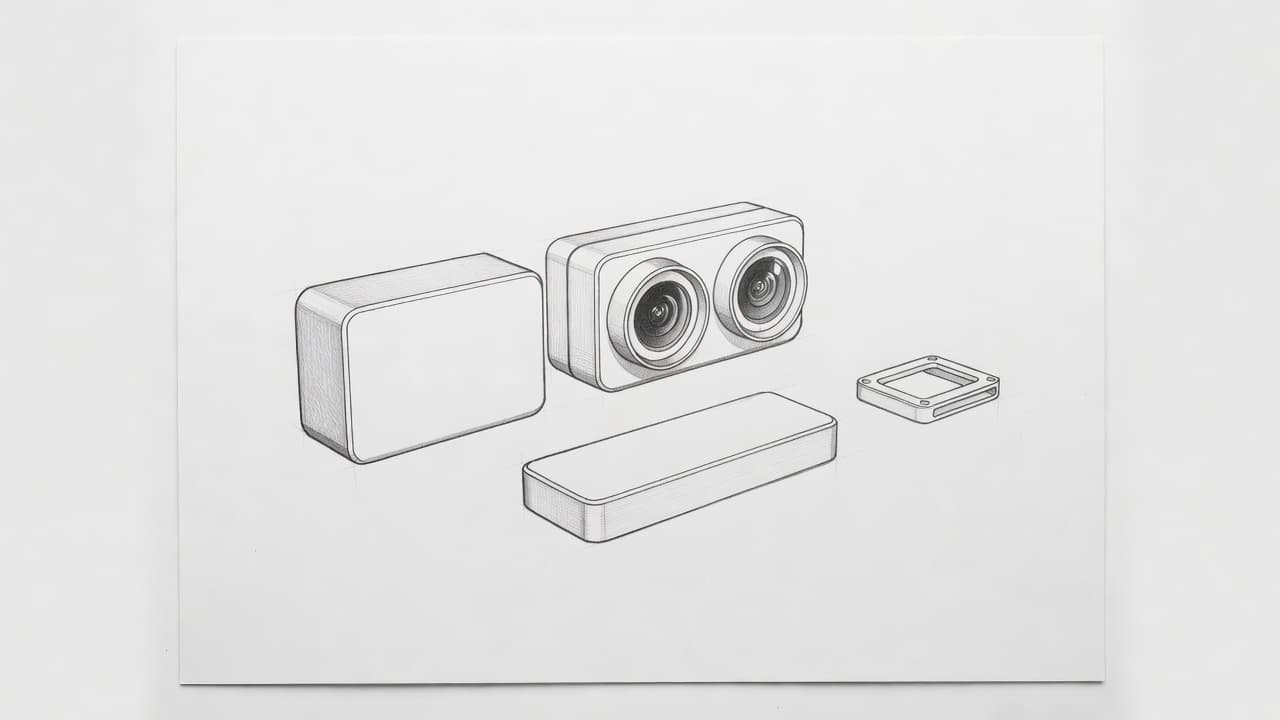 A low headline price may cover only the camera module. Without the core, battery base, or bracket, you may not be able to record immediately. Some listings also omit the memory card or selfie stick, which adds another cost if you plan to use the camera for running footage or travel video.
Compare complete bundles, not just the largest price on the listing. Two cameras with similar condition can have very different value once batteries, cases, mounting parts, and warranty coverage enter the picture.
What You Get for the Money With the 1-Inch 360 Edition
The Insta360 ONE RS 1-Inch 360 Edition costs more than many compact 360 cameras because it combines dual 1-inch sensors, 360-degree recording, strong stabilization, and high-resolution capture in one system. For runners, cyclists, and travel creators, that combination can produce more usable footage in conditions where smaller sensors struggle. However, the camera also demands careful handling, extra storage, and more editing time.
The 1-Inch Sensors Matter Most in Difficult Light
The dual 1-inch sensors are the clearest reason this model can justify a higher Insta360 ONE RS 1-Inch 360 price. Larger sensors can gather more light, which often produces cleaner shadows, better detail, and less visible noise than footage from a smaller 360 camera. Insta360 describes the lens as providing improved dynamic range and low-light performance in its official ONE RS 1-Inch 360 specifications.
That difference matters when you film an early morning run before sunrise. Streetlights, dark trees, and a pale horizon can create difficult exposure problems. The larger sensors may preserve more detail in the road and surrounding scenery, while a smaller sensor can produce muddy shadows or heavy grain. The same advantage can appear inside a dim gym, under shade at a race venue, or during a sunset cycling ride.
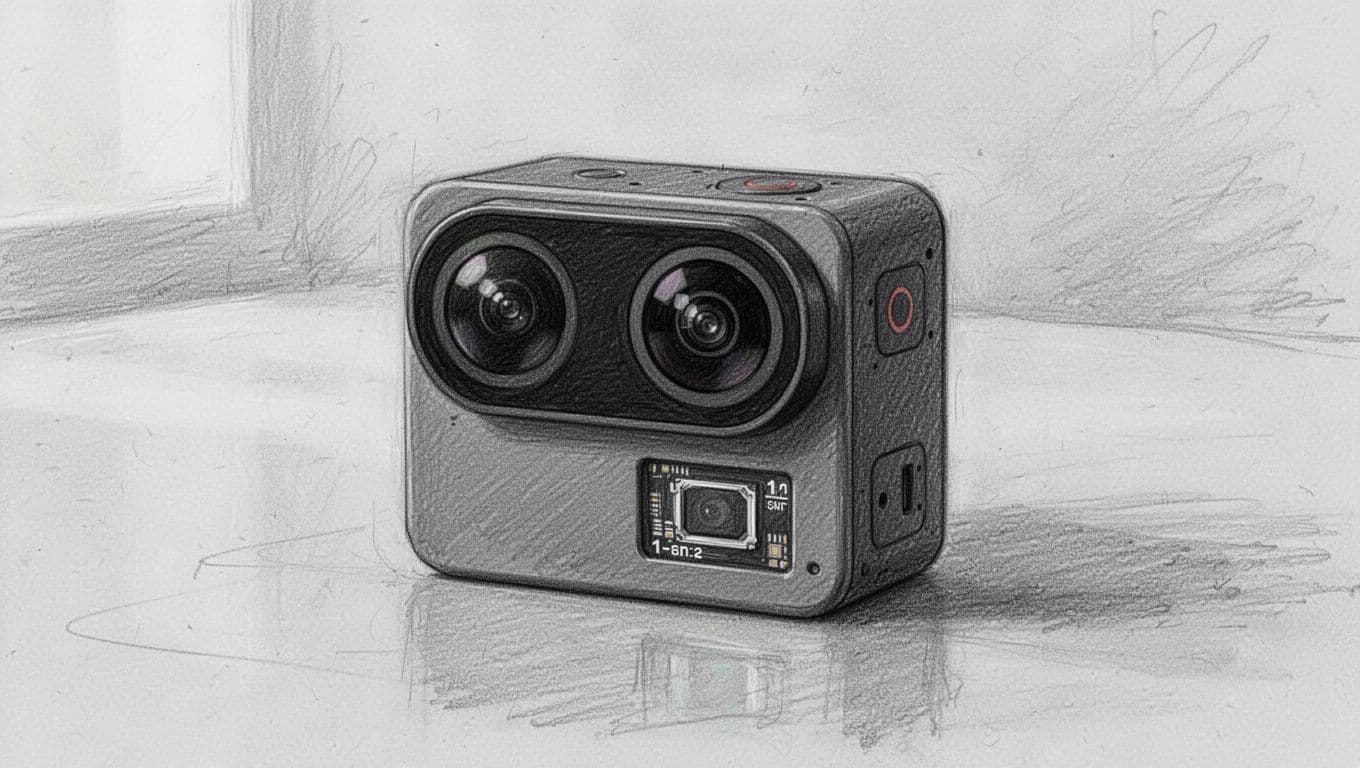 Still, sensor size doesn’t guarantee perfect footage. Exposure settings, fast movement, stitching, lens cleanliness, and the direction of the available light all affect the result. Wipe both exposed lenses before a run, and don’t expect the camera to freeze a fast-moving subject in very dark conditions without some blur.
360 Capture Gives You More Options After the Run
A standard action camera records the angle you choose before starting. The 1-Inch 360 Edition records the full scene around the camera, so you can decide later whether the final video faces you, follows the course, or shows the scenery behind you.
In the Insta360 app or desktop software, you can reframe the footage by selecting a viewing angle after recording. You can also create virtual camera movement, such as a smooth pan toward a runner, without physically turning the camera. With a compatible invisible selfie stick, software can remove the stick from the finished view, making it appear that the camera floats beside or above you.
That flexibility can save a shot when a runner passes unexpectedly or a scenic moment happens behind the camera. It also helps social creators create both vertical clips and wider travel edits from one recording. The tradeoff is practical: 360 files are large, and choosing angles, keyframes, and export settings takes longer than trimming ordinary action-camera footage.
Important Limits That Can Reduce Its Value
The exposed lenses are easy to scratch, and a damaged lens can affect every shot. The camera body and complete setup are also larger and heavier than many pocket-sized 360 cameras, which matters during a long run or when mounted to a cycling helmet.
Heat can build during extended high-resolution recording, especially in warm weather. Battery life also depends on resolution, stabilization, temperature, and recording length, so carry a charged spare for races or travel days. You’ll need a suitable microSD card, plus enough computer or phone storage for large files.
Close objects can expose stitching limits because the two lenses must blend their views. Finally, the Insta360 app and desktop software require practice. A low price isn’t a bargain if the lenses are scratched, the battery is weak, or the listing excludes the battery base, bracket, selfie stick, or other accessories you need.
New, Refurbished, or Used: Which Insta360 ONE RS 1-Inch 360 Deal Is Safest?
The safest Insta360 ONE RS 1-Inch 360 price depends on how much risk you accept. New remaining stock is usually easiest to return, refurbished equipment can offer the best balance, and used listings may cost less while demanding the most careful inspection.
Before comparing prices, check the warranty, return window, seller history, included accessories, battery condition, cosmetic wear, and firmware status. A camera that costs $100 less can become the expensive choice if it needs a battery base, lens module, or repair.
How to Check a Used 1-Inch 360 Camera Before Paying
Ask the seller for clear, recent photos of both lenses, the camera body, battery base, mounting bracket, USB port, and connection points. Stock images prove nothing. If possible, request sample photos or short video clips from both lenses. Look for soft corners, glare, dark spots, scratches, or stitching errors near the camera.
Use this inspection checklist before sending payment:
- Look for scratches, cracks, dents, and deep scuffs around the lens module and core.
- Check for loose connections between the core, battery base, and 1-Inch 360 lens.
- Inspect the USB port, mounting points, seals, and battery contacts for damage.
- Look for a swollen battery, lifting panels, unusual gaps, or a battery that no longer fits correctly.
- Confirm that both lens guards are present and free from chips or heavy scratches.
- Check for water damage, rust, corrosion, clouding, or residue around openings.
- Ask whether the camera has overheated, shut down during recording, or shown temperature warnings.
The camera should power on, accept a charge, recognize its storage card, and record without unexpected shutdowns. Ask the seller to confirm that the core, battery base, and lens module work together. A cheap lens module is useless if the required core or base is missing.
Inspecting connectors and the battery area matters because moisture can damage electronics before the exterior looks seriously worn. This used action camera buyer’s guide also highlights lens-port clouding, seal damage, and residue as warning signs.
Check the current firmware in the Insta360 app after receiving the camera. Firmware alone doesn’t prove good condition, but an outdated or unstable setup may create extra troubleshooting before your first run or trip.
When a Cheap Listing Is Too Good to Be True
A very low price deserves questions, not excitement. Be cautious when a listing uses stock images only, gives a vague description, hides the serial information, or refuses to show the lens glass. Sellers who pressure you to pay by bank transfer, gift card, cryptocurrency, or another method outside the marketplace remove protections you may need later.
Incomplete bundles create another common problem. A listing may show a complete camera but include only the lens module. Confirm every included part in writing, especially the core, battery base, bracket, lens guards, charger, and accessories you actually need.
Refurbished equipment can be safer than ordinary used gear when the seller provides a clear inspection process, warranty, and return period. Compare those terms with new old stock, which may have stronger return support but no guarantee that a long-stored battery is fresh.
Lens damage deserves the most attention. Replacement lens modules and repairs can cost enough to erase the original saving. For expensive electronics, use a marketplace with buyer protection, keep all messages on the platform, and test the camera immediately during the return window.
Is the Insta360 ONE RS 1-Inch 360 Still Worth Its Price in 2026?
The Insta360 ONE RS 1-Inch 360 Edition can still make sense in 2026, but only for the right buyer. Its larger sensors and flexible 360 reframing remain useful, while its older design, exposed lenses, and editing demands limit its appeal.
The deciding factor is the complete kit price. A discounted package with a healthy battery, undamaged lenses, the core, and battery base can offer better value than a newer camera with less capable low-light hardware. However, if the price approaches newer 360 models, the older camera becomes harder to justify.
Who Gets the Most Value From This Older 360 Camera?
Runners, cyclists, hikers, and travelers can get more from this camera than casual users. Mount it to a bike, carry it on a trail, or use an invisible selfie stick during a trip, and the camera records the scene in every direction. You can choose the angle later instead of committing to one view before the activity begins.
That flexibility helps when a runner passes a landmark, a cyclist enters a turn, or an unexpected moment happens behind the camera. One recording can produce a forward-facing edit, a follow shot, and a vertical social clip. The discussion of sensor size and action-camera design also illustrates why larger sensors attract creators who care about image quality in difficult conditions.
The dual 1-inch sensors are most useful when light keeps changing. Early-morning runs, shaded forest paths, bright streets, indoor venues, and sunset rides can push smaller sensors toward noisier shadows and less convincing detail. Larger sensors don’t remove exposure problems, but they can give you cleaner footage when the scene moves between sun and shade.
You also need the right workflow. The camera depends on a compatible phone or computer for reframing and exporting footage, plus a fast microSD card and generous storage space. Large 360 files can fill a phone quickly, and desktop editing may be more comfortable for long recordings. If you want instant clips with little editing, the sensor advantage won’t feel worth the effort.
Who Should Skip It and Buy Something Simpler?
Skip the ONE RS 1-Inch 360 Edition if you want a small point-and-shoot camera for quick vertical videos. A standard action camera may produce a finished forward-facing clip faster, with less reframing and fewer files to manage. Newer 360 models may also offer more recent stabilization, subject tracking, app features, and workflow improvements, even when their sensors are smaller.
This older model also deserves caution for rough conditions. Its exposed lenses need protection, careful packing, and regular cleaning. If you expect rain, impacts, dust, or frequent water use, confirm the exact waterproof limits, seals, lens guards, and replacement-part availability before buying.
Software support and app compatibility matter as well. Check that your phone, operating system, and preferred desktop workflow still support the camera before paying. Battery availability, replacement lens cost, warranty coverage, and resale demand can change the real ownership cost.
For a low-light creator, buy only when a complete, tested kit is clearly discounted. For a runner who values reframing, pay a fair used price with return protection. For a casual buyer, choose a simpler action camera. If the ONE RS price sits near a newer 360 model, buy newer unless the larger sensors directly match your shooting needs.
How It Compares With Newer Insta360 Cameras and Action Cameras
The Insta360 ONE RS 1-Inch 360 price makes more sense when you compare the complete shooting experience, not just resolution or sensor size. Newer 360 cameras usually offer easier handling and newer software, while conventional action cameras favor speed, simplicity, and lower ownership costs.
| Camera type | Main strength | Main tradeoff | Price status |
|---|---|---|---|
| ONE RS 1-Inch 360 Edition | Larger sensors and flexible reframing | Older design, exposed lenses, heavier workflow | Current used and remaining-stock prices vary |
| Newer Insta360 X model | Newer processing, stabilization, and shooting modes | Smaller sensors on some models | Current price is subject to change |
| Insta360 Ace Pro, GoPro, or DJI Osmo Action | Simple forward-facing recording | No full 360 reframing after capture | Current price is subject to change |
ONE RS 1-Inch 360 Edition Versus Newer Insta360 X Models
A newer X-series camera may cost more because it has a newer processor, updated stabilization, longer software support, and a more polished mobile workflow. Newer models can also add higher-resolution recording, improved subject tracking, faster exports, better battery management, or shooting modes that the ONE RS platform never received.
Handling matters during a run. A newer X camera may be lighter, quicker to start, and easier to mount without balancing a modular core, battery base, and lens module. Its lens guards, app compatibility, and accessory ecosystem may also be easier to manage. For a closer side-by-side look, see this Insta360 X4 comparison.
The older model still has a clear reason to remain on your shortlist: its dual 1-inch sensors can produce cleaner low-light footage in difficult conditions. Early-morning roads, shaded trails, and sunset scenes may show more shadow detail than footage from a newer camera with smaller sensors. A low-light comparison of the X4 and 1-Inch 360 Edition can help you judge whether that advantage matters for your shooting.
Before publication, verify the exact X-series model, bundle contents, firmware support, and current US price. A listing for an X3, X4, X5, or another variant can change the comparison.
ONE RS 1-Inch 360 Edition Versus a Regular Action Camera
A 360 camera records every direction, then lets you choose the view during editing. A regular action camera, such as an Insta360 Ace Pro, GoPro, or DJI Osmo Action, records the forward-facing composition you select before pressing record.
That difference changes how you run. For a steady workout filmed from a chest or head mount, a conventional action camera is usually lighter, simpler, and faster to edit. If you’re capturing an entire group run or a scenic route, the ONE RS 1-Inch 360 Edition can preserve runners, turns, and scenery behind you in one take.
The action camera usually wins for quick uploads, rugged use, and fewer accessories. The 360 model wins when reframing is more important than editing speed. Neither choice wins every category, so match the camera to your filming habit.
Calculate the Total Cost, Not Just the Camera Price
Set a total budget before comparing listings. Add the memory card, extra batteries, lens protection, invisible selfie stick, mounts, case, replacement parts, editing storage, and possible repair costs.
A camera-only listing may look cheap but leave you unable to record. A complete, tested kit with the core, battery base, bracket, healthy battery, lens guards, and return protection can be the better deal. Include those items in your comparison before deciding whether the Insta360 ONE RS 1-Inch 360 price is genuinely attractive.
Where to Buy the Insta360 ONE RS 1-Inch 360 Edition With Less Risk
The safest place to buy this older camera depends on the protection offered with the listing, not just the advertised Insta360 ONE RS 1-Inch 360 price. Official stores and authorized retailers usually provide clearer warranty support, while established electronics sellers may offer reliable returns but limited stock. Reputable used marketplaces can cost less, yet they require careful inspection and seller communication.
Check several sources on the same day. Discontinued inventory can disappear quickly, and one seller’s complete bundle may cost less than another seller’s camera-only package after shipping and tax.
The official Insta360 store is the best starting point for model details, remaining stock, and warranty terms. However, availability may be limited, and older products may appear only through support or trade-in channels. Authorized retailers can provide familiar checkout protection and local returns, but confirm that the seller is authorized and that the box contains the 1-Inch 360 Edition.
Established electronics sellers often have clearer condition grades, delivery estimates, and customer service than individual sellers. Their prices may be higher, especially when old stock becomes scarce. Reputable used marketplaces offer room for negotiation and more listings, but seller ratings, buyer protection, and return rules vary. Review these used camera buying tips before sending payment.
The Details to Confirm on Every Product Page
Before you compare prices, save screenshots or copy the listing details. Check these points carefully:
- Confirm the exact ONE RS 1-Inch 360 Edition, not the standard Twin Edition, a newer X-series camera, or a compatible-looking replacement part.
- Verify that the package includes the 1-Inch 360 lens module, ONE RS core, battery base, mounting bracket, lens protection, and listed accessories.
- Check whether the item is new, refurbished, open-box, or used. For used gear, read the condition grade and inspect photos of both lenses.
- Review the seller’s identity, rating, sales history, shipping location, and estimated delivery date.
- Read the warranty terms, return period, restocking fee, and any restrictions on opened or used electronics.
- Add sales tax, shipping, insurance, and required accessories to the final cost.
A replacement lens module or partial kit can look like a complete camera in search results. Confirm that the core and battery base are included, because the lens alone cannot function as a complete recording setup.
How to Time a Purchase and Spot a Better Deal
Seasonal sales, clearance pricing, and open-box stock may reduce the cost, but no seller can guarantee a future discount. Used-market sellers may negotiate, especially when a listing has been active for weeks. Keep the conversation and payment inside the marketplace so its buyer protection remains available.
Track the complete bundle price, rather than reacting to a temporary percentage-off label. Save the listing URL, condition, included parts, warranty, shipping charge, and tax estimate. Then compare the final checkout total with at least two other sources.
Buyers outside the United States should also convert the full price into local currency and check import fees before ordering. Regional warranties may not apply internationally, while chargers, plugs, and accessories can differ by market. A lower foreign listing may cost more after customs, currency conversion, and slower delivery.
A Simple Buying Checklist for Choosing the Right Price
The right Insta360 ONE RS 1-Inch 360 price depends on more than the number shown on the listing. Start with your use case, set a total budget, then compare the complete kit against newer cameras before you commit.
For running and travel, decide whether the larger sensors and 360 reframing justify the camera’s older design. Add the cost of a memory card, lens protection, extra battery, mounts, and storage. Buy when a well-kept kit is meaningfully cheaper than a current-generation option. Skip it when the price is close to a newer model with better support and simpler handling.
Questions to Ask Before You Click Buy
Ask these questions before paying, whether you’re dealing with a private seller or a retailer:
- How long does the battery last during a typical recording?
- Does the battery swell, heat up quickly, or lose charge while stored?
- Are both lenses free from scratches, chips, cracks, haze, or deep scuffs?
- Has the camera been exposed to rain, salt water, pools, or heavy humidity?
- Does the seller see corrosion, residue, or damage around the ports and connection points?
- Does the package include the ONE RS core, battery base, 1-Inch 360 lens, and mounting bracket?
- Are the lens caps, lens guards, charging cable, case, and listed accessories included?
- Does the camera recognize a microSD card and record normally?
- Is the firmware current, and does the camera connect to the Insta360 app?
- Can the seller provide recent footage or photos from both lenses?
- Does stabilization work without freezing, shaking, or unexpected movement?
- Has the camera overheated, shut down, or displayed temperature warnings?
- What warranty applies, and who handles repairs if a fault appears?
- How many days do I have to return it after delivery?
- Are there restocking fees, final-sale terms, or exclusions for opened electronics?
Request photos of the actual camera, not only manufacturer images. A seller who avoids basic questions about lens condition, battery health, or operation gives you a reason to walk away. These used camera buying tips provide another useful reference when checking seller reputation and condition claims.
What to Test During the Return Window
Test the camera as soon as it arrives. Don’t wait until race day, a vacation, or a long trail run to discover a faulty lens or weak battery.
Start in bright outdoor light, then record a shaded or low-light scene. Inspect footage from both lenses for scratches, glare, dark spots, unusual softness, and exposure differences. Watch the stitching near your face, a selfie stick, or a nearby object. Uneven seams can reveal lens alignment or processing problems.
Next, walk and jog with stabilization enabled. Check whether the horizon stays steady and whether movement creates sudden jumps. Open the Insta360 app, pair the camera, review clips, change viewing angles, and export a short reframed video. Then transfer a large file to your phone or computer. A failed transfer, repeated app crash, or missing connection can make the camera frustrating to use.
Charge the battery from a low level and confirm that charging begins normally. Check for excessive heat, loose connections, swelling, or a charge that stops unexpectedly. Finally, mount the camera to your intended running setup and tighten every connection before testing it outdoors. If any major fault appears, document it with photos or video and start the return process before the window closes.
Conclusion
There is no permanent Insta360 ONE RS 1-Inch 360 price for this older camera. Availability, condition, battery health, included parts, warranty coverage, and return protection can change the real value of each listing.
A camera with dual 1-inch sensors and flexible 360 reframing can still produce excellent footage for early-morning runs, shaded trails, travel, and other scenes where low-light quality matters. However, its older design, exposed lenses, heavier workflow, and editing demands deserve a place in the price decision.
Compare the final delivered cost, including shipping, tax, memory cards, batteries, lens protection, mounts, and any missing components. A complete, tested kit with clean lenses, a healthy battery, the ONE RS core, battery base, and return protection is worth considering when it sells at a strong discount. If the price gap between this model and a newer 360 camera is small, choose the newer camera for easier handling, current software support, and updated features.
Before buying, check current listings, confirm that the package is the 1-Inch 360 Edition, and match the camera to how you plan to record your next run or adventure.


