

Do Salt Tablets for Marathon Runners Work?
So, you’re gearing up for a marathon and wondering about those little salt tablets everyone’s talking about. Do they actually help, or are they just another thing to carry? We’ve all seen those white streaks of sweat, right? That’s your body losing sodium. For endurance athletes, especially in the heat, keeping that sodium balance in check can make a difference. Let’s break down what salt tablets are all about and if they’re worth adding to your race-day strategy.
Key Takeaways
- Salt tablets are concentrated doses of sodium, designed to replace electrolytes lost through sweat during long runs.
- Runners lose sodium primarily through sweat, a process that can be accelerated by heat and high intensity.
- These tablets can help maintain hydration and electrolyte balance, potentially improving performance, but aren’t a magic bullet for cramps.
- Effective use involves understanding your personal sodium needs, timing your intake, and integrating tablets with other nutrition and plenty of water.
- While beneficial for some, salt tablets aren’t always necessary and should be compared to other options like sports drinks and gels, considering individual needs and potential risks like hypernatremia if misused.
Understanding Salt Tablets for Marathon Runners
So, you’re gearing up for a marathon, and you’ve heard whispers about salt tablets. What’s the deal? Are they some kind of secret weapon for runners, or just another thing to stuff in your pockets? Let’s break it down.
What Are Salt Tablets?
Basically, salt tablets are small pills packed with sodium, and sometimes other electrolytes like potassium and magnesium. Think of them as concentrated little packets of what your body loses when you sweat buckets. They’re designed to be taken with water during exercise to help replace those lost minerals. Some are capsules you swallow, while others are chewable, which can be easier to take on the go.
Why Do Runners Lose Sodium?
When you run, especially for long distances or in the heat, your body sweats to cool down. This sweat isn’t just water; it’s also carrying out electrolytes, with sodium being the big one. The more you sweat, the more sodium you lose. This loss can happen pretty quickly, and if you’re not replacing it, your body can start to feel the effects. Factors like how much you weigh, the temperature, and even your genetics play a role in how much sodium you actually lose.
The Role of Sodium in Performance
Sodium does more than just make food taste good. In your body, it’s a key player in keeping your fluid balance in check. It helps your body hold onto water, which is super important for keeping your blood volume up and your muscles working smoothly. When sodium levels drop too low, it can mess with nerve signals and muscle function. For runners, this can mean feeling sluggish, getting cramps, or just generally not performing at your best. Getting enough sodium helps your body absorb water more effectively, which is a big deal when you’re out there for hours.
Benefits of Salt Tablets for Marathon Runners
So, why would a marathon runner even bother with salt tablets? It boils down to replacing what you lose and keeping your body running smoothly. When you’re out there for hours, especially in the heat, you sweat. A lot. And with that sweat goes sodium, a really important electrolyte.
Replenishing Electrolyte Losses
Think of your body like a well-tuned engine. Sodium is one of the key fluids that keeps everything running efficiently. When you sweat, you’re not just losing water; you’re losing sodium and other electrolytes. For runners who sweat a lot, or what some call ‘salty sweaters,’ the amount of sodium lost can be pretty significant. Traditional sports drinks might not cut it for these individuals. Salt tablets offer a concentrated way to directly replace these lost sodium stores. This helps maintain the right balance in your body, which is pretty important for how your muscles and nerves work.
Supporting Overall Hydration
This might sound a bit backward, but sodium actually helps your body hold onto water. Without enough sodium, your body might not be able to absorb fluids as effectively, even if you’re drinking plenty. This can lead to dehydration, which is a runner’s worst nightmare. By taking salt tablets, you’re giving your body the sodium it needs to better utilize the fluids you’re consuming. It’s like giving your hydration system a little boost, helping you stay properly hydrated throughout those long miles.
Customizable Sodium Intake
One of the biggest pluses of salt tablets is that you can really dial in your sodium intake. Not everyone sweats the same amount, and not everyone loses sodium at the same rate. Factors like your body weight, how hot it is, and even your genetics play a role. With salt tablets, you can adjust how many you take based on your personal needs and the conditions of your run. This level of control is something you don’t always get with pre-mixed sports drinks, which have a set amount of sodium per serving. It allows for a more personalized approach to fueling.
Here’s a general idea of how sodium needs might look, but remember, this is just a starting point:
| Factor | Estimated Sodium Need (per hour) |
|---|---|
| Moderate Conditions | 300-600 mg |
| Hot/Humid Conditions | 500-1000+ mg |
| Heavy Sweaters | Adjust based on individual loss |
It’s important to experiment during training runs to figure out what works best for you. What works for one runner might not be ideal for another, so listen to your body and adjust accordingly. Don’t wait until race day to try something new!
How to Use Salt Tablets Effectively
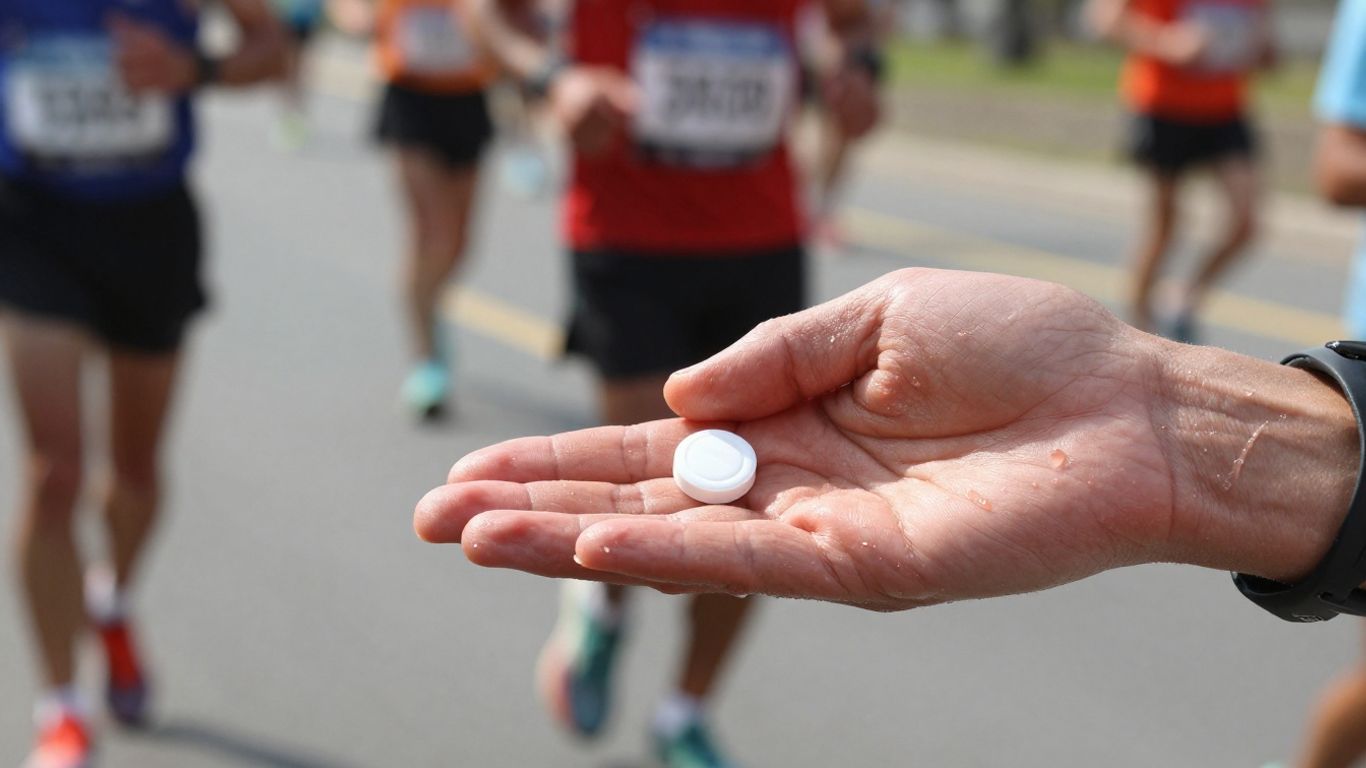
Alright, so you’re thinking about giving salt tablets a shot for your marathon training or race day. That’s smart! But just popping them randomly isn’t the way to go. You’ve got to use them right to actually get the benefits without any weird side effects. It’s all about figuring out what you need and when.
Determining Your Sodium Needs
This is the big one. How much sodium you lose really depends on a bunch of things. Think about how much you sweat – are you a heavy sweater, or do you barely glisten? What’s the weather like? Hot and humid means more sweat, and thus more sodium loss. Your body weight and even your diet play a role. Runners lose significant amounts of sodium through sweat, ranging from 500-1500mg per hour. Understanding how much to drink, which electrolytes are crucial, and developing an optimal hydration strategy tailored to different running distances are essential for performance and health. Most people don’t need a ton, but for long, hard efforts, you might need around 300-600 mg of sodium per hour. It’s not a one-size-fits-all deal.
Timing Your Supplementation
When you take them matters. If you’re using tablets that dissolve in water, you’ll want to start sipping that mixture early in your run, maybe over the first hour or so. For capsules, it’s usually one or two per hour, taken with a good gulp of water to help them get absorbed. Don’t wait until you feel like you’re depleted; start a bit before or right at the beginning of your long efforts. Think of it as proactive maintenance for your body.
Integrating with Other Nutrition
This is where it gets a little tricky. Most energy gels and chews already have some sodium in them. You don’t want to double up too much, or you could end up feeling pretty rough. Check the labels on everything you plan to eat or drink during your run. Some gels have very little sodium, while others pack a decent amount. You need to add up the sodium from all your sources to make sure you’re not going overboard. It’s a balancing act, for sure.
Using salt tablets isn’t just about popping a pill; it’s about a thoughtful approach to fueling your body during intense exercise. Pay attention to how you feel during training and adjust your strategy accordingly. What works for one runner might not be ideal for another, so personal testing is key.
Here’s a rough idea of how to approach it:
- Heavy Sweaters/Hot Conditions: You might need 1-2 salt capsules per hour, or a dissolved tablet in your water. Always pair with plenty of water.
- Moderate Sweaters/Mild Conditions: Perhaps 1 salt capsule every 1-2 hours, or rely more on the sodium in your sports drinks and gels.
- Light Sweaters/Cool Conditions: You might not need extra salt tablets at all, or only very minimal amounts.
Remember, the goal is to replace what you lose, not to overload your system. Always test your strategy during your long training runs before race day. Seriously, don’t try anything new on race day!
Salt Tablets vs. Other Hydration Options
Salt Tablets Compared to Sports Drinks
Sports drinks have been around forever, right? They’re usually a mix of sugar and salt, designed to give you a little energy boost while replacing some of what you lose when you sweat. They can be pretty convenient because you’re getting carbs and electrolytes all in one go. Some people find them a bit too sweet, though, and if your stomach starts to reject the drink, you lose out on hydration, sodium, and fuel. That’s a tough spot to be in during a race.
Salt tablets, on the other hand, are more straightforward. They’re primarily focused on sodium replacement. You add them to your own water, so you have more control over the flavor and sweetness. This can be a big plus if you’re sensitive to sugary drinks or just prefer plain water. The downside? You’re not getting any carbs from the tablets themselves, so you’ll need to plan your fueling separately.
Salt Tablets Versus Electrolyte Gels
Electrolyte gels are another option, often used for quick energy boosts. They usually contain carbohydrates and some electrolytes, but the electrolyte content can vary a lot. Some gels are more focused on carbs, while others might have a decent amount of sodium. They’re super portable and easy to consume on the go, which is great when you’re pushing hard. However, like sports drinks, if you’re sensitive to the sweetness or texture, they might not be your best bet. Also, relying solely on gels might mean you’re not getting enough sodium if the gel’s primary focus isn’t electrolyte replenishment.
Salt tablets offer a more targeted approach to sodium. You can precisely control how much sodium you’re taking in, which is helpful if you know you’re a heavy or salty sweater. They don’t offer the quick energy hit of a carb-heavy gel, but they excel at topping up your sodium levels without adding extra sugar or flavor you might not want.
When Salt Tablets Are Preferable
So, when should you reach for the salt tablets over other options? If you’re someone who sweats a lot and loses a significant amount of sodium, tablets can be a lifesaver. They allow you to customize your intake without the extra sugar found in many sports drinks and gels. This is especially useful for longer events where you might be consuming a lot of fluids and want to avoid overdoing the sugar. They’re also a good choice if you prefer to manage your carbohydrate intake separately through other foods or gels. Ultimately, the best choice depends on your individual sweat rate, the duration and intensity of your run, and your personal tolerance for different products.
Here’s a quick look at how they stack up:
| Product Type | Primary Benefit | Potential Downsides |
|---|---|---|
| Sports Drinks | Hydration, carbs, and electrolytes in one | Can be too sweet, stomach issues if rejected |
| Electrolyte Gels | Quick energy, portable, some electrolytes | Variable sodium content, texture/sweetness issues |
| Salt Tablets | Targeted sodium replacement, customizable | No carbs, requires separate fueling strategy |
| Electrolyte Powders | Customizable hydration/fueling mix | Can be sweet, risk of stomach issues if rejected |
When you’re out there for hours, especially in the heat, your body is working overtime. Losing sodium isn’t just about feeling thirsty; it can mess with how your muscles work and how your brain signals them. Finding the right way to replace those lost salts without upsetting your stomach or adding too much sugar is key to keeping your performance steady.
Potential Concerns and Precautions

While salt tablets can be a game-changer for some marathoners, it’s not all sunshine and rainbows. You’ve got to be smart about how you use them, or you could end up feeling worse than before you popped that little pill. Overdoing it is a real possibility, and it can lead to some unpleasant side effects.
Understanding Hypernatremia Risks
Okay, so we’ve talked a lot about losing sodium, but what happens if you take in too much? It’s called hypernatremia, and it’s not something you want to mess with. Basically, your body has too much sodium and not enough water. This can make you feel really sick, with symptoms like nausea, vomiting, and confusion. In extreme cases, it can even cause seizures or coma. It’s rare for runners to get hypernatremia just from salt tablets, especially if they’re drinking water alongside them, but it’s good to be aware of the possibility. It’s more likely to happen if you’re not drinking enough fluids or if you’re taking way more salt than you need.
Avoiding Excessive Intake
So, how do you steer clear of taking too much sodium? It really comes down to knowing your own body and listening to it. Everyone sweats differently, and what works for your running buddy might not be right for you. Start with the lowest recommended dose on the product packaging and see how you feel. Pay attention to how much sodium is already in your other race-day fuel, like sports drinks and gels. You might be getting more than you think!
Here’s a quick rundown on how to be mindful:
- Read Labels: Check the sodium content in all your fueling products.
- Start Low: Begin with a minimal dose of salt tablets and gradually increase if needed.
- Hydrate Well: Always drink plenty of water when taking salt tablets.
- Listen to Your Body: If you feel unwell, stop taking them and reassess.
When to Seek Professional Advice
If you’re consistently struggling with hydration, cramping, or feeling off during long runs, it’s probably a good idea to chat with a professional. A sports dietitian or a doctor who understands endurance sports can help you figure out your specific needs. They can look at your sweat rate, the conditions you’re running in, and your overall diet to create a personalized plan. Don’t just guess when it comes to your health, especially when you’re pushing your body to its limits. Getting expert advice can make a huge difference in your training and race day performance, and help you avoid potential issues like electrolyte imbalances [b0a6].
It’s easy to get caught up in what other runners are doing or what the latest advice is, but your body is unique. What works for one person might not work for another, and that’s perfectly okay. The goal is to find a strategy that supports your performance and well-being, not to blindly follow trends. Experimentation during training is key, and if something feels wrong, it probably is.
Do Salt Tablets Prevent Muscle Cramps?
This is a big question for a lot of runners, especially those who’ve experienced those sudden, painful muscle grabs during a long race. You know, the kind that make you want to just stop right there. The short answer? It’s complicated. While many runners swear by salt tablets for keeping cramps at bay, the science isn’t quite so black and white.
The Multifactorial Nature of Cramping
Muscle cramps during exercise, particularly in endurance events, aren’t usually caused by just one thing. Think of it like a perfect storm brewing. Several factors can contribute, and sometimes, it’s a combination that tips the scales. These can include:
- Altered Neuromuscular Activity: Your nerves and muscles might be sending signals a bit erratically.
- Dehydration: Not having enough fluids can definitely play a role.
- Electrolyte Imbalances: This is where sodium comes in, but it’s not the only player.
- Muscle Fatigue: Simply put, your muscles get tired from the prolonged effort.
- Pace and Effort: Going too hard, too soon, or pushing beyond your limits.
It’s tough for researchers to isolate just one cause in a study because so many variables are at play. Sweat rates differ wildly from person to person, and environmental conditions like heat add another layer of complexity.
Anecdotal Evidence and Runner Experiences
Despite the scientific complexities, there’s a ton of anecdotal evidence from runners. Many marathoners and ultra-runners report a noticeable reduction in cramping when they consistently use salt tablets. For these athletes, especially those who are known as "salty sweaters" (meaning they lose a lot of sodium through their sweat), low sodium levels might be the trigger that allows other factors to lead to cramping. They feel that replenishing this lost sodium helps prevent that tipping point.
For some individuals, especially those with high sweat rates and significant sodium loss, a dip in blood sodium levels could be the critical factor that allows fatigue and other physiological stressors to manifest as muscle cramps. While not a guaranteed fix for everyone, it addresses one potential piece of the puzzle.
Sodium’s Role as a Contributing Factor
So, does sodium directly prevent cramps? Not necessarily on its own. However, it’s a key electrolyte that helps maintain fluid balance and nerve function, both of which are important for preventing cramps. If your cramps are indeed linked to significant sodium loss, then taking salt tablets can absolutely help mitigate that specific risk. It’s about finding what works for your body and your race conditions. If you’re a runner who frequently experiences cramps and other methods haven’t helped, experimenting with salt tablets during training might be a worthwhile step to see if it makes a difference for you.
So, Do Salt Tablets Actually Work?
Look, salt tablets aren’t some magic bullet for every runner out there. You don’t necessarily need them for every single run. But, if you’re tackling a long race, especially when it’s hot and you’re sweating buckets, they can definitely lend a hand. They help put back the sodium and other minerals you lose when you sweat. The big thing is to use them smartly and try them out during your training runs first. What works for one person might not work for another, so figure out what you need and tweak it as you go. It’s all about finding your own sweet spot.
Frequently Asked Questions
What exactly are salt tablets for runners?
Salt tablets, often called salt pills, are small capsules or chewable tablets packed with a concentrated amount of sodium. They’re designed to help replace the sodium lost when you sweat a lot during long or intense runs.
Why do runners lose so much sodium?
When you run, especially in hot weather or during tough workouts, you sweat a lot. This sweat contains not just water but also important minerals called electrolytes, with sodium being the main one you lose in significant amounts. Think of it like your body’s way of cooling down, but it takes some essential salts with it.
Can salt tablets really help with hydration?
Yes, they can! Sodium plays a big role in how well your body holds onto water. By replacing the sodium you lose through sweat, salt tablets can help your body absorb and keep the fluids you drink, which is super important for staying hydrated during a marathon.
How do I know if I need to take salt tablets?
It really depends on you! If you’re a heavy sweater, run for long periods (like marathons or ultras), or often run in hot, humid conditions, you might benefit. Some people also notice they crave salty snacks after a hard run, which can be a sign they’ve lost a lot of sodium. It’s best to figure out your own needs during training.
Are salt tablets better than sports drinks?
It’s not always one or the other. Sports drinks have sodium, but sometimes not enough for heavy sweaters. Salt tablets let you add extra sodium on top of what you’re already drinking, giving you more control. Some high-sodium sports drinks or electrolyte gels can also work well. It often comes down to personal preference and how much sodium you lose.
Can salt tablets prevent muscle cramps?
While many runners believe salt tablets help prevent cramps, the science is a bit mixed. Muscle cramps can happen for many reasons, not just low sodium. However, for some people, low sodium might be a key factor that, along with other things like dehydration, leads to cramping. So, they might help some runners, but they aren’t a guaranteed fix for everyone.


