7 Best Running Shoes for Overpronation Women
Finding the right running shoes for overpronation women can feel like a puzzle, especially with so many options out there. Whether you’re hitting the pavement for a quick jog or training for a marathon, the right pair of running shoes for overpronation women can make a big difference in comfort and injury prevention. We’ve checked out some of the top contenders for 2025 to help you find a shoe that feels good and supports your stride, so you can just focus on enjoying your run.
Key Takeaways
- Pay attention to how running shoes feel rather than obsessing over whether you overpronate; your body’s comfort is a good indicator.
- Look for wear patterns on your old shoes or persistent pain during runs, which might suggest a need for more medial support.
- Modern stability shoes guide your foot gently rather than controlling it, using features like varied foam densities and asymmetrical designs.
- For mild overpronation, stable neutral shoes can work, while moderate overpronation often benefits from dedicated stability shoes.
- The best running shoes for overpronation women support your natural movement and feel right when you lace them up.
1. Brooks Adrenaline Gts 24
Okay, let’s talk about the Brooks Adrenaline GTS 24. This shoe has been around for ages, and for good reason. It’s like the reliable friend of stability running shoes, always there to offer support when you need it. If you tend to overpronate, meaning your foot rolls inward a bit too much when you run, this shoe is designed to help keep things in line.
What makes it special is Brooks’ GuideRails technology. Think of it like little bumpers on the inside of the shoe. They gently guide your foot into a more neutral position without feeling overly controlling. It’s a pretty smart system that helps your stride feel more natural, even if you need a little extra help. This shoe really hits a sweet spot between cushioning and support, making it a solid choice for everyday runs.
Here’s a quick look at what testers often mention:
- Comfortable Upper: The material around your foot is generally soft and breathable, which is a big plus on longer runs.
- Good Support: The GuideRails system is effective for many runners needing stability.
- Smooth Ride: It provides a consistent feel with each step.
Now, it’s not perfect for everyone. Some people find it a little stiff right out of the box, and it might not have that super bouncy, energetic feel that some newer shoes offer. Also, it has a 12-millimeter heel-to-toe drop, which is on the higher side. If you’re used to shoes with a lower drop, you might want to transition into this one gradually to avoid any issues.
The Adrenaline GTS 24 is a workhorse. It’s built for the long haul, offering dependable stability and comfort for daily miles. While it might not win awards for being the most exciting or springy shoe on the market, its consistent performance and supportive nature make it a top pick for many overpronators.
It’s a great option if you’re looking for a shoe that can handle your daily training, whether you’re prepping for a race or just enjoying a jog around the neighborhood. It’s a shoe that just works for a lot of different feet and running styles.
2. Nike Structure 26
The Nike Structure 26 is a solid choice if you’re looking for a shoe that offers a bit of extra support without going full-on stability mode. It’s kind of like a stable neutral shoe, which is great for those who overpronate just a little or even for neutral runners who just want that added bit of security on longer runs or easy days.
This shoe uses a firmer midsole and Nike’s crash pad in the heel to help smooth out your stride from landing to toe-off. The heel area is designed to keep your foot snug, and there’s Zoom Air cushioning up front for a nice, responsive feel when you push off. Testers mentioned it feels light and springy, which is always a plus. The engineered mesh upper is a single layer, and it’s pretty breathable, especially when it’s warm out. You’ll also notice it has a wider base, particularly in the forefoot, which adds to the stable feel.
It’s a good option for everyday running. Just a heads-up, if you’ve worn older versions of the Structure, this one feels quite different. It has a higher stack height, so some people might love it, and others might not be as keen.
Here’s a quick look at some specs:
- Weight: Around 10 ounces (285 grams) for men’s
- Drop: 8 millimeters
This shoe offers a nice middle ground for runners who don’t need a super rigid stability shoe but still want some help keeping their stride in check. It feels good right out of the box and is comfortable for daily miles.
3. Altra Paradigm 8
The Altra Paradigm 8 is a really interesting option if you’re into the zero-drop running shoe scene. It’s designed with a focus on stability, using Altra’s GuideRail technology. Basically, there’s firmer foam on the inside of the shoe that helps guide your foot into a more neutral position if you tend to overpronate. It’s got a good amount of cushioning, which testers found to be quite plush and comfortable right out of the box.
What sets it apart is the roomy toebox, a signature Altra feature that lets your toes spread out naturally. This can be a big plus for comfort, especially on longer runs. It feels supportive without being overly stiff, and many runners found it more flexible than some other stability shoes out there.
However, it’s important to remember that zero-drop shoes are a bit different. If you’re not used to running with no heel-to-toe drop, you’ll want to ease into them. Gradually increase your mileage and pay attention to how your Achilles and calves feel.
Here’s a quick look at some specs:
- Weight: Around 10.3 ounces (men’s size 9)
- Drop: 0 millimeters
- Cushioning: Plush
- Support: GuideRail technology
While the Paradigm 7 might not have the super-snappy feel of some other shoes, it really shines in providing miles of comfortable, supported running, especially for those who prefer a zero-drop platform and a bit more room for their feet.
4. New Balance Fresh Foam X 860v14
The New Balance Fresh Foam X 860v14 has been a go-to for runners needing a bit of extra support for a long time. It’s not the flashiest shoe out there, but it gets the job done reliably, mile after mile. Think of it as your dependable training partner, especially if you tend to overpronate. This shoe offers a great blend of cushioning and stability without feeling overly stiff.
What sets the 860v14 apart is its approach to stability. While some brands have moved towards less obvious support systems, New Balance has stuck with a tried-and-true method. It uses a medial post, located on the inside of the shoe, to help guide your foot into a more neutral position. This is particularly helpful for runners whose feet roll inward too much. The Fresh Foam X midsole provides that familiar soft cushioning New Balance is known for, making runs feel comfortable even on longer efforts. Testers often describe it as well-built and comfortable, though it might not feel as zippy as some lighter options.
Here’s a quick look at its specs:
- Weight: Around 10.5 ounces (men’s)
- Drop: 10 millimeters
- Cushioning: Moderate
This shoe really shines on your everyday training runs, whether they’re short or long. It’s built for durability, so you can count on it to hold up over time. It’s not the shoe you’d pick for speed work, but for those steady, recovery, or long runs where you just need reliable support, it’s a fantastic choice. It’s a shoe that has stood the test of time for a reason, offering a solid ride for many runners looking for stability. You can find it at New Balance running shoes.
While it might look a bit like a “dad shoe” to some, its practical design means it’s incredibly durable and comfortable for daily use. Don’t let the appearance fool you; this shoe is a workhorse.
5. Hoka Arahi 7
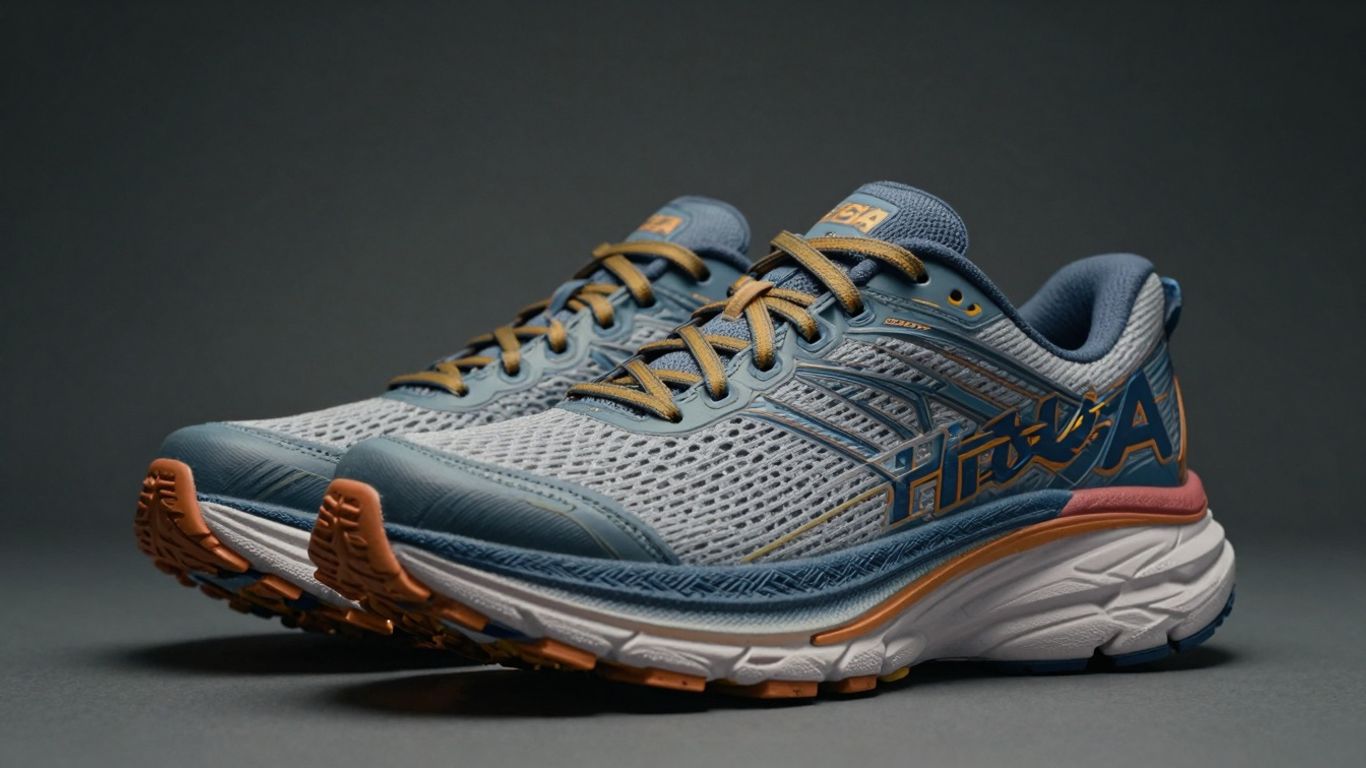
The Hoka Arahi 7 is a solid choice if you’re looking for a shoe that offers a good amount of support without feeling overly stiff. It’s designed for runners who overpronate, meaning their feet tend to roll inward a bit too much when they run. Hoka uses what they call an H-Frame system in this shoe, which is basically a firmer piece of foam built into the midsole. This helps guide your foot and keep it more stable through your stride.
What’s nice about the Arahi 7 is that even though it’s a stability shoe, it doesn’t feel clunky. It manages to be pretty lightweight and offers a smooth ride, which is something Hoka is known for. Some people found the previous version a little snug in the midfoot and toe box, but Hoka made some adjustments here, and many runners, especially those with wider feet, found it to be more comfortable and accommodating. It’s a shoe that can handle your daily miles and even pick up the pace if you want to.
Key Features:
- H-Frame stability system for support.
- Lightweight and smooth ride for a stability shoe.
- Refined fit in the midfoot and toe box compared to previous models.
- Good for daily training and can handle faster paces.
While the Arahi 7 is generally well-received, some runners with very narrow feet might find the fit a bit too wide. It’s always a good idea to try them on if you can, especially if you have specific fit concerns.
This shoe is a good option for those who need that extra bit of guidance in their stride but still want a shoe that feels responsive and not like you’re running in bricks. It strikes a nice balance between support and a comfortable, almost gliding feel.
6. Brooks Glycerin 22 Gts
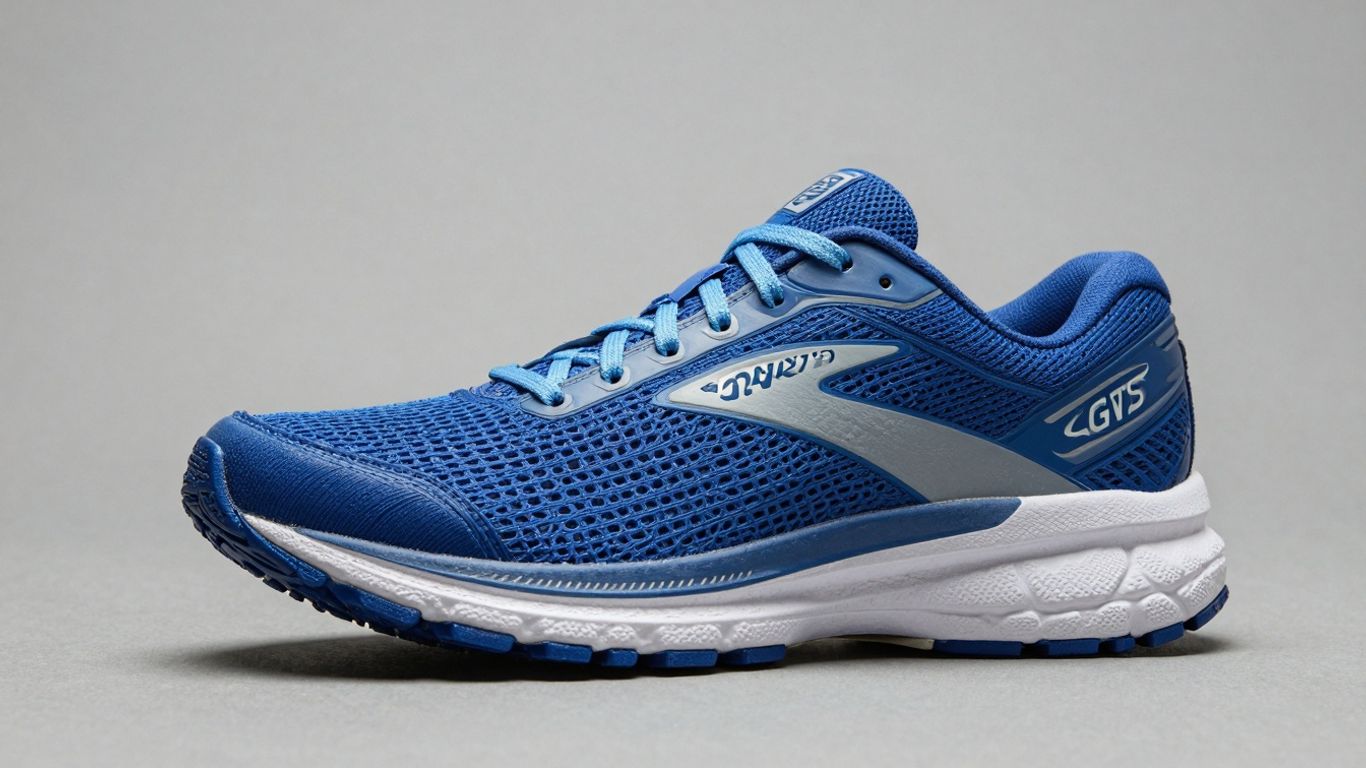
The Brooks Glycerin 22 GTS is a shoe that really focuses on giving you a super soft ride, which is great if you’re looking for comfort on those longer runs. It’s designed to help with overpronation, meaning it has some built-in support to keep your foot from rolling inward too much. This shoe uses Brooks’ GuideRails technology, which acts like bumpers to keep your foot aligned without feeling overly stiff or restrictive.
It’s a solid choice for runners who want a plush feel combined with reliable stability. You get a good amount of cushioning, so your feet should feel pretty happy even after miles and miles. It’s not the most responsive shoe out there, but that’s not really its main goal. Its strength lies in its ability to absorb impact and provide a smooth transition from heel to toe.
Here’s a quick look at what makes it stand out:
- Soft Cushioning: The midsole is designed for a really comfortable, almost cloud-like feel.
- GuideRails Support: This system helps guide your foot into a more natural alignment, which is key for overpronators.
- Smooth Ride: Expect a consistent and smooth experience with every step.
While it’s not built for speed, the Glycerin 21 GTS is a dependable option for daily training and recovery runs. If you’re looking for a shoe that feels good mile after mile and offers that extra bit of support, this one is definitely worth considering. You can find out more about Brooks’ commitment to comfort and performance on their official website.
This shoe offers a nice blend of softness and support, making it a good all-around option for many runners dealing with overpronation. It’s comfortable enough for long distances but still provides the stability needed to keep your stride in check.
7. Movv Solara
The Movv Solara is a really interesting option if you’re looking for a shoe that supports your natural stride without feeling overly controlling. They spent a lot of time looking at how people actually run, and it shows. Instead of trying to force your foot into a specific position, the Solara aims to work with your body’s natural movements, offering support when and where you need it.
One of the standout features is the asymmetrical heel stabilizer. It’s designed to help with overpronation, but it doesn’t feel like a rigid block. It’s more about guiding your foot gently, especially on the inner side and midfoot, which is where a lot of pronation happens. They also have this SenMo Zone that gives your arch active support every time you land. It’s not just passively holding your arch up; it’s working with each step. Plus, the forefoot design lets your toes spread out naturally, which is pretty important for stability during the push-off phase.
The philosophy behind the Solara is that good support shouldn’t fight your natural running form. It should complement it, providing a protective layer without taking away from the feel of the run.
When it comes to the ride, the Ground SenseFoam midsole offers a good balance. It’s cushioned enough to absorb impact, so your legs don’t feel totally beat up after a run, but it doesn’t feel mushy or disconnected from the ground. You still get that feedback from the terrain, which helps your body adapt. The upper is made of OrganoMesh, which is breathable and adapts to your foot as it swells during longer runs. And the outsole, DuraSole, is built to last without making the shoe feel clunky.
Here’s a quick look at what makes the Solara tick:
- Asymmetrical Heel Stabilizer: Guides the foot without restricting natural motion.
- SenMo Zone: Provides dynamic arch support with each foot strike.
- Natural Forefoot Design: Allows toes to splay for better stability.
- Ground SenseFoam Midsole: Offers responsive cushioning with good ground feel.
- OrganoMesh Upper: Breathable and adaptive for a comfortable fit.
- DuraSole Outsole: Durable for long-lasting wear.
Overall, the Solara feels like a shoe that understands that runners are individuals. It’s a solid daily trainer that provides noticeable guidance, and honestly, it looks pretty good too.
8. Stability Shoes
So, you’ve heard the term ‘stability shoes’ thrown around, and maybe you’re wondering what the big deal is. Basically, these shoes are designed for runners whose feet tend to roll inward a bit too much when they land, a common thing called overpronation. If you’ve got flatter feet or lower arches, you might find these particularly helpful. They’re built with features to gently guide your foot into a more neutral position as you run.
Think of it like this: your foot has a natural way of moving when you run. Overpronation means that inward roll goes a little further than it should, which can sometimes lead to discomfort in your feet, ankles, or even knees over time. Stability shoes aim to provide just enough support to keep that roll in check without feeling stiff or overly corrective. It’s about finding that sweet spot where your foot feels supported but still moves naturally.
Here’s a quick rundown of what makes them tick:
- Medial Support: Many stability shoes have firmer foam on the inside edge of the midsole. This helps slow down that inward roll.
- Guide Rails: Some brands use systems that act like bumpers on the sides of your foot, keeping it aligned.
- Wider Base: A broader platform underfoot can also add a sense of stability.
- Structured Heel Counter: This part at the back of the shoe helps lock your heel in place.
It’s not always a one-size-fits-all situation, though. Some runners might benefit from a shoe that offers a bit of support, like the ASICS Gel Kayano 14, while others might need something more robust. If you’re unsure, getting your gait checked by a pro is always a good idea. They can help you figure out if a stability shoe is truly what you need or if something else might be a better fit for your stride. The goal is comfort and injury prevention, not forcing your foot into an unnatural position.
9. Motion Control Shoes
Motion control shoes are the heavyweights in the stability world. Think of them as the most structured option available for runners who need maximum support. If you have very flat feet or experience significant overpronation, these shoes are designed to limit excessive inward rolling of your foot. They often feature a wider base, firmer midsoles, and sometimes even rigid posts on the medial side to keep your foot aligned.
These shoes are built to provide the highest level of pronation control. They are less flexible than other types of running shoes, and that’s by design. The goal is to prevent your foot from collapsing inward too much, which can lead to discomfort or injury over time. While they might feel a bit stiffer than what you’re used to, the trade-off is serious stability.
Here’s a quick look at what makes them tick:
- Maximum Support: Engineered with the firmest midsoles and often a straight-last construction for unwavering stability.
- Medial Posting: Denser foam or plastic inserts on the inside of the shoe to counteract excessive inward rolling.
- Wide Base: A broader platform underfoot offers a more stable landing.
- Rigid Heel Counter: A firm cup around the heel helps lock your foot in place.
If you’ve been told you have severe overpronation or have experienced injuries linked to foot collapse, motion control shoes are definitely worth considering. They offer a robust solution for runners who need that extra bit of guidance and structure with every stride. It’s all about keeping your foot in a more neutral position from the moment it hits the ground until it pushes off.
10. Daily Trainers
When you’re not specifically training for a race or dealing with significant pronation issues, a good daily trainer is your go-to shoe. These are the workhorses of your running rotation, designed for comfort and durability across a wide range of runs, from short jogs to longer efforts. They offer a balanced blend of cushioning and responsiveness, making them versatile enough for most runners on most days.
The key is finding a shoe that feels good mile after mile. It should provide enough support for your natural foot strike without feeling overly restrictive. Think of them as your reliable running partner, always ready to go when you are.
Here are a few things to consider when picking a daily trainer:
- Cushioning Level: Do you prefer a plush, soft feel or something a bit firmer and more responsive? This is personal preference and can depend on your running surface and distance.
- Fit: A comfortable fit is non-negotiable. Make sure there’s enough room in the toe box and no heel slippage.
- Durability: Daily trainers are meant to last, so look for shoes with robust construction that can handle regular use.
Many daily trainers are neutral shoes, meaning they don’t have specific features to correct pronation. However, their inherent stability and cushioning can still be beneficial for many runners. If you’re looking for a solid all-around shoe, consider options like the Brooks Ghost 17, which is known for its comfort and versatility.
| Shoe Model | Cushioning | Weight (oz) | Drop (mm) | Best For |
|---|---|---|---|---|
| HOKA Clifton 10 | Plush | 7.9 | 5 | Daily runs, recovery, long walks |
| HOKA Bondi 9 | Plush | 7 | 5 | Daily training, recovery, long days |
| Saucony Ride 18 | Medium | 8.4 | 8 | Daily trainer, long runs, distance |
| Nike Pegasus 41 | Max Comfort | 8.9 | 10 | Daily trainer |
| Brooks Ghost 17 | Medium | 8.5 | 12 | Daily trainer, beginners |
Choosing a daily trainer is about finding that sweet spot between comfort, support, and performance for your everyday runs. It’s the shoe you’ll reach for most often, so making the right choice can significantly impact your running experience.
Closing Thoughts
So, finding the right running shoes for overpronation isn’t about chasing some perfect, rigid solution. It’s more about listening to your body and picking shoes that feel good and help you keep moving without pain. Modern shoes are pretty smart now, offering support that guides your foot instead of fighting it.
Remember, the best shoe is the one that feels right on your feet when you’re out there running. Don’t be afraid to try a few different options, and if you’re really unsure, a chat with the folks at a running store can point you in the right direction. I hpe this post on what are the best running shoes for overpronation women has been helpful.
Frequently Asked Questions
How do I know if I overpronate?
A good way to tell if you overpronate is to look at your old running shoes. If the inside edge of the sole is worn down a lot, especially under your big toe, it might mean you overpronate. Also, if you often feel pain in your ankles, knees, or the inside of your lower leg after running, your shoes might not be giving you enough support. Sometimes, a running store can help by watching you run.
What kind of shoes are best for overpronation?
Shoes for overpronation, often called stability shoes, are designed to help guide your foot as you run. They usually have a stiffer base, a strong heel, and features that keep your foot from rolling inward too much. The goal is to provide support without making the shoe feel too stiff or controlling.
Do I need special shoes if I only overpronate a little?
If you only overpronate a little, or only when you get tired, a shoe that offers a bit of support but isn’t super stiff might be perfect. These are sometimes called ‘stable neutral’ shoes. They give you a little extra help without changing how you naturally run.
Can stability shoes feel too stiff?
Yes, some stability shoes can feel very stiff and controlling, especially older designs. Modern stability shoes are much better. They use smarter designs, like different types of foam and shapes that gently guide your foot, rather than forcing it into place. The best ones feel supportive but still comfortable.
How long do running shoes for overpronation usually last?
Running shoes for overpronation might not last as long as shoes for neutral runners. This is because the way an overpronating foot lands can put more stress on the shoe. Things like the material in the front of the shoe (toebox), the padding in the heel, and the bottom tread (outsole) can wear down faster. It’s good to check for wear and tear regularly.
What’s more important: shoe support or how the shoe feels?
How a shoe feels is super important! Your body has a natural ‘comfort filter.’ If a shoe feels wrong, unstable, or uncomfortable, it’s a sign. While support features are helpful for overpronation, the best shoe is ultimately the one that feels good when you run and helps you stay pain-free. Listen to your body!