
How to Pace the First Mile of a 3200
Wondering how to pace the first mile of a 3200? So, you’re gearing up for a 3200m race and wondering about that first mile? It’s easy to get caught up in the excitement and go out way too fast, but trust me, that’s a mistake you’ll regret later. Getting the first mile right is super important, like setting the foundation for your whole race. It’s not about sprinting; it’s about finding a rhythm and setting yourself up for success. Let’s talk about how to pace that crucial opening mile so you can finish strong.
Key Takeaways
- How to pace the first mile of a 3200? The 3200m is a race of patience, not a sprint from the gun. Think of the first mile as the setup for the rest of your race.
- Establish a comfortable breathing pattern early, maybe a 3:2 count (inhale for 3 steps, exhale for 2), and stick with it. This helps you stay relaxed and in control.
- Avoid the urge to surge or speed up just because others are or because you feel good. Save your energy for the later stages of the race.
- Pay attention to where you are in the pack. Try not to get boxed in early, but also don’t react to every little move your competitors make.
- Going out too fast in the first mile is a common mistake that leads to fading hard later. Aim for a controlled start that feels almost easy, banking energy for the second mile.
Understanding The First Mile’s Role
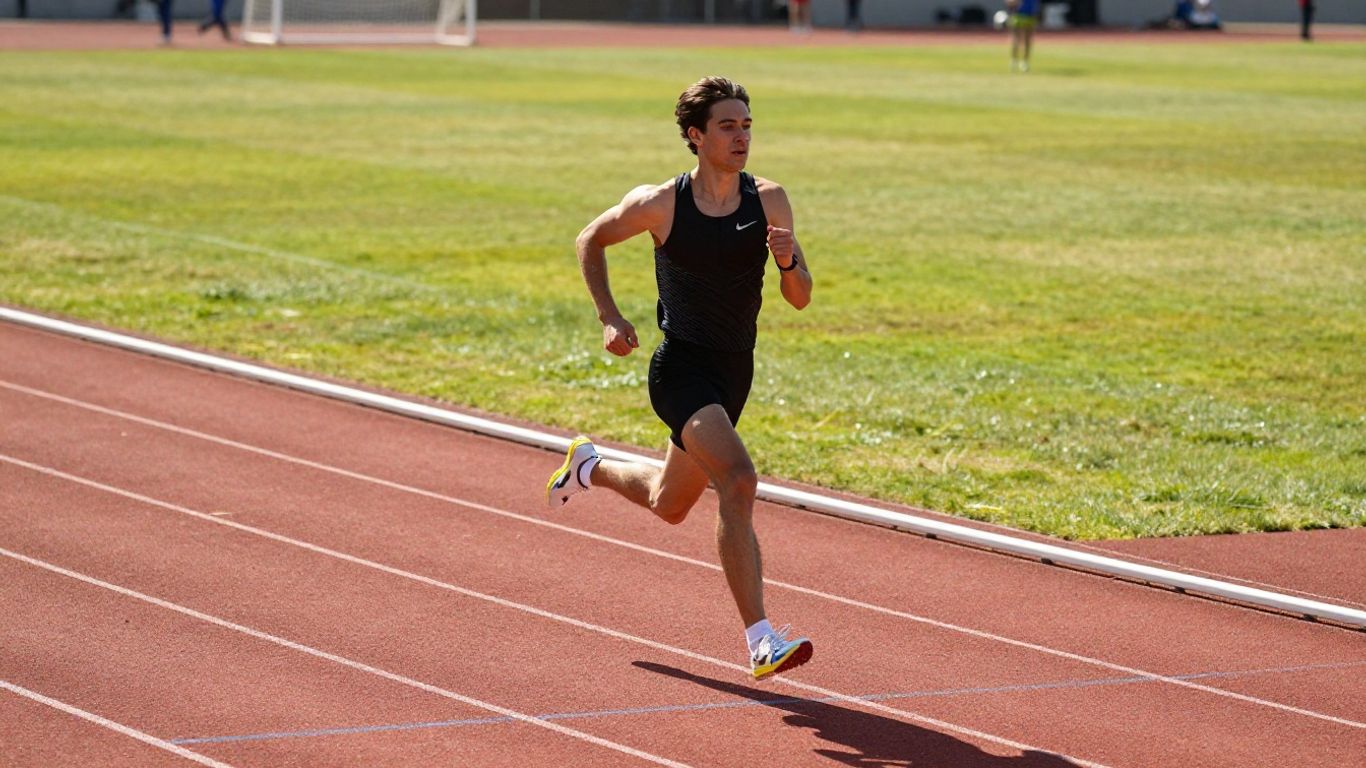
The 3200m: A Race of Patience
The 3200m, or two miles, isn’t a sprint. It’s a distance that demands a smart approach, blending speed with serious endurance. Unlike the mile, which can feel like a sustained burst, the 3200m requires you to settle into a rhythm and hold it. Think of it as a marathoner’s mindset applied to a shorter, faster race. You’ve got to be patient, especially in the early stages. Trying to run it like a mile is a recipe for disaster, leading to a painful fade in the later laps. The goal is to feel strong throughout, not just at the start.
Why the First Mile Matters Most
How to pace the first mile of a 3200? The opening mile of a 3200m race sets the tone for everything that follows. It’s where you establish your rhythm, conserve energy, and mentally prepare for the challenges ahead. Going out too fast here is a common mistake. You might feel good for the first 800 meters, even passing a few people, but that early effort often comes back to haunt you.
The first mile should feel controlled, almost easy, allowing your body to warm up properly and your breathing to settle. This controlled start is key to avoiding the dreaded ‘wall’ later in the race. It’s about setting yourself up for a strong second half, not burning out before you’ve even hit the halfway point. Learning to pace this initial segment is a skill that pays dividends throughout the entire race and can help you achieve a new personal record.
Setting the Stage for Success
Getting the first mile right is about more than just speed; it’s about strategy and self-awareness. Here’s what you should aim for:
- Controlled Effort: The first mile should feel comfortable, allowing you to hold a conversation if needed. This means running at a pace that feels sustainable, not taxing.
- Rhythm Development: Focus on finding a consistent breathing pattern and stride. This early rhythm will be your anchor when the race intensity increases.
- Strategic Positioning: Avoid getting caught in traffic or making impulsive moves. Stay aware of your surroundings and competitors without getting drawn into their pace.
- Mental Readiness: Use the first mile to settle your nerves and focus. A calm, collected start contributes significantly to a strong finish. It’s about building confidence for the miles to come.
The first mile is your foundation. Build it wisely, and the rest of the race becomes much more manageable. A rushed or overly aggressive start can unravel your entire race plan before you’ve even truly begun.
This initial phase is where you can practice the 3:2 breathing ratio that many runners find effective for longer distances. It’s about finding that sweet spot where you’re working but not overworking, preparing your body and mind for the sustained effort required in the second mile and beyond.
Establishing Your Rhythm Early
A steady, reliable rhythm in the first mile can set you up for a much better 3200m. If you let excitement or nerves take over early on, your whole race can unravel. Finding the rhythm that works for you—right from the beginning—is a massive step toward a smart, strong finish.
Finding Your Breathing Pattern
Breathing might seem automatic, but in an eight-lap race, how you breathe matters. Start figuring out what feels natural during training: maybe it’s taking a breath every three steps, or something else. The right breathing pattern keeps your oxygen levels steady, saves energy, and helps you stay calm. Try to make your breathing just a background track, not your main focus.
- Experiment with a few different patterns on your tempo runs, like 3 steps in/2 steps out or 2/2, and see which one feels most comfortable.
- Stick to your chosen rhythm even if people around you start speeding up or slowing down.
- Don’t let nerves force you into shallow, quick breaths—use your breath to keep your head clear, not to ramp up stress.
The 3:2 Breathing Ratio
A 3:2 pattern—inhale for three steps, exhale for two—is popular for a reason. It usually matches the effort level of a well-run first mile in a 3200m. If you try this out in workouts, you’ll probably notice you can keep things relaxed but still moving at race pace.
| Breathing Pattern | When to Use | Purpose |
|---|---|---|
| 3:2 | First mile | Steady, controlled effort |
| 2:2 | Closing laps | Stronger push, more oxygen |
If the 3:2 doesn’t feel right, that’s fine. Switch it up. What matters is you stay consistent—don’t start switching patterns every 400m.
Maintaining Consistency
Sticking to your rhythm is half the battle. Consistency with your breathing, cadence, and pace early on keeps you from burning too much energy responding to every move in the pack or to your own adrenaline.
- Try to run your first two laps within a second or two of each other.
- Check in with your form each lap. Are your arms swinging the same way? Are your shoulders relaxed?
- If you notice you’re slipping off pace, fix it gradually—instead of wild shifts, just dial things gently back to target.
The first mile should almost feel boring. If you’re working too hard, you probably need to pull back a bit, settle in, and trust that holding rhythm now means you’ll have legs left when it counts later.
The Psychology of the Opening Mile
Embracing Discomfort
The first mile of a 3200m race isn’t just about physical pacing; it’s a mental game. You’re going to feel uncomfortable, and that’s okay. The key is learning to accept that feeling without letting it dictate your race. Think of it like this: that initial effort is supposed to feel a little tough. It’s your body warming up, getting ready for the real work ahead. Instead of fighting that feeling, try to acknowledge it. It’s a sign you’re working, not a sign you should slow down. Practicing this acceptance during tough training runs, like tempo sessions or hard interval workouts, will make a huge difference when it counts.
Avoiding Premature Surges
It’s easy to get caught up in the excitement of the race, especially when other runners start moving. Someone passes you, or you feel a burst of energy, and suddenly you’re pushing harder than you planned. This is a common trap. Those little surges, while they might feel good in the moment, can really mess up your overall race plan. They burn energy you’ll need later. Think of the first mile as a controlled build-up, not a series of mini-sprints. Save your big moves for when they’ll actually count, like the last half mile.
The ‘Easy’ First 800m
This might sound counterintuitive, but that first 800 meters should feel almost easy. Seriously. It’s your chance to settle into a rhythm and let your body get used to the race pace without going into the red. You’re not trying to win the race in the first two laps. Instead, focus on smooth breathing and maintaining good form. This controlled start means you’ll have plenty left for the second half of the race, where you can actually start making moves and passing runners who went out too hard. It’s about being patient and letting the race come to you.
Strategic Positioning and Awareness
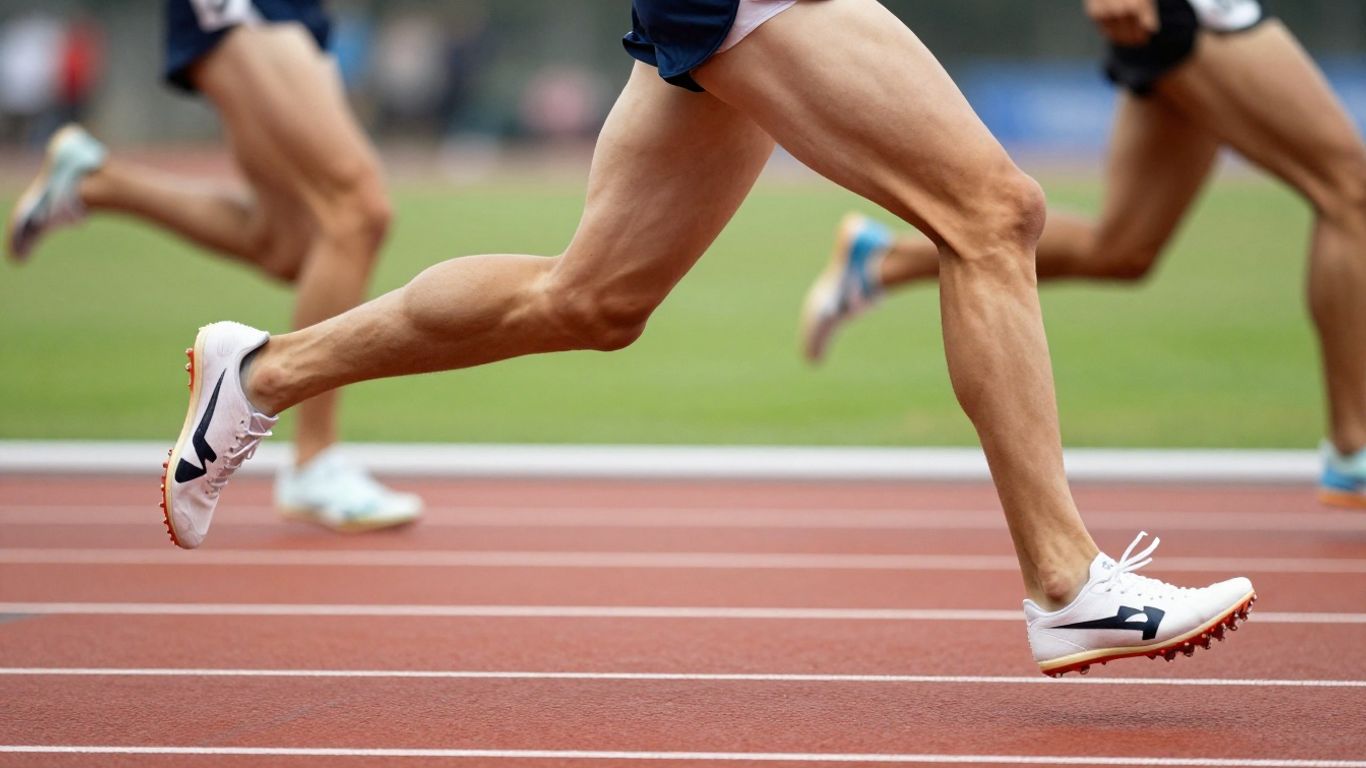
The first mile of a 3200m isn’t just about setting a pace; it’s also about where you are on the track and what everyone else is doing. Think of it like a chess match, but with more sweating. You don’t want to get stuck behind slower runners early on, that’s just a recipe for wasted energy and frustration. It’s better to be a little wide or gradually move up in the first few laps than to be boxed in.
Avoiding Early Traffic Jams
Getting caught in the pack early can really mess with your race. If you’re stuck behind someone who’s running slower than your target pace, you’re essentially running slower than you want to, and you’ll have to expend extra effort to get around them later. This is especially true if you’re on the inside lane. Try to find a clear path or a comfortable spot where you can maintain your rhythm without fighting for position. It might feel like you’re giving up a few inches by staying slightly wide, but in the long run, it saves you a lot of hassle.
Observing Competitors Without Reacting
It’s natural to look around and see what the other runners are doing. Are they surging? Are they looking comfortable? The key here is to observe without getting caught up in their race. Don’t let someone else’s move dictate your effort. If someone makes a sudden burst, unless it’s a planned part of your strategy, let them go. Your race plan is based on your fitness, not on reacting to every little thing others do. Save your energy for when you truly need it.
Latching Onto the Right Pace
Finding the right group to run with is super important. You want to be with people who are running at or very close to your goal pace. This provides a bit of drafting and also a psychological boost. However, be careful not to latch onto a pace that’s too fast for you just because it’s there. It’s better to be slightly behind your goal pace with a comfortable group than to be struggling at a pace that’s too aggressive. Remember, the goal is to run your race, and that includes finding the right company for the journey.
The first mile is about setting yourself up for the rest of the race. It’s about finding your rhythm, your position, and your mental space. Don’t rush it, but don’t be passive either. Be aware, be smart, and let the race come to you.
Pacing for a Strong Finish
The Danger of Going Out Too Fast
This is where so many races go wrong. You feel good, maybe a little too good, and you start picking it up. Suddenly, you’re running way faster than your planned pace. It feels great for a lap or two, but then reality hits. That early surge burns through your energy reserves way too soon.
It’s like spending all your money on the first day of vacation, you’re broke by Tuesday. The 3200m is a long race, and a fast start often leads to a slow finish. You might see people pass you in the last mile, and there’s not much you can do about it because you’ve already spent your fuel.
Banking Time Without Overexertion
So, how do you avoid this trap? It’s all about smart pacing. Think of the first mile as setting a solid foundation, not as a sprint. You want to be running comfortably, maybe even feeling like you could go a little faster, but holding back. This is where you ‘bank’ energy.
You’re not trying to gain huge chunks of time early on, but rather establishing a rhythm that you can maintain. If you can run your first mile right around your goal pace, or even a few seconds slower, you’re in a great position. This allows you to feel strong as the race progresses, rather than depleted. Learning to run at your goal pace is key here.
Preparing for the Mid-Race Grind
Around the halfway point, things start to get tough. This is the mental and physical grind. Your legs might feel heavy, and your breathing will be harder. This is precisely why a controlled first mile is so important. If you went out too fast, this is where you’ll really start to suffer.
But if you paced it well, you can handle this discomfort. You need to be mentally ready for this. Think about it: the race isn’t won in the first mile, it’s won in the last mile. So, focus on maintaining your effort, staying relaxed, and preparing for that final push.
Here’s a simple breakdown for the middle miles:
- Miles 1-2: Focus on rhythm and consistency. Feel controlled, not strained.
- Mile 2: Assess your effort. You should feel like you’re working, but still have more to give.
- Mile 2-3: Maintain your pace. Resist the urge to speed up too much, but also don’t let it drop significantly.
The middle miles are where you prove your training. It’s not about feeling amazing; it’s about executing your plan when it gets hard. Stay focused on your breathing and your form, and trust that your early pacing will pay off.
Wrapping It Up
Seeking answers to how to pace the first mile of a 3200? So, that first mile in your 3200m race? It’s not about sprinting out of the gate. Think of it more like a controlled warm-up, a chance to settle into your rhythm and find your pace. Going out too hard is a surefire way to hit a wall later.
Instead, focus on smooth breathing and staying relaxed. You’ll pass more people in the second half of the race when they’re struggling, not when everyone’s fresh. Remember, patience in those early laps pays off big time when it counts. Stick to your plan, trust your training, and you’ll be surprised at how strong you can finish.
Frequently Asked Questions
Why is the first mile of a 3200m race so important?
The first mile sets the tone for the whole race. If you start too fast, you’ll get tired too soon and struggle later. If you start too slow, you might not have enough time to catch up. It’s like setting up your game plan – a good start makes the rest of the race much smoother and helps you finish strong.
How should I breathe during the first mile?
Finding a good breathing rhythm early is key. Many runners find a 3:2 pattern works well, meaning you breathe in for three steps and out for two. The most important thing is to find a pattern that feels natural and stick with it. Don’t let your breathing get all choppy; a steady rhythm helps you stay relaxed and conserve energy.
What’s the best way to pace myself in the first mile?
Think of the first mile as a warm-up that’s part of the race. It should feel comfortable, maybe even a little easy. Avoid the urge to speed up just because others are or because you feel good. Stick to a pace that you know you can maintain, and save your energy for the second mile where the real race begins.
Should I try to stay with the fastest runners right away?
It’s usually better to observe the leaders without immediately trying to match their pace. Sometimes, the fastest runners go out too hard. Find a comfortable pace for yourself and a good position in the pack. You can always move up later if you feel strong, but don’t get caught up in someone else’s race too early.
What does it mean to ‘bank time’ without overexerting?
Banking time means running at a pace that feels controlled and sustainable in the first mile. You’re not pushing your hardest, but you’re also not going too slow. This allows you to build a slight advantage or ‘bank’ energy for later in the race, so you don’t hit a wall when you need to push hard.
How do I handle the discomfort that comes in the second mile?
The second mile of a 3200m race is often where it gets tough. It’s important to be mentally prepared for this. Remind yourself that discomfort is normal and that you’ve trained for it. Focus on your breathing and maintaining your form, even when your legs feel tired. Knowing that this tough part will eventually end helps you push through.