
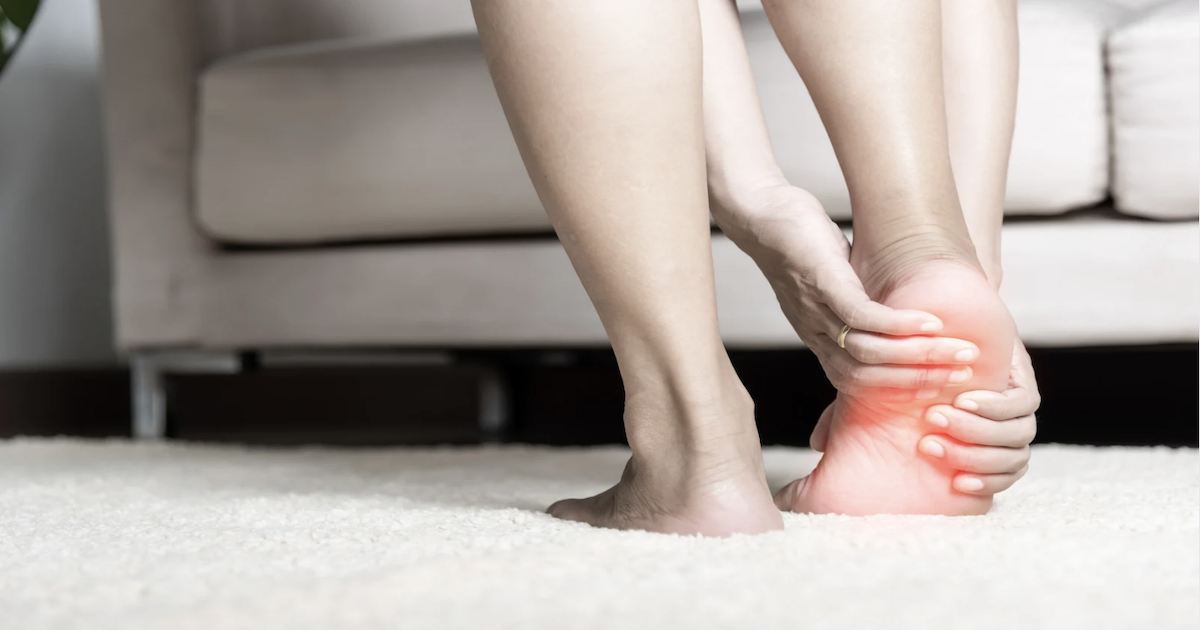
Heel Pain Running | Remedies to Heal
Seeking more ways to heal from heel pain running slow or fast? If so, it is awesome you have made it here to RunDreamAchieve.
My hope is that the information contained within this post and the fitness resources located here will be what you were looking for.
Be sure to subscribe to the RunDreamAchieve YouTube channel. I focus on making a few new videos there weekly to help athletes like you get better results.
In this post, I’ll walk you through the various causes of heel pain, the symptoms to watch for, and the best treatment options to help you heal and get back on the road.
We’ll also explore preventative measures and when to seek medical attention.
By the end, you’ll be equipped with the knowledge and tools to conquer heel pain and continue your running journey.
Understanding Heel Pain Running
Heel pain is a common complaint among runners, and it can arise from a variety of factors. From overuse to improper footwear, the causes can be multifaceted.
Understanding the underlying reasons behind heel pain running is the first step in finding the right solution.
Common Causes of Heel Pain in Runners
- Plantar Fasciitis: This is the most common cause of heel pain running slow or fast. It occurs when the thick band of tissue (plantar fascia) that runs along the bottom of the foot becomes inflamed and irritated.
- Achilles Tendinitis: The Achilles tendon, which connects the calf muscles to the heel bone, can become inflamed and painful, particularly with increased training or sudden changes in activity.
- Heel Spurs: These bony growths on the underside of the heel bone can develop over time and cause discomfort, especially with weight-bearing activities like running.
- Stress Fractures: Repeated stress on the heel bone can lead to tiny cracks or fractures, resulting in heel pain and difficulty bearing weight.
- Bursitis: The small, fluid-filled sacs (bursae) that cushion the heel bone can become inflamed, leading to heel pain and tenderness.
Symptoms and Diagnosis of Heel Pain Running
The primary symptom of heel pain is, well, pain! You may experience a sharp, stabbing sensation in the heel, especially when first stepping down in the morning or after periods of rest. Other common signs include:
- Stiffness or tightness in the heel and arch
- Difficulty bearing weight on the affected foot
- Swelling or redness around the heel
- Decreased range of motion in the ankle and foot
If you’re experiencing persistent or worsening heel pain running, it’s important to seek a proper diagnosis from a healthcare professional, such as a podiatrist or sports medicine specialist.
They can perform a physical examination, review your medical history, and potentially order imaging tests like X-rays or MRI scans to determine the underlying cause.
Treatment Options for Heel Pain Running
The good news is that there are a variety of effective treatment options for heel pain running, ranging from conservative measures to more advanced interventions.
The specific approach will depend on the underlying cause and the severity of your symptoms.
Rest and Recovery for Heel Pain
One of the first steps in addressing heel pain is to allow your body to rest and recover.
This may involve:
- Taking a break from running or high-impact activities
- Applying ice to the affected area to reduce inflammation
- Using over-the-counter anti-inflammatory medications
- Wearing supportive, well-cushioned footwear
Stretching and Strengthening Exercises for Heel Pain
Incorporating targeted stretching and strengthening exercises can be incredibly helpful in managing and preventing heel pain running.
Some effective exercises include:
- Plantar Fascia Stretch: Sit with your affected leg crossed over the other. Gently pull your toes towards your body, feeling the stretch in the arch and heel.
- Calf Raises: Stand with your feet shoulder-width apart and slowly raise up onto your toes, then lower back down. Repeat for 10-15 reps.
- Towel Scrunches: Place a towel on the floor and use your toes to scrunch and pull the towel towards you.
- Resistance Band Exercises: Use a resistance band to strengthen the muscles and tendons in the foot and ankle.
Proper Footwear for Preventing Heel Pain
Investing in the right running shoes can make a significant difference in preventing and managing heel pain. Look for shoes with:
- Ample cushioning and support in the heel and arch
- A stable, rigid heel counter to prevent excessive pronation
- Enough room in the toe box to allow for natural foot movement
It’s also a good idea to replace your running shoes every 300-500 miles, or when they start to show signs of wear and tear.
Other Treatment Options
In some cases, more advanced treatment options may be necessary, such as:
- Custom orthotics or arch supports
- Physical therapy to address muscle imbalances and improve flexibility
- Corticosteroid injections to reduce inflammation
- Extracorporeal shockwave therapy (ESWT) to stimulate healing
- In severe cases, surgery to address structural issues
Tips for Preventing Heel Pain While Running
Alongside the treatment options, there are several preventative measures you can take to reduce the risk of heel pain while running:
- Gradually increase your training volume and intensity to allow your body to adapt.
- Incorporate cross-training activities like cycling or swimming to give your feet a break.
- Perform regular self-care, such as foam rolling, massage, and icing to promote recovery.
- Maintain a healthy weight to reduce stress on your feet and lower extremities.
- Consider using a running gait analysis to identify and correct any biomechanical issues.
When to Seek Medical Attention for Heel Pain
While many cases of heel pain can be managed with conservative treatment, there are certain situations where it’s essential to seek medical attention:
- Persistent pain that doesn’t improve with rest and self-care
- Severe, debilitating pain that interferes with daily activities
- Sudden, severe pain that may indicate a more serious injury
- Any signs of infection, such as redness, swelling, or fever
Don’t hesitate to consult with a healthcare professional, as they can provide a proper diagnosis and develop a personalized treatment plan to get you back on the road to recovery.
Conclusion: Healing and Getting Back on Track with Running
Heel pain can be a frustrating and disruptive condition, but with the right approach, it is very treatable.
By understanding the underlying causes, implementing effective treatment strategies, and taking preventative measures, you can overcome heel pain and get back to the running you love.
Remember, the key is to listen to your body, be patient with the healing process, and work closely with your healthcare team. With dedication and the right plan, you can conquer heel pain and continue your running journey stronger than ever.


