

Flying Pig Marathon: Cincinnati’s Most Fun Race Guide
Runners crest Cincinnati’s hills as crowds line the streets, cheering them toward the next mile. That scene captures the Flying Pig Marathon’s appeal, but the climbs also make this a race worth researching before you set a goal or book a trip.
This review looks at whether the event fits your fitness, budget, and idea of a great race. The event starts and finishes near Downtown Cincinnati. You’ll get a fair look at the course, race-day atmosphere, planning logistics, and trade-offs, including the hilly terrain and busy event schedule. Remember, make sure to book your Flying Pig Marathon hotels early to save on costs.
First, here are the key points to consider before deciding if the event belongs on your race calendar. Be sure to check out the RunDreamAchieve YouTube channel for weekly running tips.
Key Takeaways
- The Flying Pig Marathon takes runners through Cincinnati, with an urban course that gives the race a strong local feel.
- Its hills can make pacing and energy management harder, so include sustained climbs in your marathon training.
- Spectators and neighborhood support add energy on race day, especially when the course starts to feel demanding.
- This race may suit runners who value a lively event and can prepare for rolling terrain, rather than a flat, fast course.
- Routes can change by year, so review the official Flying Pig Marathon course information before making travel plans.
Flying Pig Marathon review: what makes this Cincinnati race stand out
The P&G Flying Pig Marathon is a destination race with a personality rooted in the region. Its appeal goes beyond the hilly course: runners can choose a distance that fits their experience, while the city’s playful theme and neighborhood support give the weekend a distinctly local feel.
A race weekend built for more than marathoners
The marathon gets the most attention, but it’s only one option. The current Flying Pig Marathon weekend event guide also lists a half marathon, 10K, 5K, 50 West Mile, and four-person team division. Families can take part in the Flying Piglet, while PigAbilities and The 26th Mile add opportunities beyond the standard road races. Pig Works organizes the event and also produces the Queen Bee Half Marathon, BLINK: Run the Night, and the TQL Beer Series.
That range makes the weekend easier to share. Newer runners can choose a shorter distance, experienced racers can take on the full or half marathon, and team members can divide the marathon route. Children have their own way to join, too: the event’s 26th Mile youth program connects school-aged participants with the community celebration.
The format also gives spectators more to do than wait at one finish line. Friends and relatives can race, cheer, or meet up around events throughout the schedule, which helps turn a marathon trip into a group experience.
The playful theme and Cincinnati spirit
The pig theme is more than a name on the calendar. The pig motif honors the city’s 19th-century meatpacking heritage, when it was nicknamed “Porkopolis.” The event’s lighthearted identity carries through its branding and race-weekend atmosphere, making the Flying Pig easy to recognize among big-city races. That playfulness softens the serious work of marathon day without taking away from the challenge of the hills.
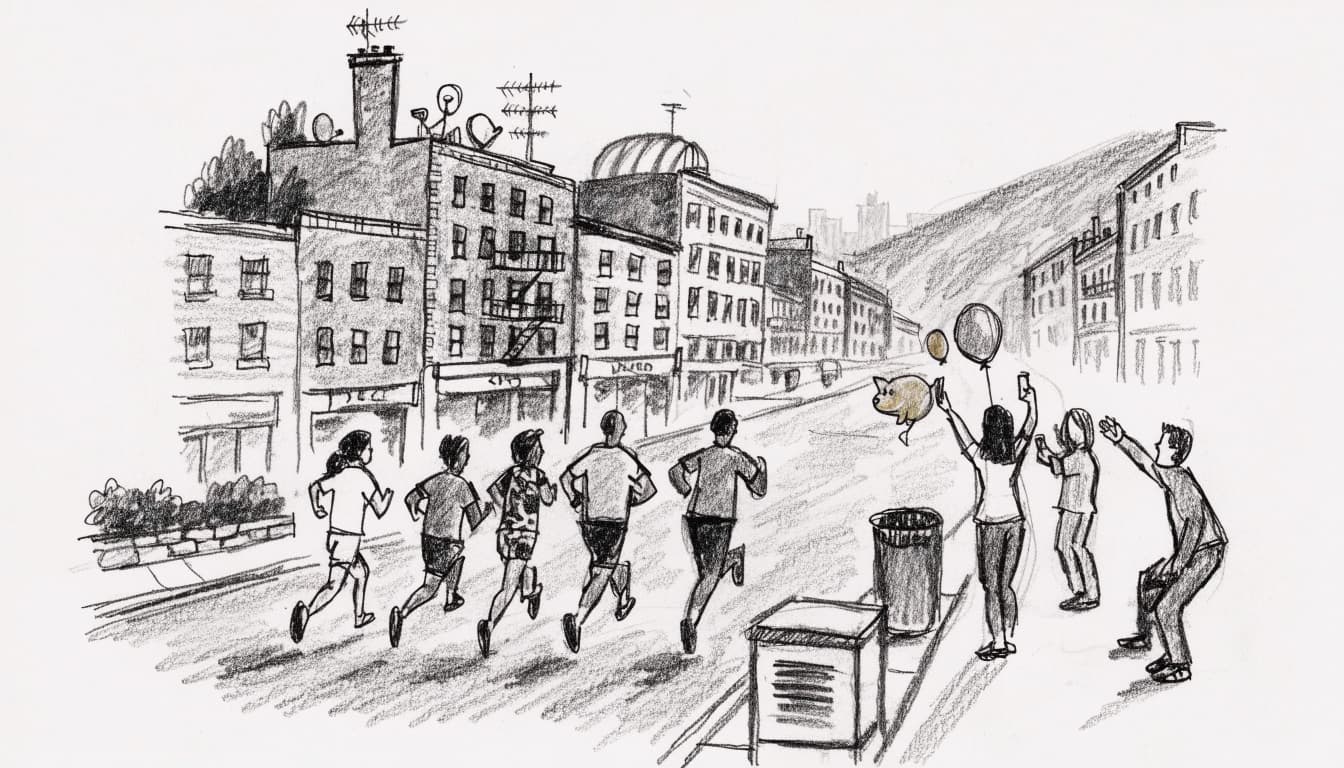
The host city itself remains central to the experience. Runners move through city streets and neighborhoods, where spectators bring local character to the route. The support can make a demanding stretch feel more connected to the place than a race held on an isolated course.
For runners choosing a destination event, that combination matters. The Flying Pig offers a full race weekend, a recognizable theme, and a strong sense of place. Its defining appeal is not simply the finish time, but the chance to experience Cincinnati alongside the race.
What the Flying Pig Marathon course feels like mile by mile
The Flying Pig Marathon course moves through downtown Cincinnati, crosses the Ohio River, and returns through Northern Kentucky before settling into city neighborhoods.
That mix of urban streets, bridge crossings, and changing terrain shapes how the race feels from the start. Because routes can change by year, check the current official course map and elevation profile before race day. Treat that map as your pacing guide, not last year’s memory.
The opening miles and the bridges
The first miles bring excitement, crowded streets, and early bridge crossings into Northern Kentucky. Noise and adrenaline can push your pace faster than planned. Hold back here, because the bridges and early flat stretches can tempt you to bank time you’ll need later.
River views open up on the crossings, and the bridge surfaces can change your footing and rhythm, so stay alert rather than drifting with the pack. Use these miles to settle into a controlled effort and take in the skyline without racing the runners around you. A smart start on the Flying Pig Marathon pays off once the course turns back across the river.
The hills and the later miles
The signature climb begins around mile 8, taking runners through scenic Eden Park before sweeping river vistas open up. After leaving Eden Park, runners face more rolling hills that test their patience. Practice hill repeats and strength work before race day, then run by even effort instead of chasing a split on every stretch. If you slow slightly on the climbs and recover on the descents, you’ll lose less time than you think. The later miles reward runners who stay patient and protect their energy.
Scenery, neighborhoods, and spectator access
The course shows off the city in pieces: city blocks, river views, bridge crossings, and neighborhood streets where residents bring local energy. Spectators often find cheer points along the route, but the best access depends on the current layout and road closures. Check the official spectator guide before you promise family a meeting place. The mix of scenery and crowd support helps the miles pass, especially when the course gets demanding.
Race-day atmosphere, support, and event organization
Cincinnati brings a loud, costume-friendly crowd to Flying Pig weekend. That energy helps, yet the event still runs on corrals, volunteers, and schedules that move thousands of runners through the streets. Treat the atmosphere as a boost and the logistics as something to plan before you arrive.
Crowds and volunteers can carry you through tough miles
Neighborhood blocks fill with signs, music, and pig-themed cheer sections. Volunteers staff aid stations and call out water and sports drink as you approach. On the climbs, that noise can pull you up a rise when your legs argue otherwise.
The playful identity keeps the mood light. Runners wear tutus, pig ears, and costumes that invite jokes from spectators. That humor helps on a course that asks for real effort.
Still, crowd energy is a bonus, not a replacement for sound pacing and fueling. Cheering doesn’t replace the gel you skipped or the pace you went out too fast to hold. Use the lift to stay steady, not to chase a split.
Crowd support is an established part of the race. Exact cheer zones, entertainment, and volunteer numbers can change by year, so check the current spectator guide before you promise family a specific corner.
Choose Your Distance, Duration and Goal Time
Make three quick selections and open the exact plan built for your race target.
Looking for a Fully Personalized Training Plan?
The training plans above are an excellent choice if they match your goal. However, if you’d rather train with a plan built specifically around your current fitness, goal race, preferred training days, weekly mileage, and target finish time, our RDA Custom Training Plans provide a personalized solution. We also have running courses available for runners seeking to run faster from the mile to the marathon.
Why Choose a Custom Training Plan?
| Standard Training Plan | RDA Custom Training Plan |
|---|---|
| Follows a fixed schedule | Built around your schedule |
| Standard weekly mileage | Peak mileage customized for you |
| Fixed workout days | Train on the days you choose |
| Same structure for everyone | Designed around your current fitness |
| Static plan | Updated as your fitness improves |
| One-time purchase | Ongoing personalized coaching and support |
What You’ll Receive
- A training plan built specifically for your goal
- Personalized training paces
- Long runs, tempo runs, threshold workouts, interval sessions, recovery runs, and easy runs
- Peak weekly mileage matched to your experience level
- Flexible training schedule that fits your life
- Ongoing plan adjustments as your fitness improves
Ready to Train Smarter?
Stop guessing and start following a plan built specifically for you, your schedule, and your racing goals.
What to expect at the start, aid stations, and finish
The start area uses corrals assigned by expected pace. Arrive early, because a large event means busy corrals, lines for gear check, and crowded streets near the opening miles. Seed yourself honestly and expect a walk to your corral.
Aid stations typically offer water and sports drink, with gels or fruit at later stops. Course markings include mile signs and volunteers at key turns. Policies on headphones, gear bags, and cup types can vary, so read the latest participant guide rather than relying on last year’s details.
At the finish, expect a medal, food, and a reunion area that fills quickly. You can track splits and check verified Race results through the official timing system after crossing the finish line. Large races mean crowded exits and slow walks to family meeting points. Pick a specific letter or landmark in advance.
One practical note: the start, aid station menus, and finish services are the details most likely to shift. Confirm schedules and policies in the official guide during race week.
How to plan your Flying Pig Marathon weekend
A strong race weekend starts weeks before you pin on a bib. Cincinnati fills up, hotel rates climb near the start line, and packet pickup hours can shape your travel schedule. Build a plan around the official event timeline, then leave room for race-day surprises. The Flying Pig Marathon rewards runners who sort out logistics early.
Registration, race options, and the total cost
The full marathon is one way to join the weekend, not the only one. The half marathon, 10K, 5K, mile, and team options give families and newer runners a shorter path to the same finish-line energy. Registration prices often rise as deadlines pass, so pick your distance before the calendar forces a higher fee. Budget for more than the entry fee. Travel, lodging, meals, and race gear add up, and high travel demand can push hotel rates higher. Set a range for each category, then book what you can cancel or adjust. Check the official race site for current fees, deadlines, and registration policies, because those details change by year.
Getting to the expo and start line
Packet pickup usually happens at the Fitness Expo, and that stop deserves a slot in your schedule. Go early if you want time to browse, or late if you want fewer crowds. Either way, confirm expo hours and location before you book travel. Your lodging choice affects race morning more than you might expect.
A hotel near the start line cuts stress but costs more. A cheaper room farther out saves money, yet adds transit time and an earlier alarm. Race-morning transport needs a plan, too. Parking restrictions, road closures, and shuttle routes can change, so review the current participant guide before you drive or ride. If you rely on a shuttle, know the first departure and the walk from drop-off to corrals.
What to bring and how to handle race morning
Race morning works best with a simple checklist:
- Shoes and clothing you’ve tested on long runs
- Layers for changing weather
- Nutrition you’ve practiced in training
- Required identification or documents
- A meeting plan for family afterward
Pack those items the night before, then give yourself more time than you think you need. Follow current race rules on bags, headphones, and gear check. Finish areas get crowded, and cell service can slow down, so agree on a specific landmark for your group. A relaxed post-race meal plan also helps you avoid wandering on tired legs.
Who should run it, and how to prepare for the hills
The Flying Pig Marathon suits runners who want a big-city race with neighborhood energy and aren’t chasing a flat course. It can work for beginners and experienced racers, but the right fit depends on your goals and how you train for rolling terrain. Read the course profile before you commit, then match your preparation to the demands.
Is this a good first marathon or a PR course?
First-time marathoners can thrive here because the weekend offers shorter distances, multi-runner team options, and loud crowd support. The marathon itself still asks for respect. The climbs arrive in waves, and tired legs make each rise feel longer. Choose it as a first marathon only if you have consistent long runs and some hill work behind you. A first marathon also brings logistics: an early start, crowded corrals, and a long finish walk. The supportive setting helps, but it doesn’t replace a realistic plan.
For a personal best, the course demands an honest look. Course familiarity helps, because knowing where the climbs sit lets you pace them instead of reacting late. Weather, race-day congestion, and elevation also shape your result. Elite athletes have clocked fast times here, but pursuing a personal best or Course record pace on this undulating profile requires disciplined effort management. Compare the elevation profile with your training routes and your target pace.
Training that prepares you for the course
Build hills into your week gradually. Start with short repeats on a moderate slope, then add longer climbs that mimic race effort. Long runs should include rolling routes, and strength work for hips, glutes, and calves pays off on the descents. Practice downhill control so your quads don’t take a beating early. If you live near flat roads, find a steady incline on a quiet road for repeats and keep those sessions controlled.
Recovery belongs in the plan. Hard hill sessions need easy days around them, and tired legs are where fueling habits get tested. Try your race-day nutrition and pacing on long runs that finish with a few climbs. This rehearsal matters more than a perfect training chart.
Pacing, fueling, and weather choices
Set effort-based goals for the climbs. Push a little on short rises, then settle on longer ones instead of chasing splits. Keep the opening miles controlled, because early adrenaline and bridge crossings can pull you out too fast. Use only fuel you’ve practiced, and take it before you feel empty.
Spring weather in Cincinnati can shift from cool to warm, so pack layers and check the forecast near race day. Hotter years make hydration and electrolytes more important, while a cool morning can tempt a fast start. Final choices should come from current race guidance and conditions, not a plan made weeks earlier.
The best parts and the trade-offs to weigh before you register
The Flying Pig Marathon earns its reputation with a race weekend that feels larger than tackling 26.2 miles. Yet the same features that draw runners can complicate your plans. Weigh these strengths and drawbacks against your goals before you pay the entry fee.
Why runners may love the Flying Pig
The community shows up for this race. Neighborhood blocks fill with signs, music, and volunteers who keep aid stations moving. That local energy can carry you through a tough mile, especially on the climbs. Cheering sections feel personal because residents treat race day as a citywide event.
Variety is another draw. The weekend includes a half marathon, 10K, 5K, mile, and relay, so families and newer runners can join without committing to the full distance. You can turn race weekend into a group trip rather than a solo effort. Children have their own events, and four-person teams split the marathon route.
The course also shows off the city. Bridge crossings, river views, and neighborhood streets give the miles a sense of place you don’t get on an isolated loop. Runners who value atmosphere and community over a flat, fast course tend to enjoy the experience most. Debut marathoners with hill training behind them often thrive here.
What might frustrate runners
The rolling terrain asks for real preparation. Short punchy climbs and longer rises can wreck a pace plan if you start too fast. Runners chasing a personal best on a flat course may find the profile frustrating, because these hills reward patience over raw speed.
Large event crowds add stress. Corrals fill early, the expo gets busy, and the finish reunion area can feel packed. Hotel rates near the start line climb, and travel costs add up for a destination race. Book early or accept a longer walk to the start.
Spring weather in Cincinnati can swing from cool to warm. A hot year makes hydration harder, while a cold morning tempts a fast start. Rain can slick bridge surfaces and make downhill stretches tricky. Check the forecast near race day rather than weeks out.
A decision framework for your registration
Ask yourself three questions before you sign up:
- Do you want a lively destination trip with friends or family?
- Have you built hills into your long runs and weekly training?
- Can your budget handle peak hotel rates and travel costs?
If you answer yes to at least two, the Flying Pig Marathon is worth registering for. A runner who wants a memorable city race and has trained on rolling routes will get more from the weekend than someone chasing a flat-course split. If a personal best is your only goal, choose a flatter race. The event rewards runners who want the full Cincinnati experience and prepare for the terrain.
Frequently Asked Questions
Runners often ask about difficulty, Boston qualification, hills, and logistics before committing to this race. These answers cover the questions that come up most after reading a course review.
Is the Flying Pig Marathon hard for beginners?
Beginners can finish the Flying Pig Marathon with a solid training base, but the rolling hills make patience essential. Build weekly hill work and long runs on uneven routes before race day. Start conservatively on the bridges and early miles, then run even effort on the climbs. A first marathon here is realistic if you respect the terrain.
Is the Flying Pig Marathon a Boston-qualifying course?
Finish times can be submitted as official qualifiers for the Boston Marathon if they meet your age-group standard and the Boston Athletic Association’s rules for the target year. The Flying Pig Marathon is a certified course, but a fast time on a hilly day can be harder to produce. Check current qualification policies and course certification details before you plan a qualifying attempt.
How hilly is the Flying Pig Marathon?
The course includes notable climbs and rolling terrain rather than one long mountain pass. Short punchy rises and longer grades show up in waves, especially after the bridge crossings. Check the current official elevation profile for exact gain and mile-by-mile details. Training on similar rolling routes will prepare you better than flat mileage alone.
Are there time limits to complete the Flying Pig Marathon?
The official course time limit is seven hours, which requires roughly a 16-minute-per-mile pace. Road closures roll out according to the event schedule, and course support operates within the time limit. Follow instructions from race officials if you fall behind a closure.
Where does the Flying Pig Marathon start and finish?
The race takes place in Cincinnati, with a route that crosses into Northern Kentucky and returns to the city. Exact start and finish locations can change by year, so confirm them on the current course map before booking travel. Use the official map for corral access, road closures, and family meeting points.
What other races are part of Flying Pig weekend?
The festivities typically include a half marathon, 10K, 5K, mile, and team challenges, along with youth events. Offerings can shift, so check the current event schedule for the races available in your year. Shorter distances make it easy for families and newer runners to join the same weekend.
When should runners book a hotel for race weekend?
Book as early as practical, because demand rises around race dates and rooms near the start line fill first. Compare location, transit access, and cancellation terms rather than chasing the lowest rate. A refundable room gives you flexibility if your plans or the race schedule change.
Conclusion
The Flying Pig Marathon earns its place on the calendar for runners who want a spirited city race and are ready to train for rolling terrain. Cincinnati’s crowds, the costume-friendly atmosphere, and a full weekend of distances give the event a personality that a flat loop can’t match. The hills remain the honest test, so build sustained climbs into your long runs before you commit.
If a personal best on the easiest possible course is your only goal, compare flatter races first. This terrain rewards patience and preparation more than raw speed.
Choose the distance that matches your fitness and the goal that fits your training, whether that’s the full marathon, the half, or a shorter event with family. Then confirm the current course, schedule, and registration details on the official race site before you sign up.


