

Where to Stay for the Toronto Waterfront Marathon: Area Guide
Cool air rolls in from Lake Ontario as quiet Toronto streets fill with thousands of runners heading toward the start line. On race morning, your hotel location can shape the entire experience, especially when every extra minute in bed matters.
The best place to stay for the TCS Toronto Waterfront Marathon depends on more than the room rate. You’ll want to weigh walking distance, access to the start and finish areas, sleep quality, late checkout, breakfast options, public transit, and the needs of family members or supporters. A convenient room can reduce race-day stress, while the wrong location may add unnecessary travel before and after 26.2 miles.
This TCS Toronto Waterfront Marathon hotels guide focuses on the marathon and related race weekend planning, with practical advice on neighborhoods, hotel types, booking timing, transportation, and common mistakes. First, we’ll look at the Toronto areas that make race morning easier.
Key Takeaways
- Downtown Toronto is the easiest base for most runners because the marathon starts and finishes near Nathan Phillips Square.
- Choose a hotel within walking distance when possible, since avoiding race-morning transit reduces stress and saves energy.
- Book early, then confirm breakfast hours, late checkout, luggage storage, room location, and parking before arrival.
- Yorkville, the Entertainment District, and the waterfront offer different balances of restaurants, nightlife, quiet, and convenience.
- Review the official marathon event information before planning transportation, road crossings, or race-day support.
Where to Stay for the Toronto Waterfront Marathon: The Best Areas for Race Weekend
Your ideal Toronto Waterfront Marathon hotel depends on how much you value walking access, sleep, dining, and transit. The start and finish areas are near Nathan Phillips Square, but race-day closures can make a short route take longer than expected. Check the official race weekend details before booking, then compare these neighborhoods against your race-morning priorities.
Harbourfront and the Waterfront for the Shortest Route to Race Morning
Harbourfront is the natural choice for runners who want Lake Ontario outside their window and a short route to race-related areas. Waterfront hotels and nearby condo-style rentals put you close to the lakefront paths, restaurants, cafes, and open space where you can walk and loosen up without arranging a ride.
That proximity can remove several race-morning decisions. You may be able to leave your room on foot, avoid crowded transit, and return after the race without standing on tired legs. The waterfront also gives family members an easy place to wait or walk while you compete.
However, convenience comes at a price. Weekend rates are often higher, budget choices are limited, and event crowds can make the area busy. Wind off the lake may also affect comfort, especially during an early October morning. Before reserving, check the hotel’s exact entrance, not just its map pin. Then compare the route with the current Toronto Waterfront Marathon course map, since barriers and closed streets can change the most practical walking path.
Downtown and the Financial District for Convenience and Transit
The area around Union Station, Front Street, and the Financial District is the strongest all-around base for many visitors. Major hotels sit near restaurants, coffee shops, the TTC, and the UP Express, so you can reach downtown from the airport and still have plenty of race-weekend options nearby.
A high-rise room on an upper floor can also provide better protection from street noise. Ask for a room away from elevators, hotel bars, and busy streets, especially if you need uninterrupted sleep before a long race.
Map distance requires a closer look, though. A hotel may appear close to Nathan Phillips Square while race closures block the most direct crossing. Review current closure information before assuming you can walk straight to the start. The event information and course details can help you plan a route with fewer surprises.
Entertainment District and King West for Dining and Group Travel
Entertainment District and King West work well for groups that want many restaurants, attractions, and hotels within a compact area. You can find pre-race meals, coffee, and post-race dining without traveling far, while non-running companions have plenty to do.
Nightlife is the main drawback. Bars, late dinners, busy sidewalks, and weekend events can disturb runners who need an early bedtime. Choose a higher-floor room, request a location away from elevators, and check the weekend event schedule before confirming your reservation.
Also verify that the walking route to the race area remains open during road closures. The nearest-looking street may not be the fastest route on race morning.
Yorkville, Bloor-Yorkville, and Midtown for a Quieter Hotel Stay
Yorkville, Bloor-Yorkville, and Midtown suit runners who prefer calmer surroundings, upscale hotels, parks, excellent dining, and shopping. These areas can make sense for families, longer stays, or anyone who wants a more relaxed recovery environment after the race.
The tradeoff is distance. You will likely need the subway, a taxi, or a rideshare on race morning, and closures may affect drop-off points. Choose this area when sleep, space, and post-race comfort matter more than walking directly to the start. Reserve transportation early and confirm the race-day access plan before race weekend.
How to Choose a Toronto Marathon Hotel That Supports Your Race Plan
The best place to stay for the Toronto Waterfront Marathon is the hotel that removes decisions from your race morning. Walking access matters, but so do sleep, food, bathroom comfort, recovery space, and a flexible booking policy.
Prioritize Sleep, Elevators, and a Calm Room Over a Luxury Lobby
Poor sleep can affect pacing, focus, and perceived effort before you reach the start line. A noisy hallway may seem minor during booking, but repeated interruptions can leave you feeling flat when the race begins.
Request a quiet room away from:
- Elevators, ice machines, and stairwells.
- Street-facing nightlife, hotel bars, and busy intersections.
- Conference rooms, ballrooms, and large group blocks.
A comfortable bed, blackout curtains, and a reliable thermostat matter more than an impressive lobby. Make sure you can control the room temperature instead of relying on a system that runs too warm or too cold.
Read recent reviews before choosing based on star rating alone. Search for current complaints about hallway noise, thin walls, construction, air conditioning, or late-night activity. A modest hotel with dependable sleep may support your race better than an expensive property with poor room conditions.
Look for Breakfast, a Refrigerator, and Late Checkout
A hotel’s regular restaurant opening time may be too late for marathon morning. Ask whether the property offers an early breakfast, grab-and-go items, or permission to bring outside food into your room.
An in-room refrigerator helps you store familiar meals, drinks, and recovery food. A microwave or kitchenette adds flexibility, while a coffee maker can support your normal morning routine. After the race, a bathtub or large shower can make cleaning up and relaxing far easier.
Before paying, ask:
- Can I store luggage after checkout?
- Is late checkout available, and what does it cost?
- Can I use a quiet place to change after the race?
- Does the hotel allow outside food in guest rooms?
- Will breakfast be available before the marathon start?
Check the Full Cost, Including Taxes, Parking, and Cancellation Rules
Compare the final booking price, not only the advertised nightly rate. Add taxes, destination or amenity fees, parking, breakfast, internet charges, deposits, and late-checkout costs.
A refundable rate can protect you while the course, travel schedule, or group plans remain unsettled. Marathon weekend demand may push prices higher, so compare the hotel’s direct website with reputable booking platforms. Read every rate condition, including the cancellation deadline and whether one missed deadline charges the full stay.
Check the official race weekend information before committing. Road closures and course access can affect both transportation and hotel value.
Match the Hotel to Your Support Crew and Travel Party
Your needs change when you travel with a spouse, children, a training partner, or a nonrunning supporter. Ask about connecting rooms, family layouts, parking, stroller access, nearby food, and comfortable places where supporters can wait.
Spectators also need a separate race-day plan. Road closures and crossing restrictions can make a nearby hotel feel surprisingly difficult to reach. Review the official event information and choose meeting points on the correct side of the course. A hotel works best when every person in your group knows where to go, when to leave, and how to get back.
The Best Hotel Types for Different Toronto Waterfront Marathon Budgets
Your hotel budget should support your race plan, not simply buy the lowest nightly rate. A useful Toronto Waterfront Marathon base protects your sleep, keeps food convenient, and limits race-morning travel. Compare each lodging type against your trip style, recovery needs, and total cost.
Full-Service Downtown Hotels for Convenience and Race-Week Support
Full-service hotels near downtown or the waterfront usually cost more during marathon weekend, but they remove many small problems. A front desk can answer race-week questions, store your luggage, arrange a taxi, or help when your plans change. On-site restaurants, room service, fitness areas, and larger lobbies also make the stay easier for runners traveling with family.
Ask about flexible housekeeping if you plan to rest during the afternoon. Luggage storage matters when checkout comes before you feel ready to leave. You should also ask whether the hotel has hosted race participants before and whether it offers runner-friendly breakfast hours or early grab-and-go food.
Request a quiet room away from elevators, bars, ballrooms, and busy streets. The extra rate may be worthwhile when walking access, reliable service, and better sleep matter more than having the cheapest room.
Boutique Hotels for Character, Dining, and a More Personal Stay
Boutique hotels in King West, the Entertainment District, and Yorkville can give your race weekend more personality. Their design, walkable restaurants, and personal service appeal to runners who want a memorable stay rather than a standard room. They also work well for supporters who plan to spend time exploring Toronto.
However, style doesn’t guarantee race-day practicality. Check the room size, elevator access, soundproofing, and nearby late-night activity before booking. A lively bar or music venue next door can matter more than attractive furniture when your alarm rings before sunrise.
Ask whether your room has a refrigerator for breakfast food and drinks. Confirm the route to Nathan Phillips Square, including how road closures may affect it. A stylish room is a poor race base if it leaves you short on sleep, storage, or reliable morning food.
Suites and Vacation Rentals for Families or Longer Visits
Apartment-style suites and vacation rentals make sense when you need a kitchen, laundry, separate sleeping areas, or several nights in Toronto. Families can prepare familiar meals, while groups may divide the cost across multiple beds. A kitchenette also gives you control over pre-race breakfast and post-race recovery food.
Before paying, verify the exact address, building entrance, elevator access, and luggage-storage arrangements. Read the host’s cancellation terms carefully, since rental policies vary widely. Check recent reviews for early-morning construction, traffic, elevators, or loud neighbors.
Hotel services can be more reliable when race-day timing is tight. A rental may offer more space, but it may not provide a staffed desk, flexible checkout, or help with transportation when plans change.
Airport Hotels and Budget Options When Downtown Rates Spike
Airport hotels and properties outside the core can lower your room rate, especially when downtown demand rises. They work best for travelers with a car, an early flight, or a strong reason to remain near Pearson Airport.
Race morning requires more planning, though. You may need the UP Express, TTC, taxi, rideshare, or parking, and each option adds time and possible delays. The UP Express schedule and airport route connects Pearson with Union Station in about 28 minutes, while the TTC’s airport service information provides current transit details.
Calculate the full cost before choosing the cheaper room. Transportation fees, lost sleep, an early departure, and disruption risk can erase the savings. A lower rate is only a bargain if you can still arrive rested and on time.
Plan Transportation, Meals, and Race Morning Before You Book
A hotel becomes more valuable when it supports the entire race weekend, not just your arrival near the start line. Before booking, trace your plans through race morning, meals, transportation, and the hours after the finish.
Map the Door-to-Start Journey at the Actual Race-Morning Time
Measure the full journey, not just the walking distance shown by a map app. Include the elevator wait, hotel exit, security checks, blocked sidewalks, transit waits, restroom stops, and bag drop. A route that takes 15 minutes at midday may require much longer before the race.
Add a generous buffer instead of planning around the fastest possible travel time. Downtown road closures can make a simple map route difficult because barriers may block crossings or force you onto unfamiliar streets. A hotel near the start still needs a practical entrance and an open path to the race area.
After arriving in Toronto, take a short route check. Walk the first portion, identify public restrooms, locate the hotel entrance, and confirm where you’ll leave your bag. That small rehearsal can remove several decisions before sunrise.
Use Public Transit Carefully During Road Closures
The TTC can help runners staying outside the waterfront or downtown core. However, marathon closures may divert buses and streetcars, alter stops, crowd stations, or add delays to a trip that looks short on paper. Check the TTC marathon diversion information the day before, then review current alerts again on race morning.
Union Station and the UP Express are useful for airport travel, but they don’t guarantee a direct route to the hotel or start area. Taxis and rideshares may also face blocked streets. A driver might drop you several blocks away, and a car may not reach the hotel entrance or race corrals.
When the trip is short, walking is often more dependable than waiting for a rideshare in closed downtown streets. If you plan to drive, confirm parking access, overnight costs, and whether road closures affect your exit.
Choose Food That Fits Your Taper and Race-Day Routine
Look for a grocery store, simple restaurant, hotel breakfast, and reliable takeout near your room. A carb-focused meal, familiar hydration routine, and normal coffee timing are safer choices than rich food, alcohol, or an unfamiliar dish before the marathon.
Bring dependable snacks in case breakfast opens late or nearby restaurants become crowded. Pack enough food for race morning and keep a backup dinner option in your room. Follow the nutrition routine you tested during training rather than trying something new because it sounds convenient.
Make a Recovery Plan for the Hours After the Finish
After 26.2 miles, even a short walk can feel much harder than it did before the race. Hotel distance matters, especially if you need a shower, quiet bed, food, fluids, or access to an elevator without a long wait.
Ask about luggage storage and late checkout before booking. Pack recovery clothes, sandals, snacks, electrolytes, and any supplies you have already tested. Supporters should also choose a separate meeting point because crowds near the finish can make the hotel entrance difficult to reach.
When to Book and What to Confirm With the Hotel
For the best choice of where to stay for the Toronto Waterfront Marathon, start earlier than race week. Downtown rooms near the waterfront, Nathan Phillips Square, and Union Station can disappear quickly when runners, families, and spectators book the same weekend.
A practical plan is simple: reserve a suitable room early, protect flexibility, and recheck the details as the race approaches. Hotel policies, transit plans, and race instructions can change, so confirm time-sensitive information with both the property and the official organizers.
Book Early, Then Compare Flexible Rates as Plans Become Clear
Popular downtown hotels often fill first because they reduce race-morning travel. Waterfront and Union Station locations are especially attractive, so waiting for a perfect rate may leave you with fewer rooms, longer travel, or an inconvenient check-in policy.
When possible, reserve a refundable room with a clear cancellation deadline. You can keep that reservation while watching for a lower rate, a quieter room, a better location, or a hotel with more useful runner services. If you find a better option, cancel the original booking only after the replacement is confirmed.
A refundable reservation holds a room without locking you into the full cost immediately. A nonrefundable deposit is different. It may require payment at booking and could leave you with little or no refund if your plans change. Read the rate conditions before entering your card details.
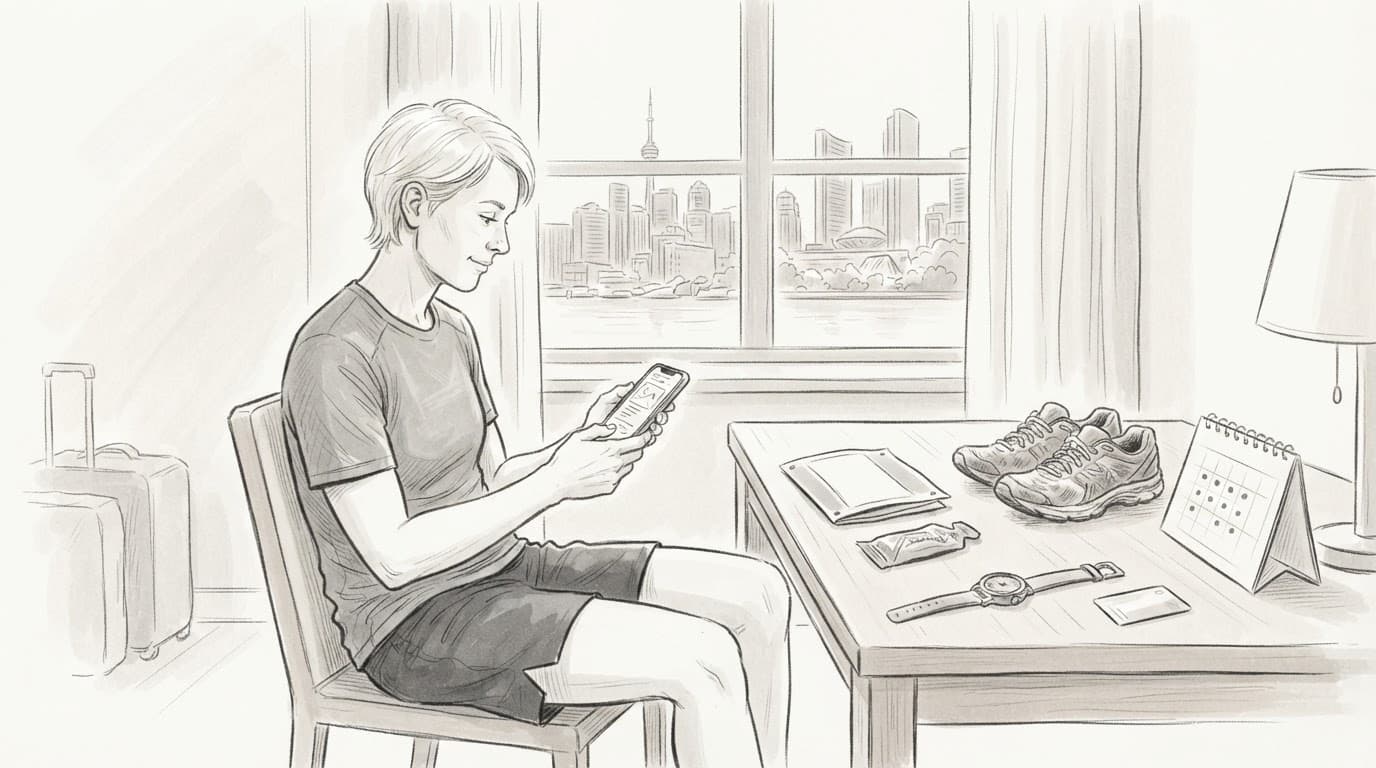
Record the cancellation date and exact cutoff time in your calendar. Set a reminder several days earlier, then compare the current booking with other options before that deadline passes.
Ask These Questions Before You Finalize the Reservation
A short call or message can reveal whether a hotel fits your race plan. Ask these questions before you pay:
- Can the hotel provide early breakfast, coffee, or a grab-and-go meal before the start?
- Is late checkout available after the marathon, and what fee applies?
- Can staff store luggage before check-in or after checkout?
- Is parking available, and do road closures affect entering or leaving the garage?
- Will elevators operate normally before dawn and after the race?
- Can you request a quiet room away from elevators, bars, streets, and large groups?
- Does the room include a refrigerator, or can the hotel provide one?
- What deposit, incidental hold, resort fee, or cleaning charge will appear?
- Can the front desk help arrange a pre-dawn departure or taxi?
- Does the hotel expect a large group of runners that weekend?
Ask how the property plans to handle guest access during closures, but don’t expect staff to guarantee passage through a closed road. Instead, use their information alongside the official race weekend details when planning your route.
Recheck the Race Guide, Hotel Email, and Weather Forecast
During race week, confirm the official start and finish locations, bib pickup schedule, bag check rules, road closures, and transit changes. The official event information should take priority over an old booking email or a route saved months earlier.
Review your hotel’s current check-in time, breakfast hours, luggage storage rules, and late-checkout policy. Then check the forecast again shortly before leaving home. Toronto weather can shift quickly in the fall, so pack layers, rain protection, and clothing that works before and after the race.
Save key instructions offline on your phone, including the hotel address, race schedule, route notes, and contact numbers. Cellular service may slow around crowded race areas, and offline information keeps your morning plan available when you need it.
Frequently Asked Questions
Choosing where to stay for the Toronto Waterfront Marathon comes down to reducing avoidable decisions. Use the current course map, race instructions, hotel policies, and your own race routine to make the final call.
How close should my hotel be to the Toronto Waterfront Marathon start?
Closer is usually better because a short trip reduces stress before the start. However, the right distance depends on the official start location, your mobility, and whether road closures affect the hotel’s most direct route.
Choose a hotel that allows a simple walk or one reliable transit trip. Add extra time for elevators, closed crossings, crowded sidewalks, restroom stops, and bag drop. A nearby room only helps if you can reach the start through an open, practical route.
Is it better to stay near the start or the finish?
Many runners prioritize the start because pre-race timing is strict. Getting there early, finding your corral, using the restroom, and checking a bag can feel easier when the hotel is nearby.
Other runners prefer a short trip back after the finish, especially when family members are waiting or the hotel offers late checkout. The start and finish areas may not be identical, so compare both on the current course map. Also check where bag pickup and family meeting points are located before booking.
Can I get to the marathon by TTC on race morning?
Yes, many runners can reach the Toronto Waterfront Marathon by TTC. Still, road closures may divert buses and streetcars, change stops, or make the final walk longer than expected. Review the TTC marathon diversion information and the marathon’s official instructions shortly before race day.
Allow more time than you would for a normal weekday trip. If your route includes several transfers, consider staying closer or walking to a subway station with a simpler journey.
Should I stay in Toronto for one night or several nights?
A one-night stay can work well for local runners or travelers with limited schedules. It keeps costs lower and may be enough when you already know the course area and can travel easily.
A two- or three-night visit gives you more breathing room. Arriving earlier can support better sleep, steady hydration, bib pickup, and a familiar pre-race meal. You also avoid turning travel day into a rushed race-eve routine.
Are vacation rentals a good choice for marathon weekend?
Vacation rentals can suit families and runners who need a kitchen, laundry, or separate rooms. Before booking, check the cancellation rules, exact location, building access, luggage storage, and recent reviews about noise.
A rental may not offer a front desk, early breakfast, late checkout, or race-specific services. Confirm how you will enter the building before dawn and where you can leave bags after checkout.
What should I pack if I am staying in a Toronto hotel for the race?
Pack the items you tested during training, including:
- Race shoes, bib supplies, familiar breakfast foods, and hydration products.
- Warm layers, rain gear, and clothing for cool waterfront conditions.
- Chargers, recovery clothes, comfortable shoes, and prescribed products.
- Any personally tested nutrition or recovery items you rely on.
Hotel rooms can feel warm indoors while the waterfront feels cold outside. Pack for both settings, and don’t introduce new shoes, foods, or gear on race day.
Choose Your Distance, Duration and Goal Time
Make three quick selections and open the exact plan built for your race target.
Looking for a Fully Personalized Training Plan?
The training plans above are an excellent choice if they match your goal. However, if you’d rather train with a plan built specifically around your current fitness, goal race, preferred training days, weekly mileage, and target finish time, our RDA Custom Training Plans provide a personalized solution. We also have running courses available for runners seeking to run faster from the mile to the marathon.
Why Choose a Custom Training Plan?
| Standard Training Plan | RDA Custom Training Plan |
|---|---|
| Follows a fixed schedule | Built around your schedule |
| Standard weekly mileage | Peak mileage customized for you |
| Fixed workout days | Train on the days you choose |
| Same structure for everyone | Designed around your current fitness |
| Static plan | Updated as your fitness improves |
| One-time purchase | Ongoing personalized coaching and support |
What You’ll Receive
- A training plan built specifically for your goal
- Personalized training paces
- Long runs, tempo runs, threshold workouts, interval sessions, recovery runs, and easy runs
- Peak weekly mileage matched to your experience level
- Flexible training schedule that fits your life
- Ongoing plan adjustments as your fitness improves
Ready to Train Smarter?
Stop guessing and start following a plan built specifically for you, your schedule, and your racing goals.
Conclusion
The best place to stay for the Toronto Waterfront Marathon is the one that removes uncertainty before the gun goes off. Waterfront hotels offer the shortest route and easier recovery, while downtown and Financial District properties provide strong transit, restaurants, and airport access.
Yorkville and Midtown suit runners who value quieter rooms, while suites and vacation rentals give families more space. Budget travelers can look beyond the core, but they should calculate transportation time and costs before booking.
Choose a flexible reservation early, then confirm the official race map, road closures, transit changes, breakfast hours, luggage storage, late checkout, and parking as race weekend approaches. A hotel that looks close on a map may still require a longer walk when streets close, so check the route from the actual entrance.
With the right base, your morning starts with fewer decisions and your post-race return feels more manageable. Protect your sleep, keep familiar food nearby, and save your energy for the course, from the first kilometer to the final stretch.


