

Where to Stay for the Seattle Marathon
Seattle Marathon morning starts under dark skies, with cool air on your face, busy sidewalks, and runners moving toward the start. For first-time marathoners and experienced racers alike, choosing where to stay for the Seattle Marathon can reduce travel, stress, and time on your feet before and after 26.2 miles.
The best Seattle Marathon hotels depend on your budget, race-day priorities, and access to transportation, so this guide compares the main lodging areas and shares practical booking tips. Before reserving a room, confirm the current start and finish locations, course map, road closures, and official schedule, then use those details to choose the right base for race weekend.
Key Takeaways
- Downtown Seattle offers the shortest route to many race-day areas, but hotel prices and weekend demand are often higher.
- Capitol Hill, South Lake Union, and Pioneer Square provide different balances of transit access, dining, quiet, and walkability.
- Choose lodging near light rail or a reliable bus route if you prefer not to walk before the race.
- Confirm the official start, finish, and road closures before booking, since marathon traffic plans can affect travel times. See Seattle Marathon road closure updates.
- Book early, request a late checkout, and prioritize sleep, breakfast access, and a simple route to the start.
Where to Stay for the Seattle Marathon: The Best Areas for Race Morning
Your hotel location can matter more than luxury on marathon weekend. A short, predictable route to the start may protect your sleep, reduce pre-race nerves, and help you return to your room quickly after 26.2 miles. Check the official Seattle Marathon event details before booking, since start areas, finish locations, schedules, and road closures can change.
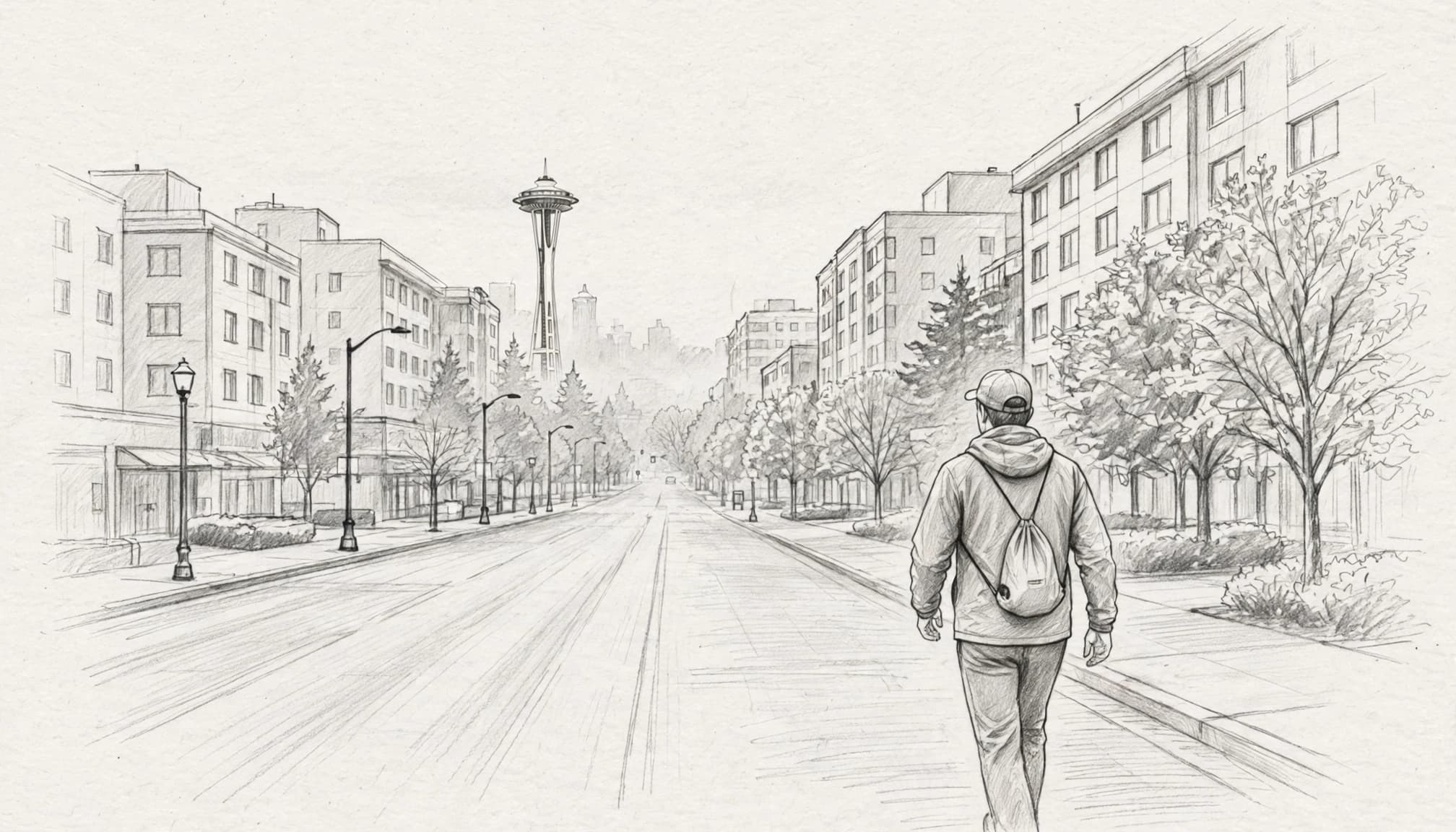
Hotels near Seattle Center for the shortest race-day commute
Seattle Center, Uptown, and lower Queen Anne are strong choices for first-time marathoners, runners with early start times, families, and anyone who wants to walk to the starting area. Staying nearby means you can leave your room later, avoid a rushed rideshare, and return with less time on your feet.
Plan Your Complete Marathon Weekend
Choosing the right hotel can reduce race-day stress, shorten travel time, improve sleep, and make your entire marathon weekend smoother.
More Seattle Marathon Hotel Guides
Look beyond the hotel name and check the actual walking route from the entrance. A route that appears close on a map may include stairs, hills, construction, or a long walk around event barriers. Before reserving, ask about elevator access, breakfast hours, luggage storage, late checkout, and whether staff can support an early departure.
The tradeoffs are real. Hotels near Seattle Center may cost more during busy weekends, event activity can create noise, and parking may be limited or expensive. Still, runners who value a simple morning often gain more from location than from a larger room or extra amenities.
Downtown, Pike Place, and Belltown for food and convenience
Downtown Seattle, Pike Place Market, and Belltown suit runners who want restaurants, coffee shops, grocery stores, and sightseeing close to the hotel. These areas also offer access to major transit connections, which can help if walking feels uncomfortable before the race or after the finish.
The main drawback is distance. Depending on the current setup, you may face a longer walk to Seattle Center before the start, then another journey back after finishing near the waterfront. Crowded sidewalks, steep streets, nightlife noise, and weekend activity can affect both sleep and pacing.
Measure the route from the hotel entrance, not from the neighborhood label. Ask the property, “Can I request a quiet room away from elevators?” Also confirm breakfast service, luggage storage, late checkout, and race-day transportation. A slightly longer commute may provide better value, but only if you can travel without adding stress.
South Lake Union, Capitol Hill, and Queen Anne for a different race-weekend feel
South Lake Union often fits travelers who prefer newer hotels, restaurants, and a modern business district. Capitol Hill offers more dining and nightlife, but runners should request a quiet room and account for hills. Queen Anne feels more residential and may provide practical access to Seattle Center, although its elevation can make a short route harder than expected.
Your best choice depends on your tolerance for hills, noise, and transit time. For the simplest race morning, stay within easy walking distance of the current start area. If you sleep well and plan transportation carefully, a farther neighborhood can save money while still giving you useful food and transit options.
Choose Your Distance, Duration and Goal Time
Make three quick selections and open the exact plan built for your race target.
Looking for a Fully Personalized Training Plan?
The training plans above are an excellent choice if they match your goal. However, if you’d rather train with a plan built specifically around your current fitness, goal race, preferred training days, weekly mileage, and target finish time, our RDA Custom Training Plans provide a personalized solution. We also have running courses available for runners seeking to run faster from the mile to the marathon.
Why Choose a Custom Training Plan?
| Standard Training Plan | RDA Custom Training Plan |
|---|---|
| Follows a fixed schedule | Built around your schedule |
| Standard weekly mileage | Peak mileage customized for you |
| Fixed workout days | Train on the days you choose |
| Same structure for everyone | Designed around your current fitness |
| Static plan | Updated as your fitness improves |
| One-time purchase | Ongoing personalized coaching and support |
What You’ll Receive
- A training plan built specifically for your goal
- Personalized training paces
- Long runs, tempo runs, threshold workouts, interval sessions, recovery runs, and easy runs
- Peak weekly mileage matched to your experience level
- Flexible training schedule that fits your life
- Ongoing plan adjustments as your fitness improves
Ready to Train Smarter?
Stop guessing and start following a plan built specifically for you, your schedule, and your racing goals.
The Best Seattle Neighborhoods for Different Types of Marathon Travelers
The best place to stay for the Seattle Marathon depends on what you need before, during, and after race day. A solo runner may value quiet sleep and a short walk, while a family may need space, groceries, elevators, and a comfortable place to wait.
Use the comparison below as a starting point, then check the current start and finish locations before booking. Race-day closures can affect driving and walking routes, so review the latest Seattle Marathon traffic updates with your hotel location in mind.
| Traveler type | Best area feel | Race-morning convenience | Food access | Noise | Likely cost level |
|---|---|---|---|---|---|
| First-time or early starter | Seattle Center or lower Queen Anne | Excellent for walking | Good | Low to moderate | Higher |
| Families and spectators | Downtown, South Lake Union, or Queen Anne | Good with planned transit | Excellent | Low to moderate | Moderate to higher |
| Solo runners or couples | Downtown, Belltown, or South Lake Union | Good, depending on route | Excellent | Moderate | Moderate to higher |
| Budget runners and groups | Areas near frequent transit | Good if the route is simple | Good | Varies | Lower to moderate |
| Support crews | Downtown or near multiple transit routes | Good for reaching several course points | Excellent | Moderate | Moderate to higher |
Best location for first-time marathoners and early starters
First-time marathoners should prioritize a short, familiar route to the start. Seattle Center, Uptown, and lower Queen Anne can reduce the number of decisions you make before sunrise. A reliable bathroom, quiet sleeping environment, and easy access to water and breakfast may matter more than a larger room or impressive view.
Saving 30 minutes of transit also protects mental energy. That time can cover delays, crowded stations, missed turns, or a last-minute bathroom stop. Before race weekend, practice the walk from the hotel to the start area if possible. You will know where the entrances, restrooms, and race barriers are when the streets feel unfamiliar.
Ask the hotel about early checkout, bag storage, and pre-race food storage. Some properties may not serve breakfast early enough, while others may restrict outside food or lack a refrigerator. Those details can shape your morning more than the neighborhood name.
Best stays for families and race-day spectators
Families need more than a convenient address. Look for room layouts with enough space to move around, adjoining rooms when available, elevators, pools, and nearby grocery stores. A hotel lobby, cafe, or spacious common area also gives spectators somewhere comfortable to wait between course visits.
Spectators should study the course map, street closures, and transit plan instead of assuming they can follow the runner by car. Road closures may separate family members from the course, and one missed turn can make a planned viewing point impossible. Choose lodging with more than one route back after the finish, especially if children or older relatives are traveling.
Before booking, confirm minimum-stay rules and cancellation policies. Race-weekend demand can create stricter conditions, and a cheaper room may become expensive if plans change.
Best value for budget runners and groups
Budget travelers should calculate the full trip cost, not just the nightly rate. Add taxes, parking, transit, meals, and resort or facility fees when applicable. A room with a kitchenette may lower breakfast and dinner costs, while a legally booked suite can give a group more space without forcing people into uncomfortable sleeping arrangements.
Staying outside the most expensive core areas can help, especially near frequent and reliable transit. However, a very cheap room becomes a poor value if it requires a long, stressful race-morning commute. Compare the saved lodging cost with the extra time, transit fares, parking risk, and pre-race fatigue before committing.
How to Choose a Seattle Marathon Hotel That Supports Your Race Plan
The best place to stay for the Seattle Marathon supports your race plan before you ever reach the start line. A stylish lobby matters less than dependable sleep, easy bathroom access, a familiar breakfast, and a calm route through the city.
Use the hotel as part of your preparation. Check the map, read recent reviews, and contact the property with clear questions before you book.
Check walking distance, hills, transit, and road closures
Open a map and enter the hotel entrance as your starting point, then enter the current race start as the destination. Review both walking directions and the elevation profile. A route that looks short may still include a tiring hill, stairs, or a long detour around barriers.
Next, study the official Seattle Marathon traffic schedule. Check nearby light rail stations and bus stops, including early-morning service. Rideshare pickup may move away from the hotel or become difficult when streets close, so don’t make it your only plan.
Plan one primary route and one backup route. Allow extra time for security checks, crowds, blocked sidewalks, and restroom lines. The official Seattle Marathon race information should guide your final decision because start details and traffic plans can change.
Ask about sleep, breakfast, bathrooms, and recovery
Contact the hotel directly instead of relying on a booking page. Ask whether staff can place your room away from elevators, ice machines, busy streets, and nightlife. Recent reviews can reveal noise patterns that a property description won’t mention.
Use these questions to check whether the room fits your needs:
- Is breakfast available before your start time, or can the hotel provide an alternative?
- Does the room include a mini-fridge, microwave, or coffee maker?
- Where can you access ice, and can the hotel store medication that requires refrigeration?
- Is late checkout available, and can you store bags after checkout?
- Does the room have a bathtub, a comfortable shower, or enough space to recover?
- Can staff accommodate mobility limits, dietary restrictions, or elevator needs?
Policies vary by property and rate. Confirm every important detail in writing, especially if you need an accessible bathroom, a refrigerator, allergy-aware food, or extra time after the race.
Match the room to your pre-race and post-race routine
Walk through the entire weekend timeline before booking. You need space to lay out race clothes, charge your watch, prepare breakfast, use the bathroom without rushing, stay warm, shower after finishing, and eat a recovery meal.
A kitchenette or nearby grocery store may help more than room service. You can buy familiar food, keep it available, and avoid waiting for a restaurant during a busy race weekend.
A simple race-eve plan might look like this: arrive early, buy breakfast and recovery food, review both routes, lay out clothing, charge devices, and go to bed at your normal time. After the race, return for a shower, fluids, food, and a quiet hour before traveling home. That routine turns your hotel into a practical part of race-day execution.
Race-Weekend Logistics: Parking, Transit, Meals, and Recovery
A convenient hotel can still create race-day problems if you haven’t planned the details. Before booking, check the official Seattle Marathon website for current start times, bag policies, road closures, transportation plans, and finish-area information. These details can change, so don’t build your weekend around an old course map or last year’s schedule.
Should you drive, use transit, or book a rideshare?
Driving gives you control when you arrive in Seattle by car, train, bus, or plane, but it can make race morning harder. Hotel parking may cost a daily fee, garages can fill, and some entrances have limited overnight access or narrow hours. Ask whether you can enter the garage early, leave your car parked after checkout, and retrieve it without crossing closed streets.
Public transit may reduce parking stress, yet early service isn’t guaranteed to match your start time. Confirm the first light rail train or bus with the transit agency, then ask the hotel whether you can walk to the stop safely before sunrise. Also ask whether race barriers will affect the route from the station to the start.
Rideshare can work as a backup, but pickup zones may move when streets close. Drivers may drop you several blocks away, and traffic delays can turn a short trip into a stressful one. Recent coverage of Seattle Marathon closures shows why drivers should expect delays around affected streets and the waterfront. Review the Seattle Marathon traffic coverage before choosing a hotel that depends on a vehicle.
The simplest plan is often leaving your car parked and walking or taking confirmed transit. Avoid any route that requires crossing closed race roads. A hotel a little farther away can work well when you have a clear pedestrian route that stays on the correct side of the course.
Plan meals, groceries, coffee, and post-race recovery
Food should support the routine you’ve already practiced, not introduce surprises. Find a dependable dinner near the hotel, check its hours, and reserve a table when possible. If you arrive late, confirm grocery closing times and delivery availability before race weekend.
Buy simple breakfast supplies early. Pack familiar foods, water, coffee, and anything you need before leaving the room. A nearby grocery store or hotel mini-fridge can protect your plan if restaurants open late or room service doesn’t start early enough.
After the marathon, choose a recovery meal with seating, carbohydrate and protein options, and easy access from the finish area. You may not want to walk several blocks or wait in a crowded lobby while tired and cold. Follow the nutrition plan you’ve practiced in training, including fluids and any familiar recovery products.
What to pack when your hotel is your race-day base
Pack the items that prevent small problems from becoming race-day distractions:
- Bring your race shoes, bib, safety pins, watch charger, and familiar nutrition.
- Add layers for waiting outside, plus clothes for changing weather and a backup outfit.
- Carry hydration supplies, medications, toiletries, and phone and watch chargers.
- Pack recovery clothing, warm socks, and a small bag for wet or muddy gear.
Hotel rooms often have limited outlets, tight floor space, and awkward furniture. Lay everything out the night before, keep the bib visible, and place departure items beside the door. Early departure makes forgotten chargers and misplaced medications more likely, so preparation protects your morning before the first mile begins.
When to Book and How to Get a Better Seattle Marathon Hotel Deal
Seattle Marathon weekend can change the hotel search quickly. As the race approaches, demand often rises near Seattle Center, downtown, and other convenient areas. Rates may increase, room types may disappear, and flexible options may become harder to find. Start comparing as soon as your race plans are firm, then treat the reservation as part of your race preparation.
Book early, compare the full cost, and protect your plans
An advertised nightly rate rarely shows the complete bill. Before choosing a room, add taxes, parking, destination or facility fees, breakfast, and any extra guest charges. A cheaper hotel can cost more after parking and daily meals enter the calculation.
Compare the total stay cost on the hotel’s website and at reputable booking platforms. Once you find a promising rate, check the hotel’s direct cancellation and change terms. The official Seattle Marathon travel information may also list room-block options, transportation details, and dates that affect your booking.
A flexible rate usually costs more upfront, but that extra cost can protect you if your race plans, travel partners, or arrival date change. Confirm these details before paying:
- Whether the reservation has a minimum-stay rule.
- When the deposit becomes nonrefundable.
- Whether you can change the guest name or dates.
- How much the hotel charges for parking each night.
- Whether breakfast is included or available before your start time.
- Whether cancellation applies to the entire reservation or only part of it.
Nonrefundable rates can look attractive when prices are high, but they remove your safety net. Check the event date and hotel location carefully before paying a deposit. The official marathon and half-marathon schedule should be your reference, especially when planning around expo pickup, race morning, and post-race travel.
Save the confirmation number, rate rules, payment details, and cancellation deadline in one place. Then contact the property directly to verify that the reservation is in its system. This quick check can catch incorrect dates, room types, or guest information before race weekend.
How to balance convenience, comfort, and price
Paying more for a nearby hotel makes sense when it creates a shorter, calmer morning. Less travel can protect sleep, reduce uncertainty, and leave you with more energy after the finish. However, the closest hotel isn’t automatically the best value.
Compare the nearby room with the full cost of staying farther away. Include transit, parking, meals, extra travel time, and the recovery time you lose on your feet. A lower room rate may not help if the commute requires an early rideshare, multiple transfers, or a long walk after the marathon.
Rank your top three needs before you book. You might choose quiet, walkability, and breakfast access, or prioritize a kitchen, parking, and a lower budget. Then select the property that meets those needs most reliably, rather than paying for features you won’t use.
A practical savings strategy is to stay one neighborhood outside the busiest race area while remaining near dependable transit. You can also compare Sunday checkout times, request a quiet room, and bring familiar breakfast food instead of paying for hotel service. The right deal is the one that lowers your total cost without making race morning feel uncertain.
Frequently Asked Questions
Choosing where to stay for the Seattle Marathon comes down to one practical goal: make race morning predictable. Confirm the current event details before booking, then match your hotel to your walking ability, sleep needs, food routine, and post-race plans.
How close should I stay to the Seattle Marathon start?
A short walk is usually the simplest choice, especially if this is your first marathon. The ideal distance depends on the confirmed start location, the walking route, hills, event barriers, and how comfortable you feel using transit before sunrise.
Check the official Seattle Marathon race details before reserving a room. A hotel that looks close on a map may require a steep climb or a long detour around closed streets.
Is it worth staying near Seattle Center for the marathon?
If the current event setup places the start near Seattle Center, staying nearby can reduce travel stress and make your morning more predictable. You may be able to leave later, walk instead of drive, and return to your room with less effort after finishing.
The tradeoff is cost. Hotels in the area may have higher rates, more event-related noise, and fewer budget rooms, so compare the total price with nearby neighborhoods that offer a simple walking or transit route.
Can I rely on public transportation on race morning?
Transit may be useful, but major races can change service times, routes, and street access. Road closures may also affect the walk between a station and the start, even when the train or bus is operating normally.
Check current agency schedules and the race’s transportation guidance during race week. Keep a walking route or backup plan ready, and allow extra time for early service gaps, crowded vehicles, and blocked sidewalks.
What should I look for in a hotel breakfast before a marathon?
Choose familiar, simple foods that match what you have practiced before long runs. More important than an impressive menu is an opening time that fits your normal pre-race routine.
If breakfast starts too late or the menu is uncertain, bring safe foods or buy supplies nearby, subject to hotel rules and your nutrition needs. Pack items you already tolerate well, such as oatmeal, toast, fruit, or another reliable carbohydrate source.
Should I stay an extra night after the Seattle Marathon?
An extra night can make recovery easier because you won’t need to rush into a long drive, flight, or train ride after 26.2 miles. It can help even more if you finish late, travel with family, or need time to shower, eat, and walk comfortably after the race.
However, add the extra room night to your full race budget. Your work schedule, transportation costs, and recovery priorities should determine whether the added comfort justifies the expense.
What is the biggest hotel mistake Seattle Marathon runners make?
The biggest mistake is choosing a room based only on price or star rating. Before booking, check the race route, neighborhood noise, breakfast timing, parking rules, walking hills, and transportation options.
A practical, quiet room in a well-planned location often helps a marathoner more than an impressive hotel with a difficult race-morning commute. Put sleep and simplicity first, then compare amenities and views.
Conclusion
Choosing where to stay for the Seattle Marathon starts with the confirmed start and finish areas. Most runners should first look near those locations, then compare downtown, Belltown, South Lake Union, Capitol Hill, Queen Anne, and other transit-connected neighborhoods based on sleep, hills, budget, and race-day logistics.
Before booking, confirm the current course, schedule, road closures, transit plan, breakfast hours, late checkout, parking, and cancellation policies. The best room isn’t always the closest or most expensive one. It’s the room that lets you wake up calm, reach the start with energy, and return to a comfortable place after the finish.


