

Where to Stay for the Los Angeles Marathon: Start or Finish?
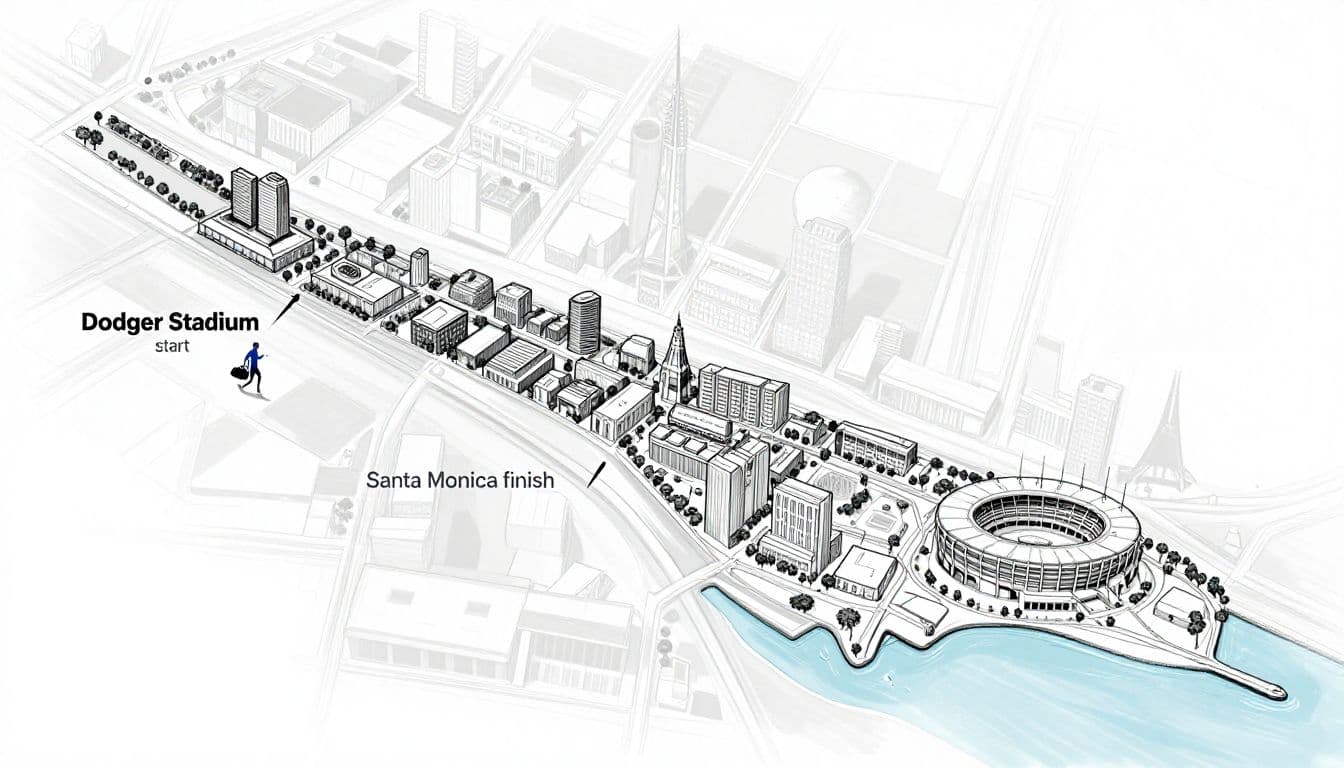
Choosing where to stay for the Los Angeles Marathon can shape your entire race morning. Los Angeles stretches across a wide area, and the course starts near Dodger Stadium before finishing in Santa Monica, so a hotel that looks convenient on a map may leave you facing a long drive, traffic, parking problems, or a rushed warm-up.
The best location depends on what matters most to you: a simple trip to the start, an easy finish-line exit, time for sightseeing, a lower room rate, or convenient access for family and friends. This guide compares the main hotel areas, transportation options, booking considerations, and race-morning plans so you can choose a base that supports your goal instead of adding stress.
Before booking, confirm the current course, start times, road closures, and shuttle details on the official Los Angeles Marathon website, since race logistics can change. Next, we’ll look at the best places to stay based on your priorities and race-day plan. Remember, make sure to book your Los Angeles Marathon hotels early to save on costs.
Key Takeaways
- Staying near Dodger Stadium makes the early start easier, especially if you want more sleep and a calmer warm-up.
- Santa Monica is better for a relaxed finish, beach access, post-race meals, and simpler recovery after 26.2 miles.
- Downtown Los Angeles offers a middle ground, with broader hotel choices and access to both race areas.
- Book early, then confirm closures, shuttle reservations, and start-day transportation through the official parking and shuttle guide.
- Choose your hotel based on race priorities first, sightseeing plans second, and room price third.
Where to Stay for the Los Angeles Marathon: Choose Your Race-Day Priority
The Los Angeles Marathon is a point-to-point race, so your ideal hotel depends on which part of the day matters most. Staying near Dodger Stadium simplifies the early morning, while Santa Monica makes recovery and post-race plans easier. A central neighborhood can balance both, but it requires more transportation planning.
Before you book, compare the hotel’s distance, parking options, cancellation policy, room price, and access to official race transportation. Also consider your plans for the day after the marathon. A longer drive may feel manageable before the race, but it can become a serious burden when your legs are sore.
Stay near the start for the simplest early-morning routine
Downtown Los Angeles, Echo Park, Chinatown, and neighborhoods near Dodger Stadium are the strongest choices for runners who want fewer surprises before the gun. A nearby room can give you extra sleep, more time for breakfast, and a calmer warm-up instead of forcing you into a long pre-dawn drive.
Depending on your hotel’s exact location and the race-day plan, you may be able to walk part of the way or use an official shuttle. Many nearby hotels also put coffee shops, convenience stores, and casual breakfast spots within reach, although early opening hours can vary. Confirm hours before race weekend, then keep a simple backup such as oatmeal, fruit, or an energy bar in your room.
This location also offers a practical benefit after finishing. If transportation allows, returning to a nearby room gives you a place to shower, change clothes, and rest before meeting family or exploring Los Angeles. However, a short map distance doesn’t guarantee an easy drive. Closures around the course can block familiar routes, and traffic near Dodger Stadium may build before sunrise. Check the latest Los Angeles Marathon road closure information before relying on a car.
Stay near the finish when recovery and family plans matter most
Santa Monica suits runners who care most about the hours after the race. Once you cross the finish line, a nearby beach hotel can shorten the trip to a shower, a proper meal, or a recovery appointment. You may also avoid a long post-race drive when your feet are swollen and your energy is gone.
Families and spectators gain more flexibility here, too. They can watch the finish, walk toward the Santa Monica Pier, and find restaurants without coordinating another long trip across the city. Booking a hotel within walking distance of the finish area can make the afternoon feel far less complicated.
The tradeoff arrives before the race. Reaching Dodger Stadium may require an official shuttle, a carefully timed rideshare, or very early transportation. Check pickup locations, reservation requirements, and backup plans before choosing Santa Monica.
Choose a central neighborhood for balanced access
West Hollywood, Beverly Grove, Mid-City, and parts of Culver City offer a useful middle ground for visitors with full weekend itineraries. These areas provide restaurants, shopping, sightseeing, and broader hotel choices without placing you at either end of the course.
Still, central lodging isn’t automatically convenient on race morning. Confirm the route to the start, account for closures, and check whether official transportation serves your area. This choice works best when you have several non-race plans and are willing to organize transportation carefully.
The Best Los Angeles Marathon Hotel Areas, Compared Side by Side
Where to stay for the Los Angeles Marathon depends on whether you want an easier start, a gentler finish, or a better overall weekend. Hotels near major race locations often sell out early and may charge more during marathon weekend, so compare the full cost of the room, parking, transportation, and time.
| Area | Start access | Finish access | Best for | Main concerns |
|---|---|---|---|---|
| Downtown LA and Dodger Stadium | Strong, but exact routes vary | Moderate to difficult | Runners focused on race morning | Closures, parking, limited walking routes |
| Santa Monica and Venice | Requires early transportation | Excellent | Recovery, families, and spectators | Race-day vehicle restrictions |
| West Hollywood and Beverly Grove | Moderate with planning | Moderate | Restaurants and sightseeing | Longer race-morning trip |
| LAX hotels | Poor for the start | Poor to moderate | Flights, rental cars, or short stays | Not a race-start neighborhood |
| Koreatown and Culver City | Moderate | Moderate | Better value and broader access | Added time, parking, and traffic |
Downtown Los Angeles and Dodger Stadium hotels
Downtown LA is the practical choice for runners who prioritize the start. Look around the Civic Center, Little Tokyo, Bunker Hill, and Historic Core for hotels near restaurants, museums, coffee shops, and transit. Dodger Stadium and downtown are close geographically, but that doesn’t mean every downtown hotel offers a simple walk to the official start area.
Road closures, restricted access points, and race transportation rules can turn a short map distance into a complicated route. Before booking, review the official marathon parking and shuttle guide and confirm how your hotel connects to the start. Parking may cost more and become difficult to access, especially if you plan to drive near the stadium.
Choose this area if you want more sleep, a simpler pre-race breakfast, and access to city attractions. Lodging ranges from large full-service hotels to smaller boutique properties, with prices changing sharply according to race demand.
Santa Monica and the Westside near the finish
Santa Monica is appealing after 26.2 miles because recovery begins as soon as you stop moving. Walkable restaurants, ocean air, parks, and nearby lodging can make the afternoon easier. You can eat, shower, and rest without facing a long drive across Los Angeles.
Venice and parts of West Los Angeles offer similar access to food and sightseeing, sometimes with different hotel choices and price levels. Families, spectators, and nonrunning partners may prefer this side of the course because they can enjoy the beach and finish-area activities while you race.
However, race-day closures can limit vehicle access, even when your hotel sits near the finish. Ask the property about arrival and departure windows, then check the latest Los Angeles road closure updates. Santa Monica usually suits runners who value recovery more than a convenient start.
LAX, West Hollywood, and other practical alternatives
LAX hotels make sense for an early flight, a rental car, or a brief stay before or after the race. They aren’t a practical start neighborhood, though, and airport traffic can add stress on race morning.
West Hollywood and Beverly Grove offer strong restaurant and sightseeing access, while Koreatown and Culver City may provide better value. Their lodging choices and parking situations vary, so compare travel time rather than room price alone. A cheaper room farther away can cost more in parking, fuel, and race-day worry. For current route conditions, check the LADOT marathon information page before finalizing your plan.
How to Get to the Los Angeles Marathon Start and Back After the Finish
The Los Angeles Marathon is a point-to-point race, so your transportation plan needs two separate parts: getting to Dodger Stadium before sunrise and leaving Santa Monica after 26.2 miles. A hotel near one end solves only half the problem. Confirm the official race transportation plan before booking, then build a backup route that still works when familiar streets are closed.
Plan the trip to the start before race weekend
Before you arrive, confirm every detail that affects your morning:
- Check the exact start location, wave assignment, corral opening, and required arrival time.
- Read the official Los Angeles Marathon parking and shuttle guide for pickup locations, departure times, parking rules, and participant requirements.
- Confirm whether your bib, registration details, or identification are needed to board an official shuttle.
- Look for approved walking routes, restroom locations, bag check rules, and access limits around Dodger Stadium.
- Plan breakfast around transportation, not the other way around. Pack familiar food if your hotel or nearby restaurants won’t open early enough.
Save the official directions, shuttle information, and street-closure map to your phone. GPS apps may suggest routes that become unusable once barricades go up. Choose one backup route and identify a nearby transit stop or shuttle pickup point before race morning.
Driving the route the night before can help you understand the city’s layout and spot useful landmarks. However, normal travel times won’t apply on race day. You should not assume that a short drive to Dodger Stadium will remain possible, or that you can park near the start after arriving.
Make a realistic plan for getting back after 26.2 miles
Post-race transportation requires more patience than the trip to the start. Your legs may be sore, crowds will be dense, and rideshare vehicles may have limited access near the finish. Closed streets can also prevent a driver from reaching the exact location shown on your map.
Arrange a meeting point with family before the race. Pick a place outside the busiest finish-area barriers, and choose a backup location in case cell service becomes unreliable. Carry a charged phone and a small portable battery, especially if you’ll use digital tickets, maps, or hotel information.
Ask your hotel whether it can hold luggage after checkout, provide late checkout, or offer access to a changing area. After finishing in Santa Monica, you may need to walk several blocks before reaching an open pickup zone, transit connection, or road accessible to cars. That walk can feel long after a marathon, so avoid carrying more than necessary.
Why a car-free hotel plan can be the safer choice
Staying near Metro, an official shuttle pickup, or another approved race transportation point can reduce race-day stress. You avoid parking fees, garage searches, traffic delays, navigation errors, and roads that suddenly close. A rental car still helps with airport travel and sightseeing, but it shouldn’t be your only marathon transportation plan.
Check hotel shuttles carefully because their normal schedules may not operate during road closures. Also confirm whether the property can accommodate an early departure and where you can leave a vehicle while racing. A car-free plan won’t remove every transfer, but it gives you fewer race-day decisions when timing matters most.
Choose Your Distance, Duration and Goal Time
Make three quick selections and open the exact plan built for your race target.
Looking for a Fully Personalized Training Plan?
The training plans above are an excellent choice if they match your goal. However, if you’d rather train with a plan built specifically around your current fitness, goal race, preferred training days, weekly mileage, and target finish time, our RDA Custom Training Plans provide a personalized solution. We also have running courses available for runners seeking to run faster from the mile to the marathon.
Why Choose a Custom Training Plan?
| Standard Training Plan | RDA Custom Training Plan |
|---|---|
| Follows a fixed schedule | Built around your schedule |
| Standard weekly mileage | Peak mileage customized for you |
| Fixed workout days | Train on the days you choose |
| Same structure for everyone | Designed around your current fitness |
| Static plan | Updated as your fitness improves |
| One-time purchase | Ongoing personalized coaching and support |
What You’ll Receive
- A training plan built specifically for your goal
- Personalized training paces
- Long runs, tempo runs, threshold workouts, interval sessions, recovery runs, and easy runs
- Peak weekly mileage matched to your experience level
- Flexible training schedule that fits your life
- Ongoing plan adjustments as your fitness improves
Ready to Train Smarter?
Stop guessing and start following a plan built specifically for you, your schedule, and your racing goals.
How to Choose a Marathon Hotel That Supports Recovery
The best place to stay for the Los Angeles Marathon should support your body before and after the race. Location matters, but so do sleep, food, transportation, bathroom access, and a flexible booking policy. A luxury hotel isn’t automatically the better choice if it sits far from transportation or has strict check-in and checkout rules.
Look for breakfast, food, and hydration that match race plans
Nearby grocery stores and simple restaurants can matter more than a hotel bar or rooftop pool. You may need familiar foods, bottled water, coffee, and quick access to a post-race meal without waiting for a busy restaurant.
A room refrigerator makes it easier to store yogurt, fruit, sandwiches, and recovery drinks. A microwave and coffee maker add even more control, especially when breakfast starts before sunrise. Bring foods you’ve already tested in training, and avoid trying a new restaurant the night before the marathon.
Call the hotel before booking and ask whether it offers:
- Early breakfast or a grab-and-go option.
- Bottled water in the room or at the front desk.
- A refrigerator, microwave, or kitchenette.
- Food storage if you arrive before check-in.
- A nearby grocery store that opens early.
Don’t assume these services are available because the property advertises breakfast. Race-weekend hours may differ from the regular schedule.
Check sleeping conditions and recovery-friendly amenities
Sleep should lead your hotel comparison. Request a quiet room away from elevators, ice machines, nightlife, loading areas, and busy streets. Ask whether the property has a quiet floor, blackout curtains, a comfortable bed, reliable hot water, and enough floor space to stretch.
Before confirming your reservation, ask about construction, weddings, conferences, and weekend events. A hotel may look peaceful online but feel very different when guests return late or music continues below your room.
Recovery amenities can help, but they come after sleep and transportation. A pool, sauna, fitness center, massage access, laundry room, or nearby park may be useful after the race. Families may value a larger room and luggage storage, while couples often need a comfortable bed, private bathroom, and late checkout. Solo runners may prefer a compact room near official transportation, while groups benefit from multiple beds, shared kitchen space, and easy meal access.
Read the policies that can affect race weekend
A low nightly rate may not be the lowest total price after taxes, parking fees, resort fees, deposits, and incidental holds. Review the cancellation deadline, minimum-stay rule, pet policy, baggage storage, late-checkout cost, and check-in requirements before paying.
Use this short comparison checklist:
- Can you reach the start or an approved shuttle without a car?
- Does the room provide a refrigerator, microwave, or dependable coffee?
- Will the hotel store luggage after checkout?
- Can you request late checkout or a post-race changing area?
- Are the bed, bathroom, elevators, and noise conditions suitable?
- Does the booking remain refundable?
Book a refundable room early when possible. You can check rates later and rebook if prices fall, but only after confirming the new reservation and cancellation terms. For transportation details, review the official marathon parking and shuttle guide before choosing between a cheaper room and a more practical one.
When to Book and How Much to Budget for Los Angeles Marathon Lodging
Los Angeles Marathon lodging can become expensive when demand rises near Downtown LA, Santa Monica, and major transit corridors. Reserve as soon as your race plans are firm, then compare the complete stay cost instead of judging hotels by their nightly rates.
Estimate the full cost instead of comparing room rates alone
A lower room rate can lose its advantage once transportation and race-day expenses enter the picture. Build your budget around the entire group, not just one guest:
- Room rate for every night, multiplied by the number of rooms.
- Hotel taxes, resort fees, parking, and incidental deposits.
- Airport transfers, rental cars, fuel, or rideshares.
- Race transportation to Dodger Stadium and back from Santa Monica.
- Groceries, breakfast, post-race meals, snacks, and hydration.
- Recovery needs, such as massage, compression products, laundry, or late checkout.
For example, a cheaper hotel outside the official transportation network may require a long rideshare trip before dawn and another after the finish. A more expensive Downtown hotel with access to an approved shuttle can cost less overall once you include those transfers, parking, and the time saved.
Room sharing can reduce the per-person cost for teammates, but confirm bed sizes, occupancy limits, and bathroom space first. Vacation rentals may work well for families or larger groups, while hostels can suit solo travelers who accept less privacy. Extended-stay properties often help runners who want a kitchenette and extra room for several nights.
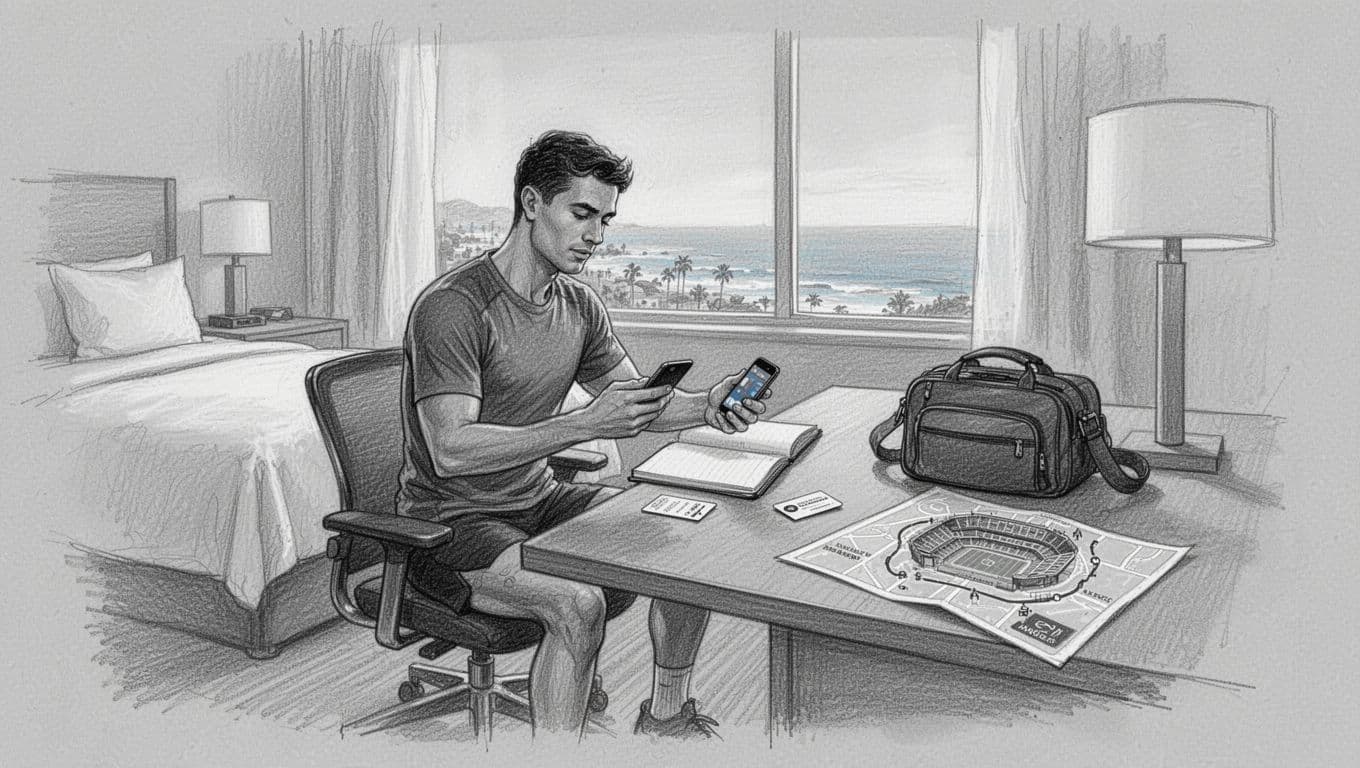
Book early, protect flexibility, and watch for better options
A refundable reservation gives you room to adjust as the course, shuttle plan, or travel schedule becomes clearer. Check the exact cancellation date, payment schedule, minimum-stay rule, and whether the hotel charges a marathon-weekend deposit. Policies may differ from the property’s normal terms, especially for prepaid rooms and special event dates.
Before paying, confirm the hotel’s full address rather than relying on a neighborhood name. Then ask how you can reach an official shuttle, the start area, nearby transit, and the finish after the race. The Los Angeles Marathon FAQ can help you verify bib pickup and race-weekend requirements.
You can recheck rates later, but don’t cancel a secure booking until a replacement is confirmed. Compare the new room’s total price, cancellation terms, transportation access, and sleeping conditions before switching.
Decide whether one night or a longer stay fits your race plan
Local runners may need only one night, particularly when they can avoid a long drive and have a dependable start plan. Travelers flying into Los Angeles usually benefit from arriving two nights before the marathon. That schedule reduces flight-delay risk, protects sleep, and leaves time for bib pickup or race events.
A third night adds lodging, meals, and possibly another day of parking, but it can make the weekend less rushed. Staying after the race gives you time to shower, walk comfortably, recover, and enjoy Santa Monica before traveling home. Weigh that cost against your flight schedule and post-race plans, then choose the stay that leaves you rested rather than hurried.
A Simple Los Angeles Marathon Hotel Plan for Every Type of Runner
The best answer to where to stay for the Los Angeles Marathon depends on your race goal, group size, and transportation plan. Use the profiles below to match your lodging choice with the part of race weekend that matters most.
Best setup for a first marathon or a personal-best attempt
First-time marathoners and runners chasing a personal best should choose Downtown LA, Echo Park, or lodging near Dodger Stadium. Staying near the start reduces early-morning driving, unfamiliar routes, and the chance of missing an official shuttle. It also gives you more time to eat, use the bathroom, and complete a short warm-up without rushing.
A quiet room matters more than a rooftop view or nightlife. Request a room away from elevators, busy streets, loading areas, and hotel events. Pack breakfast and fluids you already tolerate in training, then follow the same morning routine you use at home.
Personal-best attempts benefit from removing decisions. Confirm the latest official shuttle and parking details, save them offline, and choose a backup route if your primary transportation fails. The tradeoff is a longer trip to Santa Monica after the race, but extra sleep and a calm start usually carry more value than sightseeing before the finish.
Best setup for families, spectators, and running clubs
Families should consider Santa Monica hotels or larger vacation-style lodging near the finish. Spectators can enjoy the beach, find restaurants, and meet the runner after the race without crossing the city. Choose a room with two beds, a sofa bed, adjoining rooms, or a kitchenette when children or several adults are sharing the space.
Ask about parking, luggage storage, breakfast hours, and late checkout before booking. Non-racing family members may need a simple way to reach the finish, shop for food, or return to the room while the runner recovers.
Training partners and running clubs may prefer Downtown LA hotels or extended-stay suites. Start access is easier, and shared rooms can lower the per-person cost. However, groups must agree on transportation, departure times, meeting points, and communication before race morning. A single group chat and an off-course meeting location can prevent confusion when phone service is slow.
Best setup for budget travelers and visitors using LAX
Budget-conscious runners can reduce costs with hostels, room sharing, extended-stay properties, or hotels in Koreatown and Culver City. These areas may offer better rates, food access, and transit connections than hotels near the start or finish. A refundable reservation also protects you if your travel plans change.
Out-of-town runners flying through LAX should treat airport lodging as a transport decision, not an automatic bargain. An airport hotel may simplify your flight schedule, but it can create a long, expensive trip to Dodger Stadium and another difficult transfer after the finish.
Before booking, add the full transportation time and cost to the room price. Include airport transfers, parking, rideshares, shuttle access, and post-race travel. If those expenses erase the savings, a slightly pricier room near Downtown LA or an approved transportation point may be the better value.
Frequently Asked Questions
A few practical questions can still affect your hotel decision after you compare the start, finish, and central neighborhoods. Use these answers to settle the details that often create stress on race weekend.
Should I stay in two different hotels?
Usually, one hotel is the better choice. Switching rooms adds packing, checkout, transportation, and storage problems when your attention should stay on sleep and race preparation.
A two-hotel plan can work for runners who want to stay near the start before the race and near the finish afterward. Only choose it if both reservations are flexible and you have a firm luggage-transfer plan.
Can I walk from a Downtown LA hotel to the marathon start?
Some downtown hotels are close enough to make walking possible, but the exact route may not be open on race morning. Barricades, restricted entrances, and runner-only access areas can change the most direct path.
Check the current LA Marathon course information before assuming you can walk. If your hotel sits farther away, use an approved shuttle or transportation point instead of relying on a normal GPS route.
How early should I leave my hotel?
Plan to arrive with enough time to find transportation, use the restroom, check your bag if needed, and reach your assigned area without rushing. The right departure time depends on your hotel, shuttle location, wave assignment, and expected traffic.
Build in extra time for the pre-dawn crowd. The official transportation schedule may begin hours before the start, and missing one planned departure can disrupt your entire morning.
Where should my family meet me after the race?
Choose a meeting point outside the most crowded finish-line barriers. A nearby coffee shop, hotel entrance, or clearly identified public landmark is easier to find than a spot directly beside the finish chute.
Share the location before race morning, along with a backup meeting point. The official marathon FAQs and race rules can also clarify finish-area access and restrictions for spectators.
Can my hotel hold my luggage after checkout?
Many hotels offer luggage storage, but you need to confirm the policy before booking. Ask whether the service is available after checkout, whether it costs extra, and when you can collect your bags.
If you stay near the start, storage may help you recover near your room after returning from the finish. If you stay near the finish, request late checkout or a changing area so you aren’t forced to leave before your body is ready.
Is a hotel near the finish worth the higher price?
It can be, especially if you expect to walk slowly, travel with children, or want food and recovery options nearby. A shorter post-race trip may also reduce rideshare costs and make the afternoon more comfortable.
Compare the full expense before deciding. A cheaper room near the start may be the smarter choice if better sleep matters most, while a finish-area hotel earns its price when recovery and family convenience lead your plan.


