

Where to Stay for the Honolulu Marathon: Best Areas
Before sunrise on Honolulu Marathon morning, Waikiki’s streets are dark and still, while runners gather near the start line and the city begins to stir with nervous energy. Where you stay can shape the entire race experience, especially when you need an easy walk to the start, a quiet room for recovery, beach access, family-friendly space, or a lower price.
The best area depends on your priorities. Waikiki puts you close to race-day action, while Ala Moana and Kakaako offer convenient access with a different pace; Diamond Head and Kahala provide a calmer setting, and airport-area hotels can work well for short stays or early departures. Before booking, check the official course map, start and finish locations, road closures, and event schedule for the current Honolulu Marathon, since details can change.
Next, compare each area by location, recovery needs, transportation, and overall value so you can choose a base that supports your race plan. Remember, be sure to book early for your Honolulu Marathon hotels to save on costs.
Key Takeaways
- Waikiki is the easiest base for race morning, with many hotels within walking distance of the start and finish areas.
- Ala Moana and Kakaako offer practical alternatives, especially if you want more space, dining options, or a calmer setting.
- Diamond Head and Kahala suit runners who value quieter nights, but transportation requires more planning.
- Confirm the current start time, course route, and Honolulu Marathon traffic advisory before booking.
- Choose a hotel with reliable sleep conditions, breakfast access, luggage storage, and a recovery-friendly room setup.
Where to Stay for the Honolulu Marathon: Match Your Hotel to the Course
Race-day geography should shape your hotel choice before ocean views, pool decks, or room upgrades. The Honolulu Marathon starts near Ala Moana Boulevard and the Queen Street Extension at 5:00 a.m., then moves through downtown Honolulu, Waikiki, Diamond Head, and toward the finish at Kapiolani Park. Check the official Honolulu Marathon course description for the current route and course details before booking.
Understand the Start-to-Finish Geography
Ala Moana sits west of Waikiki, so hotels near the start can make the early morning much easier. Waikiki stretches east toward Diamond Head, while Kapiolani Park sits near the eastern end of Waikiki and hosts the finish. The course is longer than a simple hotel-to-race walk, but this relationship helps you judge where you want to spend race morning and where you want to recover afterward.
Road closures change the normal travel pattern. A short drive on a map may become a long detour, and rideshare vehicles may have limited access near the start. You also need to reach your starting area before traffic restrictions tighten. The race’s official start-area guidance includes current directions and staging information.
Measure walking distance to the start, not driving distance. At that hour, a 15-minute walk can be more dependable than waiting for a car, finding an open approach, or standing in a rideshare pickup queue. Plan extra time for restroom lines, gear checks, and the slow movement of thousands of runners into their corrals.
A room with a beautiful view cannot replace reliable access to the start when your alarm rings before dawn.
Choose Your Location by Race-Day Priority
Use this simple guide when comparing Honolulu hotels:
- Stay closest to Ala Moana if convenience matters most. You can walk to the start, avoid much of the pre-race traffic, and return to your room without arranging transportation before sunrise.
- Stay near Kapiolani Park or eastern Waikiki if you want an easier recovery walk after finishing. Post-marathon fatigue can make even a short transfer feel difficult, especially after standing in crowded pickup areas.
- Stay between Ala Moana and Kapiolani Park if you want balance. Central Waikiki gives you reasonable access to both points, although your exact block matters more than the neighborhood name.
Before confirming a reservation, trace the hotel entrance to the start on foot and check whether the property offers breakfast access, luggage storage, late checkout, and a quiet room away from street noise. Those details often matter more than the view once race morning begins.
The Best Waikiki Hotels for a Walkable Marathon Morning
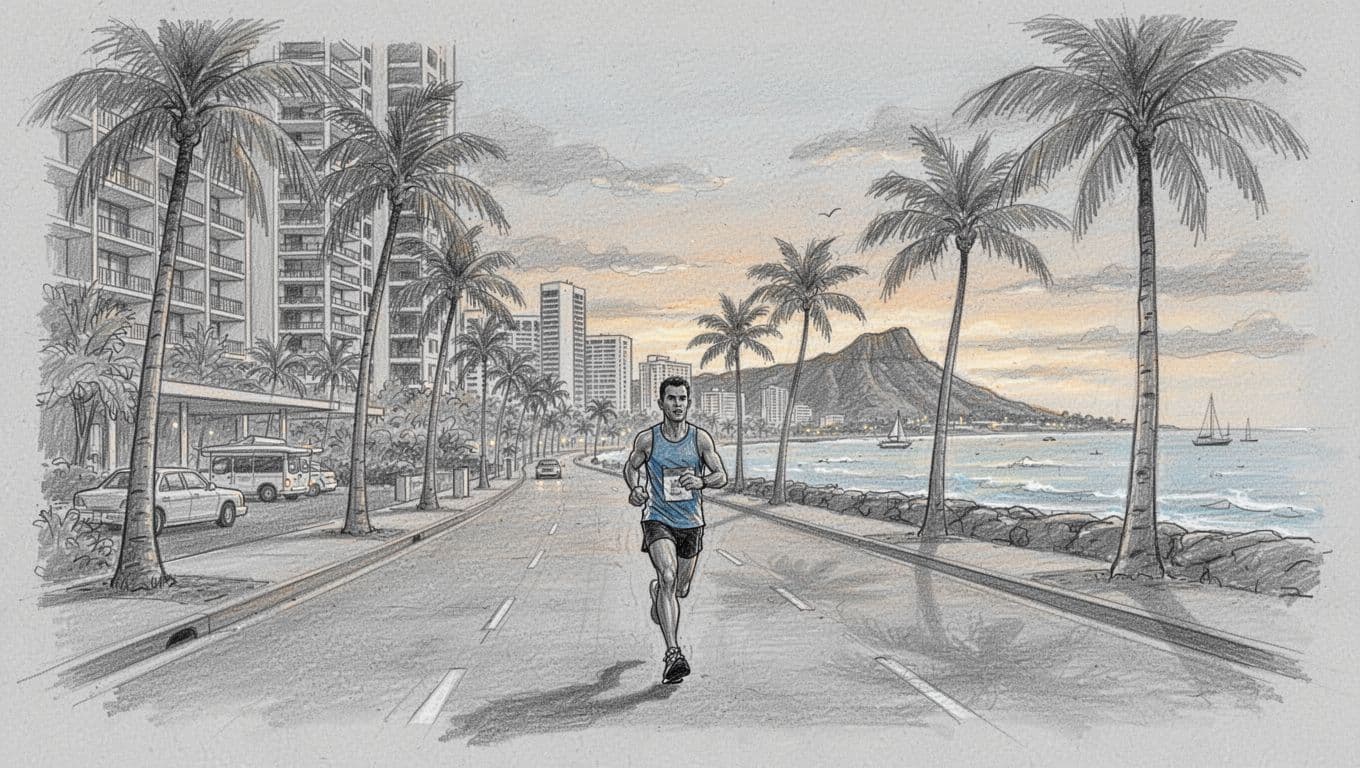
Waikiki is the best base for most first-time Honolulu Marathon visitors because it offers the widest hotel selection, restaurants, grocery stores, beach access, and race-week activity. Your main choice is simple: stay near Ala Moana for the shortest pre-race walk, or choose eastern Waikiki for an easier return from the finish.
Hotels Near the Ala Moana Start Line
Ala Moana is a strong choice if you want to remove as much race-morning transportation as possible. The Ala Moana Hotel by Mantra sits near Ala Moana Center, while Prince Waikiki and properties at the western end of Waikiki provide practical access toward the start area.
That short walk matters when the alarm rings before sunrise. You can leave your room with your race gear, reach the staging area on foot, and avoid relying on a rideshare vehicle during road closures. After the marathon, returning to a nearby hotel is also easier when your legs feel heavy and crowded pickup zones are unappealing.
Ala Moana Center adds useful race-week convenience. You can find meals, snacks, pharmacy items, and grocery options nearby, although you should confirm early opening hours before depending on a particular business. The marina and beach also give you space for gentle walking and light recovery after the race.
Still, this area feels more urban and commercial than traditional Waikiki. Construction noise may affect sleep, and the exact walking route can change when streets close. Before booking, review the official start-area access guidance and confirm the current start location, entry points, and event schedule.
A hotel near the start reduces decisions before the race, which can protect both your sleep and your focus.
Hotels Near Diamond Head and the Finish Area
Eastern Waikiki suits runners who care most about finishing near Kapiolani Park. Queen Kapiolani Hotel, Waikiki Beach Marriott Resort, Hyatt Regency Waikiki Beach Resort and Spa, and Alohilani Resort are all useful examples to compare, along with nearby properties on the Diamond Head side of Waikiki.
These hotels place you near Kapiolani Park, the Honolulu Zoo area, beach paths, and streets with broader Diamond Head views. After finishing, a short walk back can feel far better than waiting for transportation across Waikiki. The eastern end also tends to feel less congested than the busiest central blocks, especially on streets away from Kalakaua Avenue.
The tradeoff is the morning trip to Ala Moana. You may need a longer walk, an approved shuttle, or transportation arranged around road closures. Hills, crossings, and busy intersections can also affect the real route, depending on your hotel’s exact entrance and the current course.
Don’t rely on a hotel’s location description alone. Compare its address with the current Honolulu Marathon event information, then check the official finish map before reserving a room. Also ask about late checkout, luggage storage, elevators, breakfast hours, laundry, in-room coffee, and room policies, since those details matter after 26.2 miles.
Quieter Honolulu Areas for Better Sleep and Recovery
A quieter neighborhood can help you sleep, prepare, and recover better than a hotel in the busiest part of Waikiki. However, the tradeoff is distance. A peaceful room loses some of its value if you need a stressful pre-dawn drive to the start.
Diamond Head and Kapahulu for a More Local Feel
Diamond Head and Kapahulu suit runners who want parks, beaches, coffee shops, casual restaurants, and fewer late-night distractions than central Waikiki. Lotus Honolulu at Diamond Head is one example for travelers who want a calmer setting near the eastern shoreline. Kapahulu adds a more residential feel, with local food options and practical access to Kapiolani Park.
These areas may place you closer to the finish than the start, depending on the current course layout. Check the official Honolulu Marathon course description, then trace your hotel entrance to the start and finish on foot. A map can make the distance look simple, while hills, crossings, sidewalks, and road closures may change the actual route.
Early-morning lighting also matters. Walk the proposed route before race day if possible, and avoid adding unnecessary miles before the marathon. If you need transportation to Ala Moana, arrange it in advance rather than assuming a rideshare will reach your hotel during closures.
Food and store hours are usually less convenient than in central Waikiki. Buy breakfast items, snacks, electrolyte drinks, and race-eve food before evening businesses close. Beach walks, a hotel pool, and nearby green space can then support recovery without requiring another long outing.
Kahala and Kakaako for Families, Space, and Recovery
Kahala works well for families and runners who prefer resort amenities, quieter surroundings, and more room to spread out. The Kahala Hotel and Resort offers a resort-style setting, while larger rooms, extra beds, pools, laundry access, and beach areas can make a long race weekend easier for groups.
Kakaako appeals to visitors who want modern apartments, restaurants, grocery access, and a neighborhood atmosphere near downtown and Ala Moana. A hotel or vacation rental with a kitchen can reduce race-eve stress because you control meal timing, ingredients, and portions. After the race, nearby restaurants also make it easier to find a substantial meal without returning to crowded Waikiki streets.
Both areas require more planning than a hotel near the start. Depending on your location, you may need a car, taxi, organized race transportation, or a carefully timed rideshare. Parking fees can add significantly to the room price, especially at resort properties. Vacation rentals may also have separate parking rules, cleaning fees, and restrictions.
Calculate the complete stay cost before booking:
- Add parking, airport transfers, and race-day transportation.
- Confirm grocery stores and restaurants open before race morning.
- Check kitchen access, extra beds, laundry, and late checkout.
- Ask whether the walking route includes steep sections or poorly lit sidewalks.
A lower nightly rate is useful only when transportation and parking do not erase the savings. For Honolulu Marathon lodging, compare the full cost against the value of a shorter, simpler race-morning trip.
Budget-Friendly Places to Stay Without Making Race Morning Harder
Saving money on lodging matters, but the cheapest room can create expensive problems before the starting gun. A long transfer, noisy street, limited breakfast access, or surprise resort fee can cost more sleep and energy than the lower rate saves.
How to Save on a Honolulu Marathon Hotel
Book several months ahead whenever possible. The Honolulu Marathon draws strong demand during a busy travel period, so affordable rooms disappear early. Start by comparing older hotels, inland Waikiki properties, hostels, vacation rentals, and hotels near Ala Moana or Kapahulu. These options can cost less than a newer beachfront resort while keeping you within reach of the course.
Sharing a room with a training partner is one of the simplest ways to cut the nightly price. Choose a room with two proper beds, enough floor space for gear, and clear quiet-hour policies. A kitchenette can save even more because you can store breakfast foods, prepare familiar meals, and avoid restaurant prices before and after the race.
Staying slightly inland in Waikiki often lowers the rate without putting you far from restaurants, stores, and the start route. Kapahulu can offer useful value near the finish, while Ala Moana may reduce race-day transportation costs. If you stay farther away, calculate the transfer before booking. A rental car may sit unused because of road closures, parking charges, and your race-day schedule, so skip it unless you have plans beyond the marathon.
Ask hotels about marathon packages, participant discounts, group rates, breakfast options, and late checkout. The Honolulu Marathon hotel listings can help you identify race-connected properties, and the event’s extra FAQs note that partner hotels may offer participant services or discounts.
Compare the total trip cost, not only the advertised room price:
- Add nightly taxes, resort fees, cleaning charges, and parking.
- Check whether breakfast, a refrigerator, or kitchen access is included.
- Price the airport transfer and transportation to the start.
- Include your return trip from the finish area.
- Review cancellation terms before choosing a prepaid rate.
A refundable rate may cost more but protect you if plans change. A prepaid booking can work when your race schedule is certain, but read every restriction first. For vacation rentals, confirm that the listing is legal, properly registered where required, and clear about safety, check-in, deposits, and rental rules. Your lodging budget should protect sleep, food access, and a reliable route to the start, not merely produce the lowest number.
How to Choose the Right Hotel for Your Race Plan
Your ideal Honolulu Marathon hotel depends on the race you want to run. A personal-best attempt favors short, predictable access and strong sleep. A first marathon may benefit from simple transportation and nearby food, while a relaxed vacation or support trip may justify a quieter area farther from the course.
Score each property from 1 to 5 for start-line access, finish-line access, quiet, food, price, and recovery amenities. Add points for family space, accessibility, flexible cancellation, and dependable transportation. This quick comparison keeps attractive photos from making the decision for you.
What Runners Should Check Before Booking
Start with the official race details. Confirm the current start at Ala Moana Boulevard and Queen Street, the finish at Kapi’olani Park, course changes, and road closures. The official Honolulu Marathon event page is the best place to verify race information before you reserve.
Then check the hotel details that can shape race week:
- Ask about check-in and checkout times, late checkout fees, and luggage storage.
- Confirm whether the room has a refrigerator, microwave, air conditioning, and comfortable beds.
- Check breakfast opening time, laundry access, elevator reliability, parking, and airport transfers.
- Identify nearby convenience stores for water, breakfast foods, toiletries, and forgotten race supplies.
- Request a quiet room away from elevators, bars, pool areas, busy roads, and construction.
Photos show polished surfaces, not thin walls or slow elevators. Read recent reviews for noise, bed comfort, water pressure, air conditioning, elevator delays, and active construction. If the website leaves out an important detail, call the property before paying. Ask whether the hotel has race-day restrictions, special event policies, breakfast changes, luggage procedures, or limits on late checkout.
Choose Your Distance, Duration and Goal Time
Make three quick selections and open the exact plan built for your race target.
Looking for a Fully Personalized Training Plan?
The training plans above are an excellent choice if they match your goal. However, if you’d rather train with a plan built specifically around your current fitness, goal race, preferred training days, weekly mileage, and target finish time, our RDA Custom Training Plans provide a personalized solution. We also have running courses available for runners seeking to run faster from the mile to the marathon.
Why Choose a Custom Training Plan?
| Standard Training Plan | RDA Custom Training Plan |
|---|---|
| Follows a fixed schedule | Built around your schedule |
| Standard weekly mileage | Peak mileage customized for you |
| Fixed workout days | Train on the days you choose |
| Same structure for everyone | Designed around your current fitness |
| Static plan | Updated as your fitness improves |
| One-time purchase | Ongoing personalized coaching and support |
What You’ll Receive
- A training plan built specifically for your goal
- Personalized training paces
- Long runs, tempo runs, threshold workouts, interval sessions, recovery runs, and easy runs
- Peak weekly mileage matched to your experience level
- Flexible training schedule that fits your life
- Ongoing plan adjustments as your fitness improves
Ready to Train Smarter?
Stop guessing and start following a plan built specifically for you, your schedule, and your racing goals.
Walking, Shuttles, Rideshare, and Parking on Race Morning
Walking is usually the most predictable option when your hotel sits near the start. You control the departure time, avoid traffic, and don’t need to find a vehicle during street closures. Shuttles can help from farther areas, but fixed pickup times and crowded boarding zones may add pressure.
Rideshare pickup areas can move when police close streets. A driver may drop you several blocks away, and phone service or congestion can make the final connection slow. Driving creates its own problems, including blocked approaches, expensive parking, and limited access near the start.
Walk your planned route once before race morning. Check lighting, crossings, restrooms, and the actual hotel exit, then add extra time for security, corrals, and crowds. Carry only essential gear, and follow the official start-area directions rather than relying on an old map.
Plan the return trip, too. After the finish, crowds and closed roads can make a short journey take much longer. A hotel within walking distance of Kapi’olani Park may be worth a lower score for start access if recovery and simplicity matter most.
What to Do During Race Week Once You Arrive
Turn your hotel into a race-ready base as soon as you arrive. The goal is to reduce decisions, protect your sleep, and keep your legs fresh for race morning. After checking in, unpack your race clothes, lay out your shoes, pin your bib, charge your watch, and confirm the walking or shuttle route to the start.
Honolulu’s time zone can affect your normal schedule, especially if you travel from the mainland. Get outside for natural light, keep your meals close to your usual times, and avoid trying to force a late bedtime. A short nap can help, but a long afternoon sleep may make race night harder.
Shop early for familiar breakfast foods, race fuel, and fluids. Choose foods you have already tested in training, then build simple carb-focused meals around rice, pasta, potatoes, bread, fruit, or another dependable option. Drink regularly, but don’t overdo water. Pale-yellow urine and normal thirst are better guides than constantly carrying a large bottle.
The official Honolulu Marathon start guidance should be your final reference for access, staging, and race-morning directions. Families also need a plan. Road closures can begin well before the race, and the Honolulu Police Department advises the public to review marathon road closure information before traveling.
The Best Room Setup for Marathon Recovery
A recovery-friendly room doesn’t need the most expensive branding. A comfortable bed, blackout curtains, quiet floors, and reliable air conditioning can matter more than a rooftop pool or ocean view. Ask for a room away from elevators, pool decks, bars, busy streets, and construction areas. Hotels may honor these requests, but they can’t guarantee them.
A refrigerator and microwave make race-week meals easier to manage. Keep breakfast foods, snacks, and recovery meals within reach so you don’t depend on unfamiliar restaurants or limited opening hours. Easy access to water, groceries, or prepared food also saves unnecessary walking.
After finishing, change into dry clothes, eat a recovery meal, and elevate your legs while you rest. Take a gentle walk only if it feels good. Your body has already covered 26.2 miles, so avoid scheduling a full day of sightseeing immediately afterward. Keep the afternoon simple, hydrate normally, and give your legs room to recover.
Frequently Asked Questions
Choosing where to stay for the Honolulu Marathon comes down to more than nightly price. Your best base should support sleep, race-morning access, meals, and an easy return after 26.2 miles.
Is Waikiki the best place to stay for the Honolulu Marathon?
For many runners, Waikiki is the easiest all-around choice. It offers the largest range of hotels, frequent dining, grocery stores, beach paths, and a walkable layout that reduces race-week transportation concerns.
Still, the best location depends on the current start and finish points, your budget, and how much quiet you need. A hotel near western Waikiki or Ala Moana may suit a runner focused on the start, while eastern Waikiki can make the post-race return easier.
How early should I book a hotel for the Honolulu Marathon?
Book as early as practical because marathon weekend overlaps with a busy travel period. Popular hotels and lower-priced rooms can sell out well before race week, especially in Waikiki and near Ala Moana.
A refundable rate gives you flexibility while flights, race plans, or travel companions remain uncertain. Before booking, read the cancellation policy and mark the exact deadline, since some rates become nonrefundable several weeks before arrival.
Can I walk to the Honolulu Marathon start line?
Many Waikiki and Ala Moana hotels may be walkable, but the answer depends on your exact address and the official start location. Your pace, weather, lighting, road closures, and pre-race crowd movement also affect the real journey.
The marathon begins at 5:00 a.m. on Ala Moana Boulevard, and the official race FAQs provide current event details. Test the route before race day, then follow official guidance instead of relying only on map driving times.
Should I stay near the start or near the finish?
Staying near the start reduces pre-race stress, limits transportation decisions, and gives you more control over your arrival time. That advantage matters most if you’re chasing a personal best or feel anxious before big races.
A hotel near the finish can make the return much easier when your legs are tired and streets are crowded. Decide which part of the day matters more, or choose a midpoint between Ala Moana and Kapi’olani Park for a practical compromise.
Are vacation rentals a good option for marathon weekend?
Vacation rentals can work well for families and groups because kitchens, laundry, and extra living space simplify a longer stay. You can also prepare familiar meals without depending on restaurant hours.
Before paying, verify the listing’s legal status, total fees, check-in process, cancellation terms, parking, and transportation plan. A rental farther from the course may cost more after rideshares, parking, and extra travel time are included.
Do Honolulu hotels offer marathon race packages?
Some properties may offer race-week rates, runner amenities, late checkout, shuttles, or special meals. However, benefits vary by hotel and year, and the race does not organize shuttles from every property, according to its additional marathon FAQs.
Ask the hotel directly what it includes, then confirm breakfast hours, luggage storage, transportation, late checkout fees, and any runner discount before booking. Get important promises in writing so race-week arrangements don’t depend on a vague phone conversation.
Conclusion
The best place to stay for the Honolulu Marathon is the one that removes the most stress from your personal race plan. Waikiki offers convenience and variety, Ala Moana puts you closer to the start, and Diamond Head or eastern Waikiki can make the finish and post-race recovery easier in a calmer setting. Kahala and Kakaako provide more space and a different pace, but they require greater planning for race-morning transportation.
Before booking, confirm the current official course, start and finish locations, and road closures. Choose a room that supports solid sleep, familiar nutrition, and recovery, then walk your route or arrange transportation before race morning.
When the alarm sounds, you want fewer decisions and more confidence. Wake up prepared, step into Honolulu’s early light, and give the marathon a focused effort.


