

Where to Stay for the Hong Kong Marathon
The alarm rings early on Hong Kong Marathon morning, and crowded streets soon fill with runners, supporters, and race-day excitement. Where you stay can make the morning easier, giving you more time to rest, eat, and reach the start without a stressful trip across the city.
Tsim Sha Tsui can suit runners focused on the usual start area, while Causeway Bay puts you near the typical finish at Victoria Park. Jordan, Yau Ma Tei, Central, and Sheung Wan offer other options, depending on your budget and transport plans.
Because routes, start points, and road closures can change, check the official race guide before booking. First, consider which base best fits your race-day priorities. Be sure to check out the RunDreamAchieve YouTube channel for weekly running tips. Remember, make sure to reserve your Hong Kong Marathon hotels well in advance to save money.
Key Takeaways
- Tsim Sha Tsui is a practical base if your priority is staying near the marathon’s usual start area, while Causeway Bay can put you closer to the typical finish at Victoria Park.
- Jordan and Yau Ma Tei offer alternatives in Kowloon; Central and Sheung Wan suit runners who prefer to stay on Hong Kong Island.
- Choose a hotel based on your race-day start point, transport options, budget, and how much walking you want to do before the race.
- Race routes, start locations, and road closures can change, so check the official Hong Kong Marathon race information before booking.
- Wherever you stay, plan your race-morning journey in advance and allow time for transport disruptions and early road closures.
Where to Stay for the Hong Kong Marathon: Pick the Best Base for You
The best place to stay depends on which part of race day you want to simplify. A room near the start can mean less travel before dawn, while a hotel near the finish can make the post-race walk home easier. If you want a middle ground, prioritize convenient transit over a specific address.
The marathon has typically started in Tsim Sha Tsui and finished at Victoria Park in Causeway Bay. However, organizers can change the course, start and finish points, and road arrangements. Check the official race information and updates before booking, then match your hotel to the confirmed plan.
Stay near the start for a calmer race morning
If the start remains in Tsim Sha Tsui, staying nearby can reduce early-morning travel and give you more control over your pre-race routine. You can get dressed, eat breakfast, and head toward the start without crossing the harbor or relying on a long transit connection.
Jordan and Yau Ma Tei are nearby Kowloon alternatives. They may suit runners looking for a less central base while keeping Tsim Sha Tsui within reach. Check the walking route and expected race-morning access from any hotel, since road closures can affect the most direct path.
Choose Causeway Bay for an easier finish
Causeway Bay puts you near the marathon’s typical finish at Victoria Park. That can be appealing after a long race, when even a short trip back to your room feels welcome. The district also works well if you plan to meet family or friends near the finish, provided the current event arrangements allow it.
The trade-off is the morning journey to a Tsim Sha Tsui start. Before choosing a hotel, look up the organizer’s transport guidance and confirm which routes will run during race hours. A short distance on a map doesn’t always mean a simple trip when streets close.
Pick a transit-friendly base for access to both
Central or Sheung Wan can be practical if you want to stay on Hong Kong Island without committing to a finish-line hotel. Jordan and Yau Ma Tei also offer a Kowloon base with transit connections across the harbor. In either case, check the route to your assigned start and the return journey from the finish.
Hong Kong Tourism Board lists the 2027 event’s start at Nathan Road in Tsim Sha Tsui and finish at Victoria Park in Causeway Bay, but future race details may differ. Its Hong Kong Marathon event page offers a useful reference alongside the organizer’s latest notices.
As you compare hotels, weigh the race-morning trip against the post-finish walk. The best base is the one that fits the confirmed course and your own priorities, not simply the one closest to a familiar race landmark.
Which Hong Kong Neighborhood Fits Your Race Weekend?
There’s no single best place to stay for every runner. Choose based on whether you value a shorter trip to the usual start, an easier return after the finish, or convenient food and transit throughout the weekend. Since race-day access and closures can change, compare your hotel’s location with the latest event arrangements.
Stay in Tsim Sha Tsui for the Easiest Start-Line Access
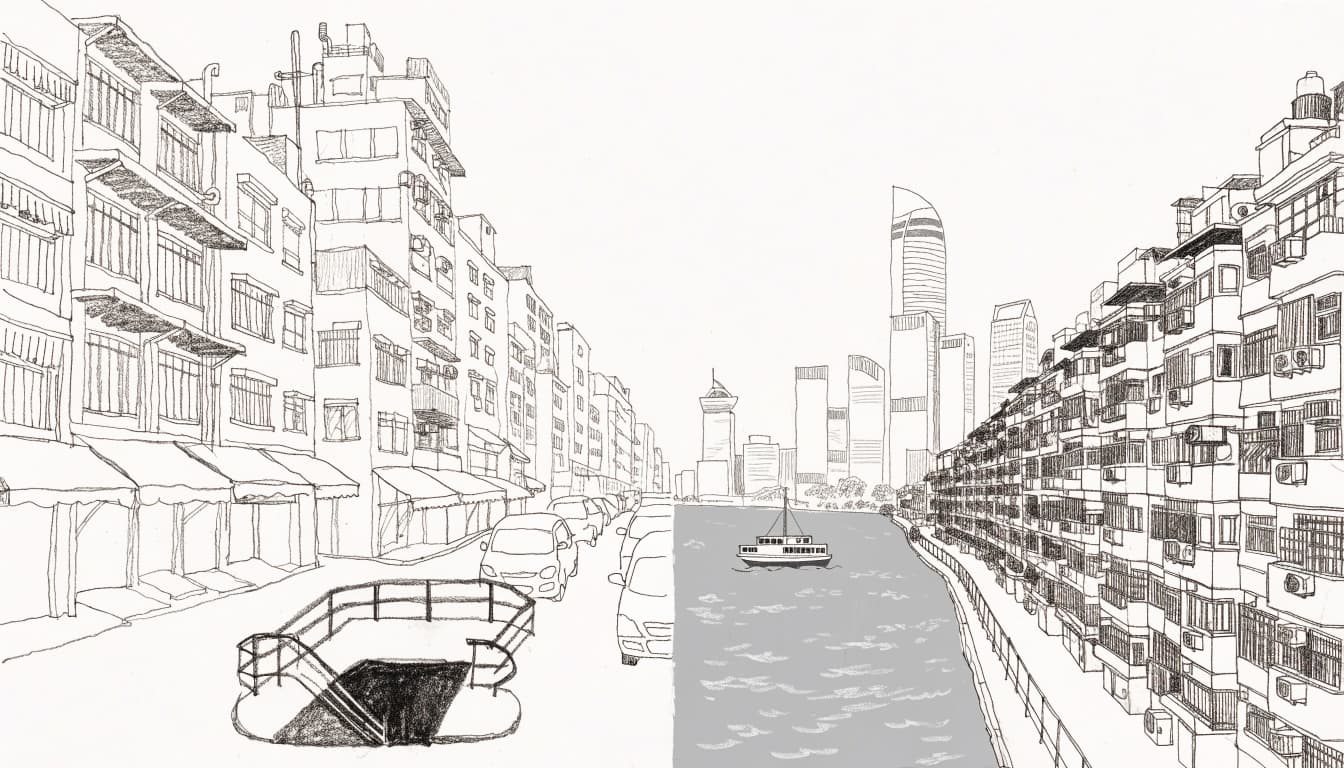
When the usual start is on Nathan Road, Tsim Sha Tsui can make race morning simpler. You’ll be close to the start area, with less cross-harbor travel before dawn. The district also has a lively waterfront, plenty of restaurants, and MTR connections for getting around before and after the race.
That convenience comes with a busier feel. Streets can be crowded, especially around popular shopping areas, so a hotel that looks close on a map may still involve a busy walk. The Kowloon Hotel and The Mira Hong Kong are examples to compare, not endorsements. Check each property’s current access details and rates before booking.
Choose Your Distance, Duration and Goal Time
Make three quick selections and open the exact plan built for your race target.
Looking for a Fully Personalized Training Plan?
The training plans above are an excellent choice if they match your goal. However, if you’d rather train with a plan built specifically around your current fitness, goal race, preferred training days, weekly mileage, and target finish time, our RDA Custom Training Plans provide a personalized solution. We also have running courses available for runners seeking to run faster from the mile to the marathon.
Why Choose a Custom Training Plan?
| Standard Training Plan | RDA Custom Training Plan |
|---|---|
| Follows a fixed schedule | Built around your schedule |
| Standard weekly mileage | Peak mileage customized for you |
| Fixed workout days | Train on the days you choose |
| Same structure for everyone | Designed around your current fitness |
| Static plan | Updated as your fitness improves |
| One-time purchase | Ongoing personalized coaching and support |
What You’ll Receive
- A training plan built specifically for your goal
- Personalized training paces
- Long runs, tempo runs, threshold workouts, interval sessions, recovery runs, and easy runs
- Peak weekly mileage matched to your experience level
- Flexible training schedule that fits your life
- Ongoing plan adjustments as your fitness improves
Ready to Train Smarter?
Stop guessing and start following a plan built specifically for you, your schedule, and your racing goals.
Choose Jordan or Yau Ma Tei for Value and Local Food
Jordan and Yau Ma Tei offer a more neighborhood-scale base while keeping Tsim Sha Tsui within reach. Casual eateries and local food options make it easier to find a relaxed meal, and hotels across these districts may suit a wider range of budgets. Eaton HK is one example to consider, though rates vary by date and room type.
Your trip to the start depends on the hotel’s exact location and race-day street access. Some runners may be able to walk; others may prefer a short MTR ride. Check the official MTR system map alongside the race guide, then allow extra time for closures and crowds.
Book Wan Chai or Causeway Bay to Be Near the Finish
If you’d rather minimize the walk back after finishing, Wan Chai or Causeway Bay can be a practical choice near Victoria Park. You’ll also have shops, restaurants, and transit nearby, which helps when you’re recovering and moving at a slower pace.
The trade-off is the trip to the usual start area across the harbor. The Hari Hong Kong, Novotel Century Hong Kong, and Regal Hongkong Hotel are examples in this part of Hong Kong, but compare their precise locations and current room details. A nearby MTR station can make the morning journey easier, though race-day routes may differ from a normal commute.
Pick Central or Sheung Wan for a Connected, Quieter Base
Central and Sheung Wan suit visitors who want restaurants, harbor views, and convenient MTR or ferry links. They can feel less centered on the race than Tsim Sha Tsui or Causeway Bay, so expect to plan travel to both endpoints rather than relying on a short walk.
Here, proximity to a station matters more than a small difference on the map. A hotel a few minutes from transit may save time and effort when you’re carrying race gear or heading out early. Check airport access and race-day routes for the specific property, then choose the neighborhood that best fits your priorities.
Find a Hotel That Matches Your Budget and Race-Day Needs
The best hotel for the Hong Kong Marathon is the one that fits your budget and makes race day easier. Compare the full stay, including the room, location, breakfast, and booking terms, rather than choosing by nightly rate alone.
What to Look for in a Budget, Mid-Range, or Premium Stay
Rates vary by date, room type, and booking terms, and demand can push prices higher around race weekend. Compare the total price for your stay, including taxes and fees, and check what the rate includes before you book.
Budget travelers can save on extras, but protect the basics: a quiet room where you can sleep and convenient access to transit or the confirmed race route. A lower rate may cost more in time or transport if the hotel sits far from your start or finish.
Mid-range properties may include useful amenities such as breakfast, a mini-fridge, or flexible luggage storage. Compare what you’ll actually use, and check whether the room type provides enough space for race gear and a comfortable night’s rest.
Premium stays can make recovery more comfortable, especially if they offer a larger room, a bathtub, or access to a pool or gym. Prioritize amenities that matter after the race, rather than paying more for features you won’t use. For every tier, read the exact room description and cancellation terms. A nonrefundable rate may be cheaper, but it gives you less flexibility if your plans change.
Check Breakfast, Late Checkout, and Other Runner-Friendly Details
Race-day schedules can begin before a hotel’s usual services do. Contact the property before booking to ask whether it can provide an early breakfast or takeaway food, and whether you can request a quiet room away from elevators or busy public areas.
Also ask about late checkout, access to a shower after the race, and luggage storage if you need to leave your room before the event. Policies vary by hotel, and late checkout may depend on availability or come with an extra charge. If you’re checking out early, confirm whether staff can help arrange a quick departure and store your bags afterward.
Elevator access matters when you’re carrying luggage or returning tired after the finish. Check the hotel’s location and your likely route as well. Hong Kong has several transport options, and the marathon’s visitor information outlines ways to get around the city. Still, race-day closures may affect ordinary journeys, so follow the event’s latest guidance.
Finally, identify a nearby convenience store or casual food spot as a backup. If breakfast service starts too late or you need a simple snack after the race, a nearby option can save time and reduce stress.
Plan Your Race-Morning Trip Before You Book
A hotel can look close to the start on a map and still require a complicated race-morning trip. Before booking, map the journey to the confirmed start and the return from the finish, then check the latest organizer notices.
Compare the MTR Route With the Walk to the Start
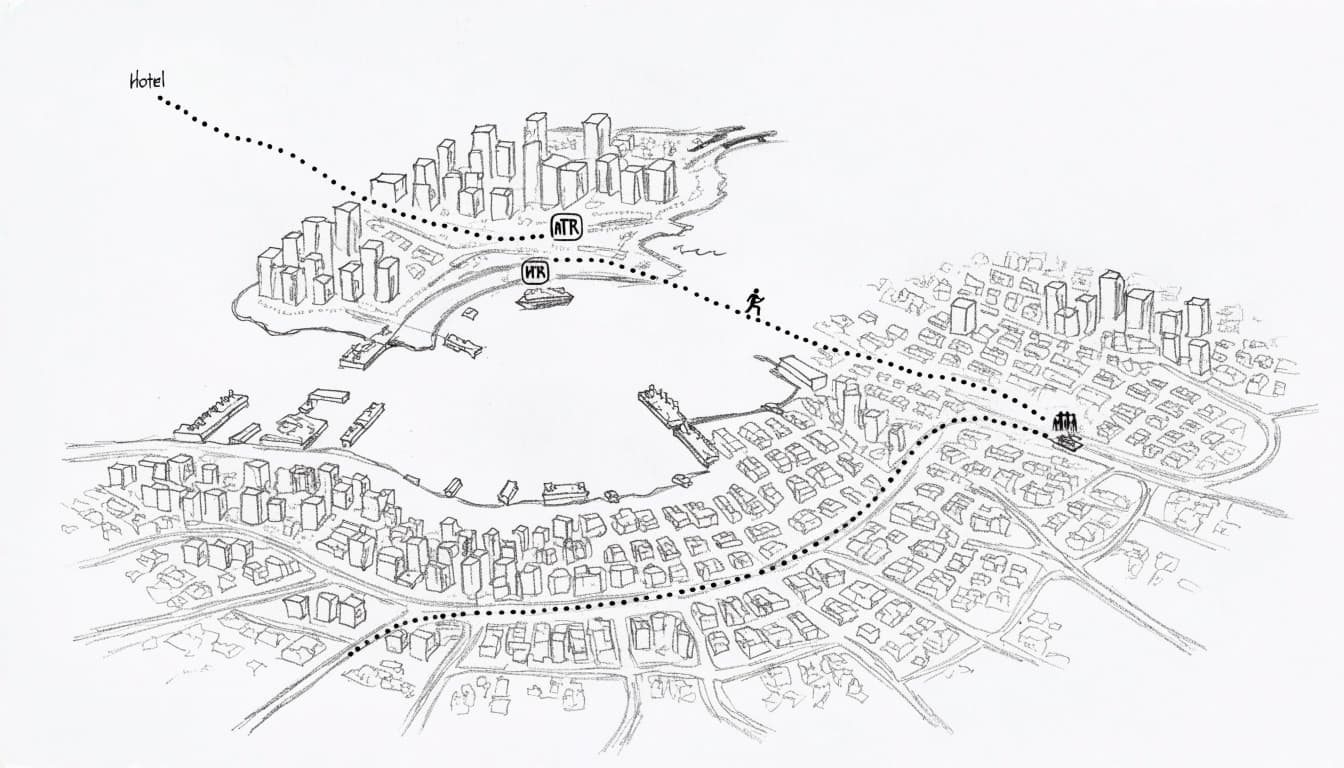
Start with your hotel’s exact address, not just its neighborhood. Find the nearest MTR station, check the walking distance to its entrance, and map the ride to the station closest to the official start. The MTR system map can help you compare lines and transfers, while the race information page provides the event’s current details.
Then check the walk from the destination station to your start area. A station may be nearby in straight-line distance but separated from the start by road closures, barriers, or a restricted entrance. Review organizer travel notices for the race’s current access plan, and don’t assume your usual bus, taxi, or ride-hailing route will work on race morning. Road restrictions can affect pickups and drop-offs as well as through traffic.
Save the route offline in case you have limited data or need to check it while moving through crowds. Also, allow extra time for transfers, station exits, and walking around closed streets. Service arrangements and restrictions depend on the event’s current plan, so confirm them again close to race day.
Make a Simple Plan for Getting Back After the Finish
The return journey deserves the same attention as the trip to the start. After the race, tired legs can make station stairs and long walks feel harder, while crowds and post-race road conditions may slow a short trip. A hotel near the finish can reduce the distance back, but check the actual walking route and whether streets around the finish will remain open to pedestrians.
Choose a return route before race day, including an MTR option and a walking alternative if both make sense. Check which station is practical from the finish area, how far its entrance is, and whether your route crosses any expected closure zones. Keep a backup meeting point with companions, preferably somewhere outside the busiest finish-area approaches, and share both the route and meeting spot in advance.
If you expect to use a taxi or ride-hailing service, identify a pickup area that the organizer permits. Don’t count on reaching a familiar curb or having a vehicle get close to the finish. Confirm any hotel shuttle directly with the property rather than assuming one is available. A clear return plan makes choosing where to stay for the Hong Kong Marathon easier, especially when you compare the post-race walk with the morning trip.
Book Early and Set Up Your Room for a Better Race Weekend
A good hotel plan gives you more control over race weekend, especially when demand rises around the event. Book once your travel dates are firm, then check the room details, cancellation terms, and location before paying. For the 2027 race, the official event information lists January 17 as race day. Confirm the date and race arrangements again before finalizing your stay.
Choose a Room That Supports Sleep and Pre-Race Routine
When possible, reserve a flexible room early, then compare its location with the confirmed start and finish points. Read the cancellation policy before paying, since a lower nonrefundable rate may not suit plans that could change. You can also contact the hotel to request a quiet room away from elevators, busy public areas, or nightlife. These requests can help, but the hotel may not be able to guarantee them.
The night before the race, make the room work for your routine. Pack familiar snacks rather than relying on unfamiliar food late in the evening, and set out your race clothes, shoes, bib, and anything else you need in the morning. Charge your phone, watch, and other devices before bed. If the hotel serves breakfast after your planned departure, bring a simple option you already know sits well.
After the finish, a little preparation can make recovery easier too. Keep comfortable clothes and any personal recovery items in an easy-to-reach part of your bag. Ask the hotel in advance about luggage storage, shower access, or late checkout, since availability and fees vary.
Make the Stay Easier for Family and Race Spectators
If family or friends are traveling with you, choose a base that gives them access to transit and food as well as a clear route to a viewing or meeting point. That can make their day easier while you focus on the race. Check event guidance for spectator access, since closures and crowd controls may affect familiar routes.
Agree on a post-race meeting spot before race day. Choose a recognizable place away from the busiest finish-area exits, and share the exact location with everyone in your group. Crowds can make it difficult to move quickly, and mobile service may be unreliable when many people are using their phones at once.
Solo runners benefit from the same simple plan. Save the hotel address and return route on your phone, and decide where to go if your original route becomes difficult. With a clear room setup and a meeting plan in place, you can spend less time sorting out logistics and more time resting before the start.
Frequently Asked Questions
Choosing where to stay for the Hong Kong Marathon comes down to your race-day routine, travel schedule, and recovery needs. These answers cover a few practical details to confirm before you book.
Is Tsim Sha Tsui or Causeway Bay Better for the Hong Kong Marathon?
Tsim Sha Tsui can make reaching the usual start area easier, while Causeway Bay can put you closer to the usual finish. The better choice depends on the confirmed course and whether you’d rather simplify the trip before the race or the return afterward. Check current event details before booking, since start and finish locations can change.
How Many Nights Should I Stay for the Race?
Arrive early enough to collect your race materials, settle into your room, and get a full night of sleep before race day. The right stay length depends on how far you’re traveling, the event schedule, and how much time you need to recover after arrival. Check the official race-pack collection information when planning your arrival.
Should I Stay Near the Start or the Finish?
Stay near the start if you want to reduce travel before the race; choose a finish-area hotel if an easier trip back matters more. Either way, compare the full route, including station walks, transfers, and possible road closures. A nearby map pin alone doesn’t guarantee a simple race-day journey.
When Should I Reserve a Hong Kong Marathon Hotel?
Book once your travel dates are clear, especially if you want a particular neighborhood, room type, or hotel amenity. Race weekend can narrow your choices, so reserving earlier gives you more options. Flexible cancellation terms can help if plans change, but read the exact policy before you pay.
Can I Rely on Taxis or Ride-Hailing on Race Morning?
Don’t make taxis or ride-hailing your only transport plan. Road closures and traffic controls may affect where drivers can pick up or drop off, even when the hotel seems close to the start. Check the current race travel notice and map a public-transit or walking backup.
What Should I Confirm With the Hotel Before Booking?
Ask the hotel to confirm its exact address and nearest station, then check whether breakfast service starts early enough for your schedule. Also ask about quiet-room options, luggage storage, checkout time, and cancellation terms. These details can shape your race-weekend routine as much as the neighborhood does.
Conclusion
The best place to stay for the Hong Kong Marathon is the one that supports good sleep, simple transport, and a calm race-day routine. Tsim Sha Tsui can make the usual start easier to reach, while Jordan and Yau Ma Tei offer Kowloon alternatives. Causeway Bay puts you closer to the typical finish, and Central or Sheung Wan can suit runners who want an island base with transit connections.
Before booking, compare the hotel’s location with your own race-day priorities. Then confirm the latest official start, finish, transport, and road-closure details, since event plans can change. A well-chosen stay helps make race morning feel more manageable and recovery afterward less demanding.


