

Where to Stay for the Flying Pig Marathon
Race weekend starts before sunrise, when your alarm rings, breakfast needs to be ready, and your gear has to be packed before you head for the start line. For the Flying Pig Marathon, the best place to stay depends on your budget, how close you want to be to race activities, and whether you’d rather have a quiet night or restaurants nearby.
Choosing a Flying Pig Marathon hotel by neighborhood can make race morning easier, but road closures and event plans can affect even a short trip downtown. This guide compares Cincinnati-area bases, shares hotel examples, and covers booking and race-day logistics so you can choose a stay that fits your plans. Be sure to check out the RunDreamAchieve YouTube channel for weekly running tips.
Key Takeaways
- Downtown Cincinnati puts you closest to many race-weekend activities, which can simplify early starts and reduce travel planning.
- Over-the-Rhine offers restaurants and a lively neighborhood feel, while still keeping you near downtown; check your route and race-day transport before booking.
- Covington and Newport give you a Northern Kentucky base across the river. Compare bridge access and your planned way to reach the start.
- For where to stay for the Flying Pig Marathon, weigh race-day convenience against budget, noise, and dining options, then review official marathon details before choosing.
Where to Stay for the Flying Pig Marathon: Find Your Best Cincinnati Base
Your best Cincinnati base depends on how you want race weekend to feel. Downtown favors quick access to event activity, Over-the-Rhine adds dining and historic streets, and Northern Kentucky offers a riverfront alternative. Farther-out stays may bring more space or a lower rate, but they can add travel time on race morning.
Race schedules, start and finish locations, road closures, and transit plans can change each year. Check the current Flying Pig Marathon details before booking, then map your hotel-to-event route for that specific weekend.
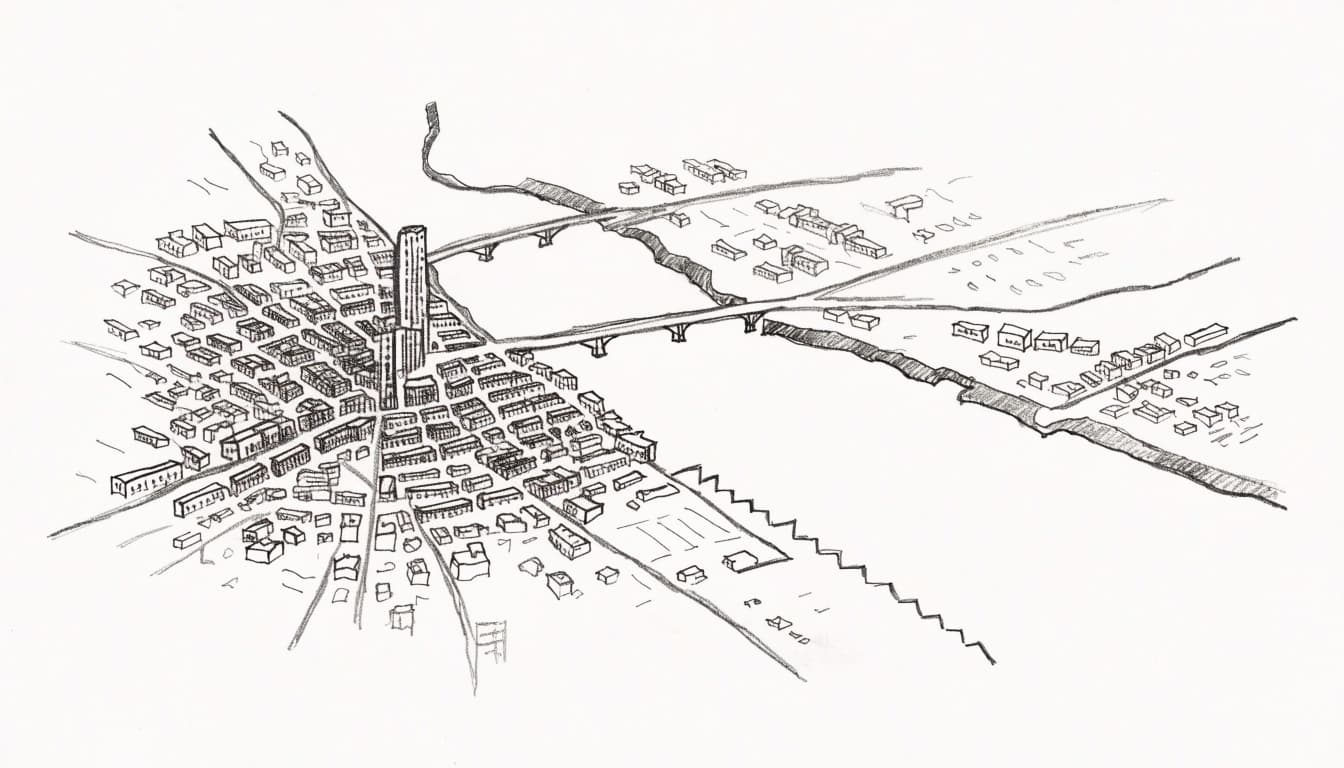
Downtown Cincinnati puts you close to race-weekend action
Downtown is a strong choice if convenience matters most. You’ll find hotels, restaurants, and event activity within a compact area, which can make it easier to get to packet pickup, meals, or race-related gatherings without planning every trip around a car.
Options include Hyatt Regency Cincinnati, Hilton Cincinnati Netherland Plaza, The Westin Cincinnati, and Hampton Inn & Suites Cincinnati-Downtown. Their locations differ, so don’t assume every property is the same distance from the start, finish, or other race sites. Check the event setup and the hotel’s exact address before deciding whether you’ll walk, take a short ride, or use transit.
Over-the-Rhine brings dining and historic character
Over-the-Rhine suits runners who want cafes and restaurants close by, along with a lively neighborhood atmosphere after the day’s race activities. Historic architecture and busy dining streets give the area a different feel from the central business district. 21c Museum Hotel is one recognizable place to consider, though it’s far from the only lodging option.
The tradeoff is the trip to race activities. Depending on your hotel and the weekend’s road closures, you may have a longer walk or need a short ride. Check your likely route before booking, especially if you want to avoid extra time on your feet before the race.
Covington and Newport offer a stay across the river
Covington and Newport put you in Northern Kentucky, across the Ohio River from downtown Cincinnati. Hotel Covington offers a neighborhood setting, while Cincinnati Marriott at RiverCenter and Embassy Suites by Hilton Cincinnati RiverCenter sit near the riverfront. Aloft Newport on the Levee is another option, close to Newport’s dining and entertainment area.
These stays can work well if you’re comfortable planning a bridge crossing. However, the best route depends on your hotel, race locations, transit service, and any race-day closures. A bridge that looks close on a map may not be the most practical way to reach your destination that morning. Review the Flying Pig road-closure information for the event year and map your route before booking.
Look beyond the center for quieter or lower-cost stays
Hyde Park and airport-area hotels may appeal if you’re traveling with family, have a car, or find a better rate outside the center. You may get more room or a calmer evening, but the savings can come with a longer trip, parking costs, and less flexibility on race morning.
Consider how you’ll reach the start before choosing a farther-out stay. Driving may be complicated by closures, while rideshares and transit can take extra planning. For many runners, a central hotel costs more but reduces the number of moving parts before an early start.
Hotels near the Flying Pig Marathon work best when the details fit your race plan
Race morning rewards a short, predictable trip. A hotel can sit half a mile from the start line and still force a long detour once barricades go up. That’s why the best stay for the Flying Pig Marathon depends on your corral, your finish-line plans, and the services you need before the gun. Rates and availability shift constantly for race weekend, so compare policies and routes instead of chasing a single quoted price.
Choose a hotel for start-line access, not just a map pin
Map distance tells you little about race morning. Your assigned start area, corral entrance, and the event’s road closures decide whether a walk is simple or stressful. Open the current course map and event schedule, then trace a route between the hotel door and the exact start zone. Do the same for the finish, especially if you plan to meet family or check a bag.
Some Cincinnati streets close hours before the first wave, and a bridge that looks close may send you the long way around. Ask the front desk what they know about race-day access, but treat the event’s official updates as the final word. A hotel two blocks from the start can still mean a 20-minute detour if your corral entrance sits on the opposite side of the closure.
A short walk on Thursday can become a blocked street on Sunday. Confirm your corral entrance and closure times before you book.
Finish-line logistics matter too. If your hotel sits near the finish but far from the start, plan a ride or a warm-up walk. When family will spectate, pick a meeting point that avoids the busiest part of the finish chute.
Choose Your Distance, Duration and Goal Time
Make three quick selections and open the exact plan built for your race target.
Looking for a Fully Personalized Training Plan?
The training plans above are an excellent choice if they match your goal. However, if you’d rather train with a plan built specifically around your current fitness, goal race, preferred training days, weekly mileage, and target finish time, our RDA Custom Training Plans provide a personalized solution. We also have running courses available for runners seeking to run faster from the mile to the marathon.
Why Choose a Custom Training Plan?
| Standard Training Plan | RDA Custom Training Plan |
|---|---|
| Follows a fixed schedule | Built around your schedule |
| Standard weekly mileage | Peak mileage customized for you |
| Fixed workout days | Train on the days you choose |
| Same structure for everyone | Designed around your current fitness |
| Static plan | Updated as your fitness improves |
| One-time purchase | Ongoing personalized coaching and support |
What You’ll Receive
- A training plan built specifically for your goal
- Personalized training paces
- Long runs, tempo runs, threshold workouts, interval sessions, recovery runs, and easy runs
- Peak weekly mileage matched to your experience level
- Flexible training schedule that fits your life
- Ongoing plan adjustments as your fitness improves
Ready to Train Smarter?
Stop guessing and start following a plan built specifically for you, your schedule, and your racing goals.
Check breakfast, parking, and room policies before booking
Race weekend puts unusual demands on a hotel. You may leave before the breakfast buffet opens and return wanting a shower after checkout. Confirm the details before you pay, and get answers in writing when possible.
| Question to ask | Why it matters |
|---|---|
| What time does breakfast start? | A 6 a.m. opening may not work if your wave starts at 6:30. Ask about grab-and-go options. |
| Is there a mini-fridge or microwave? | Lets you keep your own race breakfast and snacks in the room. |
| What does parking cost, and is the garage open early? | Rates vary, and a full garage can add stress on race morning. |
| Can I get late checkout or bag storage? | A later checkout gives you time to shower and eat after the race. |
| What is the cancellation policy for race weekend? | Plans change. Know your deadline and any deposit rules. |
Ask about access to food or groceries nearby, too. A convenience store within a short walk can solve a forgotten breakfast item. For parking, compare the daily rate with the cost of a rideshare, and check whether the garage height fits your vehicle. Confirm late checkout and bag storage directly with the property, since policies vary by hotel and room type.
Book with a flexible rate when you can, and read the cancellation terms before paying. A lower rate with no refund can cost more if an injury or schedule change upends your trip. Once you’ve chosen a hotel, save the confirmation, the front desk number, and the event’s race-day page in one place.
Match your Cincinnati stay to your budget, race goals, and travel group
Race weekend costs reach beyond the room rate. Parking, rideshares, restaurant meals, and rental fees can change which option is truly cheaper. Before you book, name your travel group, your race morning priority, and the total you can spend. Then compare each neighborhood against those limits. For where to stay for the Flying Pig Marathon, that simple filter beats chasing the lowest nightly price.
Pay more for convenience when a calm race morning matters most
A downtown hotel can buy you a quieter race morning. First-time marathoners and solo runners often benefit most because a short walk to the start removes driving, parking, and pre-dawn navigation. You can prep gear in the room, leave extra layers behind, and return after the finish without a long trip. Couples may find the same base worthwhile when one person handles spectating and meeting up.
Premium downtown rates, busy lobbies, and street noise are real tradeoffs. Mid-range hotels a few blocks farther can lower the bill while keeping a walkable route. Lodging farther out may cut the room rate, but add parking, rideshare fares, and travel time. Check the event’s road closures and your corral entrance before you pay for proximity.
A calm start has value, yet it shouldn’t wreck the trip budget. Price the whole stay: room, taxes, parking, breakfast, and two or three meals near the hotel. If the total fits, downtown convenience can make the weekend feel simpler.
Consider shared rooms or rentals for families and running groups
Families and running groups usually need space more than a lobby. A vacation rental or shared suite can provide a kitchen, separate sleeping areas, and a place to gather before the race. Cost sharing helps, especially when several runners split the bill. Still, compare cleaning fees, parking rules, cancellation terms, and the exact address.
Neighborhood labels can mislead. A rental listed as downtown or Over-the-Rhine may sit a long walk from the start or across a closure. Confirm check-in rules, early arrival options, and whether the host allows late checkout. Then map the door-to-start route at the hour you’ll actually leave.
Solo runners can choose a mid-range hotel and keep costs predictable. First-time marathoners often get the most value from a premium downtown room near the action. Couples can split a central stay or save with a rental. Families should weigh kitchen access and parking against fees, while groups need enough beds and a clear cost split. Add rides, meals, and parking to every option, because the cheapest nightly rate rarely tells the full story.
Book early and plan your Flying Pig Marathon weekend travel
Race weekend turns small decisions into big ones. A room held months ahead gives you choices; a room booked late gives you whatever is left. The same goes for travel. Build a simple timeline, protect your cancellation options, and confirm race-day logistics as the event gets closer.
Reserve a room before popular options fill
Race weekends draw runners, families, and spectators to the same compact areas. Demand can rise around major race events, so early booking gives you more choice in neighborhood, room type, and price. Reserve a refundable rate when you can, then compare the full cost: room, taxes, parking, breakfast, and the rides you’ll likely need.
A simple booking timeline keeps the decision manageable.
| When | What to do |
|---|---|
| Several months out | Compare neighborhoods and hold a refundable room |
| 8 to 12 weeks out | Recheck rates, cancellation deadlines, and hotel policies |
| 2 to 4 weeks out | Confirm arrival time, parking, and race-weekend schedule |
| Race week | Save confirmations and check event updates |
Set a calendar reminder to compare options again before your cancellation deadline. A lower rate may appear, or a closer room may open. Revisit the event schedule too, since start times and road closures can shift as race day approaches.
Build a race-morning route with a backup plan
Check the official event maps before you settle on a hotel. Look at the start and finish areas, packet pickup, bridge access, parking restrictions, and road closures for your race year. Then decide whether you’ll walk, use transit, take a rideshare, or drive. Each choice has a different failure point, so have a backup.
Allow extra time for crowds, security lines, and closed streets. If you plan to drive, confirm garage hours and the route to your corral entrance. Rideshare pickups can get complicated near barricades, so pick a meeting spot several blocks from the busiest area. Walking may be fastest for a downtown stay, but only if your route avoids closures.
Keep packet pickup and arrival timing in the same plan. A Friday pickup may fit easily into the day; a Saturday trip can collide with race traffic. Pack your race gear before bed and leave a buffer for the morning.
Use this short checklist before you travel:
- Confirm your room, cancellation deadline, and parking details.
- Save the event schedule, course maps, and road-closure page.
- Plan packet pickup and a backup route to the start.
- Set a meeting point for family or friends.
- Pack race gear, breakfast, and extra layers the night before.
Make your hotel stay support recovery after the finish
The finish line brings relief, but the next few hours decide how the rest of race weekend feels. A hotel that is easy to reach, stocked with fluids and familiar food, and quiet enough for a shower and a nap can turn a hard morning into a manageable afternoon. When you compare where to stay for the Flying Pig Marathon, weigh the return trip as carefully as the walk to the start.
Plan a simple post-race return and recovery routine
Work out the first hour after you leave the finish chute before race day arrives. Pick a meeting point with family or friends that sits away from the busiest exit area. Keep your room key, phone, and a small snack in a pocket or belt bag rather than a checked bag. If nearby streets close, know a backup route to the room and save the hotel address for a rideshare driver.
Your room should do three jobs: let you cool down, refill, and rest. Ask the hotel about nearby food options and whether the room has a fridge for drinks and snacks. A quiet floor helps if you want to sleep after the race. Flexible checkout or bag storage gives you time to shower without rushing.
Families and spectators can help by carrying a change of clothes, water, and a simple snack. Agree on a text check-in time and a second meeting spot in case the first is crowded. Then let the afternoon stay loose. A short walk to food, a shower, and a horizontal hour often matter more than sightseeing.
Frequently Asked Questions
Once you’ve compared where to stay for the Flying Pig Marathon, a few practical questions still come up. These are the ones runners ask us most often after they’ve narrowed down a neighborhood.
Can you walk from Covington or Newport to the Flying Pig start?
The bridges are walkable, but race-day closures can change your route. Distance from your hotel to the start matters, and a sidewalk may be closed or packed with runners. Map the route on the official course and closure maps before you commit. If the walk runs long, plan a rideshare drop-off away from barricades.
Is it better to stay near the start line or the finish line?
Start-line access usually wins because the morning has a hard deadline. Finish-line proximity helps after the race, but you can solve that with a meeting plan and a short ride. Check the course map, since start and finish areas can sit apart. A hotel between both can work if closures allow a direct route.
Do you need a car if you stay downtown?
Most runners can skip a car downtown and walk, use transit, or take a short rideshare. Parking costs and race closures make driving less attractive. Still, confirm your corral entrance and any early-morning transit service. If you plan to explore outside the center after the race, a car may help.
Are hotel shuttles available on race morning?
Some properties arrange race-weekend transport, but you cannot count on it. Ask the front desk directly and get the pickup time and location in writing. Treat any shuttle as a backup and keep a walk or rideshare plan ready. The event’s official page is the final word on transport changes.
What if my hotel is outside downtown?
Build more buffer into race morning. Pre-book a rideshare or confirm garage hours, because demand spikes before dawn. Drive the route a day earlier if you can, and identify a drop-off spot outside barricades. A 15-minute drive can become much longer with closures.
How should spectators plan to meet a runner after the finish?
Pick a meeting point two or three blocks from the finish chute and agree on a text check-in time. Carry a backup spot in case the first is packed. Spectators should bring water, a layer, and a phone charger. A quiet side street usually beats the busiest exit area.
Conclusion
The right stay for the Flying Pig Marathon balances race access, budget, rest, and the way you like to travel. Start with the neighborhood, because it shapes your race morning more than any room amenity does. Then compare exact addresses, cancellation terms, and race-weekend policies at the hotels on your shortlist.
Before arrival, confirm current routes and road closures from the official race page. Map your walk or ride to both the start and the finish, so race morning feels routine instead of rushed.
Choose the base that lets you wake up calm, reach the corral without a scramble, and return to a quiet room after the finish. We’ll be rooting for you. Here’s to a smoother start and a more restful finish.


