

Where to Stay for the Buffalo Marathon
On Buffalo Marathon morning, you’ll want a calm place to sleep, an easy route to the start, and enough time to warm up without rushing. Choosing where to stay for the Buffalo Marathon depends on your budget, how you’ll get to the starting line, and whether you want restaurants and city sights close by after the race.
Downtown puts you near many city amenities, while other neighborhoods may offer a quieter stay or different price options. This Buffalo Marathon hotels guide compares areas and lodging types to help you choose what fits your race plan. Before booking, confirm the current start location, schedule, road closures, and transportation details, since race-day logistics can affect which stay works best.
Key Takeaways
- Downtown offers close access to city amenities and can make race morning simpler, but compare each hotel’s distance to the current start location.
- Choose a quieter neighborhood or a lower-cost stay only after checking how you’ll reach the start and return after the race.
- Before booking, confirm race dates, start details, road closures, and transportation plans with the official Buffalo Marathon Weekend site.
- Prioritize a restful night, a predictable trip to the start, and easy access to food so your stay supports your race plan.
Where to Stay for the Buffalo Marathon: Choose the Right Neighborhood
The best place to stay for the Buffalo Marathon depends on more than the shortest route to the start. Compare your race-morning trip, access to food, preferred atmosphere, and lodging budget. The closest hotel may still be the wrong fit if it costs more, offers limited dining, or leaves you without a reliable way back after the race.
Check the current Buffalo Marathon course map and start-line instructions before booking. Race details can change, and a neighborhood that looks close on a map may require a longer walk or a ride because of road closures.
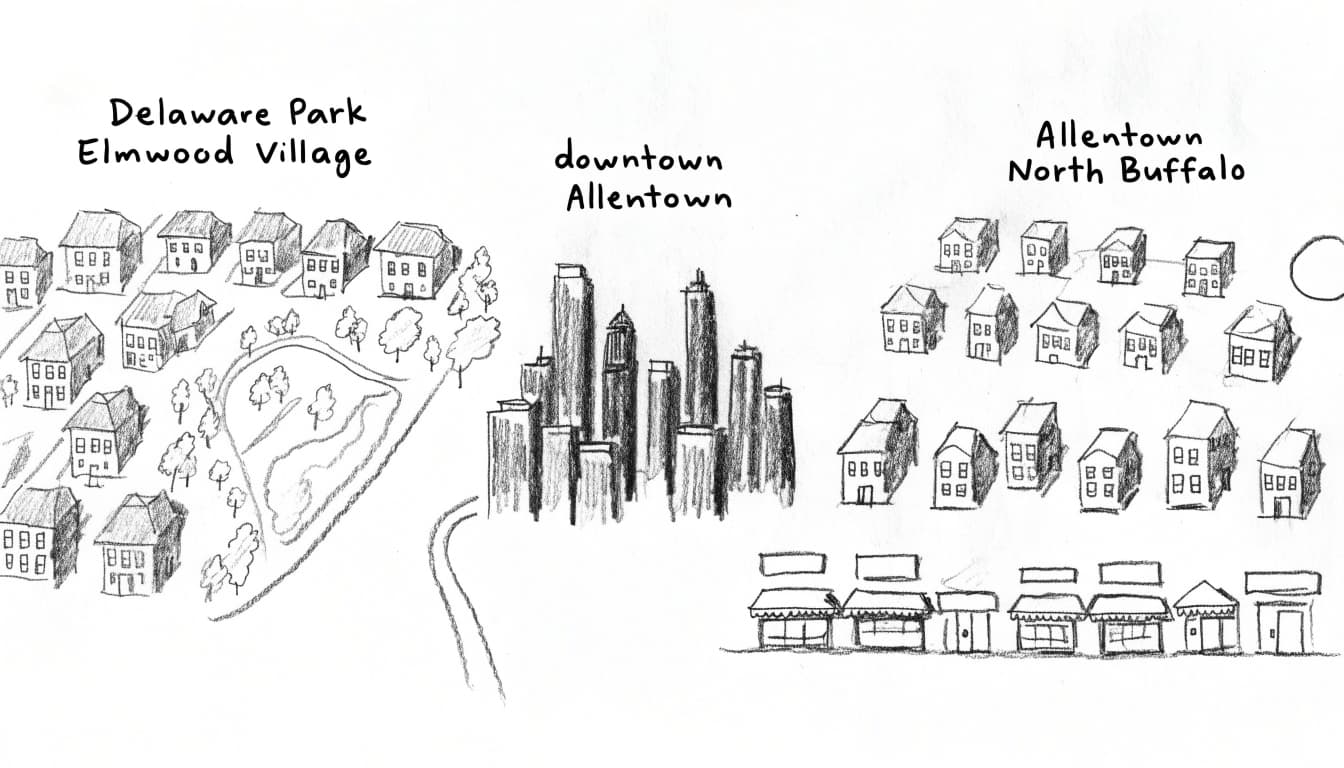
Delaware Park and the Elmwood Village for a shorter race-morning trip
Staying near Delaware Park or the Elmwood Village can reduce travel on race morning, depending on your exact lodging and the official start location. The area has a residential feel, leafy streets, and independent shops, cafes, and restaurants. The Elmwood Village neighborhood guide can help you explore nearby places to eat and visit.
However, don’t assume a hotel is walkable just because it’s near the park. Check the actual route, sidewalks, start-line access, and any race-day restrictions. Hotel choices may also be more limited than downtown, so book early and compare rates. A quieter setting can suit runners who want a calmer evening, but confirm that you can get breakfast or groceries at the hours you need.
Downtown Buffalo for hotels, dining, and easy access to city sights
Downtown offers a wider mix of hotels, restaurants, and attractions, which can make it a practical base if you want options before and after the race. You may find a better match for your budget or room preferences here, though prices can rise during marathon weekend. Compare the full cost, including parking and transportation, rather than judging by the nightly rate alone.
Depending on the official race plan and your hotel’s location, you may need a drive, rideshare, or other transportation to reach the start. Build in extra time for race-day traffic and closures, and confirm your return plan before the event. Downtown is a strong choice if amenities matter most, even when it isn’t the shortest trip to the starting line.
Allentown and North Buffalo for a neighborhood stay
Allentown has historic homes, lively bars, and restaurants, while North Buffalo offers a more residential feel with local dining along its commercial streets. Both can make the trip feel more like a neighborhood visit than a stay in the city center.
Lodging may be more limited than downtown, and travel times vary by address. Before reserving, check transit schedules, parking rules, and the drive or rideshare route to the start. If a lower rate draws you farther from the course, weigh the savings against the time and planning needed on race morning.
Buffalo Marathon hotels worth comparing
Buffalo has full-service downtown hotels, independent boutique properties, and quieter inns, so compare more than the nightly rate. The right choice depends on your start-line route, race-morning routine, and how much flexibility you need if plans change.
Downtown hotels for a full-service stay
Downtown properties can make it easier to find restaurants, services, and transportation, but their locations vary. Options to research include Hyatt Regency Buffalo, Hampton Inn & Suites Buffalo Downtown, The Westin Buffalo, Curtiss Hotel, and Buffalo Marriott at LECOM Harborcenter. The Marriott is near the waterfront and KeyBank Center; check its hotel details and location alongside the other properties before choosing.
For each hotel, compare the details that affect race morning and your recovery. Ask whether breakfast starts early enough, whether the hotel can provide a grab-and-go option, and whether parking costs extra. Also check late-checkout availability, since a post-race shower can make the trip home more comfortable. Policies and fees vary, so get the terms in writing before booking.
Most importantly, map the route from the hotel to the current official start location. A downtown address doesn’t guarantee a simple walk, especially if race-day road closures affect access. Confirm whether you’ll need a rideshare, hotel shuttle, or another plan, and allow extra time for traffic and drop-off restrictions. Compare room cancellation rules, too, in case your travel plans change or you decide to stay closer to the course.
Smaller hotels and inns for a quieter weekend
A boutique hotel or inn may suit you if you prefer a smaller setting and a less busy lobby. The Mansion on Delaware Avenue is one established property to research. Its style and atmosphere may differ from a larger chain hotel, so compare what matters for your routine rather than choosing by photos alone.
Before reserving, call or email with a few runner-specific questions. Can the property arrange early breakfast, or is there a nearby place open before the start? Ask about street noise, event activity, stairs, and elevator access. If you plan to keep breakfast or recovery food in your room, check whether it has a mini-fridge or microwave.
Treat all these properties as starting points for comparison, not endorsements or guarantees of availability. Verify current operations, room rates, distance to the race, and any marathon room blocks directly with each hotel. Then compare the total cost and race-day travel plan, not just the advertised nightly price.
Choose Your Distance, Duration and Goal Time
Make three quick selections and open the exact plan built for your race target.
Looking for a Fully Personalized Training Plan?
The training plans above are an excellent choice if they match your goal. However, if you’d rather train with a plan built specifically around your current fitness, goal race, preferred training days, weekly mileage, and target finish time, our RDA Custom Training Plans provide a personalized solution. We also have running courses available for runners seeking to run faster from the mile to the marathon.
Why Choose a Custom Training Plan?
| Standard Training Plan | RDA Custom Training Plan |
|---|---|
| Follows a fixed schedule | Built around your schedule |
| Standard weekly mileage | Peak mileage customized for you |
| Fixed workout days | Train on the days you choose |
| Same structure for everyone | Designed around your current fitness |
| Static plan | Updated as your fitness improves |
| One-time purchase | Ongoing personalized coaching and support |
What You’ll Receive
- A training plan built specifically for your goal
- Personalized training paces
- Long runs, tempo runs, threshold workouts, interval sessions, recovery runs, and easy runs
- Peak weekly mileage matched to your experience level
- Flexible training schedule that fits your life
- Ongoing plan adjustments as your fitness improves
Ready to Train Smarter?
Stop guessing and start following a plan built specifically for you, your schedule, and your racing goals.
How to choose a Buffalo Marathon stay that fits your race plan
The best place to stay for the Buffalo Marathon is the one that supports your race routine, not simply the one with the lowest rate or best-looking photos. Compare the trip to the start with the room’s sleep conditions, meal options, recovery needs, and booking terms. A little planning now can prevent a noisy night or a rushed morning from disrupting your preparation.
Prioritize sleep, quiet, and a simple pre-race routine
Ask about street noise, room location, and elevator access before you book. A room away from elevators, busy entrances, and late-night gathering spots may help you rest. If you’re sensitive to light or need to lay out your gear, confirm the room has blackout curtains and enough clear space for your clothes, shoes, bib, and breakfast.
Keep your usual sleep and meal routine as much as possible. For example, if you normally eat breakfast before an early run, choose lodging where you can have that same food at the same time. Check the route to the current start location, too. Race-day closures can change the easiest way to get there, so review the Buffalo Marathon road-closure information before settling on a hotel.
Check breakfast, parking, and runner-friendly room features
A few details can make race morning smoother and your return less stressful. Before booking, ask:
- Does breakfast start early enough, or can the hotel provide a grab-and-go option?
- Is there a refrigerator in the room, and can you store your own food?
- What does parking cost, and can you leave your car there after checkout?
- How does late checkout work after the race, and can you request it in advance?
Policies and fees vary, so get clear answers directly from the property. A room with a mini-fridge can help you keep familiar breakfast or recovery food on hand. If you plan to drive, compare hotel parking with the event’s official parking information, then account for access restrictions and your route back after the finish.
Plan for family, friends, and post-race recovery
Your hotel’s location affects more than your own trip to the start. Supporters need a workable route to viewing areas, and closures may limit where they can drive or cross the course. Share the race map and meeting points with your group, then confirm the easiest approach using current event details.
After the finish, a place to shower, eat, and put your feet up can make the day more comfortable. If family or friends will visit your room, check guest access and occupancy limits before booking. Also confirm checkout time and whether the hotel can hold luggage if you need to leave the room before you’re ready to head home. These practical details help turn your lodging choice into part of a race plan that works for everyone.
Getting to the start line from your hotel
Your hotel choice affects how much of race morning you spend traveling. Before you book, compare the door-to-start route with your usual pre-race routine, then confirm the current course map and instructions on the Buffalo Marathon’s official start-line page and in race-week emails. Start locations, transportation options, and access rules can change, so don’t plan from an old map or a past year’s schedule.
Compare walking, driving, rideshare, and race shuttles
Walking gives you control over departure time and avoids waiting in traffic. However, confirm the actual pedestrian route, distance, sidewalks, and access to the start. A hotel that looks close on a map may sit across a restricted road or require a longer detour.
Driving can work if you need flexibility or have gear to carry, but road closures and parking rules may affect your route. Review the current official parking and closure information before race morning, and confirm where you can leave the car and how you’ll reach the start area. Don’t assume your usual driving route will remain open.
Rideshare can spare you the parking search, yet pickup and drop-off locations may be limited or moved away from the start. Check the official instructions, allow time to walk from the drop-off point, and consider whether you can get a ride back after the finish.
A race shuttle may simplify the trip, but only if the event offers one that year and its schedule fits your plans. Check whether a shuttle is operating, where it boards, and when service begins. A shuttle departing from a hotel or parking area is useful only if you can reach that boarding point in time.
Build a race-morning timing buffer
Work backward from the event’s current arrival or start instructions. Include time to get dressed, eat the breakfast you have practiced, travel to the start, use the restroom, and warm up. Add a cushion for lines, traffic, or a longer walk from a drop-off point. Your goal is to arrive with enough time to settle in, not to rush through the final steps of your routine.
Test the route or transportation plan before race morning when possible. Walk the route at a similar time of day, or check the drive and pickup locations in advance. If you plan to use a shuttle, confirm the boarding details and schedule as the event approaches.
Have a backup that does not depend on the same option failing in the same way. For example, know where you could meet a rideshare if a planned drop-off is unavailable, or identify a walkable route if traffic delays a drive. Keep the current course map and race-week instructions handy, and choose lodging that still gives you a workable plan if your first choice falls through.
When to book, what to budget, and how to avoid surprises
Buffalo Marathon weekend can tighten hotel availability and push rates higher, especially near downtown and the race area. Once your dates are firm, reserve a room with a cancellation policy you can live with. You can keep comparing options without risking a nonrefundable booking if plans change.
Book early, then compare cancellation terms and race discounts
Start with refundable rooms, then check the terms carefully. Note the deadline to cancel, whether you’ll pay a deposit, and how the hotel handles changes. A lower rate may cost more if it requires prepayment or gives you little flexibility.
Next, look for the current year’s official event hotel block or runner discount. The Buffalo Marathon hotel information page lists event lodging details, but confirm that any block is available for your race dates and compare its terms with public rates. A discount only helps if the room, location, and cancellation policy suit your plans.
Compare the total cost for your whole stay, not just the nightly rate. Use the same dates and guest count for each option, then account for taxes, parking, facility or resort fees, and breakfast. The FTC requires hotels to include mandatory fees in displayed total prices, but optional extras and the practical cost of getting to the start can still affect your budget. Check the FTC’s hotel fee guidance and review the final booking screen before paying.
Consider vacation rentals and airport-area hotels carefully
A vacation rental can work well for a family or group that needs separate sleeping areas, a kitchen, or space to gather. However, weigh the full checkout cost against comparable hotel rooms. Review cleaning fees, host ratings and recent guest comments, quiet-hour rules, occupancy limits, and checkout duties. Confirm the address and race-morning route, too. A lower nightly rate may lose its appeal if transport costs or a long trip to the start add up.
An airport-area hotel may suit travelers who have a car and want convenient parking or an easier arrival after flying. Still, compare the drive to the current start location, expected race-day road closures, parking costs, and whether you’ll need to pay for a rideshare or shuttle. Without a car, a cheaper room farther from the course may require extra planning and expense.
Before booking either option, check the exact location, cancellation rules, and any charges due at checkout. For rentals, confirm the departure time and required chores; for hotels, ask about early breakfast and parking. Those details help you choose where to stay for the Buffalo Marathon based on the real trip cost, not the headline rate.
Frequently Asked Questions
Race-weekend lodging comes down to a few practical details: the current start location, how you’ll get there, and what your hotel can provide before and after the race. Check official event updates before you commit, since course access and lodging arrangements can change.
How close should I stay to the Buffalo Marathon start?
The right distance depends on the current start location and your transportation plan. Check the official Buffalo Marathon course maps before comparing hotel addresses, then choose a stay that gives you a predictable route and enough time to arrive, warm up, and get settled.
Does the Buffalo Marathon offer official hotel blocks?
Event hotel partners and discounts can change from year to year, so check the race website and race-week communications for current details. The official hotel information page lists the event’s lodging arrangements; compare any offer with public rates, room terms, and location before booking.
Can I walk to the start from downtown Buffalo?
Possibly, but walking time depends on your hotel’s exact address and the current start location. Map the pedestrian route and confirm event access rules and road closures before relying on a walk, since a short distance on a map may not mean a direct route on race morning.
Should I stay near the airport or downtown?
Downtown generally puts you closer to restaurants and city services, while airport-area hotels may suit travelers who want convenient parking or have an early flight. If you won’t have a car, compare transit and rideshare options before choosing a hotel outside the center. Neither area fits every runner, so weigh convenience against the cost and effort of getting to the start.
What should runners ask a hotel before booking?
Confirm breakfast hours or grab-and-go options, whether you can request a quiet room, and what parking costs. Also ask about cancellation deadlines, late checkout after the race, and any race-morning shuttle or transportation arrangement. Get important policies confirmed before you pay, especially if your schedule depends on them.
When should I reserve a room for marathon weekend?
Book once your travel dates are known, especially if you want a particular neighborhood or a flexible cancellation policy. As the event approaches, compare rates again and review the terms before switching reservations. A lower price is only useful if the room still fits your race-morning plan.
Conclusion
The best answer to where to stay for the Buffalo Marathon is the place that supports good sleep, a calm start, and an easy recovery. The closest hotel on a map may not offer the best fit if the route, cost, or race-day access adds stress.
Compare neighborhoods and the full cost of each stay, then confirm the current start location, closures, and transportation details. Once your dates are set, book a flexible option early so you have room to adjust if plans change. A well-chosen stay gives you one less thing to worry about when race morning arrives.


