

Where to Stay for the Auckland Marathon
Choosing where to stay for the Auckland Marathon can make race morning easier and recovery more comfortable, especially when the start and finish are in different parts of the city. The best base depends on the event’s current course, your budget, and whether you value a quiet room, convenient transport, or time to explore Auckland.
Central Auckland, the waterfront, Devonport, Ponsonby, and Parnell each offer different trade-offs. Before you book, check the latest event information for the start and finish locations, road closures, and transport plans. Then compare accommodation and map out how you’ll get to the start and back after the race.
Key Takeaways
- Where to stay for the Auckland Marathon depends on this year’s course, your budget, and how you want to spend race weekend.
- Central Auckland and the waterfront suit runners prioritizing convenient access, while Devonport, Ponsonby, and Parnell offer different settings and trade-offs.
- Check the official event schedule before booking, since race details affect your plans.
- Map your route, then review the event’s transport services guidance for getting to the start and leaving the finish.
- A quiet room, an easy early-morning journey, and a comfortable recovery plan can matter as much as the nightly price.
Where to Stay for the Auckland Marathon: The Best Areas for Race Weekend
The best place to stay depends on how you want race weekend to feel: close to restaurants and city services, near the finish, or nearer the start. The course and event transport can change, so check the current start and finish points before booking. For example, the event’s published full-marathon details list King Edward Parade in Devonport as the start and Victoria Park as the finish. Review the current full-marathon course details before choosing your base.

Stay near the CBD, Viaduct Harbour, or Wynyard Quarter for city convenience
The CBD and waterfront areas suit runners who want plenty of dining options and access to central transit. Viaduct Harbour and Wynyard Quarter add a waterside setting, while a central hotel can make it easier to find meals, supplies, and places to spend time before the race. If the finish is again near Victoria Park, these areas may also keep the post-race trip relatively short.
However, convenience has limits on race weekend. Popular central streets can feel busy, and staying near the finish doesn’t guarantee an easy trip to a Devonport start. Check the event’s transport plan and allow time for road closures or crowded services.
Choose Victoria Park or Westhaven for a short walk after the finish
If the finish remains at Victoria Park, staying nearby can help you avoid a long journey when your legs are tired. Parts of the area around the park and Westhaven feel more residential than the busiest waterfront blocks, which may appeal if you want a calmer place to recover.
Before reserving a room, check the actual walking route rather than judging distance from a map alone. The route may involve a longer walk than expected, and accommodation close to the park can book up quickly around race weekend. This location still requires a separate plan for getting to the start.
Choose Your Distance, Duration and Goal Time
Make three quick selections and open the exact plan built for your race target.
Looking for a Fully Personalized Training Plan?
The training plans above are an excellent choice if they match your goal. However, if you’d rather train with a plan built specifically around your current fitness, goal race, preferred training days, weekly mileage, and target finish time, our RDA Custom Training Plans provide a personalized solution. We also have running courses available for runners seeking to run faster from the mile to the marathon.
Why Choose a Custom Training Plan?
| Standard Training Plan | RDA Custom Training Plan |
|---|---|
| Follows a fixed schedule | Built around your schedule |
| Standard weekly mileage | Peak mileage customized for you |
| Fixed workout days | Train on the days you choose |
| Same structure for everyone | Designed around your current fitness |
| Static plan | Updated as your fitness improves |
| One-time purchase | Ongoing personalized coaching and support |
What You’ll Receive
- A training plan built specifically for your goal
- Personalized training paces
- Long runs, tempo runs, threshold workouts, interval sessions, recovery runs, and easy runs
- Peak weekly mileage matched to your experience level
- Flexible training schedule that fits your life
- Ongoing plan adjustments as your fitness improves
Ready to Train Smarter?
Stop guessing and start following a plan built specifically for you, your schedule, and your racing goals.
Consider Devonport if you want to be close to the start
Devonport is a practical choice when your race starts at King Edward Parade. A nearby room can reduce the distance you need to cover before dawn and give you more time to prepare. It also offers a neighborhood setting away from the central business district.
Still, don’t assume a regular ferry timetable will fit your race morning. Schedules, queues, weather, and event-specific transport arrangements can all affect the crossing. Check the Auckland Marathon transport guidance for the event year, then confirm which services apply to your start time.
Look at Ponsonby or Parnell for a quieter neighborhood stay
Ponsonby and Parnell can suit travelers who prefer local cafes, restaurants, and a less waterfront-focused atmosphere. They offer a comfortable base for exploring Auckland, especially if you’re arriving early or staying after the race.
Race-day convenience depends on your exact accommodation and the event route. You may need a rideshare, bus, or another planned option to reach the course, and road closures can affect travel times. Compare the journey to both the start and finish before booking, rather than choosing based on neighborhood appeal alone.
Compare Auckland hotels and other stays for marathon weekend
When deciding where to stay for the Auckland Marathon, compare more than nightly rates. Sleep quality, breakfast timing, room size, and check-in flexibility can shape race morning, especially if you’re traveling with family or teammates. Hotel rooms and apartments offer different kinds of convenience, so check the details against your race-day plan.
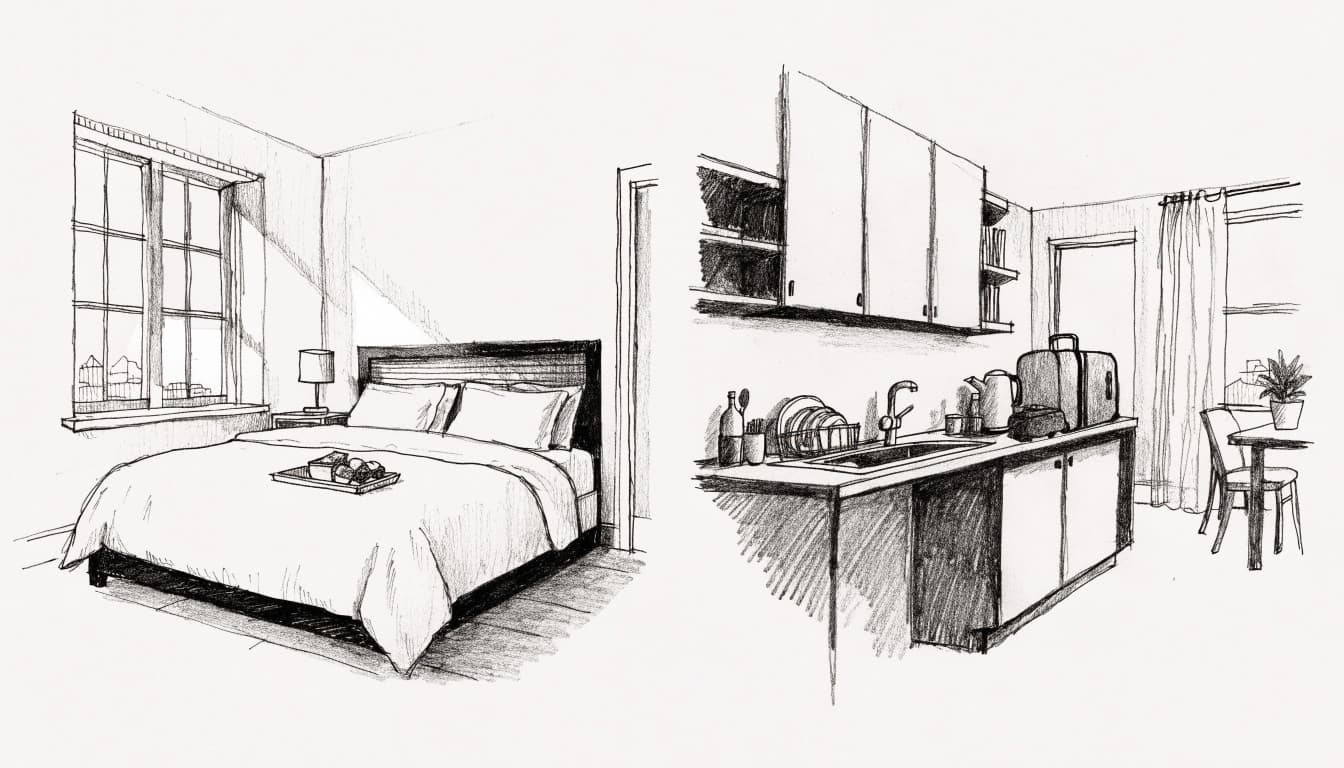
Pick a hotel when you want simple check-in and on-site services
A hotel can make the weekend easier to manage. Staff are available to answer questions, help with luggage, and explain check-in procedures, while some properties also offer on-site dining. That support can be useful if you arrive late, need to store bags, or want fewer errands before the start.
For initial research, compare options such as The Hotel Britomart, M Social Auckland, Sofitel Auckland Viaduct Harbour, QT Auckland, and SkyCity Hotel. These are starting points, not endorsements. Their locations, room types, and services differ, so check current rates and details before booking.
A hotel breakfast may not fit an early start, and race-weekend policies can vary. Contact the property to ask whether breakfast is available early enough, whether late checkout is possible after the race, and what luggage storage or check-in arrangements apply. Confirm any extra fees rather than assuming these services come with your room.
Choose an apartment or rental for more space and meal control
A serviced apartment or short-term rental can suit runners who want room to spread out and prepare familiar meals. A kitchen lets you manage pre-race food on your own schedule, while a separate living area gives family or teammates space to relax without crowding the sleeping area. That extra room can also make it easier to keep race gear organized.
The trade-off is less predictable support. Some rentals use specific arrival windows or self-check-in instructions, and help may not be available on-site if something goes wrong. Before booking, confirm the kitchen includes the equipment you need, such as a refrigerator, cookware, and basic utensils. Also read the cancellation terms closely, since they may differ from a hotel’s.
For either stay type, check the exact address against this year’s start and finish locations, then review how you’ll travel between them. A lower rate can lose its appeal if the room is noisy, breakfast starts too late, or the route adds stress on race morning. Choose the option that supports a calm night and a practical post-race return.
Match your Auckland base to the kind of race weekend you want
The best answer to where to stay for the Auckland Marathon depends on what will make your weekend easier. Decide whether your main priority is reliable sleep, a simple day for supporters, or keeping the total trip cost under control.
For first-time marathoners, put sleep and a simple morning first
If this is your first marathon, a quiet room and a predictable trip to the start can matter more than a scenic view or a lively evening nearby. Choose a place where you can prepare familiar food, lay out your gear, and get to bed without extra errands or noise.
Before booking, map the trip using the start location and transport plan for your event year. Then check the official pre-race information for current instructions. A short, dependable journey can reduce uncertainty, especially when you need to wake early and follow a specific transport schedule.
For families and supporters, balance finish-line access with things to do
A central base can make race day easier for the people cheering you on. Supporters may need to reach viewing spots, find a place to eat, and meet you after the finish, while you may want a straightforward route back to your room.
Agree on a meeting point before race morning, such as a specific entrance or landmark away from the busiest finish-area crowd. Phone service and messages can become unreliable when many people gather, so a backup plan helps everyone avoid searching for one another when you’re tired.
For budget-conscious runners, compare the full trip cost
A lower room rate can be misleading if it adds long trips, parking fees, or extra meal costs. Compare the total for the stay, transport, food, parking, and any additional night you need before or after the race. Also check whether your travel plans require arriving early enough to collect race materials or leaving late enough to recover comfortably.
A cheaper room farther away may cost more in time and transportation, particularly if event-day routes differ from normal service. On the other hand, hostels and shared stays can reduce the lodging bill if you’re comfortable with less privacy and shared facilities. Choose the option that fits both your budget and the kind of race morning you can manage.
Plan the trip between your hotel, the start, and the finish
Your hotel may be convenient for the finish but awkward for the start, or the other way around. Since those locations can be miles apart, plan both journeys before you book. A room close to one point does not automatically make race day simple.
Check the event’s current start, finish, and road-closure details
Start with the latest official course map and event updates, then check the event’s transport guidance. Course details and services can change, so don’t rely on last year’s route or a normal weekday journey. The event’s road-closure map and schedule can show which streets close and when, while race-day information covers event-day arrangements.
Closures and special services can affect more than driving. Buses may use detours or altered stops, rideshares may have limited pickup access, and parking near the course may be restricted. Even a familiar route can take longer when streets close or crowds gather. Check the current details close to race weekend, then compare the hotel’s address with both the start and finish.
Build a race-morning route with a backup plan
Map the trip from your hotel to the start, including the walk to the bus stop, ferry terminal, or rideshare pickup point. That short walk matters when you’re leaving before sunrise with race gear and a firm arrival time. If you can, test the route before race day and note where you’ll go if a stop or pickup location has changed.
Allow extra time for queues, service changes, and walking around road closures. Then choose a backup that doesn’t depend on the same service as your main plan. If you plan to take a ferry, for example, know whether a bus or another practical option can get you there if schedules change. Keep the route details handy, and avoid assuming a taxi or rideshare can drop you directly at the start.
Make recovery and the trip back part of your hotel choice
After the finish, a short return journey can make a big difference. Compare the route back to your room as carefully as the early trip to the start, especially if the event ends somewhere other than where it began. A nearby room may let you rest sooner, while a farther stay could require another transfer when you’re tired.
Also decide how you’ll meet supporters. Pick a clear meeting point away from the busiest finish-area entrances, and share it before the race in case calls or messages are hard to manage in the crowd. Before arrival, ask your hotel about luggage storage, late checkout, and whether you can shower or rest after checkout. Those details can shape your recovery plan as much as the hotel’s location.
Book early and protect your race-weekend routine
Once you know this year’s start and finish locations, book a stay that supports the way you prepare and recover. Major event weekends can limit your choices, so compare the details early and keep a flexible backup plan if your travel dates may change.
Compare the total price, not just the nightly rate
A low nightly rate can grow once you add taxes, cleaning or service fees, breakfast, parking, and transportation. Compare the full cost for your exact dates, including any extra night you need before or after the race. Rates vary by property and date, so check the precise Auckland Marathon weekend rather than relying on general prices or a different set of dates.
Transport also affects the real cost. A room farther from the start or finish may require a ferry, rideshare, or additional bus trip, while parking can add expense if you plan to drive. Add those costs before deciding that one property is the better value. If breakfast is included, check whether the serving time works with your race-morning schedule; otherwise, budget for food you can access early.
Check cancellation rules and race-weekend details before paying
Read the cancellation deadline and refund terms before you confirm a booking. In New Zealand, refunds for canceled accommodation generally depend on the terms agreed to at the time of purchase, so review the policy carefully and save the confirmation. The government’s accommodation booking guidance explains what to check if you need to cancel.
Then look beyond the listing photos. Confirm arrival and check-in times, likely noise levels, air conditioning, and whether food is available nearby or on-site. Contact the property before booking if any detail could affect your plans. Ask whether you can leave before breakfast service begins, store luggage after checkout, or arrange an early departure without disrupting your race-morning routine.
Choose a room that supports sleep, fueling, and recovery
A good race-weekend room helps you keep your usual habits. Look for a quiet setting, a comfortable bed, and enough space to lay out your clothes, shoes, and race gear. If you rely on familiar foods, check whether the room has a refrigerator or kitchen access, or identify a nearby grocery store before you arrive.
Avoid making major changes to your pre-race routine at the last minute. For example, if you usually eat breakfast in your room, choose a stay where you can store and prepare the foods you know work for you. After the finish, a room with space to rest and easy access to food can make recovery simpler. For Where to Stay for the Auckland Marathon, the right choice is the one that fits your budget while protecting sleep, fueling, and a dependable race-day plan.
Frequently Asked Questions
Race-weekend lodging decisions often come down to timing, transport, and how much comfort you want before and after the event. Use these answers to check the details that can make your Auckland Marathon stay easier to manage.
How many nights should I book for the Auckland Marathon?
Arriving at least one day before the race gives you time to settle in, pick up anything you need, and prepare without rushing. If you’re traveling a long distance, an extra night after the finish can make recovery and departure more comfortable. Choose based on your schedule, budget, and how demanding the trip home will feel after the race.
Is it better to stay near the start or the finish?
The right choice depends on the confirmed course and your biggest concern: a simpler race-morning trip or an easier return afterward. Before booking, compare both journeys using the event’s current start and finish points, not just the distance between your hotel and one location. If supporters are traveling with you, include their race-day plans in that comparison.
Should I stay in Devonport or central Auckland?
Devonport may reduce travel before a start in the area, while central Auckland offers a wider choice of lodging and places to eat. However, the better fit depends on event transport, your race schedule, and where you’ll go after finishing. Check current ferry and event transport information before choosing, since ordinary service patterns may not match race-day arrangements.
Can I find a place to stay within walking distance of the finish?
Central Auckland has accommodation within walking distance of some likely finish areas, but the current event map should guide your search. A route that looks short on a map may feel longer after the race, especially with crowds or road closures. Check the actual walking route and access points, then decide whether you’d be comfortable covering it on tired legs.
When should I book a room for marathon weekend?
Book once the race date and your travel plans are firm, especially if you want a central location, a larger room, or specific amenities. Popular choices may become harder to find as the weekend approaches. If your plans could change, compare flexible cancellation terms before paying, and save the booking conditions with your confirmation.
What should I ask a hotel about before race day?
Ask whether breakfast can be served early enough, whether you can store familiar pre-race food, and whether a quiet room is available. Also confirm luggage storage, checkout time, and access to transport for your race-morning route. These details help protect your normal routine; for current event travel options, check AucklandNZ’s marathon transport information.
Conclusion
Where to stay for the Auckland Marathon comes down to how well a location supports your race plan. Before booking, confirm the current course and event transport, then compare the trip to both the start and finish.
Choose a base that fits your budget and makes race weekend easier to manage. Above all, the best accommodation supports good sleep, simple transport, and a smooth recovery, not just the best view.


