

Voyage Nitro 4 for Long Runs: Is It Built for High Mileage?
Finding the right shoe for long miles often feels like a guessing game. You might spend hours researching specs, only to end up with blisters or sore joints during your weekend efforts. Every runner wants a balance of cushion and responsiveness, yet few options offer enough support for high-mileage weeks.
The Voyage Nitro 4 is a notable option for runners who prioritize comfort without sacrificing a snappy feel. Its construction helps absorb impact, which matters when you are stacking miles on hard pavement or gravel paths. You should consider how this shoe fits into your rotation if you need a reliable partner for your weekly training.
Choosing gear that holds up over time is essential for improving your marathon times. When your equipment works with you, it is easier to maintain the consistent training volume required for race-day success. Let us look at how these shoes perform when you really need them to go the distance.
Why Voyage Nitro 4 Long Runs Feel Different
The sensation of running long distances often changes based on the gear under your feet. Many daily trainers feel great for three miles but lose their composure once fatigue sets in during longer sessions. The Voyage Nitro 4 addresses this by combining specific foam properties with a chassis built for endurance. By managing impact forces and maintaining a stable platform, these shoes help you extend your training volume without the usual breakdown in form.
Build Your Complete Race-Day Setup
The right shoe helps, but faster racing comes from better training, pacing, recovery, fueling, and execution.
More Guides for This Shoe
The Science Behind the Nitro Foam
At the heart of the shoe sits the Nitro foam midsole, which creates a distinct energy return profile. This material is infused with nitrogen gas to create a lightweight structure that balances softness with a snappy response. During high-mileage training, this foam resists the compression that eventually turns other midsoles into flat, lifeless rubber.
Because the foam maintains its shape, your legs feel fresher for longer. It absorbs the repeated ground impact that usually causes muscles to tighten and fatigue prematurely. When your legs are not fighting against a dead-feeling shoe, you maintain a more efficient gait cycle. This efficiency matters when you are deep into a long effort and need every bit of energy to keep your turnover consistent.
The responsive nature of the foam provides a reliable push-off point with every stride. You get a firm platform during the transition phase, which prevents your foot from sinking too deeply into the cushioning. This combination of impact protection and energetic pop is why the Voyage Nitro 4 long runs feel different, even as you approach the two-hour mark.
Upper Design and Foot Security
A shoe can have the best midsole on the market, but it fails if your foot slides around inside. The upper of this model uses a engineered mesh that balances ventilation with a secure, locked-in fit. This design is crucial for long efforts where minor friction eventually turns into painful blisters or hotspots.
The lacing system and midfoot wrap provide enough structure to keep your arch stable without feeling restrictive. Since feet tend to swell as you stack miles, this fit adapts to the natural changes in foot volume. You want a shoe that hugs your foot just enough to prevent internal shifting on uneven terrain or around sharp corners.
When you feel secure, you expend less energy gripping the shoe with your toes. This small adjustment allows for a more relaxed foot strike throughout your run. If you are preparing for long-distance events, having that consistent security helps you focus on your breathing and rhythm instead of adjusting your gear. Properly choosing your footwear is a key step toward running faster and longer, as it minimizes the mechanical distractions that plague many endurance athletes.
Durability for Consistent Mileage
High-mileage training demands equipment that survives the friction and impact of daily road work. When you incorporate the Voyage Nitro 4 into your routine, you gain a shoe designed to withstand the wear of long-term use. A durable outsole serves as the foundation for your training, protecting your investment while maintaining traction across various surfaces.
Outsole Construction and Grip Reliability
The rubber compound used on the bottom of this shoe balances grip with resistance to abrasion. Soft rubber provides excellent traction on slick pavement, yet it often wears down prematurely. This model features a balanced density that holds up through hundreds of miles of impact. You need a shoe that retains its tread pattern to keep you stable as you push through fatigue during your weekend long runs.
Reliable grip also minimizes the energy lost during your foot strike. When your outsole loses its integrity, you might slip slightly or adjust your form to compensate for a lack of connection with the ground. This shift can cause unnecessary strain on your calves and ankles. By choosing a shoe that maintains its texture, you ensure each stride remains efficient.
Maintaining Performance Over Hundreds of Miles
Consistent mileage requires gear that does not break down after a month of heavy use. If your midsoles lose their structure, you risk potential injury from a lack of proper impact attenuation. Developing a smart training plan includes selecting gear that supports your volume without frequent mid-cycle replacements.
The Voyage Nitro 4 holds its structural integrity remarkably well for a shoe that offers such a soft ride. Most shoes with high cushioning lose their spring within a few weeks of consistent training. This model resists that compression, keeping the energy return feeling active even as the miles accumulate. When your shoe lasts, you build the consistency that ultimately leads to breaking personal records.
You should rotate your pairs to ensure each shoe has time to recover. Even a durable model benefits from a day of rest to allow the foam to rebound. By alternating your footwear, you extend the life of your equipment while keeping your feet fresh for every training session.
Transitioning to the Voyage Nitro 4 for Your Training Block
Integrating a new shoe into your rotation requires a bit of patience. Your feet and lower legs need time to adapt to the unique foam density and support structure of the Voyage Nitro 4. Instead of jumping into your longest efforts immediately, take a cautious approach to ensure the shoe complements your current biomechanics.
Adapting Your Training Routine
Start by wearing these shoes for shorter, easy-paced runs. Using them for 30 to 45 minutes on flat surfaces lets your body adjust to the stack height and energy return. Once you feel comfortable, gradually introduce them into your longer training sessions. If you notice any unusual tension in your calves or arches, revert to your previous pair for a few days before trying again.
Consistency is a key factor when you are preparing for race day. By slowly increasing the mileage you cover in your new gear, you allow your tendons and muscles to stabilize safely. You can also utilize structured training plans to track how your body responds to the increased cushioning during different phases of your block.
Consider these tips to maintain good form while benefiting from the extra comfort:
- Keep your cadence high: Even with a soft midsole, focus on quick, light steps rather than overstriding.
- Monitor your fatigue: Use the shoe to protect your legs, but check your form as you get tired to ensure you aren’t dragging your feet.
- Rotate your footwear: Pair the Voyage Nitro 4 with a firmer, flatter shoe during speed sessions to keep your lower legs strong.
Speedwork requires a ground-feel that max-cushion trainers often mask. Save your lighter, responsive racing flats or tempo trainers for interval work or track sessions. This separation keeps your feet sharp and ready for the demands of high-intensity training. When you pull on the Voyage Nitro 4 for your long runs, your legs will appreciate the extra protection from the pavement, leaving you ready to tackle the week ahead.
Key Features That Support Long-Distance Comfort
When you are out for miles, your feet bear the brunt of every strike. The Voyage Nitro 4 addresses this by focusing on three areas: cushioning, stability, and weight distribution. These elements combine to minimize the physical toll of long sessions. You notice the difference when you reach the final stretch of your training because your legs feel less heavy than they would in lighter, firmer shoes.
Optimized Nitrogen Infused Midsole
The primary technology driving the comfort of this shoe is its foam. Nitrogen infusion creates a cell structure within the midsole that resists compression better than traditional EVA. This material bounces back immediately after impact, which helps keep your gait consistent. During Voyage Nitro 4 long runs, this translates to a ride that feels soft but remains responsive enough to keep your turnover efficient.
Because the foam maintains its integrity, you experience a smoother transition from heel to toe. Many shoes feel dead or flat after ninety minutes of movement, but this midsole retains its spring. This consistency allows you to focus on your rhythm instead of fighting the ground.
Anatomical Support and Lockdown
Comfort during long efforts also depends on how the shoe holds your foot. If your foot moves around inside the shoe, you risk hotspots and potential blisters. The internal chassis of this model creates a secure environment that accommodates foot swelling. You want your shoe to expand with your foot as it widens during a multi-hour run.
The lacing system distributes pressure evenly across your arch. This removes the “pinch” often felt at the top of the foot after an hour or two of running. Having a stable base keeps your ankles from overcompensating for instability. If you are aiming for consistent running performance, having gear that eliminates these small distractions is a major advantage.
High Traction Outsole Pattern
Road surfaces change as you run, and a reliable outsole is your best tool for staying relaxed. The rubber density here provides high levels of friction on both wet and dry pavement. You don’t have to adjust your stride for fear of slipping, which saves mental energy.
When your traction is predictable, your leg muscles do not need to work as hard to stabilize your body. This subtle relief adds up over the course of a long training week. Maintaining your proper running form becomes much easier when you trust your footing. By pairing solid grip with durable materials, the shoe remains a reliable partner for your highest-mileage weeks.
Addressing Common Questions About Endurance Footwear
Selecting the right shoe involves more than just picking a color or style. You likely have concerns about how a specific model holds up during high-volume weeks. Understanding these practical details helps you decide if a pair fits your unique needs.
Is This Shoe Right for Your Marathon Goal
The Voyage Nitro 4 is a capable companion for the long training blocks that prepare you for race day. Because it emphasizes impact protection, it is an excellent choice for your weekly long runs. These sessions often generate significant fatigue in your legs, and the nitrogen-infused foam helps absorb the repetitive stress of the pavement.
You should consider this model primarily for the build-up phase of your marathon preparation. It provides the stability and cushioning required to log high mileage safely. If your marathon goal involves running on varied terrain or hard surfaces, the outsole grip offers the confidence you need to maintain your target pace.
While some runners prefer a lighter, firmer shoe for the race itself, this model excels in the weeks leading up to the event. Using it for your most demanding workouts ensures your legs remain fresh enough to execute quality sessions throughout the training cycle.
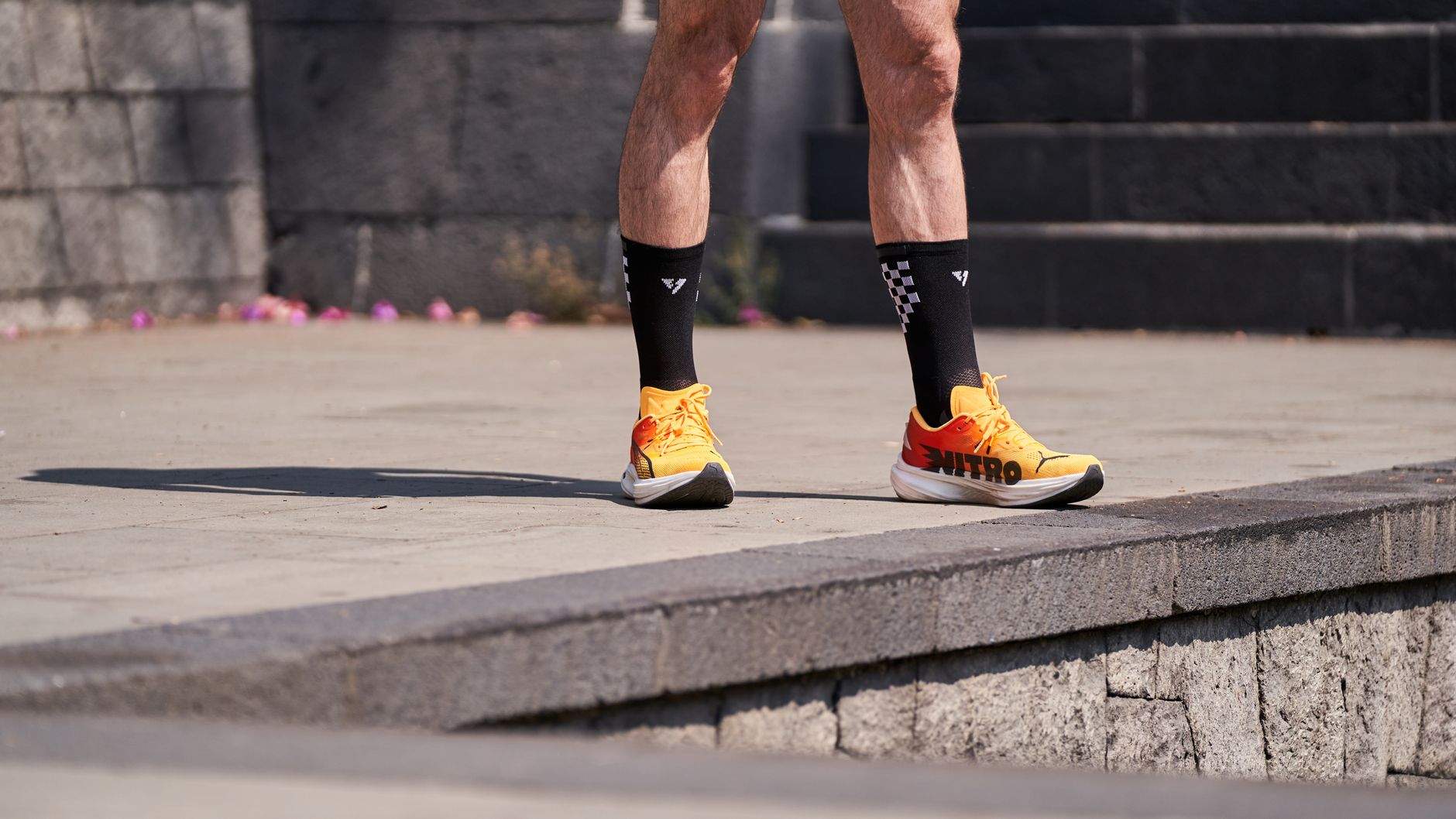
Photo by Willians Huerta
When choosing your race-day gear, consider if your priority is pure weight savings or consistent comfort over a longer duration. For most runners, the extra protection offered during Voyage Nitro 4 long runs significantly outweighs the minor weight difference compared to specialized racing flats.
If you are currently evaluating your overall preparation, you might find that mastering your marathon pacing is easier when your footwear reduces the physical toll of your training. Keep these points in mind regarding the technical fit of the shoe:
- Sizing and Fit: Most runners find this model fits true to size, but the slightly wider toe box accommodates natural foot swelling that occurs after ninety minutes of effort.
- Weight Considerations: While not the lightest shoe in the closet, the weight is distributed well to avoid a bulky feel.
- Terrain Suitability: The outsole is designed to handle asphalt, concrete, and packed trails equally well, making it a versatile tool for long runs that take you away from the track.
Ultimately, your choice should reflect your personal biomechanics and the specific demands of your training plan. If you feel secure and comfortable, you possess the right tools to reach your performance goals.
Conclusion
The Voyage Nitro 4 provides a balanced platform that protects your legs during high-mileage training. Its nitrogen-infused foam remains responsive over long periods, which helps you maintain form when fatigue sets in. By choosing gear that supports your biomechanics, you reduce the physical cost of your weekly efforts.
A consistent training block relies on equipment that stands up to heavy use without failing. This model offers the durability and stability you need to stack miles safely. Proper footwear is an investment in your running performance and helps you reach your goals with fewer setbacks.
When your gear works for you, it is easier to commit to the hard work of daily training. Use the support and comfort of these shoes to stay focused on your rhythm. With the right foundation, you are better prepared to chase your personal bests on race day.


