

Triathlons in West Virginia: Mountain Swims, Wild Finishes
West Virginia’s mountain roads, lakes, and outdoor recreation make it an appealing place to race a triathlon. The state’s varied terrain can also shape what you experience on race day, from the swim setting to the bike course and run.
Race options, formats, and dates can change from year to year, so check current event details before you book travel or begin training for a specific course. A lake or park that works well for outdoor recreation isn’t necessarily hosting a triathlon this season.
As you compare triathlons in West Virginia, consider the distance, location, course demands, registration and travel costs, and preparation each event requires. Start by getting a clear picture of the triathlon race options and locations you can confirm. Be sure to check out the RunDreamAchieve YouTube channel for weekly running tips.
Key Takeaways
- Compare triathlons in West Virginia by race distance, location, course difficulty, and total travel and registration costs.
- Check current event dates and formats before booking, since race schedules and course details can change from year to year.
- Review the swim, bike, and run conditions separately, especially hills, road surfaces, and open-water requirements.
- Use USA Triathlon’s race finder to search events by location, distance, and format.
- Choose a race that fits your experience, then build training time around its specific demands and your available schedule.
Triathlons in West Virginia: What Races and Locations to Expect
Triathlon options in West Virginia can change from one season to the next. Race organizers may adjust distances, formats, venues, or dates, so treat lakes and recreation areas as possible settings, not confirmed race sites. Compare each event by its current course and conditions before you build your plans.
Choose a race distance that matches your experience
A sprint triathlon is often a manageable first goal. A common format includes a 750-meter swim, a 20-kilometer bike ride, and a 5-kilometer run. The shorter legs can mean less training volume than longer races, though open-water swimming and hilly roads still take preparation. USA Triathlon describes the usual formats on its triathlon distances page.
An Olympic-distance event typically doubles those sprint distances: 1.5 kilometers in the water, 40 kilometers on the bike, and a 10-kilometer run. That extra time on course calls for longer training sessions and practice pacing across all three legs. A longer race, such as a half-distance event, adds substantially more swim, bike, and run time, and usually requires a larger training commitment and a full day for race activities.
These labels are useful starting points, not guarantees. Organizers can set nonstandard distances or modify courses, so check the published measurements and course map. Hills, turns, surface conditions, and transitions also affect race-day time, even when the distances look familiar.
Look for events near lakes, rivers, and mountain towns
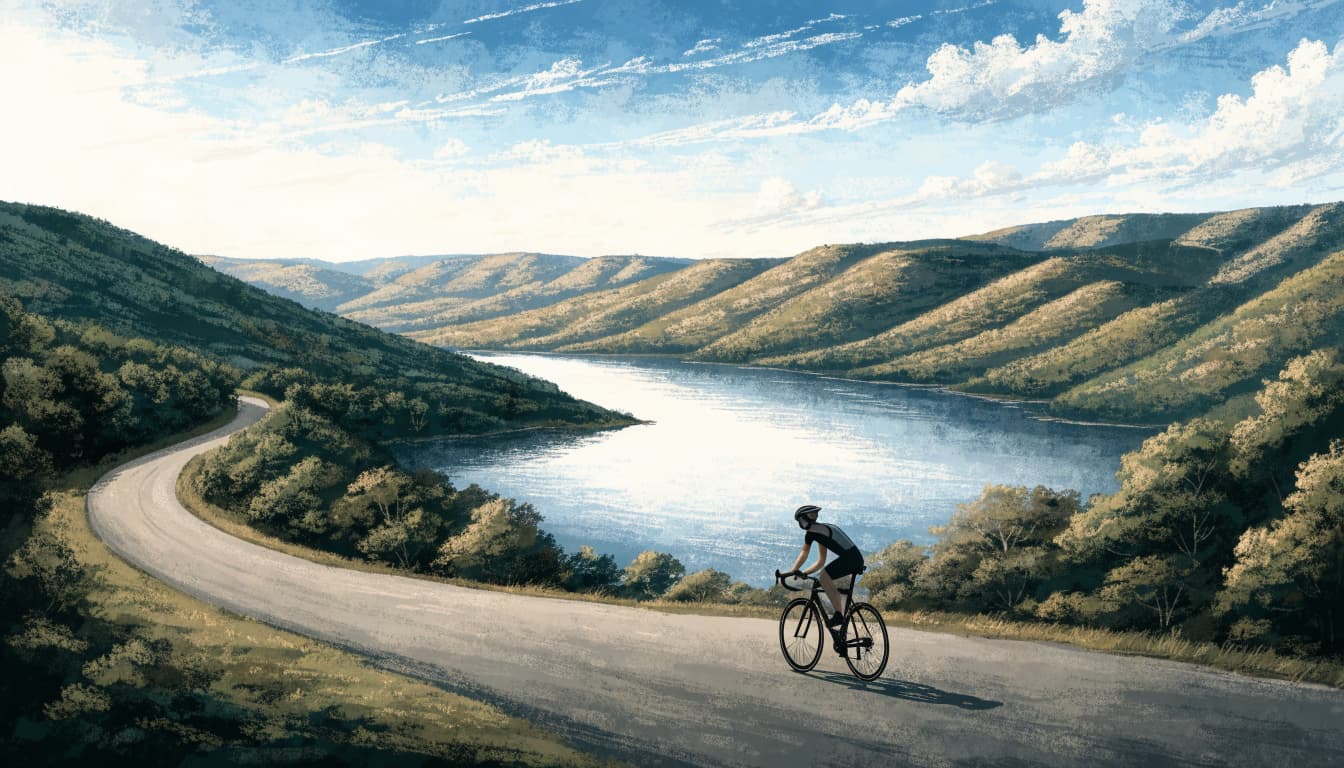
West Virginia’s outdoor settings give races a distinct feel. A lake swim may offer a different experience from a river course, while mountain roads can bring sustained climbs and descents. Even a short bike leg may feel demanding if the route gains elevation, so look beyond mileage when judging whether a course suits your current fitness.
The state has well-known recreation areas, including Summersville Lake and Stonewall Jackson Lake. The West Virginia State Parks page for Stonewall Resort describes lake-based recreation, while the state’s Summersville Lake guide highlights the area as a major destination. Those details describe places to visit, not proof that a triathlon is scheduled there.
Instead, use location names to guide further research. Confirm that an organizer lists the venue for the season you plan to race. Then check nearby lodging, road access, parking, and whether the swim takes place in open water. Conditions and travel logistics can vary widely between a lakeside site and a race based in a mountain town.
Check current race calendars before you book
Start with the USA Triathlon event calendar, then follow links to the race organizer’s own registration and information pages. The organizer’s listing is the best place to confirm whether an event is open and whether its details have changed.
Before paying or arranging travel, verify the race date, registration status, distances, and course maps. Also review venue or park notices for access restrictions, parking updates, and other changes that could affect race day. If the course map is missing or outdated, contact the organizer rather than relying on a past year’s route.
Finally, read the cancellation and weather policies. Open-water conditions, storms, or road closures can lead to a delay, modified course, or cancellation. Knowing the policy ahead of time helps you make a sound decision about travel and training, especially when the event is several hours from home.
How to Choose the Right West Virginia Triathlon
The best West Virginia triathlon is the one that fits your goals, current fitness, and travel plans. A longer or better-known race isn’t automatically the right choice. Compare what each event asks of you, then choose a course you can prepare for with confidence.
Match the course and distance to your goals
Start by deciding what you want from race day. If your goal is to finish your first triathlon, choose a manageable distance and an event with clear instructions, a straightforward course, and a welcoming setup. A shorter race can help you learn how transitions and event-day logistics work without taking on more training than you can fit into your schedule.
If you’ve raced before, you may prefer a course that supports a personal-best attempt or gives you a new challenge. A longer-distance goal calls for more training time and endurance, while an outdoor experience may put scenery and a relaxed race atmosphere ahead of speed. Check the event’s posted distances and rules, since race formats can vary.
New athletes can also review USA Triathlon’s guide to getting started for a general introduction to training and racing. Whatever your experience, choose based on your current preparation, not only on the distance you hope to complete someday.
Compare terrain, elevation, and road conditions
Course distance alone won’t tell you how demanding a race feels. Review the bike and run maps, elevation profiles, road closures, and surface details. A route with sustained climbing needs different preparation from a flatter course, while sharp turns or rough pavement can affect how comfortably you ride.
Hilly terrain may call for regular climbing practice and careful pacing, especially if you’re used to flatter roads. Still, don’t assume every West Virginia course is steep. Check the specific route and ask the organizer about sections that aren’t clear on the map.
Look at how each leg connects to the next, too. A demanding bike course can change how your legs feel on the run, so plan your training around the actual route rather than the mileage alone. If the organizer publishes an athlete guide, use it to confirm course conditions and race-day rules.
Factor in travel, lodging, and race support
A race that looks ideal on paper may be harder to manage if it requires a long drive or limited lodging nearby. Estimate travel time, check parking instructions, and find out when athletes can access transition. If you’re traveling with family, confirm whether spectators can reach the swim, bike, and run areas, since road closures may limit access.
Also review what support the organizer provides. Aid-station locations, on-course assistance, and the rules for outside support can affect what you need to bring. Before booking a room, check the venue’s current guidance for access, parking, and local conditions. West Virginia State Parks provides information about park lodging and recreation when an event takes place near a state park, but confirm race-specific arrangements with the organizer.
A practical choice balances course style, preparation, and logistics. When those factors fit, you can focus on racing instead of scrambling to solve avoidable travel or course questions.
Choose Your Distance, Duration and Goal Time
Make three quick selections and open the exact plan built for your race target.
Looking for a Fully Personalized Training Plan?
The training plans above are an excellent choice if they match your goal. However, if you’d rather train with a plan built specifically around your current fitness, goal race, preferred training days, weekly mileage, and target finish time, our RDA Custom Training Plans provide a personalized solution. We also have running courses available for runners seeking to run faster from the mile to the marathon.
Why Choose a Custom Training Plan?
| Standard Training Plan | RDA Custom Training Plan |
|---|---|
| Follows a fixed schedule | Built around your schedule |
| Standard weekly mileage | Peak mileage customized for you |
| Fixed workout days | Train on the days you choose |
| Same structure for everyone | Designed around your current fitness |
| Static plan | Updated as your fitness improves |
| One-time purchase | Ongoing personalized coaching and support |
What You’ll Receive
- A training plan built specifically for your goal
- Personalized training paces
- Long runs, tempo runs, threshold workouts, interval sessions, recovery runs, and easy runs
- Peak weekly mileage matched to your experience level
- Flexible training schedule that fits your life
- Ongoing plan adjustments as your fitness improves
Ready to Train Smarter?
Stop guessing and start following a plan built specifically for you, your schedule, and your racing goals.
Prepare for Open-Water Swims and Hilly Courses
Triathlons in West Virginia can involve open-water swims and hilly roads, but course conditions vary by event. Check the race map and athlete guide, then shape your training around the specific swim, climbs, descents, and weather the organizer describes.
Build confidence in open water
If you’re new to open water, start with short, relaxed sessions in a permitted swimming area. Add distance gradually, and practice entering the water, settling your breathing, and swimming continuously. Pool sessions can build fitness, but they can’t fully prepare you for limited visibility, waves, or other swimmers nearby.
Practice sighting by lifting your eyes briefly to locate a fixed landmark, then returning to your normal stroke. You can also swim near a partner or small group to get used to sharing space. Keep enough distance to avoid contact, and don’t force yourself into crowded conditions before you feel ready. USA Triathlon offers practical open-water swimming guidance for athletes preparing for race conditions.
Use the same equipment in training that you expect to wear on race day, such as your goggles, cap, and wetsuit if the event permits one. Check the race rules before choosing gear, and test it in advance so fit or comfort issues don’t surprise you at the start.
Most importantly, swim only in areas where swimming is allowed, follow local safety rules, and check conditions before getting in. Avoid unsafe conditions, including areas with boat traffic, and never train alone when conditions or access make the swim unsafe. A buddy, lifeguard, or organized group adds support, but doesn’t replace your responsibility to judge the water.
Train for climbing, descents, and changing weather
Once you know the bike and run routes, use them to guide hill work. If you can’t train on similar terrain, add steady climbs to regular rides and runs. Focus on maintaining a controlled effort instead of surging at the bottom. Short hill repeats can build strength, while longer climbs help you practice holding a sustainable pace.
Descents need practice, too. On the bike, work on looking ahead, braking before turns, and keeping your speed under control. Choose a familiar, low-traffic route for handling practice, and don’t try to match race speed before you’re comfortable. On runs, shorten your stride on steep downhills to reduce pounding and stay in control.
Pacing matters across the full course. A hard climb can leave your legs heavy for the run, so practice shifting gears early and keeping effort even. Check the forecast as race day approaches, since mountain weather can change. Then train with layers or other gear suited to the expected temperature and conditions.
Practice transitions and plan race-week logistics
Rehearse taking off swim gear, putting on your helmet, and leaving transition with your bike. Then practice returning the bike and changing for the run. Keep the sequence simple, and follow event-specific rules. USA Triathlon’s multisport rules explain requirements that can affect equipment and transition areas.
Before traveling, make a short race-week checklist. Confirm packet pickup hours, parking instructions, transition opening and closing times, and the start time for your wave. Also locate the athlete briefing and review the course map, aid stations, road rules, and any changes from prior years.
Pack equipment in the order you’ll need it, and leave time to check in without rushing. If the organizer updates the schedule or course, use the latest instructions rather than relying on old notes. Planning these details ahead gives you more attention for the swim, bike, and run.
Budget for Registration, Gear, and Race-Day Costs
The entry fee is only one part of what it costs to race. For triathlons in West Virginia, add registration, travel, lodging, food, equipment, and any event-specific charges to get a realistic total. Because fees and policies change, use the organizer’s current information rather than relying on last year’s prices.
Plan for entry fees and travel expenses
Many races offer different registration tiers, and the entry fee may increase as the event fills or an early registration period ends. Check the current price and what it includes before signing up. Some events may also charge a processing fee or require a USA Triathlon membership or single-event option. Review USA Triathlon membership details and confirm the specific requirement with your race organizer.
Next, estimate the full trip cost. Include:
- Fuel or transportation: Estimate the round-trip drive, including any extra miles for packet pickup or a course visit.
- Lodging: Check whether you need one night or more, and compare nearby options with the race schedule in mind.
- Meals and snacks: Budget for food during travel and race weekend, including anything you plan to bring for before or after the event.
- Parking: Verify whether the venue charges for parking or requires advance reservations.
- Race-specific expenses: Look for fees tied to packet pickup, rentals, transfers, or other services, and read the cancellation and refund policies.
Add those amounts to the entry fee, then compare the total trip cost across races. A lower registration price may not mean a cheaper weekend if the venue requires a longer drive or an overnight stay. For example, estimate the same categories for two events before choosing between them, and keep a small buffer for unexpected travel costs.
Use the gear you need, not every upgrade
Start with equipment that fits properly and works reliably. Most athletes need a bike suited to the course, a correctly fitted helmet, swimwear, goggles, and running shoes. Basic repair supplies, such as a spare tube and tire levers, can help with a flat, while familiar nutrition and hydration supplies can support your race plan.
If you already own suitable gear, test it before buying replacements. A new bike, triathlon-specific clothing, aero bars, or a high-end watch may be useful for some athletes, but they’re optional upgrades, not automatic requirements. Borrowing or renting equipment can also help you avoid a large purchase, provided you have time to check fit and practice with it before race day.
Before spending money, read the event’s equipment rules. Organizers may set requirements for helmets, bikes, wetsuits, or other items, and rules can vary by race. Confirm what you’ll need, then make a short budget with two categories: required equipment and optional upgrades. Buy or replace required items first, and skip upgrades that won’t address a clear need for your race.
Finally, account for consumables you may need to replace, such as nutrition products or bike supplies. Set aside those costs separately from one-time gear purchases. This makes it easier to see what you need to spend now and what you can use again for future races.
Frequently Asked Questions
Race details can change each season, so use these answers as a starting point and confirm specifics with the organizer before registering or making travel plans.
Are there beginner-friendly triathlons in West Virginia?
Yes, but beginner-friendly depends on the event and your comfort with swimming, cycling, and running. Look for shorter distance options, clear course maps, and details about road surfaces, elevation, swim conditions, and cut-off times. An athlete briefing, novice guidance, and accessible support from organizers can also make a first race easier to manage. Before you commit, confirm that the current race edition offers the distance and format you want, since organizers can change them.
When is triathlon season in West Virginia?
West Virginia triathlons are generally held during the warmer months, but there is no fixed statewide season or guaranteed schedule. Spring and early fall conditions can vary, and mountain weather may differ from conditions at lower elevations. Check current race calendars as you plan, then review the local forecast and venue updates closer to race day. Since dates can shift or events may not return each year, confirm the schedule directly with the organizer.
Do I need a wetsuit for a West Virginia triathlon?
That depends on the water temperature, the race’s rules, and your comfort swimming in a wetsuit. Organizers may base their policy on measured water conditions, and rules can affect whether wetsuits are allowed or recommended. Check the latest policy and temperature updates from the race organizer rather than relying on a previous year’s guidance. If you plan to wear one, practice in it beforehand so you know how it feels in open water.
Can I rent a bike for a triathlon in West Virginia?
Bike rental availability depends on the race location and nearby shops, so don’t assume a rental will be available at the venue. Contact local bike shops and the organizer as early as possible, especially if you’re traveling to a rural or mountain location. Confirm the pickup and return schedule, the bike’s fit, and whether it suits the course. Before race day, ride it on roads similar to the event route and practice any unfamiliar shifting or braking.
How do I find current West Virginia triathlon dates?
Search USA Triathlon’s event finder for races by location, distance, and format, then visit each event’s official website or social channels. Those listings can help you identify options, but the organizer is the final source for current dates, registration status, and course details. Check again before booking travel, since schedules and race information can change. If an event page hasn’t been updated, contact the organizer to confirm that the race is taking place.
Conclusion
Triathlons in West Virginia offer a range of race experiences, but the right event depends on your goals, fitness, and travel plans. Choose a distance you can prepare for, then verify the current schedule, course map, rules, and logistics with the organizer before you register.
Most importantly, train for the actual conditions you’ll face. Review the swim setting, elevation, road surfaces, and weather, then build those demands into your preparation. Start by checking an official event calendar, confirming details for a race that fits your plans, and setting a realistic date to begin training.


