

Triathlons in Texas: Lone Star Swims, Fast Finishes
Before sunrise, the swim start is still, the air holds the promise of heat, and bikes wait for the long ride beneath a wide Texas sky. Triathlons in Texas range from approachable first races to demanding events for experienced athletes, with courses set in cities, lake communities, and smaller towns.
Choosing well means looking beyond distance alone. Weather, terrain, travel, and race-day logistics can all shape your experience, so take time to match an event to your fitness, goals, and schedule. With the right preparation, you can arrive at triathlons you are aiming for ready for the conditions and focus on enjoying the race. Start by getting to know what Texas triathlons can ask of you. Be sure to check out the RunDreamAchieve YouTube channel for weekly running tips.
Key Takeaways
- Choose a Texas triathlon that fits your experience, fitness, schedule, and goals. Race distance matters, but course difficulty and travel plans matter too.
- Check the course for hills, exposed roads, and likely heat. Texas weather can shape how you train, pace yourself, and prepare on race morning.
- Practice open-water swimming before race day, ideally with a group or a training partner. USA Triathlon shares open-water swim safety advice.
- Build your training around all three disciplines, then rehearse transitions and race-day fueling. Review event instructions early so you know where to park, check in, and set up your gear.
What to Expect From Triathlons in Texas
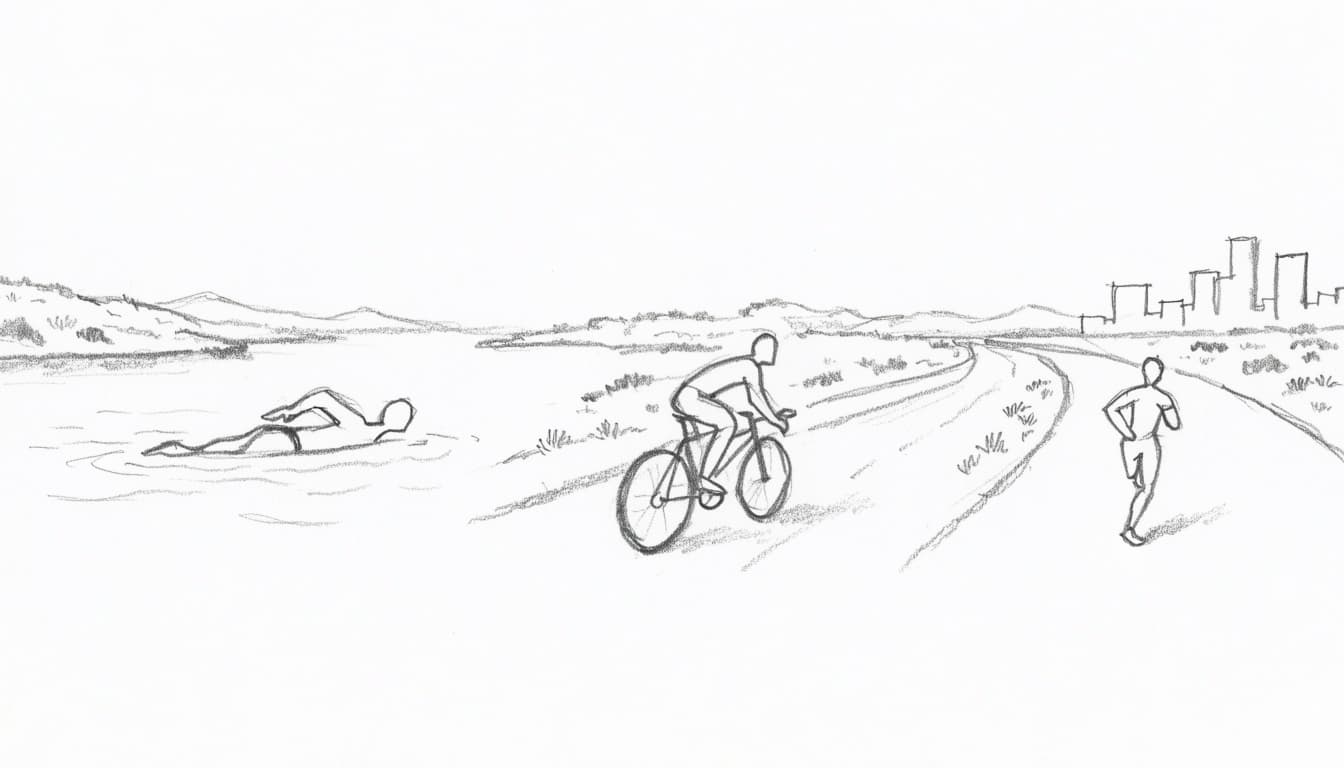
Every triathlon follows the same basic sequence: swim, bike, then run, with transitions between stages. In Texas, the experience can range from a short local race to a full-distance event, and course conditions vary widely. Check the current race details before you register, since distances, routes, and event schedules can change.
Choose a distance that fits your experience
A super sprint is a brief introduction to multisport racing. Distances vary, but a common format includes a 400-meter swim, a 10-kilometer bike ride, and a 2.5-kilometer run. Sprint races are longer, often covering 750 meters of swimming, 20 kilometers on the bike, and 5 kilometers on foot.
For an Olympic-distance race, expect a 1.5-kilometer swim, a 40-kilometer bike ride, and a 10-kilometer run. Half-distance races, often called 70.3s, typically include a 1.2-mile swim, 56-mile bike course, and 13.1-mile run. Full-distance events double those legs to 2.4 miles, 112 miles, and 26.2 miles. USA Triathlon’s multisport formats explain common race formats, while individual events may adjust distances.
Choose by more than the swim alone. A longer bike leg demands time in the saddle, and the run comes after your body has already worked through two disciplines. If you’re new to triathlon, a super sprint or sprint can help you learn transitions and race-day routines before building toward longer distances.
Explore different Texas race settings
The setting shapes the day as much as the distance. In a major city, road closures, crowds, and busy transition areas can add energy and logistics. CapTex Tri in Austin is a recognizable urban example; review the Austin CapTex race information for current event details.
Lakeside races may offer a quieter start, but open water brings its own demands. The Kerrville Triathlon Festival uses the Guadalupe River setting, and its event mix can include multiple race formats. Smaller communities may feel more intimate, although athletes should still check parking, lodging, and course access before traveling.
Large destination races bring a different scale. IRONMAN Texas in The Woodlands features a full-distance course, with a 2.4-mile swim, 112-mile bike ride, and 26.2-mile run. Its official course overview provides maps and on-course information.
Terrain and weather also deserve attention. Routes may include exposed roads, rolling sections, or flat stretches where wind affects effort. Heat and humidity can challenge pacing, especially during longer events, so compare the expected conditions with your training experience. Before booking travel, confirm the organizer’s current race date, distances, course map, water rules, cutoff times, and support plan.
Choose Your Distance, Duration and Goal Time
Make three quick selections and open the exact plan built for your race target.
Looking for a Fully Personalized Training Plan?
The training plans above are an excellent choice if they match your goal. However, if you’d rather train with a plan built specifically around your current fitness, goal race, preferred training days, weekly mileage, and target finish time, our RDA Custom Training Plans provide a personalized solution. We also have running courses available for runners seeking to run faster from the mile to the marathon.
Why Choose a Custom Training Plan?
| Standard Training Plan | RDA Custom Training Plan |
|---|---|
| Follows a fixed schedule | Built around your schedule |
| Standard weekly mileage | Peak mileage customized for you |
| Fixed workout days | Train on the days you choose |
| Same structure for everyone | Designed around your current fitness |
| Static plan | Updated as your fitness improves |
| One-time purchase | Ongoing personalized coaching and support |
What You’ll Receive
- A training plan built specifically for your goal
- Personalized training paces
- Long runs, tempo runs, threshold workouts, interval sessions, recovery runs, and easy runs
- Peak weekly mileage matched to your experience level
- Flexible training schedule that fits your life
- Ongoing plan adjustments as your fitness improves
Ready to Train Smarter?
Stop guessing and start following a plan built specifically for you, your schedule, and your racing goals.
Find a Texas Triathlon That Matches Your Goals
The right race fits more than your calendar. Consider the distance, course demands, travel plan, and reason you want to race. A first finish calls for different priorities than a personal-best attempt, so compare events with your own goal in mind. The USA Triathlon race calendar can help you find options by location and format.
Compare course types, from calm lakes to rolling roads
Distance gives you a starting point, but the course determines what those miles feel like. A lake swim may offer calmer water than a coastal swim, while wind, sighting conditions, and the start format can still make the swim challenging. On the bike, rolling hills require repeated changes in effort. Flat roads can feel easier, yet long exposed stretches may make wind and heat harder to manage.
Road surface and traffic controls also matter. Smooth pavement can help you hold a steady pace, while rough or uneven sections may demand more attention. Check whether the bike course uses closed roads, controlled intersections, or roads shared with traffic. On the run, shade can make a meaningful difference during a warm Texas race, especially later in the day.
Before registering, study both the course map and athlete guide. Look for elevation changes, turnarounds, aid stations, road conditions, and any notes about traffic or course restrictions. For example, IRONMAN Texas course details outline the event’s swim, bike, and run setting. Use those specifics to judge whether the race suits your training and comfort level, rather than choosing by distance alone.
Weigh travel, lodging, and registration costs
An entry fee is only one part of a race budget. Add transportation, lodging, meals, parking, and any gear you need to buy or replace. Travel can also affect your preparation: a long drive or flight may leave less time to check in, settle your equipment, and rest before race morning.
Costs vary by event and can change as registration phases fill, so review current details before committing. Popular races may draw visitors who book nearby hotels early. Reserve travel and lodging once your plans are firm, and check the event schedule for packet pickup and required pre-race activities. Those details can determine whether you need to arrive the day before or earlier.
Know what makes a good first race
For a first triathlon, a shorter distance can keep training manageable while you learn how transitions and race-day logistics work. Look for clear course support, straightforward instructions, and a travel plan that leaves room for rest. Most importantly, choose a date that gives you enough time to build swim, bike, and run fitness without rushing.
A local sprint event is often a simpler first step than a destination race or long-course event. You can become familiar with the venue and spend less time coordinating travel. If your goal is a personal best, prioritize a course and schedule that suit your strengths, then prepare for the conditions it presents. If your goal is to finish confidently, choose a race that lets you train consistently and arrive feeling ready.
Train for Texas Heat, Wind, and Changing Conditions
Training for triathlons in Texas means preparing for the course and the weather you’ll face, not just the race distance. Conditions vary by season and region, so review the event’s course information and typical weather before shaping your workouts. Heat, humidity, wind, and exposed roads can change your pace, effort, and recovery needs.
Build swim, bike, and run fitness in a balanced way
Train each discipline consistently rather than relying on one strong leg to carry the others. For new athletes, start with manageable sessions and add distance or time gradually. Sudden increases in training volume can make it harder to recover and stay consistent. If you need structure, a qualified coach or a plan matched to your experience can help you build safely.
Brick workouts pair a bike ride with a short run, helping you get used to running on tired legs. Keep early bricks easy, then practice the pace you expect to hold after cycling. Also rehearse transitions: lay out your gear, move through the change from swim to bike and bike to run, and note anything that slows you down.
Prepare for heat and humidity without overreaching
Texas weather can shift between regions and seasons, and race-day conditions may differ from your usual training environment. In heat and humidity, a familiar pace can demand more effort. Adjust your pace to how you feel and to the conditions, rather than forcing a cool-weather target.
Build heat exposure gradually, especially if you’re traveling from a cooler climate or haven’t trained through warm weather. Practice drinking during workouts and learn what fluids your stomach tolerates. Wear sun protection suited to your training and race rules, and choose cooler times of day when conditions make a workout unsafe. Follow medical advice and the event’s safety guidance. The National Athletic Trainers’ Association’s heat illness guidance covers prevention and signs that need attention. If you feel faint or weak, stop and move to a cool place, as the CDC advises athletes.
Wind can also change the effort of a bike leg, especially on flat, exposed roads. Practice holding a steady effort when headwinds slow your speed, and avoid spending too much energy trying to match your usual pace. After demanding sessions, allow enough recovery before your next hard workout.
Practice for the exact demands of race day
When it’s safe and permitted, include open-water swims before race day. Practice sighting and swimming near other athletes, ideally with a training partner or supervised group. On the bike, choose routes that resemble the event’s terrain and exposure. Then follow the ride with a controlled run to practice pacing as your legs adjust.
Use training sessions to test the foods and fluids you plan to take during the race. Event aid stations, course rules, and weather may affect what you can carry or access, so check the athlete guide ahead of time. Stick with familiar gear and nutrition on race day; a new product or setup can create avoidable problems when you’re already working hard.
Plan Race Weekend and Make Each Transition Count
Race weekend is easier to manage when you know where to go, what to bring, and what happens next. Read the athlete guide before traveling, then follow the event’s schedule and directions on arrival. Packet pickup, gear checks, and transition setup may happen at specific times, so build your plans around the organizer’s instructions.
Pack the gear you need for all three sports
At packet pickup, collect your race materials and confirm where and when to check in, rack your bike, and enter transition. Lay out your equipment at home before packing, then use the athlete guide to check any event-specific requirements. Rules for wetsuits and equipment vary by race, so don’t assume gear permitted at one event will be allowed at another.
A basic packing list includes:
- Swimwear or a wetsuit, if the race permits it and conditions make it suitable, plus goggles.
- A roadworthy bike and approved helmet.
- Running shoes, race clothing, and any socks or accessories you’ve tested in training.
- Familiar nutrition and fluids, along with weather protection such as sunscreen, a hat, or a light layer.
Check your bike before race morning, including the brakes, tires, and shifting. Keep your transition setup compact and easy to recognize. The USA Triathlon multisport rules cover competition requirements, but the event’s current athlete guide explains which instructions apply to your race.
Use transitions to stay calm and save time
In the first transition, you’ll leave the swim area, find your assigned space, remove swim gear, put on your helmet and bike shoes, and take your bike out along the marked route. At the second transition, you’ll return the bike to its designated spot, remove your helmet, change shoes if needed, and head onto the run course.
Practice a simple sequence before race day. Place items in the order you’ll use them, keep goggles and swimwear together, and leave only the gear allowed at your space. A quick mental rehearsal can help when the transition area feels busy. Still, safety matters more than speed: walk or run only where permitted, handle your bike carefully, and follow officials’ directions.
Pace steadily and follow race-day safety rules
Start the swim at a controlled effort, especially if a crowded start or open water raises your stress. Once settled, focus on steady breathing and sighting toward the course markers. On the bike, choose an effort you can sustain through the full route, saving enough energy for the run. Then adjust your run pace to the heat, humidity, footing, and how your body feels.
Watch for course markings and use aid stations as directed. Drafting rules, passing procedures, and equipment restrictions can differ by event, so review the athlete guide instead of relying on assumptions. Listen to race staff, obey course instructions, and stop for help if you feel unwell or see a safety issue.
After finishing, keep moving at an easy pace if you feel comfortable, then get out of the sun and drink according to your needs. Collect your belongings when transition access opens, and give yourself time to cool down, eat, and recover before traveling home.
Frequently Asked Questions
A few details can still affect your plans after you choose a race, especially the event schedule, equipment rules, and travel logistics. Check the organizer’s latest athlete guide before race weekend, since policies and course details can change.
When is triathlon season in Texas?
There isn’t one statewide season that applies to every race. Dates vary by region and organizer, and Texas events may appear at different points throughout the year. Weather, venue availability, and local scheduling all influence the calendar.
Because dates and registration details can change, check the USA Triathlon event calendar and the race’s official page before making travel plans. The event page is the best place to confirm the current date, schedule, course information, and registration deadlines.
Can beginners compete in a Texas triathlon?
Yes. Beginners can start with a short-distance race and a realistic training period that gives them time to prepare for swimming, biking, and running. Choose a manageable event and build your weekly training gradually instead of trying to make up for missed preparation with harder workouts.
Swimming deserves particular attention, especially if you’ll race in open water. Practice in safe, supervised conditions and build confidence with sighting and steady breathing. Before registering, read the event requirements for swim cutoffs, equipment, check-in, and any rules that could affect your race-day plan.
Do Texas triathlons allow wetsuits?
Wetsuit use depends on water temperature, the event’s rules, and the governing body’s requirements. A wetsuit that is allowed at one race may be prohibited at another, and organizers can update their decision as conditions change.
Check the athlete guide and race updates before packing or wearing one. The USA Triathlon competition rules explain the governing rules, while the organizer’s instructions clarify how those rules apply to that event. Don’t assume a wetsuit is permitted just because the swim is in open water.
How much does it cost to enter a triathlon in Texas?
The entry fee depends on the event, race distance, and when you register. Your total budget may also include travel, lodging, meals, parking, equipment, and any costs related to transporting or renting a bike.
Compare the current price on the organizer’s registration page rather than relying on an older listing. Also check what the fee includes and whether the event has separate charges or requirements. If you’re traveling, estimate those expenses before registering so the entry fee doesn’t become the only number you plan around.
What should I do if race-day weather becomes unsafe?
Follow instructions from race officials, event staff, and emergency personnel. Organizers may delay the start, change a course, shorten an event, or cancel one or more race segments when conditions create a safety risk.
Keep your phone available for event updates, and pay attention to announcements at the venue. If staff direct athletes to shelter, stop, or leave an area, follow their guidance rather than continuing on your own. USA Triathlon’s race safety resources address weather planning and event risk management.
Can I rent a bike for a Texas triathlon?
Bike rentals may be available through local shops or event-related services, but availability varies by race location. Contact the organizer or a nearby bike shop early, since rental supply and pickup arrangements can be limited around race weekend.
Before booking, confirm that the bike fits you and suits the course, and ask whether you can ride it before race day. You’ll also need to know how the rental handles pedals, helmet requirements, and mechanical support. A short test ride gives you time to address fit or equipment issues before the event.
Conclusion
Triathlons in Texas offer options for many experience levels, but the best race is the one that fits your goals, current fitness, and schedule. A shorter local event may suit a first-time athlete, while a longer race can provide a meaningful target for someone with more training experience.
Steady preparation across swimming, cycling, and running builds confidence. Practice for the heat, wind, and course conditions you’re likely to face, and leave time to review the latest race details before you travel. With a sensible plan and a race that matches your needs, you can start the day ready to focus on each leg and enjoy the finish.


