

Triathlons in Pennsylvania: Scenic Rides, Serious Finishes
Cool water ripples as athletes zip up wetsuits, check their bikes, and wait for the first call to the swim start. Across Pennsylvania, triathlons give first-timers and experienced racers plenty of options, including short local events and longer endurance challenges.
Choosing well means matching the triathlon race to your fitness, open-water experience, schedule, and appetite for hills or travel. Race conditions and event details vary by venue, so compare regions and course information before you register. Start by exploring the distances and settings you’ll find across the state. Be sure to check out the RunDreamAchieve YouTube channel for weekly running tips.
Key Takeaways
- Triathlons in Pennsylvania vary by distance, venue, and course profile, so choose a race that fits your fitness and open-water experience.
- Before registering, compare swim conditions, bike elevation, run terrain, travel time, and race-day logistics, since each affects your preparation.
- Newer athletes can begin with a shorter format, while experienced racers may prefer longer events or courses with demanding climbs.
- Use USA Triathlon’s race finder to search by location, distance, and format, then review the organizer’s current course details and athlete instructions.
Triathlons in Pennsylvania: Find the Race That Fits You
Triathlons in Pennsylvania range from short events suited to first-timers to long races that demand months of focused training. The right fit depends on more than distance: consider your swim experience, preferred terrain, travel plans, and the time you can commit to preparation. Event formats, dates, and availability can change each year, so check current race details before making plans.
Choose a distance, from sprint to 70.3
A sprint triathlon is a manageable first goal for many athletes. A typical race includes a 750-meter swim, a 20-kilometer bike ride, and a 5-kilometer run. An Olympic-distance event roughly doubles those demands, with a 1.5-kilometer swim, 40-kilometer bike ride, and 10-kilometer run. For standard-distance references, see USA Triathlon’s multisport formats.
A 70.3, also called a half-Ironman, involves a 1.2-mile swim, 56-mile bike ride, and 13.1-mile run. That longer day calls for sustained pacing, fueling practice, and consistent training across all three disciplines.
These are common distances, not guarantees. Organizers may adjust courses to fit the venue, and swim layouts or measured distances can differ. Always review the race’s current athlete guide and course map. If you’re new to triathlon, a shorter event can help you learn transitions and open-water race routines without taking on a half-distance training load right away.
Expect lakes, hills, and changing course conditions
Pennsylvania races can start with an open-water swim in a lake, then move onto wooded roads, city streets, or rolling countryside. Some bike courses reward steady climbing, while others include sharper hills that can change how you pace and prepare. The run may follow paved roads, park paths, or mixed surfaces, depending on the venue.
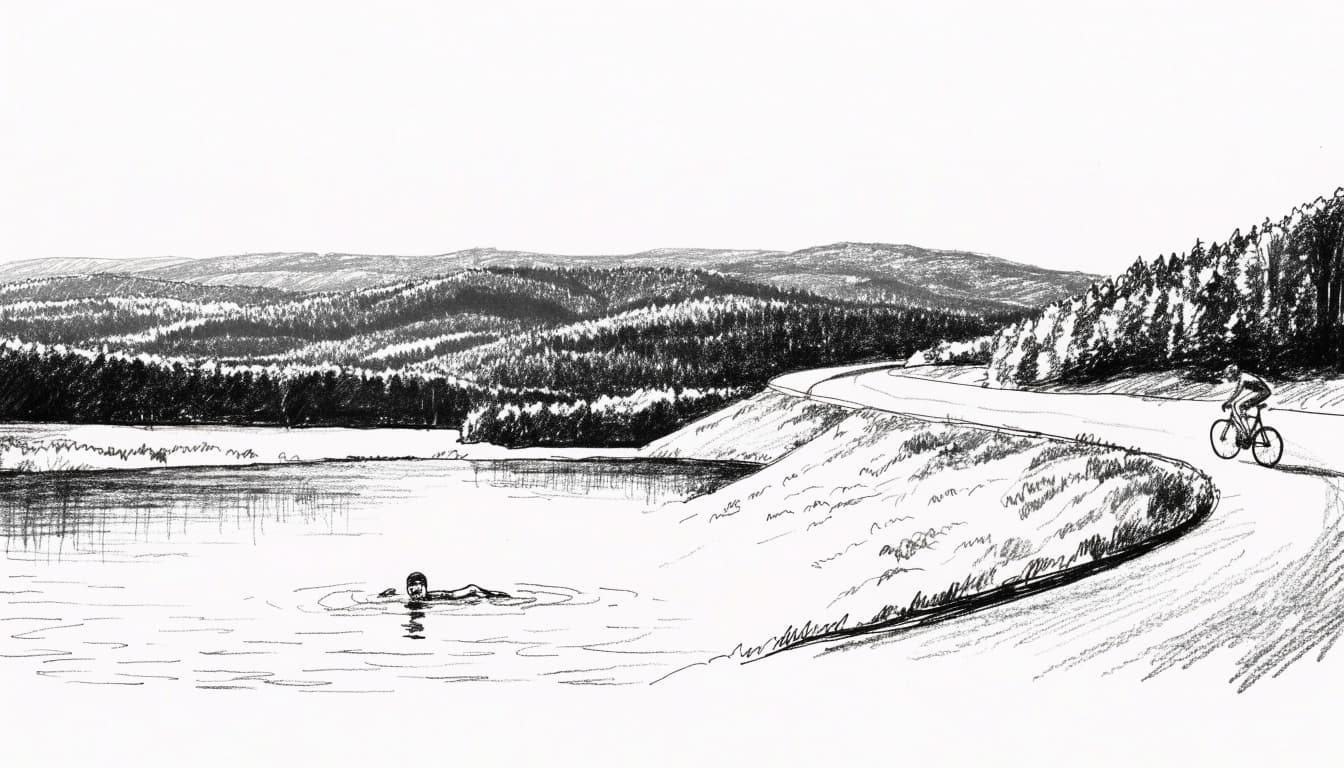
Before registering, look beyond the race distance. Water temperature can affect comfort and wetsuit rules; weather can bring heat, rain, or cool mornings. Check the elevation profile for sustained climbs, and confirm whether the roads are smooth pavement or include rougher sections. Local events may offer different formats at the same venue, as shown by French Creek Racing’s triathlon listings.
Your best choice is the race whose demands match your current fitness and the training you can realistically complete. Compare the course details, then pick a goal that gives you room to prepare well.
Pennsylvania Triathlon Races and Regions Worth Exploring
Pennsylvania’s race settings can shape the whole weekend, from how far you travel to what you see on race morning. Use regional examples to build a shortlist, then confirm each event’s current date, distance, course map, and registration status with its organizer.
Compare central Pennsylvania, the Poconos, Erie, and the southeast
Central Pennsylvania offers a college-town base around State College. The area is a natural place to investigate the IRONMAN 70.3 Pennsylvania Happy Valley, while a campus-centered trip may also make lodging, dining, and spectator plans part of your race-weekend decision.
The Pocono region appeals to athletes who want a race trip among wooded terrain and outdoor recreation. The Black Bear Triathlon is one event name to investigate there. Check the organizer’s latest information before planning around it, since dates, distances, and availability can change.
Erie’s Presque Isle setting puts the lakefront at the center of the trip. For current event details, consult the Presque Isle Triathlon listing. Meanwhile, southeast Pennsylvania can reduce travel time for athletes coming from larger population centers. Steelman Triathlon near Lake Nockamixon is one race to consider; its organizer’s event page provides current information.
The best region depends on more than scenery. Compare drive time, lodging, start and finish locations, and whether you want to make the race a quick trip or a longer stay.
Look beyond the event name to the course details
A familiar race name doesn’t tell you how the day will unfold. The current course map and athlete guide matter more than a race’s reputation alone, because organizers can revise routes, transitions, or event logistics.
Before registering, compare the details that affect both preparation and race-day comfort:
- Check elevation charts for sustained climbs and changes in terrain, especially on the bike course.
- Review swim conditions, including the venue, water entry, and any information about temperature or wetsuit rules.
- Find out where transition areas sit in relation to swim exit, bike routes, and the finish.
- Read about road closures, aid-station locations, cutoff times, and spectator access.
These details help you match training to the actual course and plan travel with fewer surprises. For example, a spectator who needs to move between transition and the finish should check access instructions, not assume both areas are close together. Likewise, cutoff times can help you assess whether a course suits your current pace.
Treat event pages as a starting point, then look for the newest athlete guide and course documents before you commit. If those details aren’t available yet, revisit the organizer’s site before making final travel plans.
Choose Your Distance, Duration and Goal Time
Make three quick selections and open the exact plan built for your race target.
Looking for a Fully Personalized Training Plan?
The training plans above are an excellent choice if they match your goal. However, if you’d rather train with a plan built specifically around your current fitness, goal race, preferred training days, weekly mileage, and target finish time, our RDA Custom Training Plans provide a personalized solution. We also have running courses available for runners seeking to run faster from the mile to the marathon.
Why Choose a Custom Training Plan?
| Standard Training Plan | RDA Custom Training Plan |
|---|---|
| Follows a fixed schedule | Built around your schedule |
| Standard weekly mileage | Peak mileage customized for you |
| Fixed workout days | Train on the days you choose |
| Same structure for everyone | Designed around your current fitness |
| Static plan | Updated as your fitness improves |
| One-time purchase | Ongoing personalized coaching and support |
What You’ll Receive
- A training plan built specifically for your goal
- Personalized training paces
- Long runs, tempo runs, threshold workouts, interval sessions, recovery runs, and easy runs
- Peak weekly mileage matched to your experience level
- Flexible training schedule that fits your life
- Ongoing plan adjustments as your fitness improves
Ready to Train Smarter?
Stop guessing and start following a plan built specifically for you, your schedule, and your racing goals.
How to Choose a Pennsylvania Triathlon for Your Goals
The best Pennsylvania triathlon is one you can prepare for and enjoy, not simply the one with the biggest name. Start with your current fitness and comfort in open water, then weigh the training time, travel, budget, and challenge you want.
Match the distance to your current fitness
Look at what you’ve done recently in each sport. Regular pool swims, bike rides, and runs provide a stronger starting point than relying on fitness from just one discipline. If you’ve been running consistently but rarely swim or cycle, give yourself time to build those skills before choosing a race.
For beginners, a shorter event can make a sensible first goal, especially if open-water swimming is new. Pool fitness helps, but swimming in a lake adds different conditions, such as limited visibility and the need to sight your direction. Practice in open water when it’s safe and permitted, and review USA Triathlon’s open-water tips for beginners.
Returning athletes should also assess their current routine, not just remember what they once completed. A past finish at a longer distance doesn’t replace the training needed now. Choose a race that leaves enough weeks for consistent swim, bike, and run sessions, plus recovery. If your schedule can support only a few workouts each week, avoid signing up for a long event without a realistic plan. USA Triathlon’s guide to getting started in triathlon offers a useful starting point for building toward a first race.
Weigh travel time, cost, and race-day support
A race that looks ideal on paper may feel less appealing if it requires an expensive overnight stay or a complicated morning drive. Add up registration, lodging, transportation, parking, meals, and any equipment you still need. Also check whether friends or family can attend, and whether the event gives spectators a practical way to reach the course.
For a first race, a familiar venue or shorter trip can reduce stress. You’ll have fewer travel details competing with race preparation, and supporters may be more likely to join you. In addition, look at the organizer’s athlete guide for transition instructions, aid stations, parking plans, and support along the course. Strong event support can make the day easier to manage, especially when you’re learning how check-in, transitions, and the finish work.
Finally, decide what kind of challenge feels meaningful right now. You might want a low-pressure first finish, a faster sprint, or a demanding course that tests your climbing and endurance. Compare the commitment each option requires with the time and money you can spare. Then choose the race that fits your life as it is, rather than stretching your plans around a famous event.
Train for Pennsylvania’s Roads, Water, and Weather
Prepare for the course you chose, not an idealized version of it. Build fitness steadily across all three sports, practice on similar terrain when possible, and leave room in your schedule for recovery. Pennsylvania conditions can vary, so train for the water, hills, and weather described in the race’s current athlete guide.
Build swim confidence before race day
Pool workouts build endurance and help you refine your stroke. Add short sets that practice sighting, such as lifting your eyes to check direction every few lengths. Then, when a safe, supervised open-water session is available, practice swimming straight, starting near other swimmers, and rounding buoys without stopping.
Open water feels different because visibility, temperature, and crowding can change your rhythm. Review USA Triathlon’s open-water training guidance, and practice with the safety gear required by your event. Never swim alone, and don’t enter water when officials or posted notices warn against it. Check current water-quality and safety updates before each session.
Prepare for climbs, descents, and bike handling
Study the course profile before setting your bike workouts. If the route includes long climbs, build sustained efforts into training; if it has rolling hills, practice shifting smoothly and holding a steady effort over repeated rises. Use safe roads with enough space and visibility, and practice controlled descents without chasing speed.
A comfortable bike fit helps you stay in control and avoid unnecessary strain. Wear a properly fitted helmet on every ride, and check your tires, brakes, chain, and gears regularly. Carry the repair supplies you know how to use, such as a spare tube, tire levers, and a pump or CO2 inflator. If rain or cool conditions are possible, test your clothing and handling in similar weather before race day.
Practice running off the bike and pacing wisely
A brick workout pairs a bike ride with a run immediately afterward. Start with a short, easy run after a moderate ride; this teaches your legs to adjust to running after pedaling without adding a punishing workout. As fitness improves, extend the bike or run gradually, while keeping most sessions controlled. USA Triathlon’s multisport training guidance discusses including brick sessions in a training plan.
On race day, begin the run at a pace that feels restrained, especially if the course climbs or the weather is hot. You can build effort later if your breathing and legs feel steady. Schedule recovery days and lighter weeks, since fitness develops between hard sessions as well as during them. A structured plan or coach can help organize the workload when you need more guidance, but consistency and sensible progression should remain the foundation.
Plan Registration, Gear, and Race-Day Logistics
A race feels easier to manage when you handle the practical details before training peaks. Set a realistic budget, register on time, and use the event’s latest athlete guide to plan your gear and race-week schedule.
Budget for entry fees and essential equipment
Registration is only one part of the cost. Your total depends on the event, distance, travel plans, and what you already own. Add likely expenses before committing, including transportation, lodging if needed, meals, and parking. A race close to home may avoid an overnight stay, while a distant start can make lodging and an extra travel day worthwhile.
Check your equipment before shopping. You’ll need a safe, properly functioning bike and a well-fitted helmet, along with swim gear suited to the event and running shoes that you’ve trained in. Depending on the race and your setup, you may also need nutrition for the course or a bike service before race day. Ask a bike shop to inspect the bike if you’re unsure about its brakes, tires, or shifting.
Before buying anything new, compare the event’s equipment rules with the gear you already own. USA Triathlon’s race-day checklist covers common equipment, including the required bike helmet. Prioritize safety and fit; upgrades can wait unless they solve a specific need.
Use the athlete guide to organize race week
The athlete guide is your main source for event-specific instructions. Read it when you register, then check it again as race day approaches in case the organizer posts updates. Add key dates and times to your calendar, and use this checklist to plan:
- Confirm registration deadlines, required memberships, and packet pickup hours.
- Check transition opening and closing times, check-in requirements, and equipment rules.
- Review parking locations, road closures, and travel routes. Allow extra time for traffic and event check-in.
- Note course cutoff times, emergency contacts, and the organizer’s safety instructions.
Transition rules can affect what you bring and when you can access your bike. Keep your setup simple, and confirm where officials require you to rack your bike and place your gear. USA Triathlon’s multisport rules explain general race requirements, but the event guide takes priority for local procedures and updates.
Make a packing list based on those instructions, then set items out the night before. Include your helmet, bike shoes if needed, swim gear, running shoes, race nutrition, and any permitted repair supplies. Pack extra clothing for changing weather, but avoid bringing equipment you haven’t practiced with. Finally, save the organizer’s contact information and plan to arrive with enough time to check in without rushing.
Frequently Asked Questions
Even after choosing a Pennsylvania triathlon and reviewing its course, a few race-day details may still be unclear. These answers cover common questions about equipment rules, registration policies, and what to expect at the venue.
Are wetsuits allowed in every Pennsylvania triathlon?
No. Wetsuit rules depend on the event, water conditions, and the governing rules for that race. Check the athlete guide for the current policy, including any restrictions on wetsuit use or required swim gear. USA Triathlon’s multisport rules provide general race requirements, but the organizer’s instructions address event-specific details.
What should I bring to packet pickup?
Bring a photo ID and any confirmation or membership details the organizer requests. Packet pickup procedures differ, so check the event instructions before you leave home. USA Triathlon’s event operations guidance notes that athletes are required to show photo ID at packet pickup.
What happens if I miss a course cutoff?
Cutoff times help organizers manage course safety and road access. If you miss one, race staff may ask you to stop or leave the course, even if you feel able to continue. Review the cutoff locations and times in advance, then contact the organizer if you aren’t sure how they apply to your race.
Can I change or defer my registration if I get injured?
That depends on the event’s policy and when you make the request. Some organizers set firm deadlines or limit transfers, deferrals, and refunds. Read the registration terms before paying, and contact the race directly if an injury changes your plans.
Are aid stations available throughout the race?
Many events provide some on-course support, but the number and location of aid stations vary by discipline and course. Check the athlete guide for what each station offers, and plan your own hydration or nutrition where needed. Practice with the products and timing you intend to use on race day.
Can friends and family watch the race?
Often, but access depends on the venue, road closures, and event rules. Look for spectator maps, parking instructions, and viewing-area guidance in the athlete guide. Sharing those details with your supporters ahead of time can help them avoid closed roads and reach a good viewing spot.
Conclusion
Triathlons in Pennsylvania offer a range of distances and course demands, but the right race is the one that fits your goals, current fitness, and schedule. A realistic choice gives you time to prepare and makes race day feel like a challenge you’re ready to meet.
Before you register, review the course map and athlete guide, then build a training plan around the swim, bike, and run conditions. Planning travel, gear, and race-week logistics early can also keep avoidable stress from crowding out your preparation.
Choose an event that fits your life now, and start building toward the start line one consistent workout at a time.


