Triathlons in Oklahoma: Red Dirt Swims, Fast Finishes
On an Oklahoma race morning, the water is still and the start comes early. Soon, athletes leave the shoreline for open roads, then push through the final miles on foot. Triathlons in Oklahoma offer options for many experience levels, from short events suited to a first race to longer tests of endurance.
Choosing the right event means looking beyond the distance. Course details, local weather, and race-day logistics all shape how you’ll prepare and what to expect. With a clear plan, you can find a race that fits your goals and build confidence in each leg.
Here’s how to compare race formats, find current events, train for Oklahoma conditions and triathlons, and prepare for race day. Be sure to check out the RunDreamAchieve YouTube channel for weekly running tips.
Key Takeaways
- Choose a triathlon distance that fits your current fitness and training time, then build toward it with consistent swim, bike, and run sessions.
- Compare Oklahoma races by course, start time, water conditions, and logistics, since heat and wind can affect race-day effort.
- Review the event rules and practice transitions before race day; USA Triathlon’s beginner guide covers essential first-race preparation.
- In the final days, check your bike and gear, pack the night before, and follow USA Triathlon’s pre-race checklist.
- On race morning, arrive with time to set up, warm up, and settle your nerves before the swim start.
What to Expect From Triathlons in Oklahoma
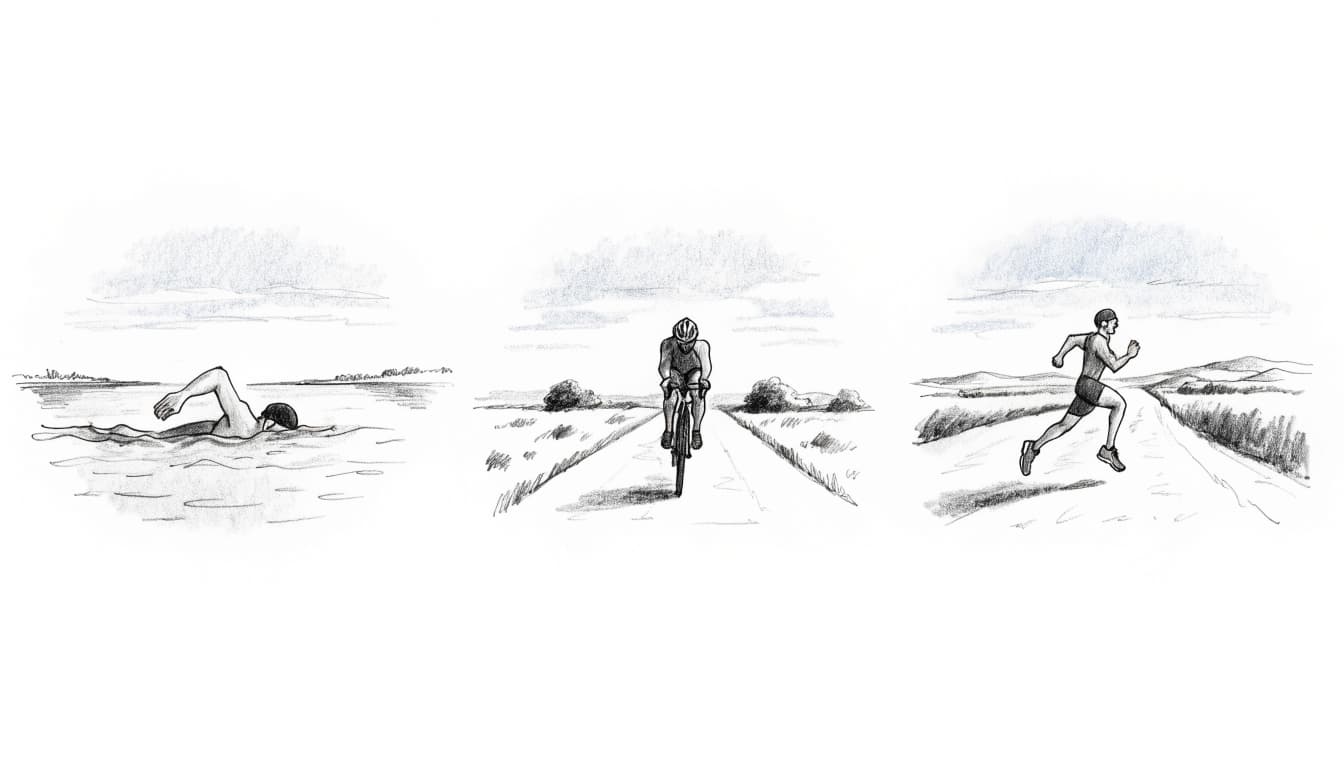
Every triathlon follows the same basic order: swim, bike, then run. In Oklahoma, the swim may start at a lake shoreline, while the bike and run often take athletes onto open roads where sun, wind, and exposure can shape the effort. Course layouts vary by event, so expect the race guide to provide the clearest picture of your day.
Choose a race distance that fits your experience
A sprint triathlon is a common entry point. Typical distances are a 750-meter swim, 20-kilometer bike ride, and 5-kilometer run. The shorter format still calls for regular practice in all three sports, but it usually requires less weekly training time than longer races.
An Olympic-distance race typically includes a 1.5-kilometer swim, 40-kilometer bike ride, and 10-kilometer run. You’ll need to build endurance and practice pacing across a longer day. A half-distance race, often called a 70.3, generally includes a 1.9-kilometer swim, 90-kilometer bike ride, and 21.1-kilometer run. Preparation takes more time, with longer workouts and a plan for nutrition and hydration. USA Triathlon outlines common formats in its multisport distance guide.
These distances are typical, not a promise that every Oklahoma course uses the same layout. Some events adjust routes to suit the venue, and race names may not tell the whole story. Before registering, check the current event guide for measured distances, course maps, elevation, and any course-specific instructions.
Know how transitions and race rules work
The transition area is where you switch between legs and collect the gear you need. T1 comes after the swim: leave the water, find your assigned spot, remove swim gear, put on your helmet and shoes, then take your bike onto the course. After the ride, T2 is where you rack the bike, remove your helmet, and set out on the run.
Keep your setup simple. Lay out only the equipment the event allows, and practice the sequence before race day so you’re not figuring it out while tired. Follow markings and officials’ directions when entering or leaving transition; organizers may restrict where athletes can mount or dismount their bikes.
Rules can affect both safety and race strategy. Read the athlete guide for helmet requirements, wetsuit policies, drafting rules, and course cut-off times. Wetsuit use may depend on water temperature and event rules, while drafting restrictions govern how athletes ride near one another. USA Triathlon’s multisport competition rules explain the standards behind many sanctioned events, but the event guide remains essential for local procedures and deadlines.
How to Find Oklahoma Triathlon Races That Fit Your Goals
Start with your preferred distance, then compare events by location, course demands, and how much travel they require. Race calendars can help you build a shortlist, but confirm every option on the organizer’s website. Listings may describe past events or show formats that aren’t offered in the year you plan to race.
Search USA Triathlon’s state championship calendar and local club pages for leads, then follow each listing to the race organizer’s site. Oklahoma City-area triathlons and the Redman Triathlon are examples worth researching, not guarantees that a particular race or distance is currently available.
Check the event’s own page for the year, date, format, and registration status before making plans. Local groups such as TRI-OKC’s club website can also point you toward area events and training connections.
Compare location, course, and race-day support
A course map can tell you whether the race suits your strengths, but the surrounding details shape the whole day. Review the swim venue and water-entry setup, bike elevation and road closures, run terrain, aid-station locations, parking, and start time. For example, an early start may help you avoid some midday heat, while a hilly bike route calls for different preparation than a flatter course.
Travel distance matters, too. A race that requires a long drive may mean arriving the night before, booking lodging, and planning where to store your bike. Consider whether family or friends can reach the venue, find parking, and watch without crossing closed roads. Their race-day experience can influence which event feels manageable for everyone.
Check registration details before you commit
Before paying, read the current registration page and athlete guide. Compare entry fees and deadlines, and check whether the event requires a USA Triathlon membership or offers a one-day license. Policies can differ, so don’t assume a prior race’s terms apply.
Also look for cancellation and transfer rules, age-group eligibility, and what the entry fee includes. Registration may cover items such as timing, aid stations, or post-race refreshments, but inclusions vary by organizer. Confirm whether you need to bring anything beyond your race gear.
Finally, make sure the event is scheduled for your intended year and that the listed distance matches your goals. Prices, dates, and policies can change; use the organizer’s latest information before booking travel or committing to training around a race.
Choose Your Distance, Duration and Goal Time
Make three quick selections and open the exact plan built for your race target.
Looking for a Fully Personalized Training Plan?
The training plans above are an excellent choice if they match your goal. However, if you’d rather train with a plan built specifically around your current fitness, goal race, preferred training days, weekly mileage, and target finish time, our RDA Custom Training Plans provide a personalized solution. We also have running courses available for runners seeking to run faster from the mile to the marathon.
Why Choose a Custom Training Plan?
| Standard Training Plan | RDA Custom Training Plan |
|---|---|
| Follows a fixed schedule | Built around your schedule |
| Standard weekly mileage | Peak mileage customized for you |
| Fixed workout days | Train on the days you choose |
| Same structure for everyone | Designed around your current fitness |
| Static plan | Updated as your fitness improves |
| One-time purchase | Ongoing personalized coaching and support |
What You’ll Receive
- A training plan built specifically for your goal
- Personalized training paces
- Long runs, tempo runs, threshold workouts, interval sessions, recovery runs, and easy runs
- Peak weekly mileage matched to your experience level
- Flexible training schedule that fits your life
- Ongoing plan adjustments as your fitness improves
Ready to Train Smarter?
Stop guessing and start following a plan built specifically for you, your schedule, and your racing goals.
Train for Oklahoma’s Heat, Wind, and Open-Water Conditions
Oklahoma race courses vary, but athletes may encounter strong sun, humid afternoons, gusty roads, and swims without pool lane lines. Build fitness gradually, practice in safe conditions, and adjust your plan to the actual race forecast.
Build fitness across all three sports
Plan a week that gives swimming, cycling, and running regular attention, with recovery built in. For example, rotate shorter technique-focused swims with endurance sessions, ride at different efforts, and include easy runs alongside longer or faster work. Add strength training when it fits your schedule, and keep at least one day for rest or light recovery.
If you’re new to triathlon, increase training time and distance in small steps. A sudden jump in volume can leave you tired or sore before your fitness catches up. Once you have a steady base, practice bike-to-run sessions so your legs can get used to running after time in the saddle. A qualified coach can help match a plan to your background, available training time, and race goals.
Practice open-water skills before race day
Pool fitness helps, but a lake swim feels different. Without lane lines, you need to look up periodically to check your direction. Practice sighting, swimming straight between landmarks, and staying composed when other athletes are nearby. Start with comfortable distances and build up in a supervised setting.
Choose a permitted venue with appropriate supervision, and check local water conditions and rules before getting in. Never assume a lake is safe or swim alone. A visible swim buoy can help others spot you where local rules allow it, but it doesn’t replace supervision or a safety plan. Practice entering and exiting the water carefully, too, since shorelines and footing differ. USA Triathlon’s open-water swimming guidance covers preparation and safety.
Adjust training and hydration for hot, windy days
Build heat exposure gradually rather than turning a hot day into a sudden test. When possible, schedule workouts during cooler morning or evening hours, wear suitable sun protection, and reduce effort as conditions demand. Heat and humidity can make a familiar pace feel harder, so judge the session by effort as well as speed.
Practice your hydration and fueling plan during training, especially on longer rides and runs. There isn’t one fluid or salt target that fits every athlete, so use experience and qualified guidance to shape your approach. The CDC’s guidance for athletes in hot weather advises athletes to stop if they feel faint or weak. Stop and seek help if you feel seriously unwell.
Wind can change a bike workout even when the route stays flat. Headwinds raise effort, while crosswinds can affect handling, so keep a firm, relaxed grip and leave extra space around other riders. As race day approaches, check the forecast and adapt your pacing, clothing, and hydration plan to the conditions you expect.
Pack the Right Gear and Plan Your Race Weekend
A simple plan keeps race morning focused on the course instead of a forgotten item or last-minute scramble. Use the event’s latest athlete guide as your source of truth, since gear rules, check-in times, and transition procedures can vary between Oklahoma races.
Use a simple swim, bike, and run gear checklist
Start with the essentials, then add items the event guide requires. For most races, your core gear includes:
- A tri suit or swimwear you can comfortably wear under your bike and run gear.
- Goggles and a swim cap if the event requires one or supplies it at check-in.
- A roadworthy bike and a properly fitted helmet.
- Running shoes you’ve already worn in training.
- Any race-number items the organizer specifies, such as a number belt or safety pins.
- Weather protection suited to the forecast, such as sunscreen, sunglasses, or a light layer.
Wetsuits need special attention. Their use depends on water temperature and event policy, so don’t assume that a suit allowed at one race will be permitted at another. Check the athlete guide for the current rule, and pack a swim cap or other required items exactly as directed.
Most importantly, test your equipment during training. Wear the tri suit on a workout, swim in the goggles you plan to race in, and ride with your helmet and race-day setup. New shoes, unfamiliar gear, or a last-minute bike adjustment can create discomfort when you need to focus. For rule details, consult the USA Triathlon competition rules along with the event’s own instructions.
Make transition setup calm and easy to follow
Before race morning, pack by discipline and keep small items together in a bag or container. At transition, lay out only what you’ll use, in the order you need it: swim gear first, bike gear next, and running shoes and race-number items where you’ll see them after the ride. A tidy space makes it easier to spot what you need when you’re moving quickly.
When you arrive, locate the transition entrance and exit for each leg. Check where athletes enter after the swim, where they take their bikes out, and where they return after the ride. Also find the bike mount and dismount points, since organizers may require you to push your bike until you cross a marked line.
Plan travel with enough margin for parking, check-in, bike inspection if required, and a course briefing. If you’re staying overnight, confirm the drive time and where you can leave your bike securely. Race schedules differ, so follow the event’s stated arrival window rather than relying on another athlete’s routine.
Finally, listen to race staff and follow posted instructions, even if the setup differs from what you’ve practiced elsewhere. A few minutes spent learning the layout can prevent confusion when the swim ends and the transition area fills with athletes.
Race Smart: Pace Well, Stay Safe, and Enjoy the Finish
A race plan should give you room to adapt. Across triathlons in Oklahoma, heat, wind, crowded starts, and course conditions can shift the effort you expected. Whether you want to finish comfortably or race for a time, start with a pace you’ve practiced and adjust when the day calls for it.
Start conservatively and save effort for the run
The swim start can feel charged with energy. Athletes surge forward, the shoreline disappears, and excitement can make a hard effort feel easy for the first few minutes. Resist that pull. Start at a controlled pace, find space when possible, and settle into a rhythm you can sustain.
On the bike, aim for steady effort rather than chasing every rider who passes. Oklahoma wind can make speed an unreliable measure of how hard you’re working, so stay within the effort you practiced in training. Save enough energy for the run, where an overly ambitious bike leg often catches up with you.
Then begin the run at a pace you’ve rehearsed after cycling. Give your legs a little time to adjust before increasing effort, and use your training experience to guide the pace. If your goal is a finish, staying controlled helps you keep moving. If you’re racing for a time, a measured opening still gives you a better chance to hold pace later. A safe finish matters more than an untested opening split.
Follow course safety and listen to your body
Pay attention to the course, not only to your watch. In the water, leave room around other swimmers and follow the marked route. On the bike, stay alert for turns, road hazards, and nearby athletes; obey traffic rules and follow marshals’ directions. Use aid stations as instructed, and avoid sudden moves that could surprise another racer.
Conditions can change during the event. If wind rises or heat makes your usual effort feel harder, adjust your pace instead of forcing the plan. Take cues from how you feel, and tell race staff if you feel distressed or need help. Stop and alert an official for urgent symptoms rather than trying to push through them.
USA Triathlon’s athlete safety guidance offers additional ways to prioritize safety. Race staff are there to help, so speak up early if something feels wrong. Finish the day proud of the choices you made, not just the time on the clock.
Frequently Asked Questions
Choosing a triathlon involves practical details beyond distance and training. These answers can help you narrow down the right event and know what to check before registering.
Can a beginner do a triathlon in Oklahoma?
Yes. Beginners can work toward a suitable event by choosing a manageable distance and building fitness and confidence over time. Practice swimming, cycling, and running separately, then rehearse transitions so each part feels familiar on race day. Before you register, learn the event’s rules, course layout, and cut-off times to make sure its requirements fit your experience.
Do Oklahoma triathlons require open-water swimming?
Swim formats vary by event. Some races use a lake or other open-water venue, while others may offer a different setup, so don’t assume every race has the same swim conditions. Check the current course description and athlete guide before registering, especially if you’re new to swimming outside a pool. That information can help you decide whether to practice open-water skills before race day.
When is triathlon season in Oklahoma?
Race dates vary by year and organizer, and Oklahoma weather can shape when events take place. Rather than relying on a fixed season window, search current race calendars and confirm dates on each organizer’s official event page. Check again before booking travel, since schedules and event details can change between years.
Do I need a road bike to enter a triathlon?
The event rules determine which bike types are allowed, so check the current athlete guide before choosing your equipment. A safe, properly maintained bicycle matters more than buying an expensive model. Have a qualified bike mechanic inspect the brakes, tires, and shifting before race day, then take a practice ride to confirm everything works as expected.
How much does it cost to enter an Oklahoma triathlon?
Entry fees vary with race distance, registration timing, and organizer policies. The total may also include travel, lodging, gear, and a required membership or one-day license. Review the current registration details to see what the fee covers and which additional costs apply, then budget for the full race weekend rather than registration alone.
Conclusion
Triathlons in Oklahoma offer a range of race experiences, but the best choice is the one that fits your goals, experience, and available training time. Choose a suitable event, prepare for its course and expected conditions, and follow the organizer’s current guidance as you get ready.
Start with one practical step: find a race date that fits your schedule, or begin a steady routine that builds your swim, bike, and run fitness. With a clear plan and patient preparation, you can approach race day ready to enjoy the work that got you there.