

Triathlons in Ohio: Buckeye Swims, Bold Finishes
Ohio offers triathlon courses for many kinds of racers, from calm inland lakes and reservoirs to energetic city routes. That variety gives you room to choose a race that fits your experience, schedule, and comfort in open water.
The right triathlon event depends on more than distance. Compare course locations, registration details, and the training each format requires before you commit. With a practical plan, you can find a race that challenges you without asking you to rush your preparation. Start by looking at the distances Ohio triathlons offer. Be sure to check out the RunDreamAchieve YouTube channel for weekly running tips.
Key Takeaways
- Choose a triathlon distance that matches your current fitness, available training time, and comfort with open-water swimming.
- Compare Ohio race courses, dates, entry requirements, and cutoff times before registering, since event formats and logistics vary.
- Practice open-water skills before race day; USA Triathlon’s open-water training guidance can help you prepare for lake conditions.
- Train for all three legs and rehearse transitions with your race gear, so the swim, bike, and run feel familiar on event day.
Triathlons in Ohio Come in More Than One Distance
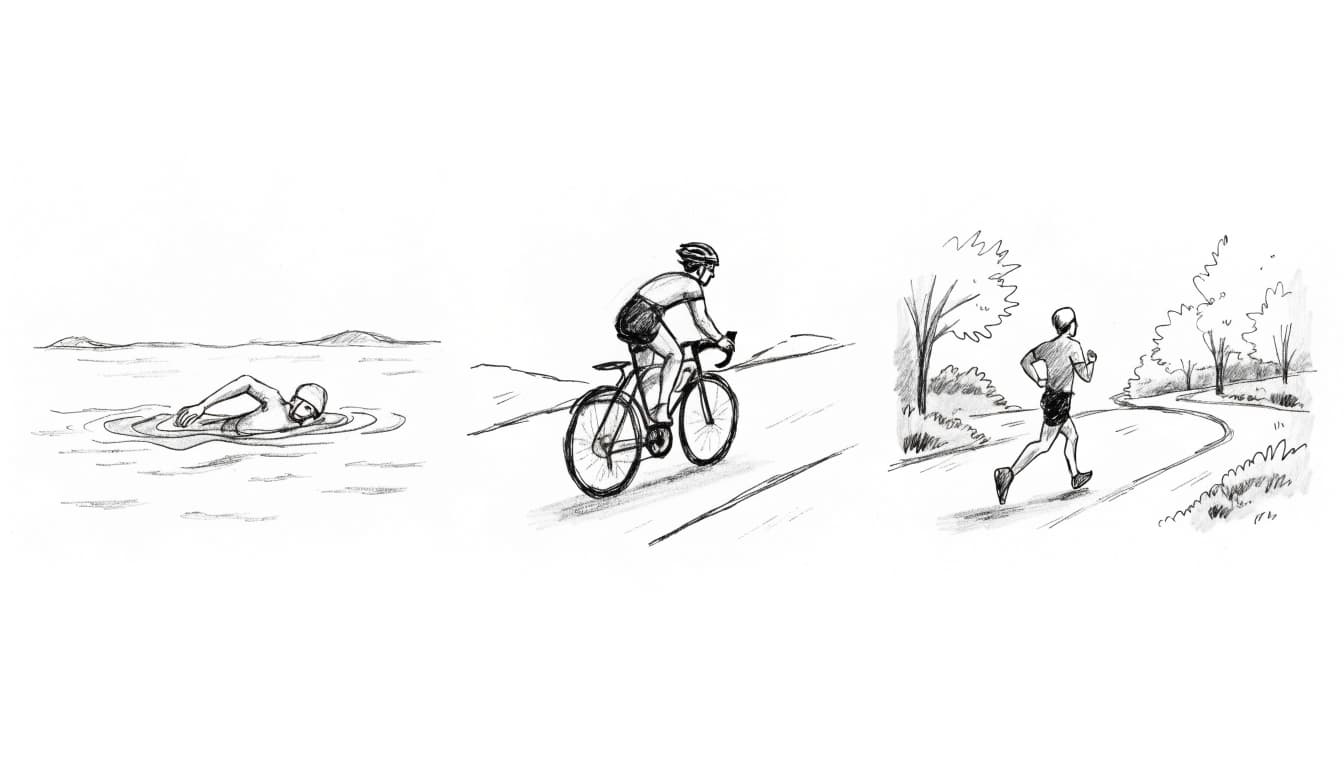
Ohio races offer different ways to take on the swim, bike, and run, so you can choose a first event that fits your current training or a longer goal to build toward. Distance affects more than how long you race. It also changes the preparation, pacing, fueling, and recovery you’ll need.
Start with a sprint or super-sprint race
A sprint or super-sprint can be a practical first step because the shorter course asks for less total training time than longer formats. It can also suit busy athletes who need to fit workouts around work and family, or experienced racers returning after time away. You’ll still practice all three disciplines and transitions, but the overall effort is easier to manage.
Distances vary by event. USA Triathlon lists sprint-distance standards of up to a 750-meter swim, 20-kilometer bike, and 5-kilometer run, but individual races may set different course lengths. Super-sprints are generally shorter, though organizers define their own courses. Before registering, read the race’s course map and event details instead of assuming every sprint is identical.
Build toward Olympic distance or a 70.3
An Olympic-distance race demands more training time than a sprint, along with steady pacing across a longer swim, bike, and run. You’ll need to practice managing effort so you don’t burn through your energy early, especially on the bike. Longer sessions also make recovery between workouts more important.
A 70.3 requires a larger commitment. The name refers to the total race distance in miles, not one leg: an IRONMAN 70.3 includes a 1.2-mile swim, 56-mile bike, and 13.1-mile run. That format calls for sustained endurance training, planned fueling, and practice taking food and fluids while moving. See IRONMAN’s 70.3 distance breakdown before deciding whether the training demands fit your schedule.
Look for relays, youth races, and adaptive options
Some Ohio race weekends include more than an individual adult triathlon. A relay lets teammates divide the swim, bike, and run, while junior events provide race formats for younger athletes. Some events also offer adaptive participation options. Availability and event design vary, so check the specific race rather than assuming every format will be offered.
Before registering, review eligibility rules, age requirements, course conditions, and available accommodations. Contact the organizer with questions about equipment or access needs, and confirm arrangements before race day. USA Triathlon’s youth race distance guidance can help families understand how junior formats differ.
Where to Find Ohio Triathlons and What Each Setting Offers
Triathlons in Ohio take place in varied settings, including inland lakes and reservoirs, Lake Erie-area venues, city streets, and public parks. Each setting changes the race-day feel, so compare the swim, bike, and run courses rather than choosing by location alone.
Compare lake, reservoir, and pool swim courses
An inland lake or reservoir can offer a sheltered open-water swim, though wind, temperature, and visibility vary by day and location. Some water is clear enough to see below the surface; elsewhere, low visibility makes it harder to orient yourself. Shore access also affects the start. A shallow entry lets athletes wade in, while a deeper shoreline may call for a direct swim start.
Lake Erie-area venues bring another open-water setting. Conditions can shift, so check the event’s swim plan and safety rules for the current year. Pool swims feel different: athletes usually swim in marked lanes, often with staggered starts, which can make the route easier to follow. However, passing and turns at the wall require attention. For any format, practice the kind of swim you’ll face instead of assuming all Ohio courses feel alike.
Choose between city routes and park courses
City courses may draw more spectators and include road closures, giving the bike or run a lively feel. They can also bring frequent turns, intersections, and changing pavement. A park course may offer a quieter backdrop and more shade, yet still include hills, tight turns, or uneven sections.
Before registering, study the course map and elevation details. Check whether the route repeats loops, where aid stations sit, and whether the bike course uses open roads or closed sections. These details help you match the setting to your comfort with traffic, terrain, and crowds.
Use event calendars to confirm dates and details
Ohio race calendars change each year. Dates, venues, distances, and registration status can shift, so confirm the current season’s information before making travel plans or building your training schedule.
HFP Racing is a long-running Ohio event organizer. Browse its Ohio triathlon and duathlon calendar and full event listings to compare races. You can also search the USA Triathlon events calendar. Once you find a likely match, read the organizer’s official race page and event rules for course maps, cutoff times, start procedures, and any updates.
Choose Your Distance, Duration and Goal Time
Make three quick selections and open the exact plan built for your race target.
Looking for a Fully Personalized Training Plan?
The training plans above are an excellent choice if they match your goal. However, if you’d rather train with a plan built specifically around your current fitness, goal race, preferred training days, weekly mileage, and target finish time, our RDA Custom Training Plans provide a personalized solution. We also have running courses available for runners seeking to run faster from the mile to the marathon.
Why Choose a Custom Training Plan?
| Standard Training Plan | RDA Custom Training Plan |
|---|---|
| Follows a fixed schedule | Built around your schedule |
| Standard weekly mileage | Peak mileage customized for you |
| Fixed workout days | Train on the days you choose |
| Same structure for everyone | Designed around your current fitness |
| Static plan | Updated as your fitness improves |
| One-time purchase | Ongoing personalized coaching and support |
What You’ll Receive
- A training plan built specifically for your goal
- Personalized training paces
- Long runs, tempo runs, threshold workouts, interval sessions, recovery runs, and easy runs
- Peak weekly mileage matched to your experience level
- Flexible training schedule that fits your life
- Ongoing plan adjustments as your fitness improves
Ready to Train Smarter?
Stop guessing and start following a plan built specifically for you, your schedule, and your racing goals.
How to Choose an Ohio Triathlon That Fits Your Goals
The best Ohio triathlon is one you can prepare for, reach without unnecessary stress, and enjoy on race day. Narrow your options by matching the event to your current fitness, weekly schedule, course preferences, and comfort with open-water swimming. Experienced athletes can weigh those same factors against performance goals and the training load a longer race requires.
Match the race distance to your current fitness
Choose a distance based on the training you can do consistently now, not only the race you hope to complete someday. A shorter event may fit a first-time athlete who is still building swim confidence or learning how to manage three sports in one week. USA Triathlon’s guide to getting started offers practical steps for new racers.
If you’re new to triathlon, consider a beginner-friendly event with coaching, clinics, or race-day support. That guidance can make transitions and open-water procedures easier to understand. Leave enough time for steady training, too. An experienced athlete may choose a longer distance, but only if the added sessions and recovery fit around work, family, and other commitments.
Check the course, cutoff times, and support
Course details can make two races of the same distance feel very different. Before registering, review the swim, bike, and run routes, including elevation, road surfaces, sharp turns, and exposed sections. For a lake swim, consider whether you feel ready for open water; a pool-based event may suit you better if you haven’t practiced sighting or swimming in a group.
Also check cutoff times, aid-station locations, and what support the organizer provides. A hilly bike route or a strict swim cutoff may change your plan more than the advertised distance suggests. If the race page leaves a key detail unclear, ask the organizer before paying.
Weigh travel, schedule, and race atmosphere
A nearby event can simplify race week, while a farther race may require lodging and an extra day away. Check the start time against your drive, hotel options, family plans, and how early you’ll need to arrive. These logistics matter even more when you’re managing a pre-race meal and getting gear to the transition area.
Then consider the atmosphere you want. A small local race may feel quieter and easier to navigate, while a larger event weekend can bring more spectators and a busier transition area. Neither is automatically better; choose the setting where you’ll feel focused.
Before committing, confirm the registration deadline and read the refund, deferral, and transfer policies. If your plans change or training gets interrupted, those rules determine what options you have. Use the USA Triathlon race search to filter events by location, distance, and format, then compare each organizer’s current details.
What Race Day Looks Like from the Swim to the Finish
Race day usually starts with check-in, where you collect your race materials and confirm any event-specific details. Then you set up in transition, attend any required briefing, and head to the swim start. The order is familiar, but start times, access rules, and course procedures vary across triathlons in Ohio, so follow the organizer’s athlete guide.
Prepare for the swim and open-water conditions
Before race morning, check the expected water temperature and review the swim plan. Ohio weather can change quickly, and a cool morning or windy shoreline may feel different from your training conditions. Wetsuit policies depend on race rules and water conditions, so check the athlete guide rather than relying on what you wore at another event.
If the organizer permits it, use the swim warm-up to get comfortable with the water and practice a few controlled strokes. A brief warm-up can help you settle your breathing before the start. USA Triathlon shares suggestions for a race-day warm-up, though event rules determine when and where you may enter the water.
At a crowded start, give yourself room when possible and begin at a pace that lets you breathe steadily. If swimmers bunch together, stay calm, protect your space, and avoid sudden changes in direction. Lift your eyes periodically to sight a landmark or buoy, then return your gaze to the water. That keeps you oriented without wasting energy.
Set up your transition area before the start
After check-in, find your assigned spot and arrange your bike, helmet, shoes, and race items in the space the event provides. Keep essentials easy to reach, and avoid spreading gear beyond your designated area. Before leaving, check that your helmet is ready and that you can locate your setup quickly.
Transition layouts and access windows differ by race. Some events restrict when athletes may enter or remove equipment, while others use specific entry and exit points. Follow organizer and referee instructions, and review the USA Triathlon multisport rules for applicable race procedures. Once the swim ends, move through transition in the marked direction and take a moment to avoid rushing into the bike course.
Pace the bike and run for the course
Start the bike conservatively, especially if the swim felt hard or the course begins with a climb. Take fluids and fuel according to the plan you’ve practiced, and adjust effort for hills, wind, heat, or rain. Ohio courses may include exposed roads or changing surfaces, so check the map and forecast, then prepare for conditions rather than assuming a smooth, dry ride.
Ride predictably, obey traffic-control instructions, and follow passing rules. After the bike, settle into a controlled run pace before increasing effort. Heat, humidity, and uneven terrain can make the run feel tougher than expected, so use aid stations as planned and respond to how your body feels. At the finish, keep moving through the chute and follow staff directions while you recover.
Train for Ohio Conditions Without Overcomplicating Your Plan
Triathlons in Ohio can bring changing temperatures, rain, wind, and open-water swims, but your training plan doesn’t need to cover every possible scenario. Build a steady routine around your race distance, current fitness, health, and available time. Then adjust for local conditions as race day approaches.
Build a steady week across all three sports
Consistent sessions help your body adapt to swimming, cycling, and running without sudden jumps in training load. Start at a level you can manage now, whether that means short workouts or returning to one sport at a time. Gradually add time or effort, and avoid increasing both sharply in the same week.
Your schedule should reflect the event and your experience. A beginner preparing for a sprint may need fewer or shorter sessions than an athlete targeting a longer race. Include strength work that supports general stability and endurance, along with at least one easy or rest day. If you miss a workout, continue with the plan rather than squeezing it into an already full week.
Practice open-water skills and brick workouts
Pool laps build fitness, but open water adds unfamiliar sights, movement, and navigation. When possible, practice at a supervised location with a lifeguard or qualified group, and never swim alone. Work on sighting and staying calm in the water. USA Triathlon’s swim training tips offer guidance for preparing for a sprint-distance swim.
A brick workout combines two sports back to back, often a bike ride followed by a run. Even a short, easy bike-to-run session helps your legs adjust to the change in movement before race day. Keep the effort controlled, especially when you’re new to bricks, and practice the transition with the gear you’ll use.
Plan for changing weather and recovery
Train outdoors in safe conditions, but don’t treat every forecast as a test. Rain can reduce visibility and make roads slippery; strong wind can affect bike control. Wear suitable safety gear, choose a route that fits the conditions, and move indoors or stop if weather becomes unsafe. During hot sessions, reduce effort, take breaks, and follow CDC guidance for athletes in the heat.
Hydration, sleep, and easy recovery days support the work you do in training. Adjust a session when you’re ill, unusually fatigued, or struggling in the heat. For help building the run portion around your goals, RDA offers training plans and one-on-one running coaching.
Budget for Registration, Gear, and Race-Weekend Costs
The entry fee is only one part of what it costs to race a triathlon in Ohio. Your total depends on the organizer, race distance, registration timing, equipment you already own, and whether you need to travel. Build a full budget before signing up so routine expenses don’t catch you by surprise.
Know what your entry fee may include
An entry package may cover timing, aid stations, race support, and participant materials such as a swim cap or race number. However, inclusions differ by event. Review the race page for the current fee, what it covers, registration deadlines, and any separate charges.
Some events also require a USA Triathlon membership or a one-day license. Check the organizer’s instructions and USA Triathlon membership details before registering, since requirements and options may affect your total. Also look for extra charges tied to parking, late registration, or optional event services.
Choose essential gear before buying upgrades
Prioritize equipment that fits well and works reliably: a safe bike, a properly fitted helmet, swimwear, running shoes, and basic race-day supplies. You don’t need top-tier gear to complete a first race. If you’re unsure whether triathlon will become a regular hobby, borrow or rent suitable equipment where practical before making larger purchases.
Whatever you use, test it during training. A borrowed bike still needs to fit and shift properly, and new running shoes should feel comfortable before race morning. Practice with your helmet, goggles, and clothing so you can spot rubbing, loose straps, or other problems while there’s time to fix them.
Account for travel and last-minute needs
A race outside your hometown can add transportation, lodging, parking, and meals to the bill. Family members or relay teammates may bring extra costs, too, including additional hotel space, food, or event-day parking. Even a local race may require an early drive, a parking fee, or a meal before and after the event.
Make a simple budget with separate amounts for registration, gear, travel, and meals. Then prepare a packing list early, especially if the race starts at dawn or requires an overnight stay. Set aside a little room for practical last-minute needs, such as replacement goggles or an extra layer. Planning those costs alongside your training schedule helps you choose a race that fits both your goals and your budget.
Frequently Asked Questions
Even after choosing a course and planning your training, a few race-day questions may remain. Check the event’s current athlete guide for details that can vary between Ohio triathlons.
Can I enter an Ohio triathlon if I have never raced before?
Yes. Many Ohio triathlons welcome first-time racers, especially shorter events, but eligibility can differ by race and distance. Before registering, confirm age requirements, cutoff times, and any required experience in the event’s rules. For sanctioned events, review USA Triathlon’s multisport rules and the organizer’s athlete guide.
Do I need to be a strong swimmer to try a triathlon?
You don’t need to be a competitive swimmer, but you must be able to swim the race distance safely and continuously. Pool confidence doesn’t always translate to open water, where waves, limited visibility, and nearby swimmers can feel unfamiliar. Assess your ability honestly, then practice in supervised open water before choosing a lake or reservoir swim.
Can I do an Ohio triathlon as part of a relay team?
Many events offer relays, where teammates divide the swim, bike, and run legs, with each person completing one or more segments as the rules allow. Team size, leg assignments, and registration steps vary by event. Check the current race listing before signing up, and confirm how teammates check in and pass any timing equipment.
What happens if the weather is bad on race day?
For safety, organizers may delay a start, change a course, shorten a leg, or cancel the event. The response depends on conditions and the race’s policies, so read the athlete guide before race weekend. On race day, follow official messages from the organizer and instructions from event staff.
When should I register for an Ohio triathlon?
Register once you’ve found a race that fits your experience, schedule, and training plan. Popular events may fill early, and entry fees or availability can change as registration progresses. Check the organizer’s current listing for open spots, deadlines, and the latest fee before making plans.
Conclusion
Triathlons in Ohio offer a wide range of courses and distances, so the right race is the one that fits your experience, schedule, and comfort in the water. A smart first event is one you can prepare for safely, not simply the longest race on the calendar.
Pick a distance, compare current Ohio event listings, and choose a course that suits your goals. Then begin a steady training routine built around its demands. With consistent preparation, you can reach the start line ready to take on each leg with confidence.


