

Triathlons in Nevada: Tahoe Swims, High-Desert Finishes
Desert lakes, mountain views, and lively city streets give triathlons in Nevada a striking variety of backdrops. The state’s changing terrain also shapes each race, so a course near Las Vegas can feel very different from one in the Tahoe region.
Whether you’re preparing for your first sprint triathlon or looking for a longer challenge, choosing the right event means considering distance, weather, elevation, and logistics. This guide covers where Nevada races take place, what formats to expect, and how to prepare for training and race day. Start by getting to know the settings that make each event distinct. Be sure to check out the RunDreamAchieve YouTube channel for weekly running tips.
Key Takeaways
- Nevada triathlons offer sprint, Olympic, and longer formats, so choose a distance that fits your experience and training time. USA Triathlon’s multisport distance guide outlines common formats.
- Race settings vary widely, from desert lakes and city roads to the Lake Tahoe region, where elevation and terrain can change the effort.
- Build swim, bike, and run fitness gradually, then practice transitions and train in conditions similar to your planned event.
- Check race details early, including course type, schedule, and logistics. For example, Lake Tahoe Triathlon’s event details list multiple race formats.
- Heat, altitude, and open-water conditions can shape race day, so prepare for the specific course rather than relying on distance alone.
Triathlons in Nevada Bring Desert Lakes, Mountain Views, and City Energy
Nevada’s race settings vary sharply across the state. Southern courses pair desert heat with reservoirs and city access, while northern events bring cooler air, higher elevation, and mountain terrain. That difference affects more than the view: it can shape swim conditions, bike effort, and the gear you pack.
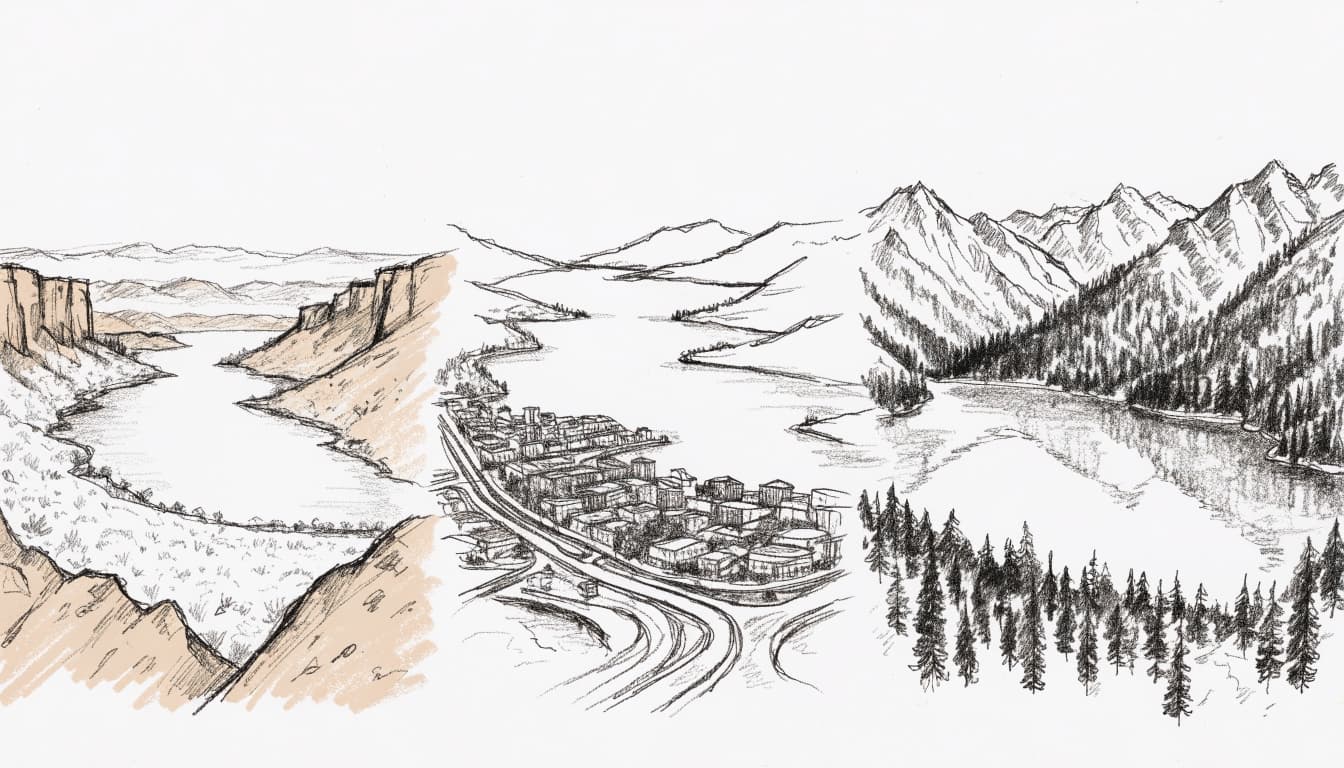
Where Nevada races take place
The Las Vegas and Henderson area offers the state’s strongest mix of city convenience and open-water settings. Athletes can stay near major roads, lodging, and services, then travel to a course outside the urban core. Lake Las Vegas adds a resort-side setting east of Henderson, while Boulder City gives racers access to Lake Mead and its rugged shoreline.
Lake Mead courses feel exposed and spacious, with desert hills and open sky around the water. In contrast, Reno and the Lake Tahoe region bring a more alpine character. Tahoe sits high in the Sierra Nevada, and the lake stretches across the California-Nevada border, so check the exact venue before booking travel. Some events associated with the Tahoe region take place on the California side.
What to know about Lake Las Vegas and Boulder City events
Lake Las Vegas and Boulder City show how varied a southern Nevada race can feel, even when both venues sit near the Las Vegas metro area. Lake Las Vegas combines a contained lake setting with nearby resort access. Boulder City events may use Lake Mead recreation areas, where the surrounding terrain feels more remote and exposed. The Las Vegas TRIathlon race details offer one example of an event connected with Lake Mead.
Race names, distances, venues, and dates can change between seasons. A past listing or familiar event name doesn’t confirm that the same course will run this year. Before making plans, compare the organizer’s current page with USA Triathlon’s event calendar, and confirm the swim location, transition area, road closures, and packet pickup details.
How mountain and high-desert races differ
Northern Nevada and Tahoe-area races often start in cooler air than southern desert events. However, higher elevation can make sustained climbing feel harder, especially for athletes who train closer to sea level. Bike routes may include more elevation change, and mountain weather can shift quickly, so pack for cool mornings as well as warmer conditions later in the day.
Southern Nevada brings a different set of demands. Heat and dry air can raise the cost of pacing mistakes, while exposed roads and shoreline routes offer little shade. As a result, practice hydration and race pacing in warm conditions when possible. In the north, prepare for climbs and cooler starts; in the south, plan around heat and sun. Either way, review the course and current weather before race week, since local conditions can change how the same distance feels.
Choose a Nevada Triathlon Distance That Fits Your Experience
The right race distance depends on more than fitness. Consider how much time you can train, how comfortable you feel in open water, and what you want from race day. Triathlons in Nevada vary by event, so use each race guide to confirm distances, rules, and available formats before you register.
Start with a sprint or super sprint
A super sprint or sprint can be a manageable first step because it asks for less time on the course and usually requires a shorter training build than longer races. A common sprint format includes a 750-meter swim, 20-kilometer bike, and 5-kilometer run, though event distances can differ. Super sprints are typically shorter, but check the organizer’s race guide for exact measurements.
Every standard triathlon follows the same order: swim, bike, then run. You leave the water, move through the first transition to your bike, then switch gear again before the run. Practicing those transitions can help you feel more prepared, even if your pace is still developing.
You don’t need expert-level speed to judge readiness. Aim to swim the planned distance safely, ride comfortably for longer than the course requires, and run or walk-run a distance close to the event’s run leg. If you can train consistently and recover between sessions, a shorter race may be a sensible goal. Open-water comfort matters too, since pool fitness alone doesn’t prepare you for sighting, crowded starts, or changing water conditions.
Choose Your Distance, Duration and Goal Time
Make three quick selections and open the exact plan built for your race target.
Looking for a Fully Personalized Training Plan?
The training plans above are an excellent choice if they match your goal. However, if you’d rather train with a plan built specifically around your current fitness, goal race, preferred training days, weekly mileage, and target finish time, our RDA Custom Training Plans provide a personalized solution. We also have running courses available for runners seeking to run faster from the mile to the marathon.
Why Choose a Custom Training Plan?
| Standard Training Plan | RDA Custom Training Plan |
|---|---|
| Follows a fixed schedule | Built around your schedule |
| Standard weekly mileage | Peak mileage customized for you |
| Fixed workout days | Train on the days you choose |
| Same structure for everyone | Designed around your current fitness |
| Static plan | Updated as your fitness improves |
| One-time purchase | Ongoing personalized coaching and support |
What You’ll Receive
- A training plan built specifically for your goal
- Personalized training paces
- Long runs, tempo runs, threshold workouts, interval sessions, recovery runs, and easy runs
- Peak weekly mileage matched to your experience level
- Flexible training schedule that fits your life
- Ongoing plan adjustments as your fitness improves
Ready to Train Smarter?
Stop guessing and start following a plan built specifically for you, your schedule, and your racing goals.
Build toward Olympic and longer-distance races
Olympic-distance races commonly feature a 1.5-kilometer swim, 40-kilometer bike, and 10-kilometer run. Compared with a sprint, the added time on course calls for stronger endurance, more weekly training, and careful pacing. A USA Triathlon distance guide lists common sprint and Olympic measurements, although individual events may set different courses.
Longer formats require a bigger commitment. A half-distance race, often called a 70.3, combines a 1.2-mile swim, 56-mile bike, and 13.1-mile run. Training needs to include progressively longer sessions, recovery, and practice with fueling and hydration. In Nevada, also account for course elevation, heat, and exposure when deciding whether the workload fits your schedule and experience.
Not every Nevada event offers sprint, Olympic, and half-distance options. Before choosing, read the current race guide for course measurements, cut-off times, terrain, and any distance-specific rules.
Compare individual racing with a relay team
In an individual race, you complete all three legs yourself. A relay lets teammates divide the work: one person swims, another rides, and a third runs. That format can suit friends or family members with different strengths, or someone who wants to experience race-day logistics before taking on every leg.
Relay rules vary. Some events allow teams of different sizes, while others specify how teammates exchange timing chips or move through transition. USA Triathlon describes relay formats in its overview of multisport race options. Check the event’s guide to confirm that relays are offered and learn how the team handoff works.
Find the Right Nevada Race and Register with Confidence
Before registering for a triathlon in Nevada, compare the course, season, race policies, and travel demands side by side. A familiar race name or appealing venue won’t tell you whether the conditions and logistics fit your goals.
Match the course and season to your goals
Start with the swim setting. A protected lake may feel different from a more exposed shoreline, and open-water conditions can affect comfort and pacing. Then study the bike elevation and run terrain. Long climbs, rolling roads, and exposed paths each call for different preparation.
Season matters, too. Southern Nevada races can bring substantial heat, while northern and mountain-area events may have cooler starts and changing conditions. Check typical weather for the event dates, then consider whether your training schedule will let you prepare safely for those conditions. Compare the race distance with your current fitness and available training time, not just your finish-time goal.
Check registration details, safety rules, and included services
Fees and registration deadlines vary by event, so review the current organizer page before budgeting or making travel plans. Read the refund and transfer policy carefully, along with cutoff times, required equipment, and transition procedures. Check what the entry includes, such as aid stations, timing, or post-race services, rather than assuming every event offers the same support.
Also confirm whether the race is sanctioned and which rules apply. USA Triathlon’s multisport rules cover requirements such as legal passing on the bike. The event guide should explain course-specific safety instructions and any additional equipment rules. These details can affect your preparation and race-day decisions far more than the event’s name alone.
Plan travel, lodging, and race-week logistics
Map the trip to the actual venue, not just the nearest city. Some courses require extra driving from major lodging areas, and parking may be limited or restricted on race morning. Check where packet pickup happens, when roads close, and whether you need to collect your materials in person before race day.
If family or friends plan to watch, look for designated viewing areas and confirm how they can reach them. Course access may differ for spectators, especially where roads close or venues sit inside recreation areas. Arriving early gives you time to pick up your packet, review the transition area, and learn key turns without rushing. With the route, rules, and travel plan clear, you can focus on racing rather than solving logistics at the last minute.
Train for Nevada Heat, Elevation, and Open-Water Conditions
Training for a Nevada triathlon means preparing for more than the race distance. Heat, altitude, and open water can change how familiar workouts feel, so build exposure gradually and practice the conditions you expect on race day.
Prepare for sun, dry air, and heat
In hot, dry weather, your body works harder to cool itself, and sweat can evaporate before you notice how much fluid you’ve lost. As a result, your effort may rise at a pace that feels comfortable in cooler conditions. Start with easier sessions in the heat, then increase duration or intensity gradually as you adapt. Avoid treating a single tough workout as proof that you’re ready for race-day temperatures.
Choose cooler parts of the day when possible, wear breathable clothing, and apply and reapply sunscreen as directed. The CDC’s heat safety guidance for athletes covers practical steps for exercising in hot weather. Practice your hydration and fueling plan during training, including what you’ll take on the bike and run. Fluid needs vary with body size, pace, weather, and sweat rate, so avoid copying another athlete’s intake or following a universal prescription.
Adjust to altitude and hilly bike courses
At elevation, breathing can feel harder, and a pace or power output you usually manage may demand more effort. Climbs add another layer: pushing too hard early can leave your legs flat for the run. Include hill work and sustained efforts in training, while keeping most rides controlled enough to recover well. If you can, arrive early and give yourself time to settle in rather than expecting a fixed number of days to guarantee adaptation.
Pay attention to how you feel during the first workouts at altitude, and reduce intensity if the effort feels unusually high. The CDC’s high-altitude travel guidance explains acclimatization and altitude-related health concerns. Follow medical advice when needed, especially if you have a health condition or develop concerning symptoms.
Practice open-water swimming and transitions
Pool fitness helps, but open water adds navigation, changing conditions, and other swimmers. Practice sighting by briefly lifting your eyes to find a fixed landmark, then return to your normal stroke. Swim near others during supervised sessions so race-day proximity feels less surprising. Train with a buddy or an organized group in a designated area, and never swim alone in an unfamiliar lake.
If the event allows wetsuits, practice in one before race day and check how it affects your breathing and shoulder movement. Rules depend on the event and water conditions, so review the USA Triathlon swim rules and the race guide for current gear requirements.
Finally, rehearse the swim-to-bike and bike-to-run changes. Set out your gear in race order, practice removing your cap and goggles, and rehearse mounting and dismounting safely. A few calm, repeated transitions can make race morning feel much more familiar.
Make Race Day Safer and Smoother from Start to Finish
A calm race morning starts with a plan. Lay out your gear the night before, learn the course rules, and make decisions based on current conditions rather than habit. For triathlons in Nevada, heat, wind, elevation, and water conditions can all change the effort required.
Pack gear for the swim, bike, and run
Use the event’s athlete guide as your final checklist. It takes priority over general advice because equipment rules, race-number instructions, and transition procedures can differ by event.
Before leaving home, check that you have:
- Swimwear, goggles, and a wetsuit only if conditions and race rules allow one.
- A roadworthy bike, a properly fitted helmet, and basic repair supplies such as a spare tube, tire levers, and inflation device.
- Running shoes, a race belt or other approved number attachment, sunscreen, and familiar nutrition.
- Any required timing chip, identification, or other items listed in the athlete guide.
Try on your wetsuit and test your nutrition during training, not for the first time at the start line. USA Triathlon explains how wetsuit allowances can depend on water temperature and event rules in its open-water swimming guidance.
Pace the race and protect your energy
Start the swim under control. A fast opening can spike effort before you settle into a steady rhythm, especially in a crowded start or unfamiliar water. On the bike, hold an effort you can sustain instead of chasing every competitor or pushing hard on early climbs.
Then give yourself time to find your running pace. The first miles often feel deceptively easy after the bike, but surging early can make the later miles harder. Heat and elevation add stress, so adjust effort to the conditions, even if that means slowing down.
Follow the fueling and hydration plan you practiced in training, and use aid stations as the event guide directs. If you feel dizzy, confused, unusually weak, or unwell, stop and ask for help rather than trying to push through.
Know the safety basics and when to stop
Check the forecast and the race’s latest updates before race morning. Water temperature, wind, storms, and air quality can affect event plans, so listen for announcements and follow course marshals. On the bike, obey traffic controls, pass only where allowed, and keep your helmet buckled whenever you ride.
Transition details matter, too. USA Triathlon officials remind athletes to buckle their helmets before moving their bikes out of transition in their race-day rules guidance. Follow the instructions of race officials and medical staff, even if they differ from what you expected.
Chest pain, fainting, severe shortness of breath, confusion, or loss of coordination calls for immediate medical attention. Stop, alert an official or volunteer, and follow the medical team’s directions. A finish time never matters more than your health.
Frequently Asked Questions
Planning a race often raises practical questions beyond distance and training. These answers cover event choice, timing, equipment, costs, and travel details to check before you commit.
Are there beginner-friendly triathlons in Nevada?
Yes. When available, super sprint and sprint races offer shorter courses than longer-distance events, while a relay lets teammates split the swim, bike, and run. Before registering, read the organizer’s course description and rules, and check what support is offered, such as aid stations, course guidance, and beginner briefings.
When is triathlon season in Nevada?
Race dates vary by region and event, so there isn’t one season that fits every Nevada course. Heat can affect southern races, while elevation and changing mountain weather shape conditions farther north. Check current event listings and the forecast for your race dates before choosing an event or planning travel.
Do I need a wetsuit for a Nevada triathlon?
That depends on water temperature and the event’s rules. Review the athlete guide for the current wetsuit policy, then practice in the same suit you plan to wear so you know how it fits and feels in the water.
Can I rent a triathlon bike near the race?
Rental options depend on the venue and nearby providers, so contact a shop early rather than waiting until race week. Confirm where and when the bike will be delivered, whether the fit can be adjusted, and what service is available if a mechanical issue comes up.
How much does it cost to enter a Nevada triathlon?
Entry fees vary with race distance, organizer, and registration timing. Check the event page for current pricing, then budget for travel, lodging, equipment, and optional services such as bike rental. These added expenses can make the total trip cost higher than the registration fee alone.
Can I race in Nevada if I am visiting from out of state?
Visitors can generally enter open events if they meet the organizer’s requirements. Before booking, review registration rules, travel plans, and how you’ll transport your equipment. Some races may require a membership or one-day license, so check the event details and USA Triathlon membership information before signing up.
Conclusion
Triathlons in Nevada offer a wide range of settings and race formats, from desert lake courses to mountain-area events. The right race depends on your goals, experience, and comfort with local conditions such as heat, elevation, and open water.
Check current race calendars and event details, then choose a distance that fits your fitness and training time. With a realistic goal and a clear plan, you can prepare for race day with confidence.


