

Triathlons in Mississippi: Magnolia Swims, Muddy Finishes
Before sunrise, humid air hangs over Mississippi as race crews set out cones and quiet roads wait for the first cyclists. At the water’s edge, swimmers gather, caps bright against the early light, while the race-day buzz builds.
Triathlons in Mississippi offer options for different experience levels, but distances, swim formats, locations, and schedules can change each year. Finding the right event means checking current details and choosing a course that fits your fitness, swim confidence, and training time.
With the right preparation, you can train for local weather, plan your triathlons and race-day logistics, and arrive knowing what to expect. Start with these key points, then use them to find an event and build a plan that works for you. Be sure to check out the RunDreamAchieve YouTube channel for weekly running tips.
Key Takeaways
- Triathlons in Mississippi vary by distance, swim format, location, and schedule, so compare event details before registering.
- Choose a race that matches your swim confidence, cycling ability, running base, and available training time.
- Check the course, transition setup, cutoff rules, registration deadlines, and equipment requirements before planning race day.
- Mississippi’s heat and humidity can affect training and pacing, so practice in similar conditions and plan hydration carefully.
- Race calendars change each season. For example, USA Triathlon’s 2026 Coastal Mississippi announcement lists age-group races on March 29.
What Triathlons in Mississippi Are Like
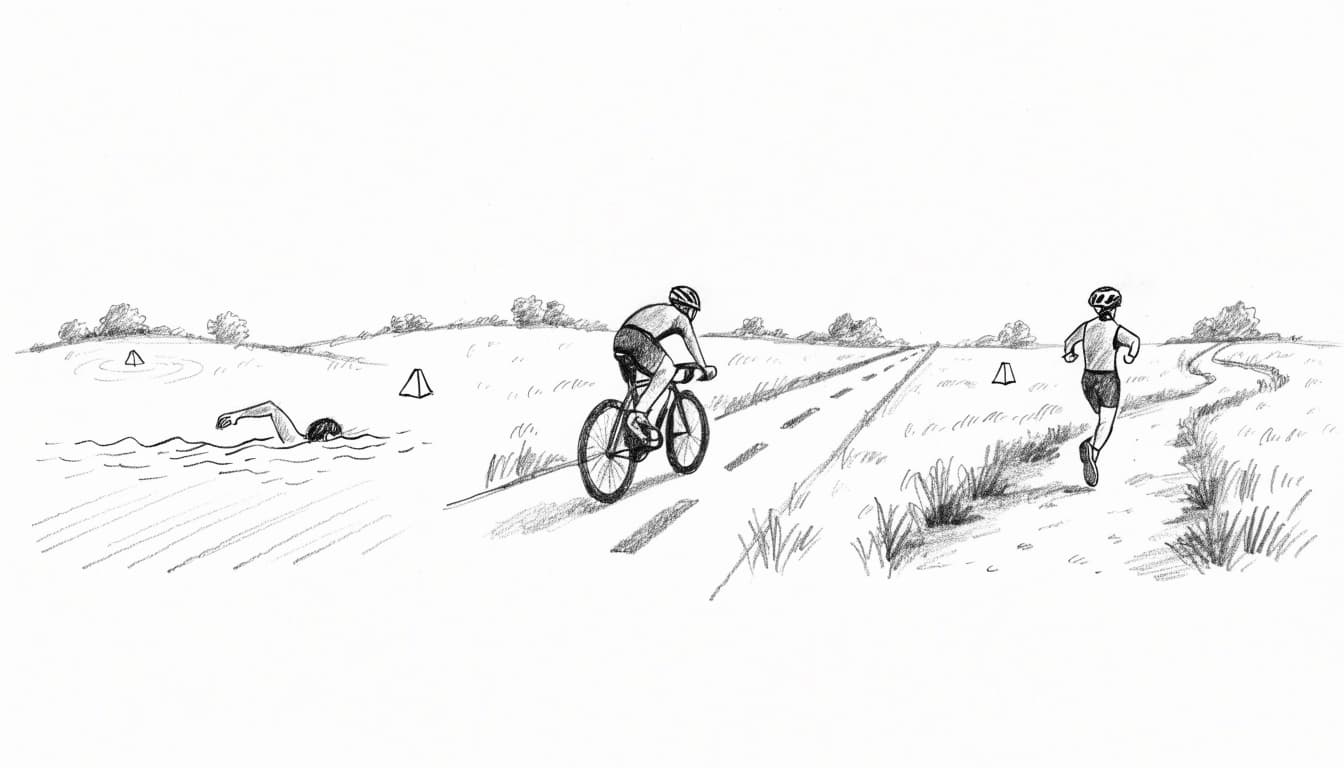
A Mississippi triathlon can feel very different depending on the event. One race may start with a pool swim and stay close to town, while another may send athletes into open water before a long ride on rural roads. The race guide matters as much as the event name: it tells you what the course asks of you and what to expect on race morning.
Choose a distance that matches your experience
Sprint races are a common starting point because they cover shorter swim, bike, and run legs. A typical sprint is about 750 meters of swimming, 20 kilometers of cycling, and 5 kilometers of running. Olympic-distance races roughly double those demands, with a 1.5-kilometer swim, 40-kilometer bike, and 10-kilometer run. However, organizers can adjust distances, so check the event’s published course details. USA Triathlon’s distance guide explains common multisport formats.
Longer events require more training time and steady pacing. Half-distance races often include a 1.9-kilometer swim, 90-kilometer ride, and half-marathon; full-distance races extend those legs further. Confirm each event’s exact distances and cutoff rules before you register.
For a first race, consider more than your running fitness. A strong runner who feels uneasy in open water may prefer a pool swim or a shorter course. Meanwhile, a confident swimmer still needs enough time to prepare for the bike and the run that follows it. Choose a distance that fits your weekly schedule and leaves room to practice all three disciplines, including the transitions between them. If open-water swimming is new to you, USA Triathlon’s beginner guidance offers advice on preparing for that part of the race.
Your next race can be longer if you already handle the current distance comfortably and can build training gradually. A manageable first event gives you a clear baseline for setting a bigger goal.
Expect a mix of water, roads, and changing course conditions
The swim may take place in a lake or other open water, or the event may use a pool. Open-water courses can feel unfamiliar because you may swim alongside other athletes and navigate by sighting landmarks. A pool swim has clearer lane boundaries, but event rules can still affect how athletes enter and complete the course.
On the bike, look for the road surface, elevation changes, traffic controls, and turnaround points. A flat route can reward steady pacing, while rolling terrain calls for controlled effort on climbs and descents. The run may follow pavement, a park path, or a mix of surfaces. Course maps help you spot tight turns, exposed stretches, and sections where footing may change.
Race materials should also explain where aid stations sit, what they provide, and whether athletes may receive outside assistance. Review transition locations and the route between each leg before race day. Course layouts, locations, and schedules can change from year to year, so use the current athlete guide rather than relying on a past participant’s description.
How to Find a Mississippi Triathlon That Fits
A good race choice starts with more than a date on the calendar. Compare the event’s demands with your training, travel plans, and comfort in the water, then confirm the details with the organizer before registering. Annual calendars change, and race formats or policies can shift between seasons.
Compare race dates, locations, and event details
Start by checking current event listings, organizer announcements, and USA Triathlon’s race calendar. Search by date and location, then open the official race page for the latest registration information. A listing can help you find an event, but the organizer’s athlete guide is usually where you’ll find the details needed to make a sound choice.
Before you commit, review the race distance and venue, then study the course maps for each leg. Check whether the swim takes place in open water or a pool, and find out how athletes start. Wave starts, time-trial starts, and mass starts can feel very different, especially for a first-time racer.
Also look for cutoff times, aid-station locations, entry requirements, and equipment rules. Some events may require a particular membership or race-day pass, while others may set age or experience requirements. Read the cancellation and weather policies, too. They explain what happens if conditions force a delay, course change, or cancellation.
Save the organizer’s contact information and confirm key details closer to race day. Schedules and rules can change, so don’t rely on an old calendar entry or a past participant’s account as your final reference.
Choose Your Distance, Duration and Goal Time
Make three quick selections and open the exact plan built for your race target.
Looking for a Fully Personalized Training Plan?
The training plans above are an excellent choice if they match your goal. However, if you’d rather train with a plan built specifically around your current fitness, goal race, preferred training days, weekly mileage, and target finish time, our RDA Custom Training Plans provide a personalized solution. We also have running courses available for runners seeking to run faster from the mile to the marathon.
Why Choose a Custom Training Plan?
| Standard Training Plan | RDA Custom Training Plan |
|---|---|
| Follows a fixed schedule | Built around your schedule |
| Standard weekly mileage | Peak mileage customized for you |
| Fixed workout days | Train on the days you choose |
| Same structure for everyone | Designed around your current fitness |
| Static plan | Updated as your fitness improves |
| One-time purchase | Ongoing personalized coaching and support |
What You’ll Receive
- A training plan built specifically for your goal
- Personalized training paces
- Long runs, tempo runs, threshold workouts, interval sessions, recovery runs, and easy runs
- Peak weekly mileage matched to your experience level
- Flexible training schedule that fits your life
- Ongoing plan adjustments as your fitness improves
Ready to Train Smarter?
Stop guessing and start following a plan built specifically for you, your schedule, and your racing goals.
Look beyond the race listing when choosing an event
A race can match your fitness and still create a tough weekend if travel logistics don’t work. Check driving time, nearby lodging, parking, and whether you need to arrive the day before. In smaller communities, hotel options may be limited, so booking early can reduce last-minute stress.
For beginners, look for a clear athlete guide, pre-race briefing, beginner-focused support, and a course that feels manageable. Field size can affect the swim and transition areas: a crowded start may feel intense, while a smaller race may offer a calmer first experience. If you plan to bring family or friends, check where spectators can watch and whether road closures limit access.
Course character matters as much as distance. A flat bike route may suit steady pacing, while rolling roads favor athletes who handle changes in effort well. Consider pavement, turns, shade, and exposure to heat. A course that fits your strengths can help you race with confidence, but choose one that still gives you room to develop.
Make a short list of two or three Mississippi races, then compare the date, course, travel needs, and event support side by side. USA Triathlon’s state championship information can also help you spot regional events, while each organizer remains the best source for current registration rules. Select the race that fits your schedule and preparation, not just the one with the most appealing name.
Train for Mississippi Heat, Humidity, and Open Water
Mississippi race conditions vary by season, location, and time of day. Warm, humid weather can make familiar training paces feel harder, while an open-water swim adds navigation and crowding to the challenge. Build fitness gradually, practice the conditions you expect, and follow your clinician’s guidance if you have health concerns.
Build swim confidence before race day
Pool sessions help you develop a steady stroke, controlled breathing, and consistent pacing. Practice swimming several lengths without stopping, then add brief sighting checks: lift your eyes just enough to find a landmark before returning your face to the water. If your race uses a pool, review its start format and swim rules as well.
Open water feels different. There are no lane lines to follow, visibility may be limited, and nearby swimmers can disrupt your rhythm. Practice in a supervised, permitted location with a training partner, and stay within the designated area. Wear a brightly colored cap and, where allowed, a visible swim buoy. USA Triathlon’s open-water safety guidance recommends visible gear and avoiding areas with motorized boats.
Start with short, relaxed swims and practice sighting toward a fixed landmark. As you grow comfortable, swim near another athlete to get used to passing and sharing space, without making contact or pushing beyond your ability. Never swim alone or assume a familiar lake has safe conditions every day.
Adjust bike and run training for warm weather
Give your body time to adjust to heat. Add warm-weather sessions gradually, keeping the first efforts easy and shortening or slowing workouts when conditions feel more demanding than expected. Choose early morning or evening when practical, and check local forecasts and heat advisories before heading out.
Use a pace you can sustain rather than trying to match cool-weather splits. Humidity can make it harder for sweat to cool your body, so practice drinking during training and learn what works for you before race day. The CDC’s guidance for athletes in hot weather advises drinking more water than usual and not waiting until you’re thirsty.
Wear breathable clothing, apply sun protection, and plan routes with shade or places to stop. Pay attention to how you feel; if you develop symptoms such as dizziness, unusual weakness, nausea, or confusion, stop exercising and seek help. Weather can shift quickly, so adjust the session rather than forcing a planned pace. If you have a medical condition or questions about exercising in heat, ask your clinician for advice that fits your health needs.
Practice transitions and train all three sports
A balanced plan includes regular swim, bike, and run sessions, with recovery days and strength or mobility work that supports your routine. Keep most workouts at a manageable effort, then build duration or intensity gradually. Consistency across all three sports prepares you better than trying to make up missed sessions with one exhausting workout.
Occasional brick workouts, in which you bike and then run briefly, teach your legs to handle the change in movement. Keep the first run short and controlled. You can also rehearse the transition itself: set out your shoes, helmet, and other permitted gear, then practice moving from one leg to the next in the order your race requires.
These rehearsals make race-day tasks familiar. You will know where your equipment sits, how to leave transition, and what you need before starting the next leg. Check the athlete guide for event-specific rules, since transition layouts and procedures differ among triathlons in Mississippi.
Prepare for Race Day and Enjoy the Experience
A smooth race morning starts before you reach the venue. In the final week, confirm your gear, travel plans, and the organizer’s latest instructions. Then keep race day simple: arrive with time to set up, start at a controlled pace, and adjust if conditions change.
Pack the essentials and check your equipment
Lay everything out a few days ahead, then inspect it before packing. Check that your bike shifts and brakes work, your tires hold air, and your helmet fits securely. Pack only equipment allowed by the event, since rules can differ by race.
Use this checklist as a starting point:
- Bring a working bike and a properly fitting helmet.
- Pack your swimwear, goggles, and swim cap, if the event provides one.
- Set out running shoes and race clothing suited to the forecast.
- Include familiar nutrition, filled water bottles, sunscreen, and a towel or transition mat.
- Add any required race documents, timing chip, or other items listed in the athlete guide.
During race week, test anything that needs charging or adjustment, including a bike computer or watch. Avoid new shoes, clothing, equipment, and food on race day. Familiar gear and nutrition are less likely to surprise you when the course gets demanding.
Plan travel, costs, and the morning schedule
Build a simple budget for registration, travel, lodging, equipment, and any required membership or one-day fee. Requirements and prices vary, so check the current event page and the organizer’s instructions. USA Triathlon’s membership information explains membership options, but individual events may set different requirements.
Before leaving home, confirm where to park, when check-in opens, how to collect your packet, and when athletes may enter transition. Review the start time and route from parking to the venue. If packet pickup takes place the day before, plan around its hours rather than assuming race-morning pickup is available.
The evening before, pack your gear and set out breakfast and clothing. In the morning, leave enough time for parking, check-in, a calm transition setup, and a brief warm-up. Keep your schedule flexible in case traffic, weather, or event procedures cause delays.
Pace yourself and follow event safety guidance
Race-day excitement can make the opening minutes feel easier than they are. Start the swim under control, settle into a steady effort on the bike, and begin the run at a pace you can maintain. Use only fueling you practiced in training, and follow your plan for drinking in warm conditions.
At transition, arrange your equipment within the space and follow any limits on what you can leave there. During each leg, watch course signs and listen to officials. If a marshal or volunteer gives directions, follow them promptly, even when the route differs from what you expected.
Swim starts, course rules, and weather plans vary across triathlons in Mississippi. Attend the athlete briefing, read any race-day updates, and follow the organizer’s instructions. If conditions change, stay calm and adapt to the announced plan; safety guidance takes priority over your target time.
Frequently Asked Questions
A few practical questions can shape your race choice as much as the course itself. Use the answers below as a starting point, then confirm event-specific details with the organizer before race day.
Are there beginner-friendly triathlons in Mississippi?
Yes, but “beginner-friendly” depends on more than a short distance. Check whether the swim is in a pool or open water, what support and aid stations the event provides, and whether the cutoff times suit your pace. Also review the course, start format, and rules before registering. If anything is unclear, contact the organizer and ask what a first-time athlete should expect.
When is triathlon season in Mississippi?
Race dates vary by year and organizer, so there isn’t one fixed season calendar. Check current race calendars to find possible events, then confirm the date on the official event page before making travel plans. Weather also varies across the season: an early spring race may feel very different from a later event, especially during the swim and run. Review the forecast and organizer updates as race day approaches.
Do I need a USA Triathlon membership to race?
That depends on the event and whether it is sanctioned by USA Triathlon. Some races may require an annual membership, while others may offer a one-day option; requirements can also differ by race category. Before paying, read the current registration page and athlete guide to see what applies to your entry. For sanctioned events, review USA Triathlon’s multisport rules alongside the organizer’s instructions.
Can I enter a triathlon if I am not a strong swimmer?
You need enough swim ability to complete the distance safely, even in a short race. Build confidence in a pool or supervised open-water setting before you register, and practice staying calm while swimming continuously. Then choose a race whose swim format, distance, and on-water support fit your current ability. USA Triathlon’s open-water swimming safety guidance can help you prepare for conditions that differ from lane swimming.
How much does it cost to do a triathlon in Mississippi?
Your total depends on more than the entry fee. Budget for travel, lodging, equipment, and any required membership or one-day fee, then check the current event page for exact prices and deadlines. Costs can change by event and registration period, so avoid relying on a past season’s fee. If you’re comparing races, include the full weekend cost, not just the price shown at checkout.
What should I do if race-day weather is very hot or stormy?
Check the organizer’s updates before leaving and keep monitoring official announcements at the venue. Heat, lightning, or other unsafe conditions can lead to delays, course changes, or cancellation, so follow the event’s instructions rather than relying on assumptions. Adjust your effort conservatively, and don’t start or continue if you feel unwell or unsafe. Officials make the final call on event operations; follow their directions promptly.
Conclusion
Triathlons in Mississippi can be a rewarding goal for beginners and experienced athletes alike. The best experience starts with a race that fits your abilities and schedule, plus training that prepares you for local heat, humidity, and the course’s swim format.
Before race day, review the event guide, organize your gear, and practice the transitions you’ll make between sports. Then choose one concrete next step: find a current Mississippi race listing or begin a steady training plan. With a suitable event and thoughtful preparation, you can approach the start line ready to make the most of your race.


