

Triathlons in Louisiana: Bayou Swims, Big Finishes
Race morning in Louisiana begins with warm, humid air, flat roads, and athletes gathering to prepare for the swim, bike, and run. Whether you’re considering your first sprint or have years of racing behind you, you can find events suited to different goals and experience levels.
However, courses and race calendars change from year to year, so check current event details before making plans. The right triathlon race depends on more than distance: swim conditions, road routes, weather, and your training schedule all matter. Here’s how to compare race formats, find current events, prepare for local conditions, and build a plan that gets you to the start line ready. Be sure to check out the RunDreamAchieve YouTube channel for weekly running tips.
Key Takeaways
- Triathlons in Louisiana vary by distance, venue, and season, so choose a race that fits your experience and training calendar.
- Check current event details before registering, since race dates, course layouts, and swim conditions can change from year to year.
- Louisiana’s heat and humidity affect pacing and hydration, so practice race-day fueling and train in warm conditions when safe.
- Review the swim, bike, and run routes in advance, then prepare for local terrain, including flat stretches and exposed roads.
- Learn the event’s transition procedures and USA Triathlon’s multisport rules before race morning.
What to Expect from Triathlons in Louisiana
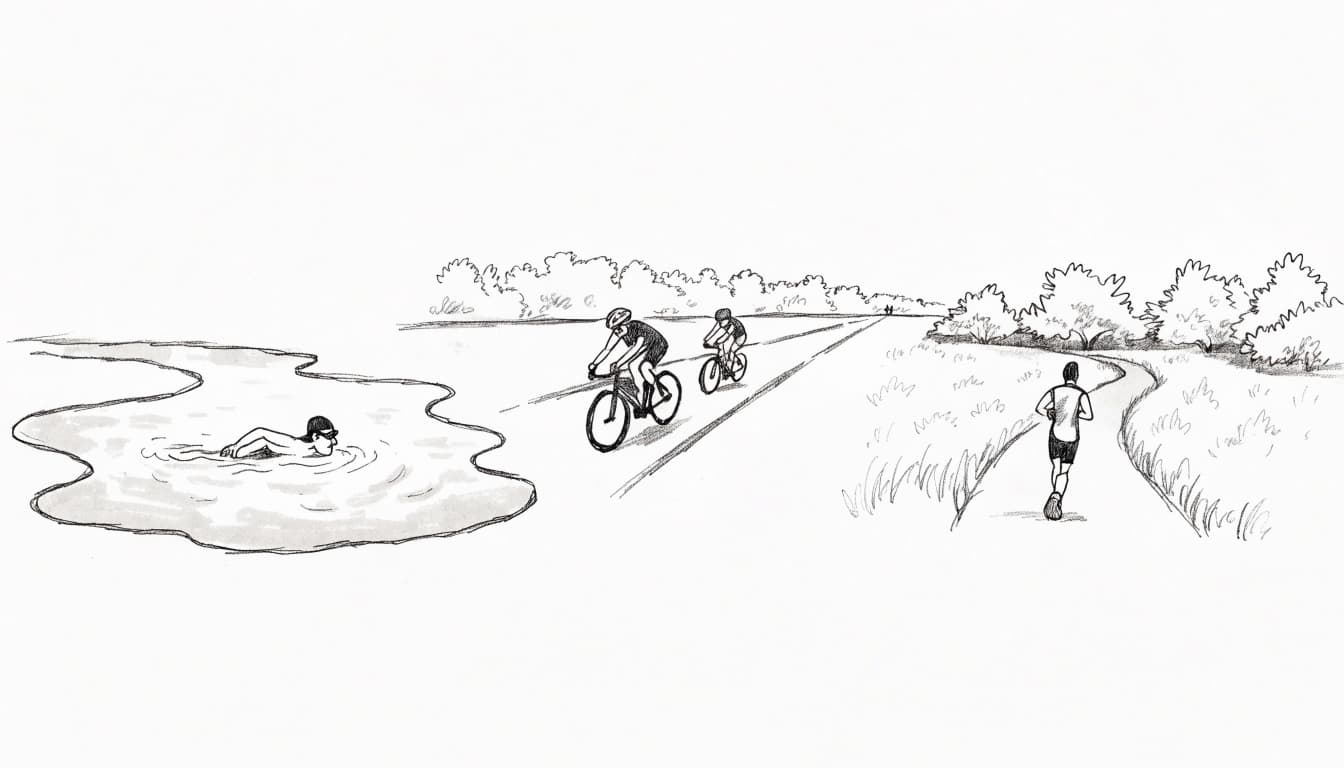
Triathlons in Louisiana follow the same basic sequence: swim, bike, then run. The experience changes with each venue, though. One event may start in a pool and use city streets, while another may swim in a lake and send athletes onto rural roads.
From pool swims to open-water starts
A pool swim usually divides athletes by lane, with swimmers starting at intervals or sharing lanes. The walls offer clear turns and a familiar reference point, so pacing can feel more controlled. In open water, athletes may start together, in waves, or one at a time. There are no lane lines, and swimmers must sight toward buoys to stay on course.
Water comfort matters, too. Open-water races can feel different because of visibility, temperature, and contact with other swimmers. If your event uses a lake or another open-water venue, practice sighting and swimming without a wall to push off. USA Triathlon offers open-water swim training advice.
Before race day, read the athlete guide for the exact swim venue, start format, course markers, and rules. Those details can vary between events and may change from year to year.
A race can feel very different from one parish to another
The bike and run routes shape the rest of the day. An urban course may pass through neighborhoods or business districts, while a park setting can keep the route on paved paths. Lake venues may combine open roads with quieter stretches, and rural courses can include long, exposed sections.
Road access also varies. Some events close roads to traffic; others use open roads or partially controlled routes. Terrain, turns, pavement quality, aid-station placement, and course support depend on the specific event. A flat profile does not always mean an easy ride or run, especially when heat, humidity, or limited shade affect effort.
Check the current course map and athlete guide before registering. Then consider whether the route matches your experience, comfort around traffic, and training plan. That gives you a clearer picture of the race than assuming one Louisiana course represents them all.
Choose a Triathlon Distance That Fits Your Goals
Choosing a race distance is about more than how far you can swim, bike, and run. Consider how much time you can train, whether you want an approachable first event or a longer challenge, and how much recovery your schedule allows. In Louisiana, check the current race calendar and course details before committing, since race formats and offerings can change.
Sprint and super-sprint races make a friendly first step
A super-sprint often uses shorter versions of all three legs, while a sprint commonly covers about a 750-meter swim, 20-kilometer bike ride, and 5-kilometer run. Exact distances vary, especially for super-sprints, so use the event’s published course details rather than relying on the label alone. USA Triathlon lists common formats in its guide to multisport formats and distances.
These shorter races can suit first-time triathletes, athletes returning to multisport, or anyone who wants a focused challenge without committing to long-course training. Still, a shorter event includes three distinct sports and two transitions. Practice swimming, cycling, and running, then rehearse moving from the swim to the bike and from the bike to the run. Even a modest transition can feel unfamiliar on race day if you have never practiced it.
Olympic-distance races ask for more steady endurance
An Olympic-distance triathlon commonly includes a 1.5-kilometer swim, 40-kilometer bike ride, and 10-kilometer run. The longer effort calls for controlled pacing: starting too hard in the swim or bike can leave you struggling to maintain a steady run.
Training should build endurance across all three sports and include workouts that help you adjust to the bike-to-run transition. Fueling also matters more as race time increases. Test what you plan to eat and drink during training, and follow the event’s guidance for aid stations and course support. A distance alone cannot determine readiness; your preparation, health, and ability to complete the course comfortably all matter.
Long-course events need a bigger plan
Half-distance races typically involve a 1.9-kilometer swim, 90-kilometer bike ride, and 21.1-kilometer run. Full-distance races roughly double those legs. Both require a longer training build, more recovery time, and careful planning for equipment, travel, and race-day logistics.
Fueling practice becomes especially important over these hours of effort. Test your nutrition and hydration plan in training, including how your stomach responds while riding and running. Before building toward a long-course event, confirm that it is currently offered in Louisiana. A race that appeared on a past calendar may no longer be active, and current course details can change from one edition to the next.
Where to Find Triathlons Around Louisiana
Finding a suitable race takes more than searching for “triathlons in Louisiana.” Start with a region, then check whether an event is active and whether its course and logistics fit your plans. Race calendars change, so treat older listings as leads, not confirmation.
Choose Your Distance, Duration and Goal Time
Make three quick selections and open the exact plan built for your race target.
Looking for a Fully Personalized Training Plan?
The training plans above are an excellent choice if they match your goal. However, if you’d rather train with a plan built specifically around your current fitness, goal race, preferred training days, weekly mileage, and target finish time, our RDA Custom Training Plans provide a personalized solution. We also have running courses available for runners seeking to run faster from the mile to the marathon.
Why Choose a Custom Training Plan?
| Standard Training Plan | RDA Custom Training Plan |
|---|---|
| Follows a fixed schedule | Built around your schedule |
| Standard weekly mileage | Peak mileage customized for you |
| Fixed workout days | Train on the days you choose |
| Same structure for everyone | Designed around your current fitness |
| Static plan | Updated as your fitness improves |
| One-time purchase | Ongoing personalized coaching and support |
What You’ll Receive
- A training plan built specifically for your goal
- Personalized training paces
- Long runs, tempo runs, threshold workouts, interval sessions, recovery runs, and easy runs
- Peak weekly mileage matched to your experience level
- Flexible training schedule that fits your life
- Ongoing plan adjustments as your fitness improves
Ready to Train Smarter?
Stop guessing and start following a plan built specifically for you, your schedule, and your racing goals.
Search across New Orleans, Baton Rouge, Lafayette, and North Louisiana
Use New Orleans, Baton Rouge, and Lafayette as search starting points, then broaden your search to nearby parishes and North Louisiana. These regions can help you spot events within a workable drive, but a city search does not guarantee that it currently hosts a race.
Compare the full trip, not just the race location. A nearby event may require an early start or an overnight stay, while a farther race could have convenient lodging close to the venue. Check drive time, parking, and lodging availability before choosing a race that looks appealing on a calendar.
Check official calendars, clubs, and race pages
Begin with the USA Triathlon Events Calendar, then look for local triathlon clubs and regional multisport groups. Club websites and social channels can point you toward events, training groups, and local updates. Use those posts to find possibilities, then confirm details with the race organizer.
Before making plans, verify the current year, registration status, venue, and published distances on the organizer’s website or social channels. Look for the athlete guide, too. It often includes race-day schedules, parking instructions, transition rules, and course information. If registration is closed or the official page has no current details, contact the organizer before booking travel.
Read the course details before you commit
A race name can stay online after an event changes venue, format, or status. Old search results may also point to a past edition, so confirm that the current listing matches the organizer’s latest information.
Review the swim setting and start format, then study the bike route for road closures, traffic exposure, and elevation. Check where aid stations sit, how transition connects to the courses, and where athletes can park. These details affect both your preparation and race-day timing. If a course map or athlete guide is missing, ask the organizer for current information before registering.
Prepare for Louisiana Heat, Humidity, and Open-Water Conditions
Conditions can vary by venue and season, but heat, humidity, storms, and open water all deserve a place in your race plan. Check event guidance and local conditions as race day approaches, then adjust your training and decisions accordingly.
Train for heat without rushing the adjustment
In hot, humid weather, a familiar pace can feel much harder because your body must manage both exercise and heat. Slow down when needed, especially during your first warm-weather sessions, and build exposure gradually rather than trying to force your usual pace.
Whenever possible, train in cooler morning hours or choose shaded routes. Bring fluids and practice your race-day hydration plan during workouts, since your needs can change with the conditions and effort. The CDC’s guidance for athletes in the heat recommends stopping activity if you feel faint or weak. Follow event instructions if organizers adjust start times, course length, or other plans because of heat.
Practice open-water skills in safe, approved places
A lake swim calls for skills that a pool cannot fully reproduce. Practice lifting your eyes to sight toward a marker, holding your line near other swimmers, and entering and exiting in ways that match the race venue. Choose a permitted swimming area, and go with a buddy or supervised group rather than swimming alone.
A bright swim buoy can make you easier to see during training, but first check whether the location allows one. Race rules may differ, too, so consult the athlete guide before bringing a buoy into competition. Before each swim, check local water advisories and event updates. If conditions are unsafe or an advisory warns against swimming, stay out.
Plan for rain, storms, and changing race conditions
Louisiana weather can shift quickly, and organizers may delay, shorten, reroute, or cancel a race when conditions create a safety concern. Read the event’s weather policy before race weekend, then monitor official event channels for updates rather than relying on old schedules or social posts.
Lightning is a reason to leave the water and seek proper shelter, not a cue to hurry through the swim. The National Weather Service advises athletes and event officials to take lightning seriously during outdoor sports. Review its lightning safety guidance for sports, and follow race staff instructions. Unsafe water, strong weather, or a changed course can alter the day; don’t take risks to preserve a planned workout or finish time.
Build a Training Plan That Balances Swim, Bike, and Run
A useful triathlon plan fits your current fitness and weekly schedule, then builds each sport gradually. For Louisiana races, include practice in warm, humid conditions when it’s safe, while keeping recovery and race-specific skills on the calendar.
Start with consistency and your current fitness
Before choosing workouts, review what you’ve done recently. How often do you swim, ride, or run? Can you complete each sport comfortably, or are you returning after a break? Your answers can help you choose a suitable race distance and a realistic starting point. USA Triathlon’s beginner guide to getting started offers a useful overview for new athletes.
Build gradually instead of trying to train hard in all three sports at once. A beginner might start with two sessions in a sport that needs attention and one or two in the others, with at least one rest day. Adjust that pattern to fit your experience, work and family commitments, and recovery needs. A suitable training plan or coach can help you balance the workload, especially if you’re unsure how to increase training safely.
Practice transitions and race-day pacing
Transitions are skills, too. Set up your gear in order, then rehearse moving from the swim to the bike and organizing your equipment efficiently. During a bike workout, add a short, easy run afterward so your legs can get used to the change in effort.
Keep the first brick sessions short and controlled. On race day, follow your own effort rather than chasing another athlete’s pace; starting too fast can make the run much harder. Practice at a steady effort you can repeat, and follow the event’s instructions for transition layout and equipment.
Use fueling and recovery as part of the plan
Test food and fluids during training, particularly on longer sessions and warm days. Follow product labels and the race’s rules, and avoid new foods, drinks, or supplements on race day. USA Triathlon shares fueling guidance for each discipline.
Sleep, rest days, and easier workouts help you absorb training. In Louisiana heat and humidity, reduce effort or shorten a session when conditions feel too demanding. If you feel unwell, stop and recover rather than forcing the workout. A plan that accounts for rest and weather is more useful than one that simply fills every available day.
Register, Budget, and Make Race Day Easier
Once you’ve chosen a race, registration is only the first step. Build a practical budget, read the event instructions, and sort out travel and equipment before race week. A little preparation can keep small logistics from taking attention away from the swim, bike, and run.
Understand registration costs and what they include
Entry fees can vary by race distance, registration timing, and event policies. Before paying, check what the fee covers. Some events include chip timing, a race shirt, meals, parking, or a one-day membership; others charge separately or offer these items only with certain registration options. If the event requires a USA Triathlon membership or one-day license, review the current membership options and confirm the race’s requirements.
Set aside separate funds for travel, lodging, meals, and gear. You may also need to account for bike transport, parking, or an extra night near the venue if the start time requires an early arrival. Add these categories before committing, so the total cost reflects the full trip rather than the entry fee alone.
Pack for the venue and review race rules
Use the athlete guide as your packing and logistics reference. It should outline required equipment, transition rules, check-in times, parking instructions, and any limits on what you can bring. Rules differ by event, so don’t assume the setup will match another race.
Pack swim goggles, a properly fitting bike helmet, cycling shoes if you use them, running shoes, and clothing suited to the forecast. Add any required nutrition, water bottles, and race-specific equipment listed by the organizer. Check your bike before travel, too, and bring basic repair supplies if the event guide recommends them.
Keep race morning calm and focused
Arrive early enough to park, check in, and set up transition without rushing. Arrange your gear in the order you’ll need it, then take a moment to locate the swim start, bike exit, and run route. Warm up only in areas and at times allowed by the event.
During race week, confirm your start time and parking plan, prepare your gear, and check official event updates for weather or schedule changes. On race morning, listen for organizer announcements and follow staff directions, especially around the swim and transition area. Give other athletes room, stay patient if lines form, and keep safety ahead of pace. The shared energy of race day is part of what makes triathlons in Louisiana memorable, so leave space to enjoy it.
Frequently Asked Questions
A few practical details can affect your race choice and preparation as much as distance or training. Because policies vary between events, use the current athlete guide as your final reference.
Do I need an expensive road bike to enter a Louisiana triathlon?
You generally don’t need a high-end bike to take part, but your bike must be safe and meet the event’s rules. Before registering, check the athlete guide for equipment restrictions and whether the course suits your bike. USA Triathlon’s overview of essential multisport equipment lists a bike, helmet, and shoes among the basics.
Can I wear a wetsuit during the swim?
Wetsuit rules depend on water temperature and the event’s regulations. USA Triathlon notes that age-group athletes can wear wetsuits at most races in water up to 83 degrees, with thickness limits; however, that doesn’t guarantee every race will allow one. Check the race guide and USA Triathlon’s wetsuit guidance before packing yours.
What happens if I miss a course cutoff time?
Cutoff times and enforcement vary by race. If you miss one, organizers may remove you from the course or stop you from continuing, so check the athlete guide for each leg’s time limit and any intermediate checkpoints. Contact the race director if the rules aren’t clear, especially when you’re choosing a longer event.
Can I transfer my registration if I can’t race?
Some events allow transfers or deferrals, while others don’t; deadlines and fees can also differ. Read the registration terms before paying, and contact the organizer promptly if your plans change. Don’t assume you can transfer your entry to another athlete or carry it over to next year’s race.
How can I tell whether a race course is a good fit for me?
Look beyond the distance and review the swim setup, bike route, run surface, elevation, and cutoff times. Then compare those details with your current fitness and comfort around open water or traffic. If the course map or athlete guide leaves key questions unanswered, ask the organizer before you register.
Conclusion
The best triathlon in Louisiana is one that fits your experience, schedule, and goals. Choose a current event, then prepare for its specific swim, bike, and run course, along with the weather and conditions you may face on race day. Steady training and careful planning help turn a race on the calendar into a realistic goal.
Check an official race listing, choose a distance that suits you, and take your first training step. Whether you’re preparing for a short first race or building toward a longer event, a thoughtful start can make the journey to the finish line more rewarding.


