

Triathlons in Idaho: Mountain Lake Swims, Wild Finishes
Cool mountain lakes, open desert roads, and welcoming small-town events give Idaho triathlons a character all their own. The right race can suit a first-time athlete testing the waters or an experienced competitor looking for a new course, but conditions vary widely across the state.
Use this triathlon race guide to find Idaho races worth researching, choose a distance that fits your goals, and prepare for local weather, elevation, and terrain. You’ll also find practical tips for registration and race-day planning, so you can focus on the course ahead. Be sure to check out the RunDreamAchieve YouTube channel for weekly running tips.
Key Takeaways
- Idaho triathlons range from beginner-friendly sprint events to longer races, so choose a distance that matches your experience and training time.
- Course conditions vary across the state. Check elevation, terrain, water temperature, and typical weather before building your race plan.
- Train for all three disciplines, then practice transitions and race-day pacing on terrain similar to your event.
- Race calendars change, so use USA Triathlon’s event search to explore races by location, distance, and format. Confirm event details before registering.
Why Triathlons in Idaho Are Worth the Trip
Triathlons in Idaho offer a course experience shaped by the place, not just the distance. Athletes can race near mountain lakes, along open roads, and through communities that range from small towns to larger cities. That variety makes it important to choose a venue that fits your goals and preparation.
From alpine lakes to high-desert roads
A swim in a mountain lake can feel very different from one at a lower-elevation venue. Water temperature, altitude, and exposure affect how the opening leg feels, so check the race’s swim location and conditions before race day. On the bike, a route may cross rolling farmland or climb exposed roads, while the run might follow a riverside path or wind through town.
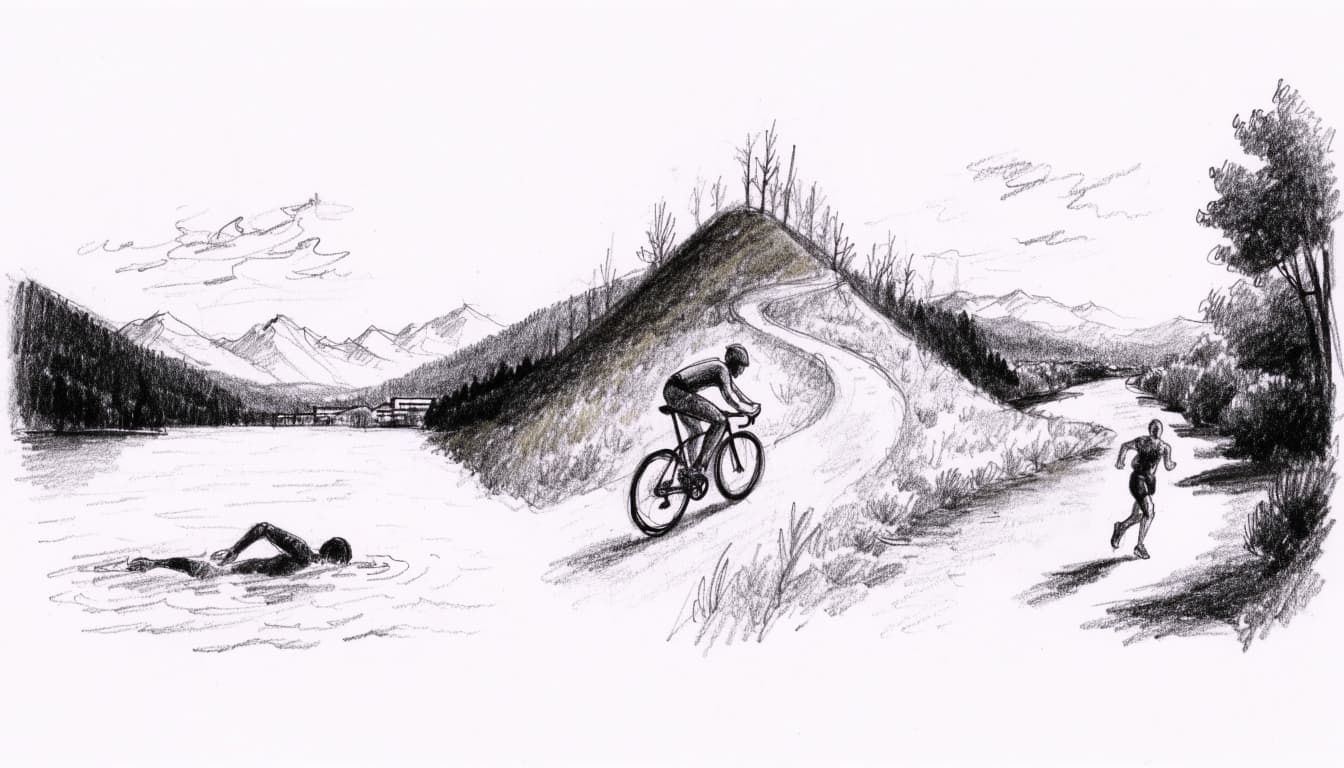
Idaho’s elevation changes shape both its weather and its terrain. The Idaho State Climate Summary notes that wide elevation ranges affect regional precipitation. Around Boise, the National Weather Service’s local climate summary describes a high-desert temperature pattern, with cooler nights. Conditions can differ elsewhere, so don’t assume every course is flat, shaded, or cool. Review the elevation profile, surface, shade, and typical race-day weather for the specific venue.
A welcoming way to try multisport racing
Idaho events can appeal to athletes at different stages. A first-timer may prefer a shorter race with manageable logistics, while an experienced triathlete might seek a longer distance or a course that tests climbing and pacing. Local events can also bring athletes into close contact with volunteers and spectators, especially in smaller communities. Larger host cities may offer different travel options and more services nearby.
Before registering, check the event’s format as well as its distance. Some races offer sprint or other shorter options, and some allow relay teams, so you can share the swim, bike, and run with teammates. Those choices can make a first race feel more approachable without limiting future goals. For returning athletes, a new venue provides a reason to adjust training and test race plans against different terrain.
The best Idaho race is the one that matches your current fitness and the conditions you want to take on. Compare course details, then plan your training around the actual venue rather than assumptions about the state.
Idaho Triathlon Races to Put on Your Radar
Race calendars can change, so treat event names as starting points for research, not guarantees of a future race. Check the organizer’s current information for dates, distances, venue, course conditions, and registration before you build a training plan.
Spudman Triathlon in Burley
The Spudman Triathlon is a well-known Idaho race to investigate in Burley. Its event and course pages currently describe Olympic and sprint options, with a swim in the Snake River. Before you commit, review the Spudman course details for the latest route information, then check the official Spudman event page for registration, venue logistics, and current race details.
Pay close attention to how the swim course works, where transition is located, and whether the bike and run routes have changed. River conditions and event procedures can affect race-day planning, so use the organizer’s latest updates rather than relying on an old recap or a previous year’s schedule.
Choose Your Distance, Duration and Goal Time
Make three quick selections and open the exact plan built for your race target.
Looking for a Fully Personalized Training Plan?
The training plans above are an excellent choice if they match your goal. However, if you’d rather train with a plan built specifically around your current fitness, goal race, preferred training days, weekly mileage, and target finish time, our RDA Custom Training Plans provide a personalized solution. We also have running courses available for runners seeking to run faster from the mile to the marathon.
Why Choose a Custom Training Plan?
| Standard Training Plan | RDA Custom Training Plan |
|---|---|
| Follows a fixed schedule | Built around your schedule |
| Standard weekly mileage | Peak mileage customized for you |
| Fixed workout days | Train on the days you choose |
| Same structure for everyone | Designed around your current fitness |
| Static plan | Updated as your fitness improves |
| One-time purchase | Ongoing personalized coaching and support |
What You’ll Receive
- A training plan built specifically for your goal
- Personalized training paces
- Long runs, tempo runs, threshold workouts, interval sessions, recovery runs, and easy runs
- Peak weekly mileage matched to your experience level
- Flexible training schedule that fits your life
- Ongoing plan adjustments as your fitness improves
Ready to Train Smarter?
Stop guessing and start following a plan built specifically for you, your schedule, and your racing goals.
Races around Boise and the Treasure Valley
In the Boise area, look up the YMCA Treasure Valley Triathlon and compare its current format with other local listings. The YMCA’s Treasure Valley Triathlon page provides organizer information, while a Boise and Treasure Valley race calendar can help surface events in Boise, Nampa, and Meridian. The Magic Man Multi-Sport Event is another name to investigate; check its event page for current details.
Also search current calendars for Lake Lowell-area events, since local listings may include races nearby in some years. Names, organizers, dates, and race formats can shift, so confirm that a listing is active and that the venue matches your expectations.
Coeur d’Alene, McCall, and other regional options
For northern Idaho, search by location as well as by the word “triathlon.” Coeur d’Alene is a useful starting point, while McCall can help you find events in central Idaho. Neither location should be treated as a promise that a race is currently scheduled there.
Once you find a candidate, compare the swim venue and likely water conditions with your experience and gear. Then review the bike and run routes, elevation, surface, and transition setup. Travel time, lodging, and access to the venue also matter, especially for an early start. The USA Triathlon event search can help you locate sanctioned races, but confirm dates and registration with the event organizer.
Choose the Right Idaho Triathlon Distance and Course
The right race depends on more than how far you want to go. Match the distance and course to your current fitness, multisport experience, available training time, and travel plans. A scenic destination race may sound appealing, but its terrain and logistics should fit the preparation you can manage.
Start with a sprint or try a relay
A sprint is a manageable first step for athletes who want to experience all three disciplines without committing to a long training block. Sprint races often include a shorter swim, bike, and run than Olympic-distance events, though organizers set their own measurements. You can learn how transitions work, practice pacing, and discover what race morning feels like.
A relay can make the first event more accessible. Teammates divide the swim, bike, and run, with each person completing one leg before passing the timing chip or other required item. Check the event rules before forming a team, since relay formats, eligible team sizes, and exact distances differ by race.
Build toward Olympic, half-distance, or longer races
An Olympic-distance triathlon commonly includes a 1.5-kilometer swim, 40-kilometer bike, and 10-kilometer run. A half-distance event, often called a 70.3, roughly doubles those legs. Full-distance races add a marathon run and much longer swim and bike portions. USA Triathlon’s distance overview explains common race categories, but individual events may adjust their courses.
As the distance grows, so does the time needed for endurance training and recovery. Consider your work and family schedule, recent training, and experience with open-water swimming and long rides. Choose a goal that gives you enough time to prepare consistently, rather than picking a finish line based on ambition alone.
Read the course details before you register
A race’s advertised distance doesn’t tell you how demanding it will feel. A flat route can reward steady pacing, while hills, sharp turns, rough pavement, or exposed roads can add strain. Idaho’s elevation and weather also vary by location, so compare the specific venue with your training conditions.
Before registering, review the elevation profile, road surface, turn layout, aid-station locations, and time cutoffs. For the swim, check expected water temperature and the event’s wetsuit rules. Also confirm whether the bike leg is draft-legal, since that affects equipment and race strategy. These details help you choose a course that fits your skills, plan travel and lodging, and arrive prepared for the conditions.
Train for Idaho’s Water, Hills, and Changing Weather
Training for triathlons in Idaho means preparing for the conditions at your chosen venue, not just the distance. Water temperature, elevation, exposed roads, and shifting weather can all change how a familiar pace feels.
Practice open-water swimming before race day
If possible, practice in open water with a supervised group or at a venue that allows organized swim sessions. Work on sighting by lifting your eyes briefly to find a landmark, and swim near other athletes so race-day contact feels less surprising. Also get comfortable entering and exiting at the actual type of shoreline or ramp you may encounter.
For beginner-friendly safety guidance, review USA Triathlon’s open-water swimming tips. Water temperatures and safety rules vary by venue, so check the event’s current guidance before choosing a wetsuit or planning a practice swim. Never swim alone, and use a visible swim buoy where local rules allow.
Prepare for hills, wind, and altitude
On Idaho’s rolling or hilly routes, steady effort matters more than holding the same speed on every climb. Wind can slow the bike even when the road looks flat, while elevation may make hard efforts feel tougher than they do at home. Train by effort as well as pace: ease off on climbs, keep your cadence controlled, and avoid surging to chase a target speed.
Whenever possible, ride and run on terrain that resembles your course. Practice handling turns and descents on the bike, and build run durability with consistent easy mileage before adding harder work. Since some venues have warm afternoons and cool early starts, bring layers to training and test how your body responds to heat. Check the forecast close to race day, then adjust clothing and pacing rather than relying on a single seasonal average.
Use bricks and rehearse your race-day gear
A brick workout pairs a bike session with a short run soon afterward. Even an easy transition run helps your legs adjust to the first awkward minutes off the bike, when your stride may feel unfamiliar. Keep early bricks controlled, then practice at a pace you can sustain.
Use these sessions to test your clothing, nutrition, shoes, helmet, and bike setup. Idaho’s dry or warm conditions may affect how much you drink, while a cool start can make extra layers useful. Practice with the exact items you plan to race in, so race morning brings fewer surprises.
Plan Travel, Registration, and Race-Day Logistics
A smooth Idaho race weekend starts before you reach the venue. Race dates, course access, and local services vary, so use the organizer’s current athlete guide and event updates to build a plan around your specific race.
Register early and confirm what your entry includes
Popular races may fill before race day, especially when they offer limited spots or attract athletes from outside the area. Check registration deadlines and fees as soon as you choose an event. Before paying, read the refund, deferral, and transfer rules, since organizers set their own policies and may not allow changes close to race day.
Also confirm whether you need an annual membership or a one-day license. Requirements can vary by event, so review the organizer’s instructions and USA Triathlon membership details before registering. Check what the entry covers, too. It may include timing and aid stations, while items such as parking, meals, or merchandise may cost extra or require separate arrangements.
Book lodging and map out your arrival
Compare lodging locations by actual drive time to the venue, not just distance on a map. Rural Idaho race sites may have few nearby hotels, restaurants, gas stations, or grocery stores. Book early when options are limited, and plan where you’ll get meals and supplies before arriving.
Next, check parking locations, road closures, packet pickup hours, and any restrictions on when athletes can enter the course area. If the start is early, find out whether you can park near transition or need a shuttle. Arrive with enough time to collect your packet, set up, and inspect the swim entry, transition area, and bike and run routes. That extra margin helps when a detour or a long line disrupts the schedule.
Know the rules and protect your safety
Read the athlete guide before packing. It should explain transition procedures, required safety gear, support limits, cutoff times, and emergency instructions. Race rules can affect practical details, such as where you may leave equipment or whether someone can hand you supplies on the course.
Finally, plan for sun and hydration, especially on exposed roads with little shade. Bring sun protection that you have tested in training, and review where aid stations sit along the course. Check the forecast close to race day, but pack for changing conditions as well. A clear plan for transport, gear, food, and course access leaves more attention for pacing once the race begins.
Make Your First Idaho Triathlon Feel Manageable
Your first triathlon will feel easier when you keep the plan simple. Focus on a few practical choices: prepare your gear, understand the race-day flow, and begin each leg at an effort you can sustain.
Use a simple checklist for race week
A short checklist keeps small tasks from turning into last-minute stress. A few days before your Idaho triathlon, gather your race gear and check each item against the event’s athlete guide.
- Lay out your swim gear, bike helmet, shoes, race number, and any nutrition you plan to use.
- Check the forecast, then choose clothing for the expected start-time temperature and possible weather changes.
- Review the athlete guide for race procedures, transition rules, and any required equipment.
- Confirm your route to the venue, travel timing, and packet pickup hours.
Keep the list focused on essentials. You already have a separate plan for lodging, registration, and other travel details, so race week is the time to confirm the pieces that affect your morning. USA Triathlon’s beginner race-day checklist offers a useful reminder of what belongs in transition.
Keep transitions simple and pace the effort
Transition is the space between disciplines, not a separate race. After the swim, find your spot, put on your helmet before touching your bike, and walk or run the bike to the marked exit. After the ride, return it where directed, remove your helmet, change into your running shoes, and head out on the run course. Review the event’s specific rules, then practice a smooth transition during training.
A calm setup helps you remember what comes next. Keep only the gear you need within reach, and avoid adding unfamiliar equipment on race morning. In the swim, start at a controlled effort and give yourself room to settle into your breathing. On the bike, ride within your ability, especially if the course climbs or feels exposed. Then begin the run at a sustainable pace. You can build effort later if you feel strong.
Celebrate the finish and learn from the day
When you cross the finish line, take a moment to enjoy what you completed. Your first race is a chance to experience the full event, whether or not you set a time goal. Follow the organizer’s recovery instructions, drink and eat as you normally would after a hard effort, and give yourself time to rest. USA Triathlon’s post-race recovery guidance covers both physical and emotional recovery.
Once you’ve recovered, write down what worked and what you’d change. Maybe your transition setup felt clear, or perhaps you want more open-water practice before your next start. Those notes turn one race into useful experience, and they help make the next Idaho triathlon feel more familiar.
Frequently Asked Questions
A few practical details can help you choose and prepare for triathlons in Idaho. Because race formats and conditions change, use each organizer’s latest athlete guide as your final reference.
When is triathlon season in Idaho?
Idaho’s triathlon season generally follows the warmer months, but the schedule depends on the event calendar and local weather. Mountain venues and lower-elevation courses can have different conditions, so confirm the date and expected conditions directly with the race organizer.
Can beginners enter a triathlon in Idaho?
Yes. Many new athletes choose a short-distance race or join a relay, but each event sets its own entry requirements and available formats. Check the registration page for age limits, required experience, and whether relay teams can participate.
Do I need a wetsuit for an Idaho triathlon?
That depends on water temperature, event rules, and what feels comfortable to you. Read the athlete guide for the race’s wetsuit policy, then practice in the same wetsuit before race day so you know how it fits and feels in the water. USA Triathlon’s open-water guidance explains why race-specific rules matter.
Are there triathlons for kids or families in Idaho?
Youth races and family-friendly formats vary by organizer and year. Search current event listings, then check age rules and race formats before making plans; USA Triathlon’s multisport rules include information on youth and junior events.
How do I find current Idaho triathlon dates?
Start with race organizer websites and current event calendars, such as the Southern Idaho triathlon calendar. Confirm the date, registration status, distances, and course updates with the organizer, since listings and race details can change.
Conclusion
Choosing among triathlons in Idaho comes down to matching the race to your fitness, training time, and preferred course. Review the swim, elevation, road exposure, and logistics before you commit, then shape your preparation around those demands.
Race calendars change, so use USA Triathlon’s event listings to find a candidate and confirm current details with the organizer. Once one event feels right, mark its date and begin a steady training plan that builds across swimming, biking, and running. Choose a course you can prepare for, then enjoy Idaho’s varied scenery on race day.


