Triathlons in Alaska: Glacial Swims, Epic Finishes
Cold water, long summer light, and vast Alaska scenery give triathlons here a character all their own. A race may take you past mountains or forests, but weather, course conditions, and travel logistics can shape your experience just as much as the views.
Triathlons in Alaska can be rewarding, whether you’re lining up for your first sprint or choosing a longer challenge. They also call for thoughtful planning, since conditions vary by location and year, and some events require extra travel arrangements. This triathlons guide will help you find a current race, choose a distance that fits your experience, and prepare for the conditions you may face. Be sure to check out the RunDreamAchieve YouTube channel for weekly running tips.
Key Takeaways
- Choose a triathlon distance that matches your current fitness and open-water experience, then check the course details before you register.
- Alaska’s summer weather can shift quickly, so prepare for cool temperatures, cold water, and changing conditions on race day.
- Plan travel, lodging, and gear transport early, especially when the event is far from your home or has limited local services.
- Build training around swimming, cycling, and running in varied conditions; use USA Triathlon’s race finder to search events by location and distance.
What makes triathlons in Alaska different
Triathlons in Alaska ask athletes to prepare for more than the swim, bike, and run. Race conditions can shift with location, weather, daylight, and access to services, so course-specific planning matters.
Cold water, cool air, and fast-changing weather
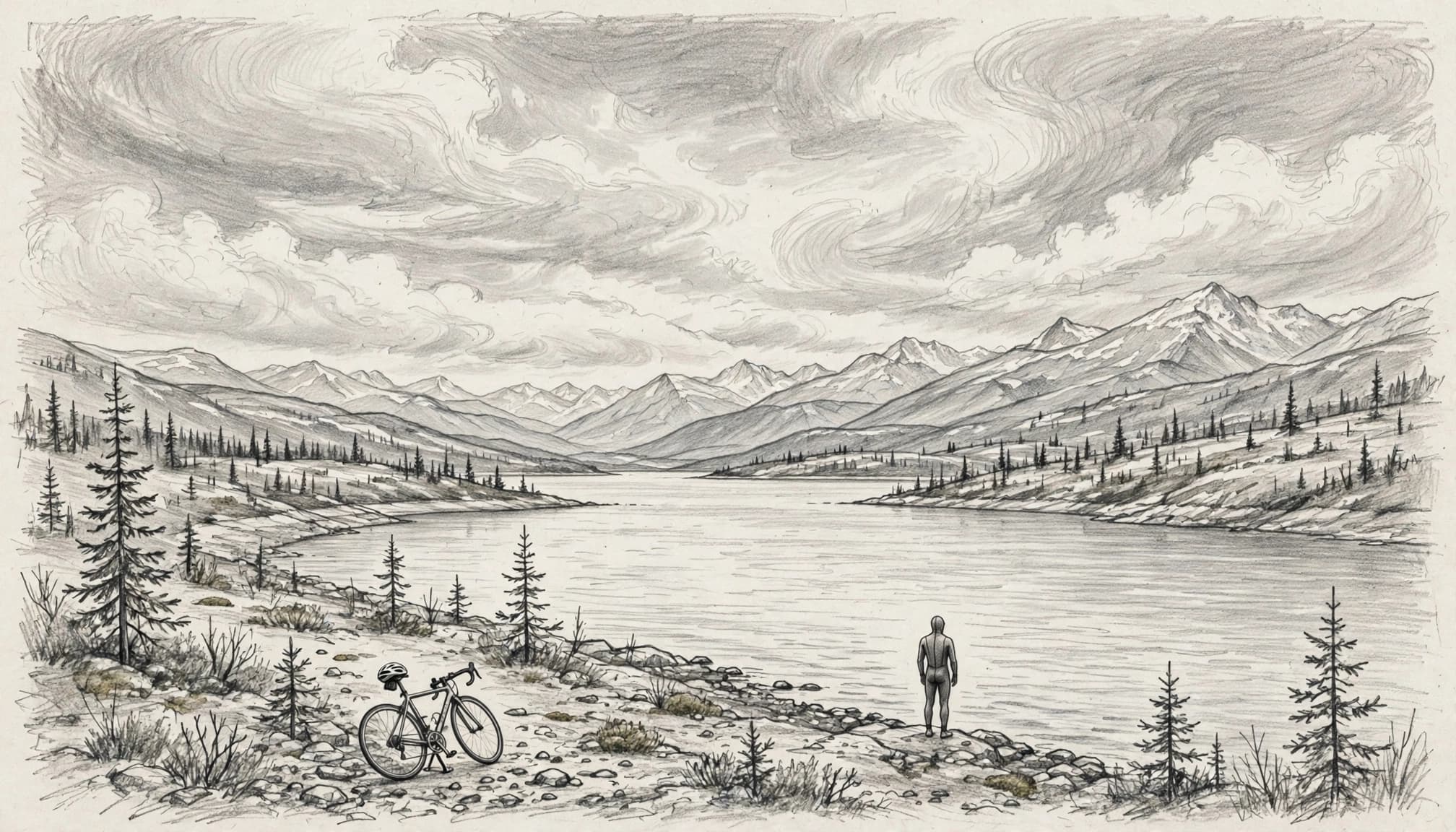
A chilly swim, damp air, or gusty stretch of road can shape race day. In coastal areas, maritime weather may bring rain and wind, while inland locations can see wider temperature swings. Urban courses have their own conditions, influenced by local terrain and exposure. Alaska spans several climate regions, so averages for one city won’t tell you what to expect at a race elsewhere. The Alaska climate overview explains how strongly conditions vary across the state.
Check the event’s recent updates and course details as race day approaches. Then pack for more than the forecast’s headline temperature: a light rain layer, warm clothes for before and after the event, and gear suited to a cold swim may all be useful. Follow the race director’s guidance on water temperature, wetsuits, and any weather-related course changes.
Remote communities can add another practical factor. Flights, lodging, rental vehicles, and replacement gear may be limited, so book early and bring essential items rather than counting on local shops. Arriving with time to spare also gives you a chance to adjust to the conditions and inspect the course.
Long summer daylight and wide-open scenery
Long summer days can make travel and training easier. Athletes may have more daylight for a shakeout ride after arriving or time to explore before race weekend. In Fairbanks, daylight lasts around the clock for part of the summer; conditions vary by latitude and date, as Travel Alaska’s midnight sun guide describes.
That extra light can also make it harder to wind down at night. Bring an eye mask or use blackout curtains when available, and keep your usual sleep routine as much as possible before race day. Bright evenings can make bedtime feel earlier than the sky suggests.
Scenery varies just as much as weather. Some courses may pass lakes, forests, or mountain views; coastal races can offer a different backdrop, and urban routes may spend more time on roads and paths. Terrain also differs, so check the elevation profile and surface details instead of assuming every Alaska triathlon is mountainous or remote. Planning around the actual course will make the setting a bonus, not a surprise.
Where to find Alaska triathlon races and what they offer
Triathlons in Alaska range from community events near major services to races that require more independent travel planning. Because calendars, race formats, and registration availability can change each year, use current event pages and local organizations rather than relying on old race listings.
Anchorage races and community events
Anchorage is a practical place to start. It has a recognizable local event in the Gold Nugget Triathlon, along with lodging, shops, medical services, and air connections that can simplify travel. That access can make race logistics easier, especially for athletes bringing a bike or arriving from outside Alaska.
The Gold Nugget Triathlon’s official site describes an all-woman event with a strong community focus. It can appeal to athletes looking for a local race atmosphere, including participants who want an inviting entry point into multisport racing. The event’s schedule and format can change, so check its current details before making travel plans. A current Gold Nugget race listing shows its scheduled date and registration options.
Choose Your Distance, Duration and Goal Time
Make three quick selections and open the exact plan built for your race target.
Looking for a Fully Personalized Training Plan?
The training plans above are an excellent choice if they match your goal. However, if you’d rather train with a plan built specifically around your current fitness, goal race, preferred training days, weekly mileage, and target finish time, our RDA Custom Training Plans provide a personalized solution. We also have running courses available for runners seeking to run faster from the mile to the marathon.
Why Choose a Custom Training Plan?
| Standard Training Plan | RDA Custom Training Plan |
|---|---|
| Follows a fixed schedule | Built around your schedule |
| Standard weekly mileage | Peak mileage customized for you |
| Fixed workout days | Train on the days you choose |
| Same structure for everyone | Designed around your current fitness |
| Static plan | Updated as your fitness improves |
| One-time purchase | Ongoing personalized coaching and support |
What You’ll Receive
- A training plan built specifically for your goal
- Personalized training paces
- Long runs, tempo runs, threshold workouts, interval sessions, recovery runs, and easy runs
- Peak weekly mileage matched to your experience level
- Flexible training schedule that fits your life
- Ongoing plan adjustments as your fitness improves
Ready to Train Smarter?
Stop guessing and start following a plan built specifically for you, your schedule, and your racing goals.
Races beyond Anchorage
Events in smaller towns and remote areas can offer a quieter setting and a closer connection to the local community. They may also bring added planning needs: limited lodging, fewer rental vehicles, less access to replacement gear, or travel that depends on a regional flight or ferry.
Look beyond national race directories when searching. Local race calendars, triathlon clubs, and event organizers often have the freshest information about upcoming events. The Alaska Triathlon Club’s training page is one useful starting point for finding local connections and learning about club activity.
Before booking, confirm that the event is returning, registration is open, and the listed course details apply to the current year. A race name or old registration page may remain online even when dates, distances, or availability have changed.
How to compare race formats and course demands
A short distance does not automatically mean an easy day. Cold water can make a brief swim feel demanding, while wind, rain, or exposed roads can add effort to the bike and run.
Before registering, check the event’s swim type and distance, bike and run routes, elevation, and road or trail surfaces. Also review how transition works, what aid or course support is available, and whether the organizer sets cutoff times. Those details help you judge whether the race matches your experience and preparation.
If the event page leaves important questions unanswered, contact the organizer. Ask about water conditions, wetsuit rules, road closures, equipment transport, and the plan for weather-related changes. Then compare the answers with your training, not just the advertised distance. A clear picture of the course makes it easier to choose a race that fits your goals and travel plans.
How to choose a race distance and plan your Alaska trip
The right Alaska triathlon fits your current fitness, open-water skills, training time, and travel budget. Start with the event that suits your preparation, then build a realistic plan for getting to the start line.
Pick a distance that fits your experience
A sprint or shorter local format can be a good first race, especially if you’re still learning transitions and pacing. However, “short” doesn’t always mean easy. Cold water, a choppy swim, or a steep bike course can make a compact event demanding.
Olympic-distance races require more endurance and training time. Longer events place greater demands on preparation, recovery, and race-day fueling. Distances can vary by event, so compare the listed swim, bike, and run legs with your current training rather than relying on the race label. USA Triathlon’s format and distance guide explains how multisport race segments can differ.
For a first triathlon, review the swim conditions and course layout before committing. Check whether the swim is open water, how athletes start, and what support the organizer provides. Then consider your available weeks for training and whether you can build consistent swim, bike, and run sessions without rushing.
Book travel, lodging, and race logistics early
Travel can take as much planning as training, particularly for events outside larger communities. Flights may be limited, and a small town may have few lodging choices or rental vehicles. Compare the total cost of airfare, accommodations, local transportation, and bike transport before you register.
If you’re bringing your bike, check airline policies and arrange a case or shipping plan early. Confirm how you’ll get from the airport to your lodging and the venue; don’t assume rideshare or public transit will be available. Staying near packet pickup and race activities can reduce last-minute driving.
Allow time after arrival to collect your race materials, assemble and check your bike, and get familiar with the venue. When possible, arrive early enough to recover from travel and adjust to local conditions. Keep essentials, such as shoes, helmet, and race-day clothing, accessible in case checked luggage is delayed.
Check registration details before you commit
Event pages can change, so confirm current dates, entry limits, age-group rules, and refund terms directly with the organizer. Ask whether you need to bring specific equipment, such as a wetsuit, and check rules for bike setup and race numbers. USA Triathlon’s multisport rules offer a useful reference, but event-specific instructions take priority.
Read the safety guidance closely, especially for open-water swims and weather changes. If any detail is unclear, contact the race director before booking nonrefundable travel. A few direct questions can prevent a costly surprise and help you choose a race that fits your experience and plans.
How to train for an Alaska triathlon
Training for triathlons in Alaska means preparing for the course you’ll race, not an ideal version of it. Build steady fitness in all three sports, then add safe practice for cold water, hills, wind, and changing surfaces. If outdoor conditions limit training, indoor sessions can maintain fitness until it’s safe to head outside.
Build swim confidence before race day
Start with regular pool sessions to develop relaxed breathing, efficient form, and the endurance to cover your race distance. Beginners can focus on comfortable repeats with short rests; experienced swimmers can add longer intervals while keeping their effort controlled.
When safe, include open-water practice to get used to limited visibility, waves, and swimming without a pool wall. Practice sighting by briefly lifting your eyes forward, then returning to your normal stroke. Gradually expose yourself to cooler water, and leave if you feel numb, confused, or unusually weak. Never swim alone in open water. Train with a buddy or supervised group, and follow local safety guidance and any race-specific recommendations. USA Triathlon offers practical open-water swim training guidance.
Prepare for hills, wind, and changing surfaces
Use the race map and elevation profile to shape your bike and run sessions. A flat-looking route can still feel demanding if it’s exposed to wind, while gravel or uneven paths require more attention than smooth pavement. Check the event’s current course details before you build race-specific workouts.
Progress gradually. Add short hill repetitions or sustained climbs to bike training, then practice controlled descents and steady effort on rolling routes. For running, mix easy mileage with modest hill work and, where relevant, safe practice on the surface you’ll encounter. If weather or daylight keeps you indoors, a stationary bike can build aerobic fitness and strength; a treadmill can maintain running consistency. Keep outdoor sessions conservative when roads or trails are slick.
Practice transitions and flexible race pacing
A few bike-to-run sessions help your legs adjust to the change in movement. Start with a short, easy run after a manageable ride, then build duration as your fitness allows. Practice setting out your gear and moving through transition calmly, so race-day routines feel familiar. USA Triathlon explains how to use brick workouts in triathlon training.
In Alaska, pace by effort rather than chasing a fixed speed. Wind, climbs, cold, or a rough surface can slow you even when your work rate stays steady. Use easy sessions to recover, and increase training load in small steps. Consistency and rest build fitness more reliably than trying to reproduce race-day conditions in every workout.
Gear, safety, and race-day choices for Alaska weather
Alaska race mornings can feel very different from the conditions you trained in, so pack for the forecast and prepare for changes. Keep general cold-weather preparation separate from event rules: organizers decide what equipment is allowed and how conditions affect the race.
Choose layers and swim gear for the actual forecast
A well-fitted wetsuit can add warmth and buoyancy in cold open water, but check whether the race permits it and whether conditions make it appropriate. Confirm the organizer’s swimwear rules before packing; water temperature and event policies can affect wetsuit use. USA Triathlon’s race guidance outlines common equipment expectations.
Bring warm, easy-to-remove layers for the time before the swim, plus dry clothes for recovery afterward. For the bike, lightweight gloves or arm warmers can help in cool, wet conditions, but only wear gear you can manage safely. Test each item during training, including putting on and removing layers when your hands are cold. A race morning is a poor time to discover that a wetsuit rubs or gloves interfere with braking.
Make a bike and transition checklist
Before traveling, inspect your tires, brakes, chain, and shifting. Pack basic repair supplies that match your bike, such as a spare tube, tire levers, and a pump or CO2 inflator, and know how to use them. If you train or travel in low light, bring working lights and follow local visibility rules.
Keep transition simple: place your helmet, shoes, glasses, and race number where you can reach them without searching. Add only the spares and clothing you expect to use, then confirm what the event allows in the transition area. USA Triathlon’s multisport rules cover requirements such as wearing a securely fastened helmet while handling your bike. Don’t bring unfamiliar equipment or try a new setup on race day.
Know when to adjust your plan
Cold, rain, and wind can change how hard a familiar pace feels. If conditions worsen, slow down, stay controlled on turns and descents, and add a layer when the course and event rules allow it. Fatigue or loss of coordination is a reason to ease off and seek help, not to force the pace.
Pay attention to announcements and directions from race staff. Organizers may delay, shorten, or cancel a leg when conditions become unsafe, and their decisions take priority over your planned strategy. Follow local safety guidance as well, especially if weather affects roads, visibility, or water conditions. Your best race-day choice is the one that keeps you safe enough to finish comfortably.
Frequently Asked Questions
A few details can still affect your plans after you choose an Alaska race. These answers cover membership, event safety, and practical race-morning decisions.
Do I need a USA Triathlon membership to race?
It depends on the event and its registration rules. Some races require an annual membership or a one-day membership, while others may have different requirements. Check the event’s registration page before you pay, and review USA Triathlon membership options if the race requires coverage.
What does it mean if an Alaska triathlon is USA Triathlon-sanctioned?
Sanctioning means the event meets USA Triathlon requirements, including rules and safety planning. It can help you understand what standards guide the race, but it doesn’t replace reading the athlete guide or following event-specific directions. Review the organizer’s details and USA Triathlon’s sanctioning information before you register.
What happens if the swim is changed or canceled?
Race staff may shorten, delay, or remove the swim if conditions create a safety concern. The event may then use a revised format, such as a shorter swim or a duathlon, depending on its plan. Check the athlete guide for how organizers communicate changes, and follow announcements on race morning rather than relying on your original schedule.
What should I eat before an early race start?
Choose a familiar breakfast that you’ve already tested before training sessions. For example, oatmeal, toast, or a banana may work if those foods sit well with you. Eat early enough to digest comfortably, and avoid trying a new meal or relying on unfamiliar food options near the venue.
Can spectators watch along the course?
Often, but access depends on the route, road closures, and the organizer’s safety plan. Ask the event where spectators can stand and whether they can move between course locations. In smaller communities, check parking and local transportation details ahead of time so supporters don’t block athletes or race operations.
How can I find out what medical support the race provides?
Look for medical coverage and emergency procedures in the athlete guide or event FAQ, then contact the organizer if those details aren’t clear. Ask where medical staff will be stationed and how athletes can request help on the course. Support plans vary by event, so confirm what applies to your specific race.
Conclusion
Triathlons in Alaska reward athletes who prepare for the course and conditions they’ll actually face. A suitable distance, steady training, and careful planning for weather, travel, and gear can make race day feel far more manageable. Most importantly, a successful Alaska triathlon starts well before the starting line, with choices that fit your experience and realistic preparation for the event.
Take one clear next step: review a current race calendar, compare course details, or begin building a training plan around your chosen race. With thoughtful preparation, you can reach the start line ready to meet the day on its own terms.