

Triathlons in Alabama: Gulf Shore Swims, Southern Finishes
Humid air settles over the water as a lake comes into view, and athletes check their goggles, bikes, and running shoes before the first start. On race morning in Alabama, each leg brings a different challenge, and the right event depends on your experience, fitness, and goals.
Triathlons in Alabama offer options for first-timers and experienced athletes, but dates, distances, and formats can change from year to year. Use this guide to find a race that fits, prepare for local conditions, and arrive ready to compete. Be sure to check out the RunDreamAchieve YouTube channel for weekly running tips.
Key Takeaways
- Triathlons in Alabama vary by distance, course, and format, so choose a race that matches your experience and goals.
- Check current race details before committing, since dates, distances, and event formats can change from year to year.
- Build your training around the swim, bike, and run, and practice moving between disciplines before race day.
- Alabama heat can affect your effort and hydration, so prepare with USA Triathlon’s heat-training guidance.
- Review the course and race-day instructions ahead of time, then arrive with your gear, pacing plan, and logistics ready.
Triathlons in Alabama: Find a Race That Fits Your Goals
Triathlons in Alabama vary by distance, setting, and organizer, so the best fit depends on your experience and the kind of day you want on the course. A shorter event can be a strong first goal, while longer races suit athletes ready for more time in the water, on the bike, and on their feet.
What race distances can you choose?
Race names give you a useful starting point, but distances can vary by event. Always compare the listed swim, bike, and run lengths on the race page before registering.
- Super sprint: A short-format race with brief legs, often suited to newcomers who want to try all three disciplines in a lower-commitment event.
- Sprint: A step up in distance, commonly around a 750-meter swim, 20-kilometer bike, and 5-kilometer run. Some events adjust those lengths.
- Olympic-distance: A longer test, often listed as a 1.5-kilometer swim, 40-kilometer bike, and 10-kilometer run. It calls for more training time and steady pacing.
- 70.3: A half-distance event with a 1.2-mile swim, 56-mile bike, and 13.1-mile run, totaling 70.3 miles. IRONMAN’s distance guide explains the format.
For a first race, a super sprint or sprint lets you practice transitions and race-day logistics without committing to a long day of competition. Meanwhile, experienced athletes may choose an Olympic-distance race or 70.3 to test endurance and pacing over a longer course. Choose based on your current preparation, not only on the distance you hope to complete someday.
Where do Alabama triathlons take place?
Alabama’s race settings can include lakes, state parks, and coastal areas. A lake swim may offer a sheltered course, while a park route can bring rolling roads and wooded surroundings. Coastal events may have different water and weather conditions, so check the course notes before you make travel plans.
As you explore options, you may come across familiar areas such as Oak Mountain State Park, Lake Guntersville, or Lake Martin. Those are examples of Alabama settings to investigate, not a promise that a race takes place at any one of them each year. Organizers can change venues, routes, or event formats, so confirm the location and course on the specific race listing.
How to compare event dates, courses, and race rules
Race calendars change, and a past event listing may no longer reflect this year’s plan. Before you register, check the event’s current date, registration deadline, distance, and start time. Then review the swim conditions, course elevation, road closures, and aid-station locations. These details can shape your training and race-morning schedule.
Pay close attention to the swim description. A lake swim, a protected coastal swim, and an open-water course can call for different preparation. Also check whether the bike route is hilly or exposed, and whether the run course includes shade. If the listing is brief, look for a course map or contact the organizer for clarification.
For a USA Triathlon-sanctioned event, read the current athlete guide for event rules and equipment requirements. You can also review USA Triathlon’s multisport rules, then use the event guide for details that apply to that specific race.
Choose an Alabama Triathlon That Works for Your Experience and Budget
The right race should fit your training, travel plans, and budget, not just look appealing on a calendar. Compare the course and event details with what you can safely manage now, then weigh the cost of getting to the start line.
Match the course to your current fitness
Choose a distance that matches your current preparation, rather than a goal you hope to reach later. You’ll need enough fitness to complete the swim, bike, and run safely, including the transitions between them. A shorter event can still be demanding if you’re unfamiliar with open water or have limited experience riding around other cyclists.
Read the course details before committing. Check whether the swim takes place in open water, whether the bike route includes hills or tight turns, and how much of the run is exposed to sun. If you’re new to triathlon, look for a clearly described course, beginner support, and a manageable first distance. The event listing should help you understand what race day involves; if key details are missing, ask the organizer before you register.
Open-water comfort deserves particular attention. Pool fitness alone may not prepare you for sighting, contact with other swimmers, or changing water conditions. Choose a race that gives you time to practice in a suitable open-water setting before race day.
Compare local, travel, and coastal race settings
A nearby race often simplifies logistics. You may be able to sleep at home, learn the roads beforehand, and avoid a long drive with a bike and gear. However, a destination event can offer a course or setting that makes the trip worthwhile, provided you account for lodging, travel time, and parking near the venue.
Alabama courses don’t all share the same conditions. A sheltered lake route may feel different from a coastal course with more wind exposure, while a sunny road can make heat a major factor. Review the specific route, elevation, shade, and swim setting rather than assuming that one event’s conditions apply to another.
If you travel, check where athletes can park, how far lodging sits from the start, and when roads close. Arriving the day before can reduce race-morning stress, but it adds a hotel night and meal costs. For first-timers, a familiar local course may make it easier to focus on pacing and transitions.
Choose Your Distance, Duration and Goal Time
Make three quick selections and open the exact plan built for your race target.
Looking for a Fully Personalized Training Plan?
The training plans above are an excellent choice if they match your goal. However, if you’d rather train with a plan built specifically around your current fitness, goal race, preferred training days, weekly mileage, and target finish time, our RDA Custom Training Plans provide a personalized solution. We also have running courses available for runners seeking to run faster from the mile to the marathon.
Why Choose a Custom Training Plan?
| Standard Training Plan | RDA Custom Training Plan |
|---|---|
| Follows a fixed schedule | Built around your schedule |
| Standard weekly mileage | Peak mileage customized for you |
| Fixed workout days | Train on the days you choose |
| Same structure for everyone | Designed around your current fitness |
| Static plan | Updated as your fitness improves |
| One-time purchase | Ongoing personalized coaching and support |
What You’ll Receive
- A training plan built specifically for your goal
- Personalized training paces
- Long runs, tempo runs, threshold workouts, interval sessions, recovery runs, and easy runs
- Peak weekly mileage matched to your experience level
- Flexible training schedule that fits your life
- Ongoing plan adjustments as your fitness improves
Ready to Train Smarter?
Stop guessing and start following a plan built specifically for you, your schedule, and your racing goals.
Plan for registration fees and the full race-day cost
The entry fee is only one part of your race budget. Depending on the event and your plans, the total may also include transportation, fuel, lodging, meals, equipment, and a pre-race bike service. Add those costs before comparing a nearby race with a destination event.
Registration prices vary by event, entry timing, and included services. Some USA Triathlon-sanctioned events may also require an annual membership or a one-day option, but policies differ. Review USA Triathlon membership options and confirm which requirement applies to the specific race.
Before paying, read the current registration page and athlete guide. Check what the entry includes, whether fees change by registration date, and whether the event has specific equipment or check-in requirements. A clear estimate of the full cost makes it easier to choose a race you can train for without stretching your budget.
Train for Alabama’s Heat, Humidity, and Race Courses
Alabama’s warm, humid weather can make training feel harder, but conditions vary by location, season, and race date. A lake course, a coastal route, and a hilly road race each call for different preparation. Build fitness across all three disciplines, then adjust your practice to the specific course and forecast.
Build swim confidence before race day
Regular swim sessions help you settle into a steady stroke and relaxed breathing. In the pool, practice looking forward briefly to sight without stopping, then return your face to the water and exhale smoothly. Pools offer consistent conditions, while open water brings limited visibility, changing temperatures, and no lane lines to follow.
When safe and available, practice in open water before race day. Choose a supervised session or go with a partner, and stay within conditions that match your ability. USA Triathlon’s open-water swimming guide covers skills that differ from pool training. Check the event’s current swim instructions and wetsuit rules, since requirements depend on race conditions and regulations.
Prepare for heat and humidity safely
Hot, humid weather can raise perceived effort and make it harder for your body to cool itself. Adjust gradually rather than expecting to handle full summer conditions right away. When possible, train during cooler morning or evening hours, shorten or ease a workout during oppressive heat, and take breaks in shade.
Practice your event-day hydration approach during training, using the race’s aid-station details to plan what you can carry or access. There isn’t one fluid or electrolyte amount that suits every athlete; needs vary with effort, duration, and individual sweat losses. CDC guidance for athletes in hot weather offers practical steps for reducing heat risk.
Pay attention to unusual weakness, dizziness, nausea, headache, or confusion. Stop exercising and move to a cooler place if symptoms arise; confusion or altered speech can indicate a medical emergency. Review the CDC’s heat-illness symptoms, and seek urgent help for signs of heat stroke.
Practice cycling and running on similar terrain
Study the elevation profile, turns, road surface, and exposed sections for your chosen race. Then select routes that prepare you for those demands. If the bike course includes hills, practice climbing at a controlled effort and descending with steady bike handling. For flatter routes, work on holding a sustainable pace without surging.
Running after cycling takes practice, even on a short course. A brick workout, which pairs a bike ride with a short run, helps your legs adapt to the change in movement. Start with an easy transition run and build gradually. You don’t need to make every brick hard; the goal is to learn how your pace and form feel on tired legs.
Use a simple weekly plan and protect recovery
A beginner’s week can include swim practice, bike and run sessions, a short strength workout, and at least one rest or very easy day. The exact mix depends on your experience, schedule, and race distance. Keep most sessions manageable, then increase training time or distance gradually instead of adding several hard workouts at once.
Recovery helps you absorb the work. Follow demanding sessions with easier training, and reduce volume before race day so you arrive rested. Athletes with health concerns should consult a qualified medical professional before starting hard training. If you have a specific time goal or limited training hours, a tailored plan or coaching can help organize the week around your needs.
Make Race Week and Race Day Easier with a Clear Plan
A little preparation in the final days can keep race morning from turning into a scramble. For triathlons in Alabama, plan for logistics and changing weather alongside your swim, bike, and run strategy. The event’s current athlete guide takes priority over general advice, so use it to confirm the details that apply to your race.
Check the athlete guide and prepare your gear
In the days before the event, review check-in hours, parking instructions, course maps, transition rules, cutoff times, and permitted equipment. Note when roads close and where you need to be before the start. If anything is unclear, contact the organizer before race morning.
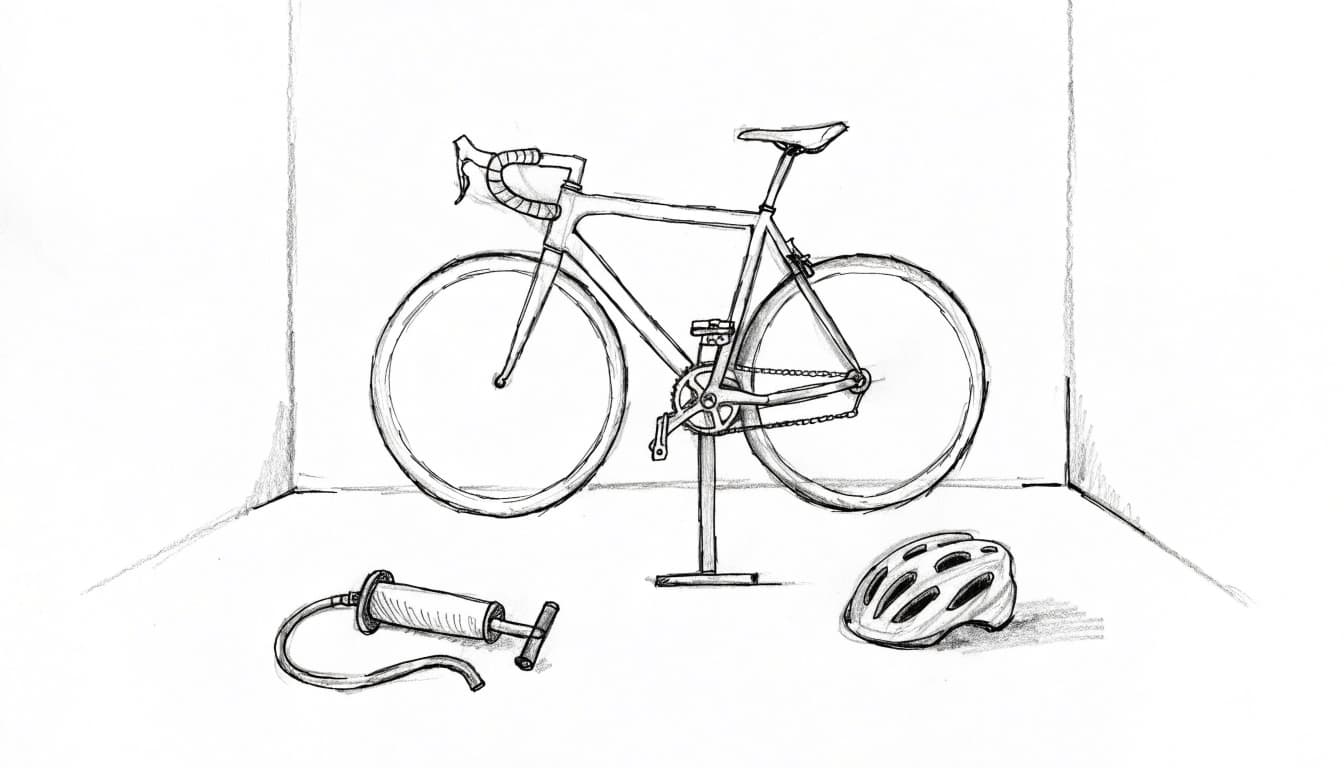
Then check your bike, including the tires, brakes, and gears. Pack any tools or supplies you’ll need, but don’t make last-minute equipment changes you haven’t tested. Lay out your swim, bike, and run gear in order, including your helmet, race number, shoes, and clothing suited to the forecast.
As race day approaches, check the forecast again. Pack a light layer or rain protection if conditions may change, and keep essentials together so they’re easy to find. The event’s latest instructions always take precedence over general checklists or advice.
Know how transition works
Transition is where you move between the swim, bike, and run. If the event allows athletes to preview the area, use that time to find your assigned spot and identify the routes in and out. Look for landmarks that will help you recognize your row after the swim.
Arrange only the gear you need, neatly and within your assigned space. Keep your helmet and shoes easy to reach, and place your race number where you can put it on as required. A short mental rehearsal can help: picture where you enter, where your bike sits, and which way you leave for the next leg.
During each change, stay calm and watch for other athletes moving through the same space. Helmet requirements and transition procedures depend on the event regulations, so follow the race guide and staff directions. USA Triathlon’s transition tips for race day can help you prepare for the flow without adding unnecessary steps.
Pace each leg and stay alert to changing conditions
When the start begins, resist the urge to match the fastest swimmers around you. Settle into a controlled effort, find a rhythm, and leave enough energy for the bike and run. A steady start is especially helpful in a crowded swim, where surges can make it harder to stay composed.
On the bike, ride within your ability and stay alert to turns, traffic, surface changes, and other competitors. Then begin the run at a pace you can manage. Heat, humidity, rain, and wind can all affect effort, even if you trained consistently. Adjust your pace to the conditions rather than forcing a target that no longer makes sense.
Follow aid-station guidance and use the fueling plan you’ve practiced in training. If you feel dizzy, confused, nauseated, or unusually weak, slow down and seek help from event staff or medical personnel. Keep following staff instructions through the finish area, too. A clear plan gives you room to respond sensibly when race day doesn’t go exactly as expected.
Frequently Asked Questions
Race listings can leave practical questions unanswered, especially if you’re new to triathlons in Alabama. Use these answers to fill in the gaps, then follow the current instructions from your chosen event.
Do I need to be a strong swimmer to enter a triathlon?
You don’t need a fast swim time, but you do need to complete the event’s full swim distance safely. Check whether the course is in open water, whether athletes start together or in waves, and what support is available on the course. If you feel anxious in crowded water, ask the organizer about the start format before registering. Build confidence in a pool first, then practice in supervised open water with a qualified group or partner.
Can I try a triathlon as a beginner in Alabama?
Yes. A shorter race can make a practical first goal, particularly if you choose a course that suits your current fitness and comfort in open water. Read the event page for course details, support, and any beginner resources, and ask the organizer about anything unclear. Then train consistently in all three disciplines, including short transition practices, so race day feels familiar rather than improvised. USA Triathlon’s guide for new triathletes can help you plan your first steps.
When is triathlon season in Alabama?
There isn’t one fixed season for every race. Organizers set schedules separately, and dates can change by year; warm weather can also affect how a particular event feels on race day. Check current event calendars and the race’s own page for the confirmed date, start time, and any published course or weather guidance. For updates and event-finding resources, start with USA Triathlon’s Get Racing page, then confirm details directly with the organizer.
Do I need an expensive bike to race?
A safe, well-maintained bike that meets the event’s rules is more important than a high-end model. Before race day, check the athlete guide for equipment requirements and have a qualified mechanic inspect the brakes, tires, and drivetrain if you’re unsure about their condition. Also practice riding the bike you’ll race on, so you know how it handles and can shift gears smoothly. USA Triathlon’s multisport rules explain helmet requirements for sanctioned events.
What should I bring to an Alabama triathlon?
Pack the gear you’ll use for each leg, including swimwear, goggles, a bike helmet, cycling equipment, running shoes, and race-day clothing. Bring water and nutrition you’ve already practiced using, plus sunscreen and basic personal items such as a towel, medication, and a change of clothes. Requirements vary by event, so check the athlete guide for required equipment, check-in documents, and any restrictions. Lay everything out the night before, then use the guide as your final packing reference.
Conclusion
The best Alabama triathlon is the one that fits your goals, current fitness, and schedule. Before race day, check the event’s latest details, prepare for the local weather, and train consistently in the swim, bike, and run.
Choose a race that feels like a sound next step, read its athlete guide, and begin a steady training plan. With the right preparation, you can approach the start line ready to meet the course on its own terms.


