

Best Trail Running Shoes for Mud: Grip, Fit and Durability Picks
Searching for more details regarding what are the best trail running shoes for mud races? So, you love trail running, but the rain seems to follow you everywhere? Don’t let a little (or a lot of) mud stop you from hitting your favorite paths. Finding the right trail running shoes for mud can make all the difference between a fun adventure and a slippery mess. We’ve checked out a bunch of options to help you pick the best pair for your next wet and wild run. Get ready to conquer those muddy trails!
Trail Running Shoes for Mud Post Takeaways
- When the trails get sloppy, shoes with aggressive, deep, and widely spaced lugs offer the best grip. These lugs dig into the mud, helping you stay upright.
- For really wet conditions, shoes with thin, quick-draining uppers are ideal. They won’t get waterlogged and will dry out fast, keeping your feet lighter.
- A snug fit is important. It prevents your foot from sliding around inside the shoe on unstable ground, giving you better control.
- Consider the upper material. Some shoes have thick uppers for warmth in cold, wet conditions, while others use thin mesh for faster drying.
- While specialized mud shoes are great for relentless muck, some models offer a good balance, performing well on both muddy and firmer trails.
1. Inov-8 TrailTalon
When the trails turn into a muddy mess, you need shoes that can handle it. The Inov-8 TrailTalon is a solid choice for those wet adventures. These shoes offer a good balance of grip and comfort, making them suitable for a variety of conditions, not just the really sloppy stuff.
I’ve found that the TrailTalon’s lugs are deep enough to bite into the mud without feeling like you’re running on stilts when you hit a drier patch. They’re not overly aggressive, which is nice because sometimes you just want a shoe that works well on most trails, not just the extreme ones. The cushioning is moderate, so you get some protection from rocks and roots, but you still feel connected to the ground. This connection is important when you’re trying to stay upright on slippery descents.
One thing that sets Inov-8 apart, and the TrailTalon benefits from this, is their history. They’re based in the UK’s Lake District, a place known for its wet and wild trails. You can tell they’ve put that experience into designing shoes like this. The upper feels pretty tough, like it can take a beating from mud and debris.
Build Your Complete Race-Day Setup
The right shoe helps, but faster racing comes from better training, pacing, recovery, fueling, and execution.
More Guides for This Shoe
| Feature | Specification |
|---|---|
| Weight | 9.7 oz (Men’s 9) |
| Lug Depth | 6 mm |
| Drop | 6 mm |
The fit on these has improved too. In the past, Inov-8 shoes could be a bit narrow for some folks, but the TrailTalon comes in wider options now. This means more people can get a comfortable fit, which is a big deal when you’re out on the trail for hours. A good fit means fewer blisters and more miles.
Overall, if you’re looking for a reliable shoe that won’t let you down when the weather turns, the TrailTalon is definitely worth checking out. It’s a shoe that just gets the job done without a lot of fuss.
2. Salomon Speedcross 6
The Salomon Speedcross 6 has been a go-to for many trail runners for a long time, and for good reason. It’s built to handle some seriously messy conditions. Think deep mud, slippery roots, and uneven ground – this shoe is designed to keep you upright.
One of the standout features is its aggressive outsole. The Contagrip rubber has chunky lugs that dig into the terrain, giving you a solid grip when things get slick. While some folks find the rubber a bit soft compared to other brands, Salomon pairs it with a stiffer midsole. This helps keep things stable, even when you’re bombing down a hill.
The upper got a refresh too. It still hugs your foot well, which is great for keeping your foot locked in place, but it’s also more breathable than before. And if you’re worried about getting soaked, the Gore-Tex version keeps your feet dry. It’s a shoe that feels right at home on technical trails, whether they’re rocky, loose, or just plain muddy.
However, it’s not all perfect. The Speedcross 6 is a bit on the heavier side, tipping the scales at around 10.4 ounces. It also doesn’t offer a ton of plush cushioning, which might be something to consider if you’re planning on super long runs or pounding hard surfaces.
Despite being a bit heavier and not the most cushioned, the Speedcross 6 really shines when it comes to its rugged build and that amazing grip. It just feels dependable on tricky terrain.
Here’s a quick look at some specs:
- Weight: Around 10.4 oz (this can vary slightly)
- Lug Depth: 5 mm
- Midsole: EnergyCell+
- Outsole: Contagrip
- Waterproofing: Available in Gore-Tex versions
3. Asics Gel-Trabuco 13
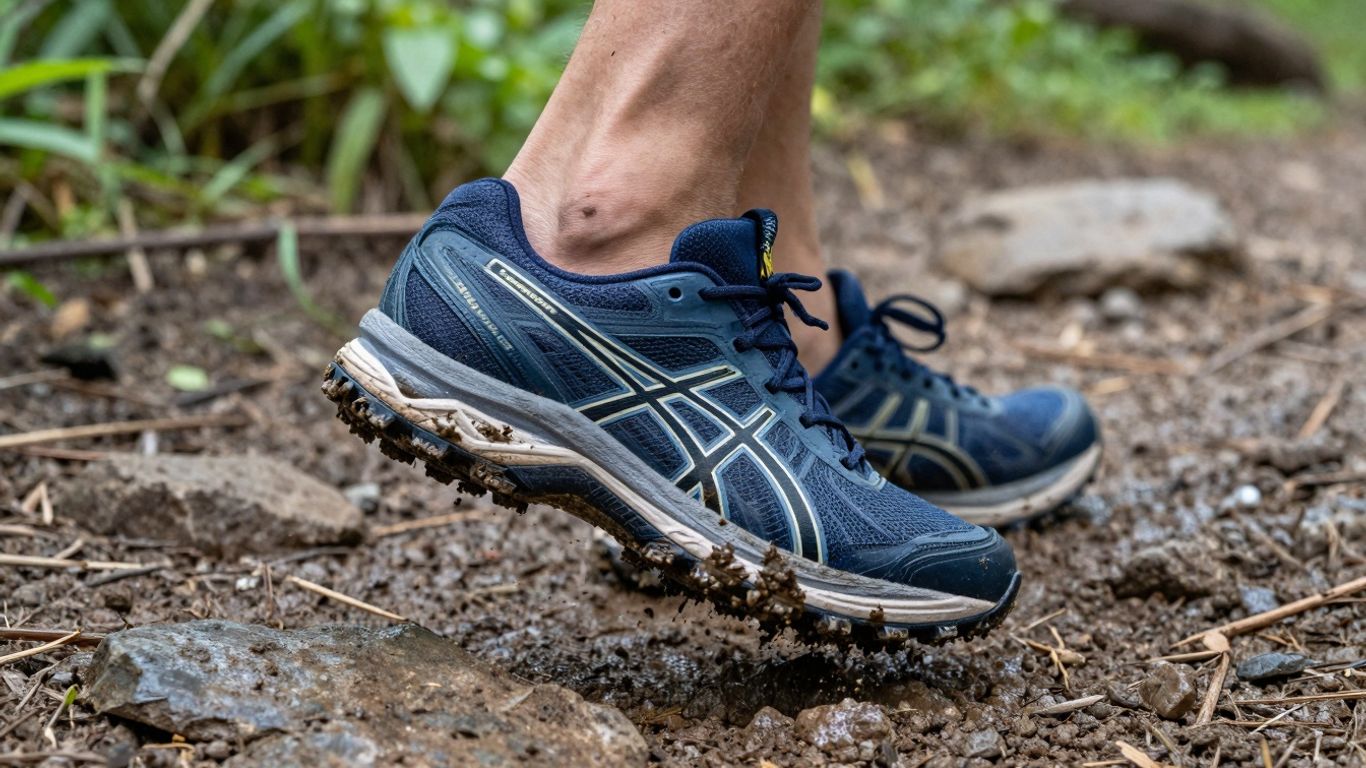
Okay, so the Asics Gel-Trabuco 13. This shoe is kind of like the reliable friend who shows up no matter what. It’s not the flashiest option out there, but it gets the job done, especially if your runs involve a bit of everything. You know, those days where you start on pavement and then hit the trail, which might be a little wet or muddy.
This shoe really shines when you need a versatile option that can handle both road and trail sections without feeling clunky. It’s got a decent amount of cushioning, which is nice for those longer runs or when you’re just getting to the trailhead. The lugs aren’t super deep, which is actually a good thing for mixed terrain. They provide enough grip for most wet trails without feeling like you’re running on spikes when you hit a hard surface. It’s a pretty balanced shoe, honestly.
Here’s a quick look at some specs:
- Weight: Around 10.2 oz (men’s)
- Drop: 4 mm
- Lug Depth: 4 mm
While it might not shed thick, clay-like mud as quickly as some other shoes with deeper lugs, the Gel-Trabuco 13 doesn’t pack up mud quite as badly either. This means you get a more consistent feel underfoot, even when things get messy. It maintains a surprisingly low-to-the-ground feel, which is great for stability.
If you’re looking for a shoe that can take you from your doorstep to the muddy trails and back again without needing a shoe change, the Asics Gel-Trabuco 13 is definitely worth considering. It’s a solid all-rounder that offers good comfort and reliable traction for a variety of conditions. You can check out more details about its performance on various running surfaces.
4. La Sportiva Mutant
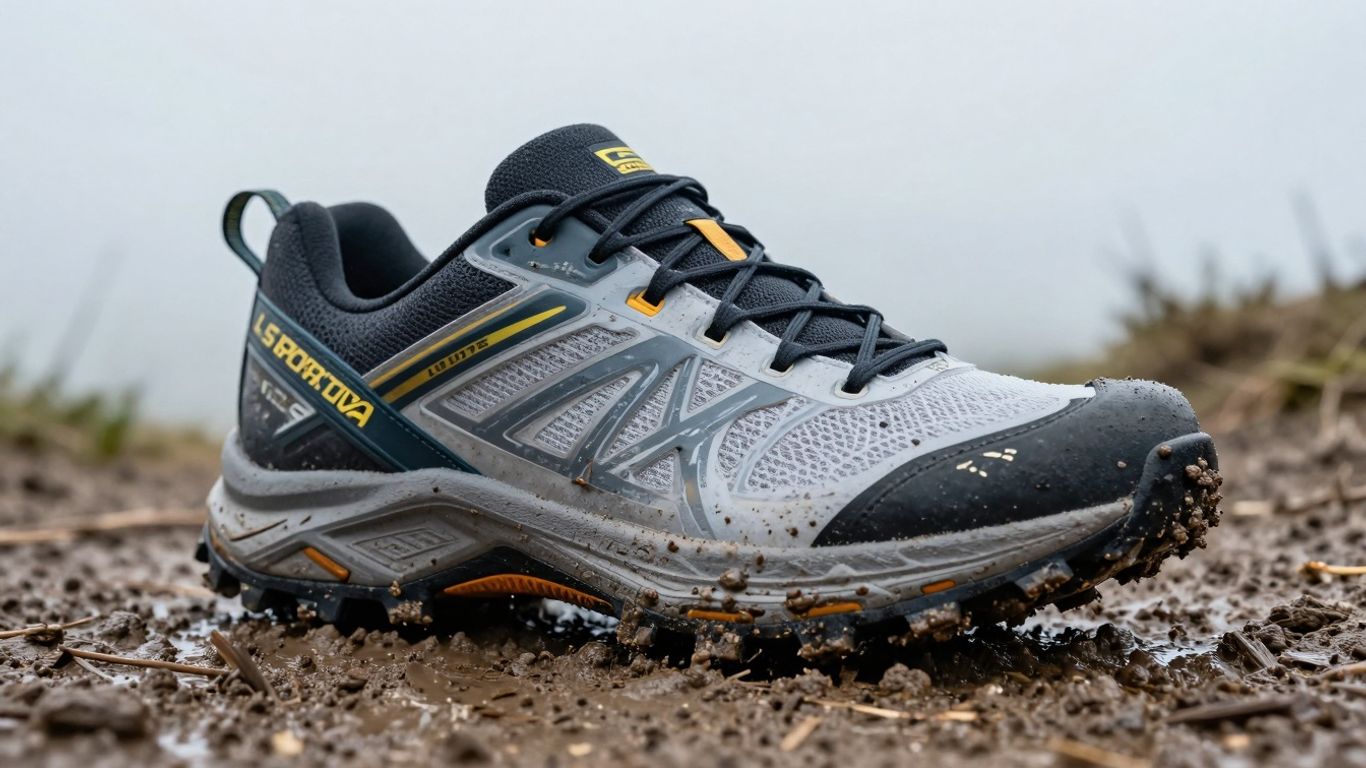
The La Sportiva Mutant is a shoe that really shines when the terrain gets rough and the mud starts flying. While it’s built for serious off-trail mountain running, its aggressive tread pattern makes it a surprisingly capable mud-conqueror. These shoes feature some of the deepest lugs La Sportiva offers, at 6.5 millimeters, and they’re spaced out nicely to grab hold and then shed mud without getting clogged. This means you get reliable grip even when things get really sloppy.
What’s cool is that the Mutant isn’t just a one-trick pony for mud. It handles a variety of surfaces pretty well, though you might find them a bit stiff on hard-packed trails or roads. The midsole is on the thinner side, which gives you a good feel for the ground – super helpful for making quick adjustments when you’re scrambling over rocks or through muck. It’s not overly cushioned, but it offers enough protection so you don’t feel every single pebble.
| Feature | Detail |
|---|---|
| Lug Depth | 6.5 mm |
| Outsole Rubber | FriXion XF 2.0 |
| Upper Material | Recycled AirMesh |
| Weight (Men’s 9) | 11.3 oz (321 g) |
| Drop | 10 mm |
One of the standout features is the built-in gaiter. It wraps around your ankle, and when you cinch down the FusionGate lacing system, it hugs your foot securely. It does a pretty good job of keeping out smaller bits of debris, which is a nice bonus when you’re dealing with wet, messy conditions. Just a heads-up, these shoes tend to run a bit narrow and can be a half to a full size small, so definitely consider sizing up.
The upper is made from a thicker recycled AirMesh, which adds a bit of warmth and durability. Reinforced overlays help keep your foot stable, especially when you’re leaning into turns or uneven ground. Just be careful with the heel tab; it’s not the most robust part of the shoe and can rip if you pull on it too hard, which is a bit of a pain given the unique lacing system can make them tricky to get on in the first place.
5. Inov-8 MudTalon Speed
When the trail turns into a sloppy mess, the Inov8 MudTalon Speed really shines. This shoe is built for those days when you know you’re going to be dealing with a lot of mud and water. Its aggressive outsole is designed to dig into the muck and keep you moving forward. The lugs are pretty deep, at 8 millimeters, which means they can really grab onto whatever is under the mud, whether it’s rock or just firmer ground. This shoe comes in two fits: a wider one that weighs in at 9.4 ounces and a more precise fit that’s lighter at 8.5 ounces. That’s pretty light for a shoe with such serious traction.
The upper is made of a material that’s thin but woven tightly, which helps shed mud instead of letting it cake on. It’s not exactly plush, but it does the job of letting water drain out. You’ll also find a rock plate underfoot, which is a nice touch for protecting your feet from any hidden sharp stuff lurking beneath the mud. The midsole offers decent ground feel, so you can still sense what’s going on under your feet, which is helpful on tricky terrain. It’s not a shoe you’d want to wear for a long run on pavement, though; it’s really best saved for those truly wet and muddy adventures from start to finish.
This shoe is a specialist. If your runs frequently involve deep mud and slippery conditions, the MudTalon Speed is a strong contender. It prioritizes grip and mud-shedding above all else, making it a reliable partner when the weather turns foul.
6. VJ Sport Shoes
VJ Sport Shoes are a brand that really focuses on grip, and that’s obvious when you look at their lineup. They’re known for using sticky rubber compounds that just grab onto the trail, especially when things get wet and slick. If you’ve ever found yourself sliding around on muddy descents, a shoe from VJ Sport might be what you need to feel more secure.
Their shoes are built for serious traction. They often feature aggressive lug patterns designed to shed mud quickly and dig into softer ground. This means you can push the pace a bit more confidently, even when the conditions are less than ideal. It’s not just about the rubber, though; the overall construction tends to be pretty robust, aiming to handle the abuse that trail running dishes out.
Here’s a quick look at what makes them stand out:
- Aggressive Outsole Design: Deep, widely spaced lugs that bite into mud and loose terrain.
- Sticky Rubber Compound: Provides excellent grip on wet rocks and roots.
- Durable Construction: Built to withstand tough trail conditions over many miles.
- Snug Fit: Often designed for a secure feel, minimizing foot movement inside the shoe.
When you’re dealing with really challenging, muddy trails, having a shoe that feels like it’s glued to the ground makes a huge difference. VJ Sport aims to provide that confidence, letting you focus on your run rather than worrying about slipping.
While they might not be the softest shoes on the market, that’s not really their main goal. They prioritize a direct feel for the trail and maximum control, which is exactly what many runners look for when tackling wet and technical courses.
7. Inov-8 Mudclaw G 260 V2
When the trails turn into a sloppy mess, you need a shoe that just won’t quit. The Inov-8 Mudclaw G 260 V2 is built for exactly that. It’s like the shoe equivalent of a tank for your feet, ready to tackle whatever muck you throw at it.
These shoes are designed with seriously aggressive, deep lugs that dig into the mud like nothing else. You get amazing grip, which means fewer slips and more confident strides when the ground is trying its best to swallow you whole. The upper is made from a tough, tightly woven material that helps keep mud and debris out, while still letting your feet breathe a bit and drain if they get soaked.
Here’s a quick look at what makes the Mudclaw G 260 V2 stand out:
- Unmatched Traction: The 8mm sticky rubber lugs are the star here, providing serious bite on soft, wet ground.
- Durable Upper: A strong, water-resistant upper keeps your feet protected and helps shed mud.
- Ground Feel: While protective, it doesn’t feel like you’re running in clunky boots. You still get a good sense of the trail underfoot.
- Fit: It offers a snug, secure fit that locks your foot down, preventing unwanted movement inside the shoe.
If your idea of a good time involves running through deep mud and you don’t want to worry about your shoes holding you back, the Mudclaw G 260 V2 is a solid choice. It’s not the most versatile shoe if you’re also running on dry, hard-packed trails, but for pure mud dominance, it’s hard to beat.
8. Scott Shoes
Scott might not be the first name that pops into your head when you think of trail running shoes, but they’ve got some solid options, especially if you’re looking for something that feels pretty nimble.
Their shoes often strike a good balance. They’re not usually the most aggressive mud-slingers out there, but they tend to be lighter and more responsive. This can be a real plus when you’re covering a lot of ground and don’t want to feel like you’re lugging around bricks.
Scott shoes often feature a design that prioritizes a connected feel to the trail. This means you get good feedback from the ground beneath you, which is helpful for quick adjustments on uneven terrain. It’s like having a direct line to what your feet are doing.
Here’s a quick look at what you might find:
- Upper: Usually made with breathable mesh that can shed water fairly well. Some models might have a bit more reinforcement in key areas to handle rocks and roots.
- Midsole: Often designed for a balance of cushioning and ground feel. You won’t typically find super thick, plush midsoles, but rather something that offers enough protection without making you feel disconnected.
- Outsole: While not always featuring the deepest lugs, Scott outsoles are generally designed for reliable grip on a variety of surfaces. They aim for versatility, so you can handle a mix of mud, rock, and harder-packed trails.
If you’re someone who likes to feel fast and agile on the trails, and you don’t always need the most extreme grip for deep mud, Scott could be a brand worth checking out. They offer a different kind of performance that many runners appreciate for its lightness and responsiveness.
9. Aggressive Tread
When the trail turns into a muddy mess, you need shoes that can really dig in. That’s where an aggressive tread comes into play. Think of it like the tires on a monster truck, the deeper and more spaced out the lugs, the better they can grab onto soft, slippery surfaces.
The key is how those lugs interact with the ground. It’s not just about how deep they are, but also how they’re spaced and the rubber compound used. Shoes designed for serious mud often feature chevron-shaped lugs, like those found on the Salomon Speedcross, which are angled to claw through the muck and provide serious grip. These aren’t your everyday trail shoes; they’re built for when conditions get really gnarly.
Here’s what makes a tread aggressive and effective:
- Deep Lugs: Longer lugs can penetrate softer ground, offering a more secure hold.
- Wide Spacing: This is super important for shedding mud. If the lugs are too close together, mud will just pack in, turning your grippy shoes into slicks.
- Tacky Rubber: The compound of the rubber itself matters. A softer, stickier rubber can conform to the terrain, giving you more surface area contact and better grip, especially on wet rocks.
While a super aggressive tread is fantastic for mud, it might not be the best for hard-packed trails or rocky sections. Those deep lugs can feel a bit mushy or even uncomfortable on firmer ground, and they might wear down faster. It’s all about choosing the right tool for the job, and for wet, muddy adventures, an aggressive tread is your best friend.
10. Deep Lugs
When you’re facing a seriously muddy trail, the first thing you’ll probably notice about a good mud shoe is its lugs. These are the little grippy bits on the bottom of the sole, and for mud, they need to be substantial. Think deep, think aggressive.
We’re talking lugs that are at least 4 millimeters deep, but honestly, the deeper the better. The Inov8 MudTalon Speed, for example, boasts an impressive 8-millimeter lugs. That depth is what allows the shoe to really dig into the muck and find solid ground underneath, whether that’s rock or just firmer dirt.
It’s not just about how deep they are, though. The spacing between these lugs is super important too. Wide-set lugs are key because they help the shoe shed mud as you run. If the lugs are too close together, the mud just packs in, and suddenly your super-grippy shoe turns into a slippery mess. It’s a bit of a balancing act, but wider spacing means better mud clearance.
Here’s a quick rundown of what to look for:
- Depth: Aim for at least 4mm, but 5mm or more is even better for serious mud.
- Spacing: Wider gaps between lugs help shed mud.
- Shape: While there’s no single perfect shape, aggressive, multi-directional patterns often work best for digging in.
You might think deeper lugs are always better, but remember they can feel a bit harsh on harder surfaces. These shoes are specialized for a reason – they excel in the slop but might not be your go-to for a mix of pavement and trail.
So, when you’re picking out your next pair for a wet adventure, don’t overlook those lugs. They’re the unsung heroes that keep you moving forward when the trail turns into a swamp.
Ready to Tackle the Muck?
. Muddy trails don’t have to mean a soggy, slippery mess. Picking the right shoes makes all the difference, letting you focus on the run, not on trying not to face-plant. Whether you’re dealing with spring thaw or year-round downpours, there’s a shoe out there that’ll give you the grip and confidence you need. Don’t let a little (or a lot of) mud slow you down. Get out there and enjoy the adventure. I hope this post on what are some of the best trail running shoes for mud races has been of assistance to you.
Frequently Asked Questions
What makes a trail running shoe good for mud?
Mud-specific trail shoes have special features. They usually have really deep, widely spaced treads (called lugs) that dig into the mud to give you a good grip. The material on top is often thin and quick-drying so water doesn’t get trapped, or sometimes it’s thicker to keep your feet warm in cold, wet conditions. They’re designed to help you stay on your feet when things get super slippery.
Do I really need special shoes for running in mud?
It depends on where and how often you run. If you often run in very muddy places, like Scotland or the Pacific Northwest, a mud shoe is a great idea. If you only run into mud once in a while, a good trail running shoe with decent grip might be enough. But if you’re doing races like obstacle courses or fell races, mud shoes are almost a must-have.
Should trail running shoes be waterproof?
For really muddy conditions, non-waterproof shoes are usually better. They let water drain out quickly when you step in a deep puddle, and they dry faster. Waterproof shoes are good for light rain or shallow puddles, but if water goes over the top, they can fill up like a bucket and stay wet for a long time.
Are mud running shoes comfortable on regular trails or roads?
Most mud shoes are built low to the ground and aren’t super comfy on hard surfaces like pavement or hard trails. They’re made for soft, muddy ground. However, some shoes, like the Asics Gel-Trabuco 13, have a bit more cushioning and can handle different types of ground better, making them more versatile for mixed runs.
How important is the fit of a mud running shoe?
Fit is super important! When the ground is slippery, you want your foot to feel secure inside the shoe. A snug fit helps you grip the trail better, like the shoe is part of your foot. If a shoe is too loose, your foot can slide around, making it harder to run and increasing the risk of slipping. It’s often a good idea to try mud shoes on before buying because some can be quite narrow.
What should I do if I encounter mud on a trail?
Even if it makes your shoes messy, it’s best to stay on the trail when you run through mud and puddles. Going off the trail can damage plants and cause the trail to get wider and erode. Always follow any local rules about running on trails when they are wet. If the trail is really damaged by running on it when wet, it might be best to find a different route.


