

Trail Races in West Virginia: Brutal Climbs, Unreal Views
West Virginia’s rocky trails climb through forested ridges, then open onto mountain views that can make every hard-won mile feel worthwhile. Trail races here range from shorter events for first-time trail runners to demanding ultras for experienced racers, so you can choose a challenge that fits your goals and training.
Events such as the Highlands Sky 40 Mile and Rim to River 100 offer a taste of the state’s rugged mountain terrain, while local races may provide shorter options. Before you commit, consider distance alongside elevation, footing, weather, and the time you’ll need to prepare. The sections ahead will help you compare trail race options, train for the trails, and plan a smooth race weekend. Be sure to check out the RunDreamAchieve YouTube channel for weekly running tips.
Key Takeaways
- Trail races in West Virginia range from shorter local events to demanding ultras, so choose a distance that fits your experience and training.
- Rocky footing, sustained climbs, weather, and remote sections can make trail miles harder than flat-road mileage.
- The Highlands Sky 40 Mile course includes 5,474 feet of climbing and 4,856 feet of descent, according to its official course description.
- Prepare with hill work, uneven trails, and gradually longer runs to build strength and confidence on mountain terrain.
- Before race day, study the course, plan your gear and fueling, and arrange travel, lodging, and recovery time.
Trail Races in West Virginia: Find Your Mountain Challenge
Trail races in West Virginia range from shorter local events to ultras that demand months of focused preparation. Mountain weather, rugged footing, and remote stretches can make even familiar distances feel different, so choose a race that matches your experience and training.
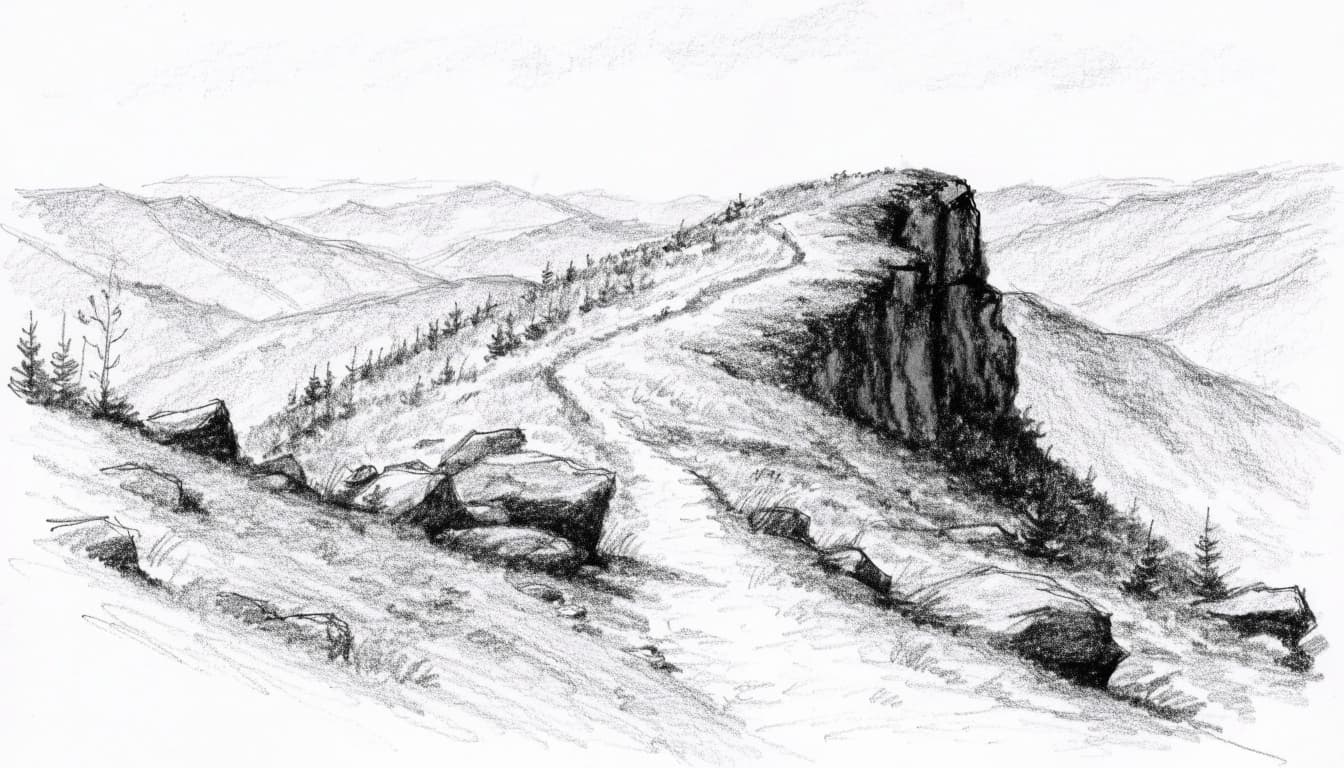
Run the Highlands Sky through Dolly Sods
The Highlands Sky 40 Mile is a standout mountain race in the Canaan Valley area. Its course crosses the Roaring Plains and Dolly Sods Wilderness, where open, high-elevation terrain gives way to rocky trails and wooded sections. The exposed stretches can feel especially remote, with broad views and few places to shelter if conditions change.
Weather deserves serious attention. Wind, rain, fog, or a sudden temperature shift can alter how the course feels, even when the day starts calmly. Before registering, review the Highlands Sky event page and current course details for the latest route, requirements, and race information.
Take on the Rim to River 100 near New River Gorge
For experienced ultrarunners, the Rim to River 100 offers a long-distance challenge in the New River Gorge region. The race takes runners through rugged, wooded country, where sustained time on trail tests pacing, foot care, fueling, and judgment as much as fitness. Its 100-mile distance calls for a substantial training base and a clear plan for managing effort over many hours.
Build toward an ultra gradually. Long runs, back-to-back training days, and practice with race-day food can help you learn how your body responds to prolonged effort. Also, check the Rim to River Endurance race information before making plans, since event details and course guidance can change.
Look for Canaan Valley and local trail events
Canaan Valley is a useful area to explore when comparing West Virginia trail races. Event listings may include shorter trail distances and races advertised as the Canaan Valley 50K when offered. Because race calendars, organizers, dates, and distances can change, use current event pages rather than relying on an old listing.
The Canaan Valley Trail Run event page is one place to check for current details. Local trail-running groups can also share announcements about smaller events that may not appear in larger race calendars. If you’re new to mountain racing, a shorter local race can help you learn how rocky footing and climbing affect your pace before you commit to an ultra.
Choose a West Virginia Trail Race That Fits Your Experience
The right race challenges you without asking you to leap past your current fitness or trail skills. When comparing trail races in West Virginia, look beyond the distance: climbing, rocky footing, weather, and time limits can change how hard a course feels. Also consider how many weeks you have to train and how much time you can devote each week.
Start with a short trail race or a relay
A shorter race gives you room to learn how trail running differs from road running without committing to a full day on the course. Roots and loose rock can disrupt your stride, while climbs may require a slower pace or a brisk hike. You’ll also learn whether your shoes, socks, pack, and fueling plan work for you on uneven ground.
A relay offers another lower-pressure way to experience a longer event. You can share the course with teammates, focus on your own segment, and see how the event handles its route and support. Either option can help you decide what to change before choosing a longer race.
Before signing up, ask the organizer a few practical questions:
- How are turns marked, and should runners carry a map or navigation device?
- Where are aid stations, and what food and fluids will be available?
- What are the finish and checkpoint cutoff times?
- Are there sections where runners must be self-sufficient or prepared for changing weather?
These details help you judge whether the race matches your comfort level. Cutoffs can apply at aid stations as well as the finish, and Western States’ participant guide shows why runners should know whether a deadline means arriving at or leaving a checkpoint.
Choose Your Distance, Duration and Goal Time
Make three quick selections and open the exact plan built for your race target.
Looking for a Fully Personalized Training Plan?
The training plans above are an excellent choice if they match your goal. However, if you’d rather train with a plan built specifically around your current fitness, goal race, preferred training days, weekly mileage, and target finish time, our RDA Custom Training Plans provide a personalized solution. We also have running courses available for runners seeking to run faster from the mile to the marathon.
Why Choose a Custom Training Plan?
| Standard Training Plan | RDA Custom Training Plan |
|---|---|
| Follows a fixed schedule | Built around your schedule |
| Standard weekly mileage | Peak mileage customized for you |
| Fixed workout days | Train on the days you choose |
| Same structure for everyone | Designed around your current fitness |
| Static plan | Updated as your fitness improves |
| One-time purchase | Ongoing personalized coaching and support |
What You’ll Receive
- A training plan built specifically for your goal
- Personalized training paces
- Long runs, tempo runs, threshold workouts, interval sessions, recovery runs, and easy runs
- Peak weekly mileage matched to your experience level
- Flexible training schedule that fits your life
- Ongoing plan adjustments as your fitness improves
Ready to Train Smarter?
Stop guessing and start following a plan built specifically for you, your schedule, and your racing goals.
Build toward a 50K or mountain ultra
Longer races demand more than the ability to cover the mileage. Hours on uneven ground increase the strain on your legs and feet, while sustained climbing can slow your pace long before the finish. You’ll need a fueling plan you’ve practiced in training, plus a way to manage fatigue when your concentration starts to slip.
Choose a distance that fits your training history, not only the goal you’d like to reach. A runner with consistent trail experience may be ready to build toward a 50K, while someone new to technical terrain may benefit from shorter events first. Available training time matters, too. Long runs, hill sessions, and recovery days all need space in your schedule.
Compare elevation gain, terrain, and time limits before registering. A 50K with steep climbs, rough footing, or a tight cutoff may feel harder than a longer race on smoother trails. If you’re unsure, pick the event that leaves enough time to train steadily and practice the skills the course will demand.
What Makes West Virginia Trail Racing So Demanding?
A trail race in West Virginia can feel very different from a road race of the same distance. Steep grades, uneven footing, remote stretches, and shifting mountain weather all affect pace and effort. Course conditions vary, though, so check the specific route instead of assuming every event includes the same challenges.
Prepare for rocks, roots, and relentless elevation changes
On some West Virginia courses, rocks and exposed roots demand steady attention. A smooth running rhythm can disappear on narrow, uneven trail, where one misplaced step may cause a stumble or force you to slow down. Loose surfaces also make footing less predictable, especially on descents.
Climbing adds another challenge. Long or steep grades can raise effort quickly, so practice hiking uphill with a purposeful stride instead of trying to run every slope. On descents, shorten your steps and stay controlled; charging downhill can tire your legs and make it harder to react to rocks or roots. Include uneven trails in training so your feet and ankles get used to changing surfaces.
Before race day, study the course map and elevation profile. Look for sustained climbs, long descents, technical sections, and aid stations. Those details help you choose a realistic pace and decide where hiking makes sense. A course with modest mileage can still take longer than expected when the route climbs sharply or slows runners with rough footing.
Expect weather to shape your race plan
Mountain weather can change the feel of a course within a few miles. Rain may turn dirt into mud and slick rock into a hazard, while wind can make exposed ridges feel colder. Heat and humidity can also increase effort, particularly on climbs; cold conditions can make wet clothing uncomfortable and affect dexterity.
Remote sections add a planning concern. Some races have long gaps between aid stations or exposed stretches with little shelter, while others stay closer to roads and support. Check the race rules for required gear, water access, and any navigation requirements. Then review the forecast for the event location and season, not just the nearest town. The National Weather Service’s West Virginia rainfall monitoring page can also provide recent precipitation context.
Pack layers suited to the route, start time, and forecast. A light shell may help in rain or wind, while an extra layer can matter on a cold, exposed ridge. Choose gear you have tested on training runs, and adjust your pacing when conditions make footing or heat management more difficult.
Train for the Climbs and Technical Trails
West Virginia mountain races reward steady climbing, careful footwork, and legs that can handle long descents. You can build those skills even if you live far from the mountains, as long as you progress gradually and practice on terrain that challenges your balance and pacing.
Add hills, hiking, and downhill practice
Start with the hills or uneven trails available near home. If your routes are flat, use a treadmill incline, stadium steps, or repeated climbs on a local hill. Begin with a few short efforts at a controlled pace, then add time or repetitions over several weeks. Brisk hiking on steep grades is useful training, not a sign that you’re falling behind. Many trail runners hike when running would push their effort too high.
Downhill running asks your thighs to absorb repeated impact, which can leave them sore and fatigued. Practice descending on safe, manageable slopes, using short steps and a relaxed, balanced posture. Increase the length or steepness of descents gradually, and allow recovery before your next hard session. A review of downhill-running research describes the muscle stress involved, a good reason to build downhill exposure rather than adding a long descent all at once.
Strength work can help you handle uneven ground and repeated climbing. Include controlled step-ups, split squats, calf raises, and single-leg balance exercises. Start with body weight, then add resistance as the movements become comfortable. If you’re new to strength training or managing an injury, get guidance tailored to your needs.
Practice with the shoes, pack, and fuel you will race with
Training is the time to find out whether your shoes grip well on loose rock and feel comfortable over several hours. Test socks, too, since seams, fit, and moisture can affect your feet during a long effort. Wear your hydration system on longer runs and check that it stays secure and lets you drink without disrupting your stride.
Try race-day foods and fluids during training, especially on longer sessions. Choose options you can tolerate while moving, and practice taking them at regular intervals that suit your effort and stomach. The International Society of Sports Nutrition’s position stand on ultramarathon nutrition reviews fueling considerations for ultra-distance runners, but your plan should reflect the race length, conditions, and individual needs.
Finally, check the current rules for your specific event. Required equipment varies by race and can change, so don’t assume another event’s kit list applies. For example, UTMB’s mandatory equipment rules outline requirements for that event. Use your West Virginia race’s own instructions, then practice carrying and using every required item before race day.
Plan Your West Virginia Race Weekend with Confidence
A well-planned race weekend leaves more attention for the trail. Before booking travel or packing your gear, use the organizer’s current race information to confirm the schedule, course support, and rules. Details can change between race editions, so older posts and saved race calendars should not replace the official event page.
Register early and study the current race guide
Popular trail races may cap entries, and registration deadlines can arrive before you expect. Check the official race page as soon as you choose an event. Confirm the date, available distances, entry cost, and refund or transfer rules before paying.
Then read the current runner guide, not just the registration page. Check the cutoff times, aid-station locations, drop-bag rules, and mandatory gear. These requirements vary by event, and a cutoff may apply at checkpoints as well as the finish. For example, the Highlands Sky race details list a course time limit and intermediate aid-station cutoffs. Use the event’s latest guidance to plan your pace and decide what to carry.
Keep the race information easy to access on your phone, and save a copy offline if cell service may be limited. Recheck it during race week in case the organizer posts schedule updates, route changes, or weather-related instructions.
Arrange lodging, transport, and a simple race-day plan
Mountain-town lodging can fill quickly around race weekends, so book early when your plans are firm. Before choosing a place, check the driving distance and expected travel time to the start. A short map distance can still involve slow, winding roads, and race-morning traffic may add time.
Next, confirm where to park and whether the race offers shuttle service. Note packet pickup hours, bib requirements, and the start time. If you have a crew, check where they can meet you and whether the course allows access to aid stations. The West Virginia Trail Festival race information shows how detailed event logistics can include drop-bag instructions and deadlines.
Write a simple timeline for the evening before and morning of the race. Include travel, packet pickup, meals, gear checks, parking, and time to reach the start without rushing. Finally, make a weather backup plan. Know what layers you can add or remove, where you can wait if conditions delay the start, and how you’ll get back to your lodging if the schedule changes. A little planning makes race morning calmer, especially when the trailhead sits far from town.
Frequently Asked Questions
West Virginia trail races vary widely by season, location, and course demands. These answers can help you narrow your options and prepare for the details that matter on race day.
When is the best time of year to run a trail race in West Virginia?
There isn’t one best season for every runner or course. Race dates and conditions vary by event and elevation, and exposed ridges may feel different from shaded trails at lower elevations on the same day. Check the specific race calendar, then prepare for the likely weather, including rain, wind, heat, or cold. The National Weather Service’s Charleston forecast office provides regional forecasts and weather information.
Are there beginner-friendly trail races in West Virginia?
Yes. Shorter distances and well-supported local events can give newer trail runners a manageable first race, especially when the course has clear markings and regular aid stations. Before registering, review the terrain and elevation profile, then check cutoff times and what support the organizer provides. A short distance can still feel demanding on steep, rocky ground, so choose an event that fits your current training.
Do West Virginia trail races require special gear?
Requirements depend on the event, course, and expected conditions. One race may ask runners to carry water, while another may require lighting for early starts or late finishes, extra weather layers, or navigation tools. Read the current race rules and mandatory-gear list before you pack, and practice using anything unfamiliar on training runs. That way, you can adjust fit and function before race day.
How much training do I need for a mountain trail race?
Your preparation depends on the race distance, terrain, and running experience. A shorter event on gentle trails calls for less training than a steep, technical mountain course, while an ultra requires a longer build and more time on your feet. Increase your mileage and climbing gradually, and include uneven trails and controlled downhill practice when possible. If you’re new to trail running, allow time to adapt rather than relying on road mileage alone.
Where can I find current race dates and registration details?
Start with the official race website, which should provide the latest date, registration options, course information, and rules. Local running groups can also point you toward smaller events and share organizer announcements.
The American Trail Running Association race calendar can help you discover events, but confirm details directly with the race organizer before making plans. For example, West Virginia Trail Fest publishes information about its annual event.
Conclusion
Trail races in West Virginia offer a memorable mountain challenge for many kinds of runners, from those tackling a first short event to experienced athletes preparing for a demanding ultra. The best race is one that matches your current fitness and gives you enough time to train for its climbs, rocky footing, and changing conditions.
Before race day, build your preparation around the terrain and check the organizer’s latest course details, rules, and logistics. With the right distance and a steady plan, you can meet the trail with confidence. Pick a West Virginia race that fits your goals, then start preparing for the miles ahead.


