

Trail Races in Virginia: Blue Ridge Views Worth the Burn
Rocky Blue Ridge climbs can test your legs, while quiet forest paths offer a gentler way to discover trail running. Across Virginia, you’ll find races for first-timers as well as experienced ultrarunners, with distances and terrain to suit a wide range of goals.
The challenge is choosing an event that fits your experience and training. Compare course distance, elevation, footing, and cutoff rules before you commit, then prepare for the conditions you’ll face on race day. The trail races guide below highlights Virginia trail races and offers practical ways to choose and train for the right one. Be sure to check out the RunDreamAchieve YouTube channel for weekly running tips.
Key Takeaways
- Trail races in Virginia include mountain ultras, 50Ks, and shorter events, so runners can choose a distance that fits their experience and goals.
- Blue Ridge courses can bring steep climbs and rocky footing, while other forest trails may offer a gentler introduction to off-road racing.
- Before registering, compare course distance, elevation gain, terrain, and cutoff times to understand the demands of race day.
- Match your training to the route, especially when a course includes long climbs, technical descents, or extended time on your feet.
- For Northern Virginia race information and a trail-running community, visit the Virginia Happy Trails Running Club.
Trail Races in Virginia: Find an Event Worth the Climb
Virginia’s trail calendar spans rocky mountain ultras, challenging 50Ks, and forest races with varied footing. The right choice depends on more than mileage: consider elevation, technical terrain, cutoff rules, and how much time you can spend training on similar trails. Course formats and race details can change, so check each organizer’s current listing before registering.
Shenandoah and the Massanutten Mountains
In the Shenandoah region, rugged trails put sustained climbing and rocky footing at the center of the experience. The Massanutten Mountain Trails 100 is a demanding choice for experienced ultrarunners prepared for a long day, or night, on mountain trails. Hellgate 100K offers another serious endurance test through the Blue Ridge. Its organizer describes a 66.6-mile course through winter mountain conditions, so runners should review the current Hellgate race details before planning.
These events suit runners with ultramarathon experience, solid climbing fitness, and comfort on uneven ground. However, race routes and formats can vary by year. Check the course description, cutoff times, and aid-station information rather than relying on a past edition’s details.
Blue Ridge races with big views and steep climbs
The Grindstone 100 is a major test for runners seeking a mountain ultra, while the Promise Land 50K offers a shorter distance without removing the challenge of steep, technical terrain. Blue Ridge scenery rewards the effort, but climbs and rocky descents can slow even strong runners. The Grindstone race listings show multiple distance options, making it easier to compare the event’s current formats.
The 100-mile distance calls for experience managing effort and fatigue over many hours. A 50K can be a better fit for runners building toward longer trail events, though it still demands specific preparation. Neither distance is the best choice for everyone; match the course to your training, goals, and experience on technical trails.
Central and southern Virginia trail favorites
Holiday Lake 50K and Terrapin Mountain 50K give runners established options beyond the state’s best-known mountain ultras. Forested routes in this part of Virginia can mix wooded paths with climbs, descents, and changing footing. Conditions and course layouts differ, so check the current race information before assuming a familiar name means a familiar route.
Holiday Lake may appeal to runners looking for a forest race as they build trail experience. Terrapin Mountain offers a 50K option for those ready to take on a more rugged outing. Both require training that accounts for time on uneven surfaces, not just road mileage. Review each event’s route and cutoff details to understand what the race demands.
How to explore race calendars across the state
Race dates, distances, routes, and registration windows change each year. Start with the organizer’s current page for the event you’re considering, then use regional calendars to find other possibilities. The Virginia Happy Trails Running Club calendar lists trail events of interest to its members, especially in Northern Virginia.
As you compare races, look at location, distance, elevation, surface, and travel needs. Also check cutoff rules and registration status, since a course that fits your fitness still may not fit your schedule or logistics. A few minutes with the current race listing can prevent surprises and help you choose a goal you can train for with confidence.
Choose Your Distance, Duration and Goal Time
Make three quick selections and open the exact plan built for your race target.
Looking for a Fully Personalized Training Plan?
The training plans above are an excellent choice if they match your goal. However, if you’d rather train with a plan built specifically around your current fitness, goal race, preferred training days, weekly mileage, and target finish time, our RDA Custom Training Plans provide a personalized solution. We also have running courses available for runners seeking to run faster from the mile to the marathon.
Why Choose a Custom Training Plan?
| Standard Training Plan | RDA Custom Training Plan |
|---|---|
| Follows a fixed schedule | Built around your schedule |
| Standard weekly mileage | Peak mileage customized for you |
| Fixed workout days | Train on the days you choose |
| Same structure for everyone | Designed around your current fitness |
| Static plan | Updated as your fitness improves |
| One-time purchase | Ongoing personalized coaching and support |
What You’ll Receive
- A training plan built specifically for your goal
- Personalized training paces
- Long runs, tempo runs, threshold workouts, interval sessions, recovery runs, and easy runs
- Peak weekly mileage matched to your experience level
- Flexible training schedule that fits your life
- Ongoing plan adjustments as your fitness improves
Ready to Train Smarter?
Stop guessing and start following a plan built specifically for you, your schedule, and your racing goals.
Choose a Virginia trail race that matches your experience
The best Virginia trail race is one you can prepare for consistently, not simply the longest event you can enter. Match the distance and terrain to your current fitness, trail experience, available training time, and goals.
Match race distance to your current training
If you’re new to trails, a shorter event gives you room to learn how uneven ground changes your pace and effort. Road runners can bring useful endurance, but should add trail time gradually. Hills, rocks, roots, and careful descents use different muscles and skills than pavement.
A trail marathon or 50K may suit runners who already handle long runs and have time to add climbing and technical footing to their training. However, the mileage alone won’t tell you how demanding the day will be. A hilly 50K can take longer than a flatter road race of the same distance.
Experienced ultrarunners may be ready for longer events, but a 50- or 100-mile goal still needs a realistic training runway. Consider how many weeks you can train, whether you can run trails regularly, and how the event fits around work and recovery. Choose a distance you can build toward week after week, then increase training demands gradually instead of trying to force a fast jump.
Read the course profile, terrain, and cutoff rules
Before registering, study the elevation chart and course map together. The chart shows where climbs and descents accumulate; the map helps you understand the route’s shape, surface, and access points. Read the organizer’s terrain description for details such as rocky singletrack, fire roads, or paved connectors.
A shorter course can still feel harder than its mileage suggests. Repeated climbs drain energy, while rocky descents demand balance and concentration even when they look downhill on a profile. Weather also matters: rain can make roots and rocks slick, while heat may slow your pace and increase the time you need at aid stations.
Next, check aid-station spacing and cutoff times. Long gaps between aid stations may require you to carry more food or water. Cutoffs show the minimum pace you need to maintain, including stops, so compare them with a realistic estimate for the course rather than your road pace. The 2026 Promise Land 50K application, for example, lists just under 8,000 feet of elevation gain and five aid stations. That gives runners useful context beyond the 50K distance.
Finally, check the event’s current route and rules before making plans. A course may change between editions, and your training should reflect the details for the year you intend to race.
Train for Virginia’s climbs, rocks, and changing weather
Virginia trail races reward runners who prepare for the ground and conditions, not just the distance. Build hill strength gradually, spend time on similar trails, and practice managing effort over long outings. Recovery matters, too: strong legs and steady footing come from consistent training, not from stacking hard sessions until fatigue takes over.
Build climbing strength and downhill control
Add hills in manageable doses. Start with short climbs at a controlled effort, then increase the total climbing as your fitness and recovery allow. When you can’t reach a trail, use a moderate incline or stairs, and include strength exercises such as step-ups, split squats, calf raises, and single-leg balance work.
On steep grades, efficient hiking is a race skill, especially in longer events. Use a brisk, steady walk before your running form falls apart, and practice keeping your effort even. Short steps and a relaxed upper body help conserve energy for later climbs.
Downhills need their own practice. Begin on a smooth, gentle descent, then progress to steeper or rougher ground as your control improves. Keep your stride light and your eyes a few steps ahead; avoid charging downhill when tired or when wet rocks and roots make footing uncertain. Allow recovery after demanding sessions, since repeated descents can leave your quadriceps sore and your legs less responsive.
Practice on trails and prepare for changing conditions
Road miles build endurance, but they don’t teach your feet to respond to loose stones, roots, mud, or uneven ground. Run trails regularly when possible, and choose routes that resemble your race. On technical terrain, focus on placing each step with care rather than forcing a road pace. Longer outings also help you learn how your legs and concentration hold up after several hours.
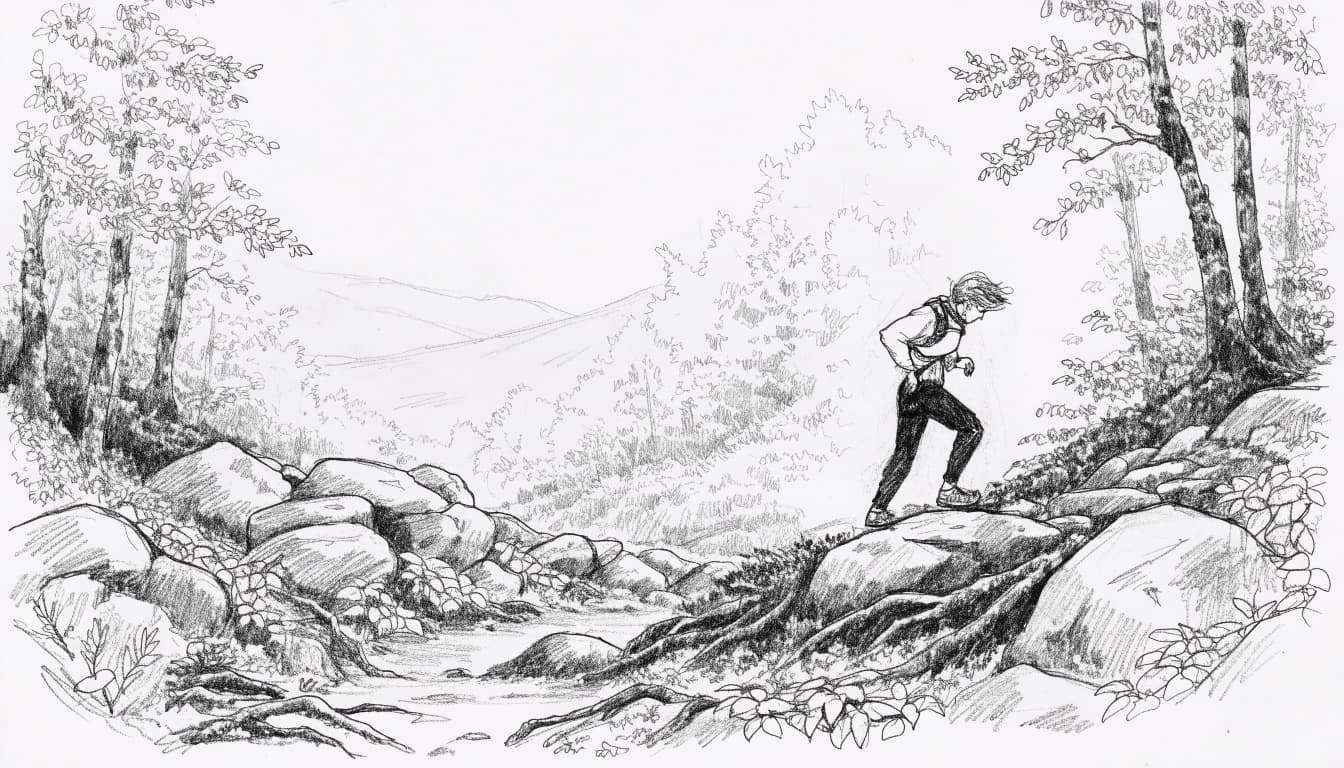
Virginia weather shifts with the season, elevation, and location. A warm valley forecast may not match conditions on a mountain ridge; Shenandoah National Park notes that mountain temperatures are often cooler than those below. Check the Shenandoah weather forecast as a reminder to assess conditions by location, then review the forecast for your own race area.
Prepare for the conditions your event could bring. In hot weather, practice drinking and fueling during runs, and adjust effort rather than chasing a pace. For rain, expect slick rocks and muddy sections. Cold-weather events may call for extra layers, while fog or darkness can reduce visibility. If storms are forecast, take lightning seriously and follow the race organizer’s updates and safety instructions.
Test your shoes, fueling, and race-day gear
Choose trail shoes with grip suited to the course. A rocky route may call for a secure fit and protective sole; muddy trails may need deeper lugs. Comfort matters as much as tread, so test shoes on comparable terrain before race day. Blisters, pressure points, or a slipping heel are easier to address during training than during an ultra.
Practice with the hydration system and nutrition you plan to carry. Use long runs to find out what you can eat and drink comfortably, and note how much water you need under different conditions. If the course has long gaps between aid stations, train with the capacity to carry what you’ll need between them.
Lay out and test layers, lights, poles, or other equipment required for your event. A headlamp should fit securely and have enough power for the expected hours of use. Follow the organizer’s current gear list, especially for ultras, and don’t assume last year’s requirements still apply. Check that each item works together before race morning, then keep your training choices aligned with the course and forecast.
Plan the trip and race day before you hit the trail
A well-planned race day starts before you reach the trailhead. Virginia trail races can take runners to remote mountain venues, where parking, lodging, cell service, and access to supplies may be limited. Check the organizer’s current instructions and build a backup plan before you travel.
Check registration, travel, and event rules early
Confirm the race date, entry requirements, start location, and registration status directly with the organizer. Popular races may fill, so don’t assume you can register close to race day. Also check whether the event has changed its course, start time, or procedures since a previous edition.
Plan the trip around the details that affect your arrival: parking locations, road access, lodging, and the timing and location of packet pickup. Some events require runners to collect their bibs before race morning, while others offer pickup at the start. If the venue sits far from town, book lodging early and bring food, water, and supplies you may not find nearby.
Cell coverage can be unreliable in Shenandoah National Park, according to the National Park Service’s visitor information. Download directions and course information before leaving home, and share your plans with someone who isn’t attending. Remote venues may also have limited services, so don’t count on finding last-minute fuel, food, or gear nearby.
Know what aid stations, crews, and pacers can provide
Aid-station spacing affects how much food, water, and required equipment you’ll carry between stops. Review the course map and race rules to see where stations sit, what support they provide, and whether you can reach them by car. Crew access may be limited to certain locations, and some races don’t allow pacers or restrict when they can join you.
Build your plan around the rules for your specific event, not another race’s setup. Carry the required supplies even if you expect crew support, and decide what you’ll do if a crew member arrives late or can’t reach an aid station. A simple backup, such as extra calories and a reliable way to carry water, can keep a small travel problem from disrupting your race.
Run safely and care for Virginia’s trails
Pack any required navigation and emergency gear, and learn how the course is marked before the start. Follow the markings rather than relying only on a downloaded route, since devices can lose power or signal. Check the forecast for the race area, prepare for changing mountain conditions, and follow organizer updates if weather affects the event.
Stay on the marked route, even when a shortcut looks tempting. Pack out wrappers and other waste, and follow local park rules for restrooms and trail access. The Leave No Trace principles offer clear guidance for protecting trails and natural areas. Each race has its own rules, so review them before traveling and carry what you need to follow them.
Frequently Asked Questions
Virginia trail races vary widely in distance, terrain, and race-day logistics. These answers can help you narrow your options and know what to check before signing up.
What are some of the best-known trail races in Virginia?
The Massanutten Mountain Trails 100, Grindstone 100, and Hellgate 100K are well-known choices for runners seeking long mountain events. For shorter ultras, consider the Promise Land 50K, Holiday Lake 50K, and Terrapin Mountain 50K. The best fit depends on the distance you can prepare for, the terrain you’re comfortable running, and your experience with long trail events.
Are there beginner-friendly trail races in Virginia?
Yes. Virginia’s calendar includes shorter races as well as ultras, giving new trail runners a chance to start with a manageable distance. For example, the New River Trail race listings include 5K, 10K, and 25K options alongside longer events. Before registering, review the course details and cutoff time, then build trail experience before choosing a remote or highly technical race.
When is trail race season in Virginia?
Events take place in different seasons, so you can find races across much of the year. Timing varies by race and year, and seasonal conditions can change what a course feels like, especially on exposed or higher-elevation trails. Check the organizer’s current calendar for confirmed dates, registration status, and any updates about the route or expected conditions.
How difficult are Virginia trail races?
Difficulty depends on more than mileage. Elevation gain, rocky or root-covered footing, weather, and cutoff times all affect how demanding race day will be. A rolling forest course may feel manageable at a steady effort, while a steep mountain ultra with technical descents can take far longer and require more concentration. Compare the course profile and terrain notes with the trails you’ve trained on.
What should I bring to a Virginia trail race?
Bring trail shoes suited to the surface, enough hydration and nutrition for the gaps between aid stations, and layers that match the forecast. Some events also require items such as a headlamp, emergency gear, or a reusable cup. For instance, the New River Trail races specify that runners need to carry a reusable or collapsible cup. The current gear rules for your specific race take priority, so check the organizer’s instructions before packing.
Do I need a crew or pacer for an ultramarathon?
Many runners finish ultras without a crew or pacer, but each event sets its own rules. Some races limit crew access to designated aid stations, while others restrict pacers or allow them only during certain sections. Read the current policy and plan support around both the course and your needs, including what you’ll carry if help can’t reach you.
Conclusion
Trail races in Virginia welcome runners at many levels, from a first forest race to a rugged mountain ultra. The best choice is one that matches your experience and goals, with enough time to train for its distance, climbs, and terrain.
Before race day, check the current course, cutoff times, aid-station details, and gear rules. Then choose a goal that fits your life and start preparing for it. With a sensible plan and steady training, Virginia’s trails can offer a rewarding next step in your running.


