

Trail Races in Utah: Slickrock Climbs and Canyon Views
Utah’s trail races trade high alpine ridgelines for red-rock canyons and wide-open desert trails, giving runners strikingly different courses across one state. That variety makes choosing the right event part of the challenge: distance alone won’t tell you how steep, technical, or demanding a race may feel.
This trail races guide highlights notable races and helps you match an event to your experience and goals. You’ll also find practical ways to prepare for Utah’s altitude and changing conditions, so you can choose your course with confidence. Be sure to check out the RunDreamAchieve YouTube channel for weekly running tips.
Key Takeaways
- Trail races in Utah range from red-rock desert routes to steep alpine singletrack, so choose by terrain and elevation, not distance alone.
- Before registering, study the course profile, surface, cutoff times, aid-station spacing, and required gear to match the event to your experience.
- Train on sustained climbs and descents, then practice fueling and hiking steep grades with the equipment you plan to race in.
- Because altitude can affect effort, arrive early when possible and review Princeton’s high-altitude acclimatization guidance.
- Prepare for changing weather with layers, sun protection, and enough water capacity for the course’s aid-station gaps.
Trail Races in Utah Bring Together Red Rock, Desert, and Alpine Trails
Utah’s trail races cross a striking range of terrain. Runners can climb high in the Wasatch, pick through southern Utah’s desert trails, or race on an island surrounded by the Great Salt Lake. Distances, routes, and race calendars can change from year to year, so check each organizer’s current course information before booking travel or choosing a training plan.
Run High-Elevation Courses in the Wasatch Range
The Wasatch offers steep climbs, mountain singletrack, and thinner air that can make a familiar pace feel harder. Races such as the Wasatch 100 and Speedgoat 50K at Snowbird suit runners who enjoy sustained climbing and technical trails. Expect effort to vary with elevation, footing, and the course selected for that year’s event.
The Wasatch 100 race details and Speedgoat 50K course information can help you assess the current distance, elevation profile, and requirements. These are demanding mountain events, so compare their course demands with your training history, not just your finishing goals. Practice long climbs and controlled descents, and give yourself time to adjust if you live at lower elevation.
Explore Southern Utah’s Red Rock and Desert Routes
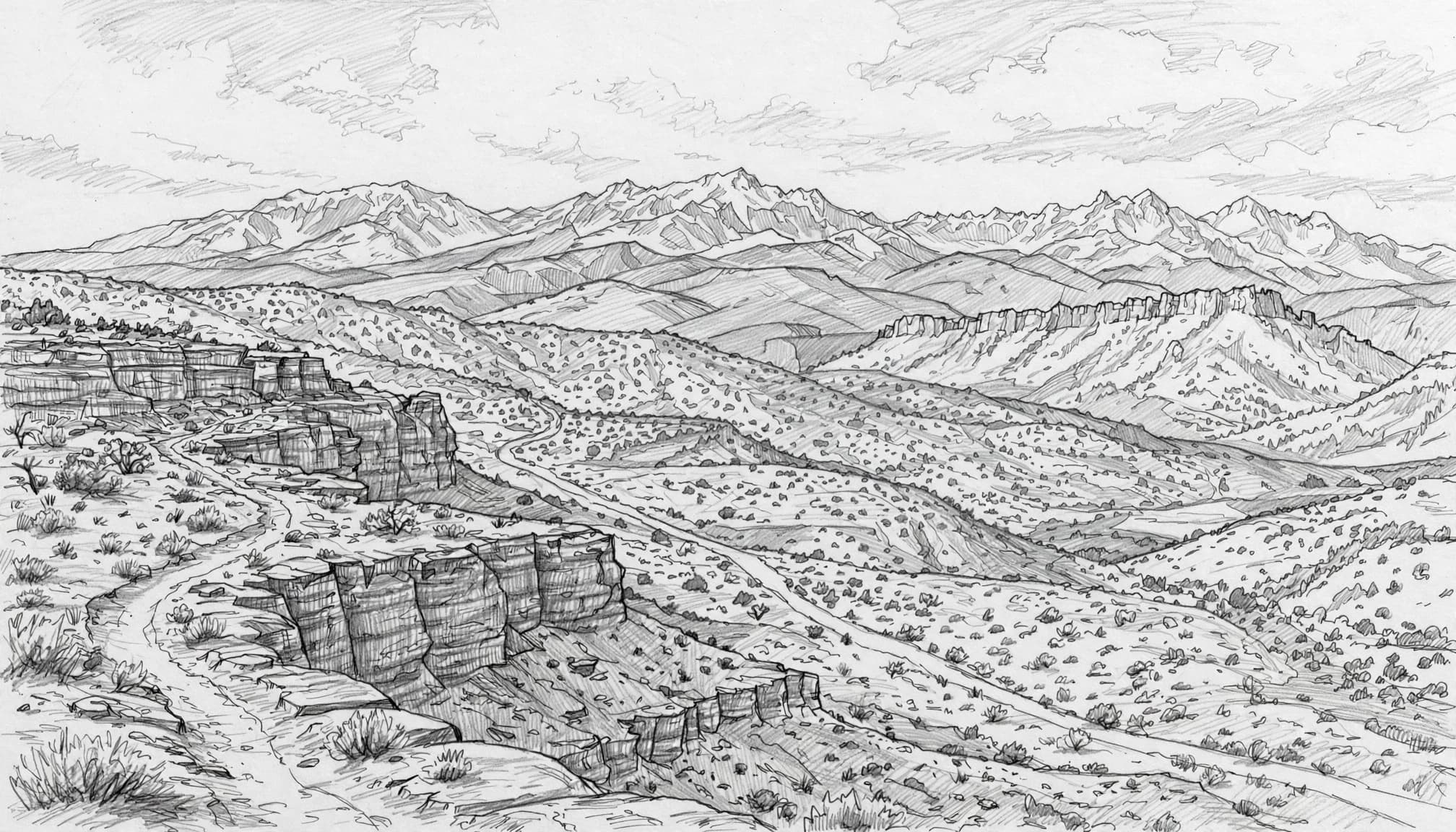
Southern Utah’s races bring a different challenge: rocky surfaces, exposed stretches, and open desert terrain. The Red Hot and Moab Trail Marathon offer examples of the region’s rugged routes, though scenery and conditions depend on the actual course and weather. A route may include slickrock or dirt trail, with little shade across some sections.
For current distances and course maps, consult the Red Hot race information and the organizer’s details for any Moab Trail Marathon event you’re considering. Exposure can make heat and direct sun a serious concern, even when the calendar suggests cool weather. Carry the required water capacity, use sun protection, and check aid-station spacing before race day. Train on uneven ground as well, since rocky footing can slow your pace and tire your legs.
Find Island and Long-Distance Challenges
The Antelope Island Buffalo Run offers a distinctive setting, with trails on an island in the Great Salt Lake and wide-open views across the water and surrounding landscape. Check the current event page for its available distances and route details, since offerings can change.
For experienced ultrarunners, the Bear 100 is a longer point-to-point challenge in northern Utah. Its distance and extended time on course call for a different level of preparation than a first trail race. Review the Bear 100 event listing alongside the organizer’s current information before making plans. If you’re new to trail racing, start with a shorter event that fits your training, then build toward an ultramarathon as your experience grows.
Choose a Utah Trail Race That Fits Your Experience and Goals
Utah’s trail races vary in distance, footing, elevation, and atmosphere. The right choice depends on how you train and what kind of challenge you want, because a race’s mileage alone can’t predict how hard it will feel. Compare the full course with your recent experience before you register.
Match the Distance to Your Current Training
Short trail events can offer a first taste of uneven footing and climbing without requiring the long training block of a marathon. A half marathon adds more time on course, while a trail marathon may demand steady effort over longer climbs and descents. For newer runners, building distance gradually gives the body time to adapt to trails as well as longer outings.
A 50K is an ultramarathon, and races longer than that can keep runners moving well beyond a typical day of running. At these distances, time on your feet matters as much as pace. You may hike steep grades, slow down over rocks, and spend hours between aid stations. A runner comfortable with road-marathon pace may still need specific trail preparation before taking on a mountainous ultra.
Choose Your Distance, Duration and Goal Time
Make three quick selections and open the exact plan built for your race target.
Looking for a Fully Personalized Training Plan?
The training plans above are an excellent choice if they match your goal. However, if you’d rather train with a plan built specifically around your current fitness, goal race, preferred training days, weekly mileage, and target finish time, our RDA Custom Training Plans provide a personalized solution. We also have running courses available for runners seeking to run faster from the mile to the marathon.
Why Choose a Custom Training Plan?
| Standard Training Plan | RDA Custom Training Plan |
|---|---|
| Follows a fixed schedule | Built around your schedule |
| Standard weekly mileage | Peak mileage customized for you |
| Fixed workout days | Train on the days you choose |
| Same structure for everyone | Designed around your current fitness |
| Static plan | Updated as your fitness improves |
| One-time purchase | Ongoing personalized coaching and support |
What You’ll Receive
- A training plan built specifically for your goal
- Personalized training paces
- Long runs, tempo runs, threshold workouts, interval sessions, recovery runs, and easy runs
- Peak weekly mileage matched to your experience level
- Flexible training schedule that fits your life
- Ongoing plan adjustments as your fitness improves
Ready to Train Smarter?
Stop guessing and start following a plan built specifically for you, your schedule, and your racing goals.
Read the Course Profile, Not Just the Race Name
Elevation gain changes the workload even when two races share the same distance. A short course with a sustained climb can feel harder than a longer route with rolling terrain. For example, the Speedgoat 10K course profile lists 1,650 feet of climbing, a useful reminder to check the numbers rather than assume a shorter race is easy.
Altitude can also raise perceived effort, while steep descents and rocky footing tax the legs in different ways. Check the current course map, elevation profile, cutoff times, aid-station spacing, and required gear list. These details help you judge whether you can maintain a safe pace, carry enough water, and meet the race’s rules. Course information can change, so use the organizer’s latest details when planning.
Decide What Kind of Race-Day Setting You Want
A mountain race often brings sustained climbs, cooler air, and technical singletrack. Desert events may offer red-rock scenery and exposed sections where sun and water planning matter. On Antelope Island, the Buffalo Run gives runners open views across the Great Salt Lake, with a more remote feel than a race close to town. Check the Buffalo Run event details for its current race options.
Setting affects more than scenery. Remote courses may have longer gaps between aid stations, while popular events can bring more runners and spectators. Technical trails require sure footing; travel to a mountain or island start may also mean extra lodging and transport planning. Choose the setting that matches your comfort with terrain, solitude, and logistics, then let the course specifics guide your final decision.
Train for Utah’s Climbs, Altitude, and Technical Trails
A strong road-running base helps, but Utah trail races ask for more than steady mileage. Match your training to the course’s climbing, descent, footing, and elevation, then build those demands gradually. A desert route and a high Wasatch course may share a race distance but require different preparation.
Build Climbing Strength and Descending Control
Hill repeats develop the power to climb without turning every uphill into a race. Start with a manageable number of short repetitions, run them at a controlled effort, and add volume over several weeks. For a course with long ascents, include sustained climbs at an effort you can maintain. Practice hiking steep grades, too. Efficient hiking can conserve energy when running uphill becomes costly.
Downhill practice matters just as much. Choose a safe slope and descend with quick, light steps rather than reaching far ahead with each stride. Gradually increase the length or steepness of downhill segments as your legs adapt. Strong quads help absorb repeated impacts, while deliberate foot placement keeps you steady on Utah’s uneven trails. Avoid adding hard downhill work when fatigue or soreness could compromise your form.
Practice on Rocks, Dirt, and Changing Trail Surfaces
Run trails regularly, not only on race week. Seek routes with the kind of footing your event features, including loose dirt, embedded rocks, turns, and uneven ground. This practice helps you adjust stride and pace as the surface changes. It also shows whether you tend to tense up or look too far ahead on technical sections.
Use training runs to test your trail shoes, socks, hydration setup, and any required gear. Check for hot spots, slipping, or pressure before you commit to a long outing. Then test adjustments on another run, rather than making a first-time change at the start line. For longer races, carry the equipment you plan to use and practice reaching for water or fuel while moving.
Prepare for Altitude Without Rushing the Build
At elevation, a pace that feels easy at home can demand more effort. Give yourself room to slow down, especially early in the race, and judge effort by breathing and perceived exertion instead of forcing a familiar split. That approach matters on climbs, where steep grade and thinner air can compound the workload.
If travel allows, arriving early may give some runners time to adjust, but a short stay cannot guarantee protection from altitude effects. The CDC’s high-altitude travel guidance explains acclimatization and altitude illness. During training, increase mileage and climbing gradually, with recovery between demanding sessions. Build toward the specific course profile instead of trying to simulate every race challenge at once.
Plan for Utah Weather, Gear, and Race-Day Logistics
Trail races in Utah can feel very different depending on the region, elevation, and date. A spring desert start may bring strong sun, while a high mountain course can begin cold and windy. Plan around the specific race, then use the organizer’s latest instructions to confirm what to carry and where to be.
Pack for Heat, Cold, Sun, and Sudden Changes
Desert courses can leave runners exposed to direct sun with little shade. Mountain starts, higher elevations, and changing weather can bring chilly air, wind, or rain, even when nearby valleys feel warm. Conditions also shift by season, so don’t assume a familiar Utah race will feel the same each year.
Check the forecast close to race day for the start area and any higher or remote sections on the route. The National Weather Service’s Utah forecast is a useful place to check regional conditions. For southern Utah events, the National Park Service notes that Arches weather can change quickly, with hot days and cool nights.
Choose clothing that fits the forecast and lets you adjust as conditions change. Sun protection, a light layer, and weather protection may all matter, but the race organizer’s current gear rules are the final guide. Check the mandatory list before packing, since required equipment and cutoff checks can vary by event.
Plan Hydration, Fuel, and Aid-Station Needs
Before race day, map out where the aid stations sit and how far apart they are. Read what each station provides, including water, sports drink, or food, and note any self-sufficiency rules. A long gap between stations may mean carrying more than you would on a short, well-supported course.
Use training runs to settle on your hydration setup and fuel. Test the foods and drinks you expect to use, along with the vest or bottles you plan to carry. Race day is a poor time to try a new gel or rely on an unfamiliar station menu. Match your supplies to the event’s rules and the time you expect to spend between stops.
Book Travel and Lodging Around the Course
Out-of-town runners should confirm the start and finish locations before booking a room. A point-to-point course may end far from the start, so check whether the organizer provides a shuttle and where runners need to park. Also review packet-pickup hours, since arriving after pickup closes could complicate race morning.
For remote events, allow extra time for driving, parking, and reaching the start. Save directions and race-day details offline, and don’t assume you will have phone service along the route or near the venue. A little preparation the night before helps you start focused, with your gear, transport, and timing already settled.
Make Race Week and Race Day Work in Your Favor
The final week is for arriving rested, not squeezing in extra fitness. On race day, let the course, weather, and footing guide your effort instead of chasing a pace that belongs on a road.
Use the Final Week to Arrive Rested and Ready
Reduce your training volume as race day approaches, while keeping a few short, easy runs if that fits your plan. The goal is to shed fatigue without adding unfamiliar workouts. A 2023 review of endurance athletes found that tapering can improve performance; its analysis of tapering strategies supports reducing training volume before competition.
Use the extra time to review the current course map, elevation profile, aid-station locations, cutoff times, and race instructions. Check required gear and weather updates, then lay out your shoes, socks, layers, and hydration setup. If the course has a long gap between aid stations, confirm you can carry what you need.
Keep meals, sleep, and daily routines familiar. Avoid last-minute training experiments, new supplements, or untested gear. A coach or structured plan can help you target a specific Utah race and organize the taper, especially if the course’s distance or climbing differs from your usual training.
Pace by Effort and Adjust to the Trail
Road pace can mislead on steep grades, loose dirt, rocky footing, and high-elevation climbs. A split that looks slow may reflect sensible effort on a demanding section, while forcing a familiar pace can drain energy you’ll need later. Start patiently and judge effort by breathing and how your legs feel, not by road-race expectations.
On steep climbs, hike when running becomes inefficient. Use a brisk, steady walk, then return to running when the grade eases and your effort settles. Descend with control, too; rough ground and sharp turns can slow you down, and pushing recklessly early may leave your legs battered for the later miles.
Stay flexible if weather or footing changes. Wind, heat, rain, or loose trail can alter how quickly you move and how often you need to drink. Adjust your pace and clothing to the conditions, and keep your attention on the next section rather than trying to recover lost time. Across trail races in Utah, a steady effort that fits the terrain is more useful than holding one pace from start to finish.
Frequently Asked Questions
Even after you choose a race and build your training plan, event-specific rules can affect your gear, support crew, and race-day strategy. Check the current race guide before making plans, since policies can differ across trail races in Utah and may change from year to year.
Are pacers allowed at Utah ultramarathons?
Pacer rules vary by event and distance. Some races allow a pacer only during part of the course, while others set limits on where pacers can join or how many a runner may use. Before race day, check the current race guide for the point where a pacer may start, permitted sections, age restrictions, and any registration requirements. If the rules are unclear, ask the organizer rather than assuming a pacer can accompany you.
Can I use trekking poles in a Utah trail race?
Pole rules depend on the race and course. Organizers may allow poles throughout the route, restrict them to certain sections, or prohibit them because of course conditions and safety concerns. Read the event’s current gear policy before packing poles, then practice with them on similar climbs and descents if they’re permitted. Using poles for the first time on race day can disrupt your rhythm and make crowded trail sections harder to manage.
How do race cutoffs work on an ultramarathon course?
A cutoff is a time limit for finishing the race or reaching a specific checkpoint. When a course has intermediate cutoffs, runners need to maintain enough progress to reach each one on time, not just finish before the overall deadline.
Organizers set the locations and rules, including what happens if a runner arrives after a cutoff. For example, the Wasatch 100 FAQ identifies course cutoff points and drop-bag locations, so review your event’s guide and plan your effort around its checkpoints.
Do trail races in Utah provide a drop bag?
Some events transport drop bags to designated aid stations, while others limit the number of locations or don’t offer drop bags. A bag can hold supplies you may want later, such as a change of clothing or familiar nutrition, but the organizer’s rules determine what you can send and where you’ll get it back.
Read the race instructions for required labels, drop-off deadlines, accepted items, and pickup procedures. Pack only what you’ll need at the listed stations, since bags may not be accessible elsewhere on the course.
Can I switch to a shorter distance after registering?
A distance change depends on the event’s policy, available spots, and deadlines. Some organizers may allow a switch before a set date, while others may restrict changes or close shorter distances once they fill. Contact the race organizer before making plans, and get confirmation before training or travel decisions rely on a switch. Don’t assume you can change distances at packet pickup or on race morning.
Conclusion
Trail races in Utah offer a route for many kinds of runners, from first-time entrants to experienced ultrarunners. The best fit depends on your current fitness and the course’s terrain, elevation, and race-day demands, not just its distance.
Choose an event that matches your experience, study its latest course details, and build your training patiently. With steady preparation and realistic pacing, you can meet Utah’s trails ready for the challenge, whether your race winds through desert rock or climbs into the mountains.


