

Trail Races in Texas: Hill Country Grit and Big Sky Finishes
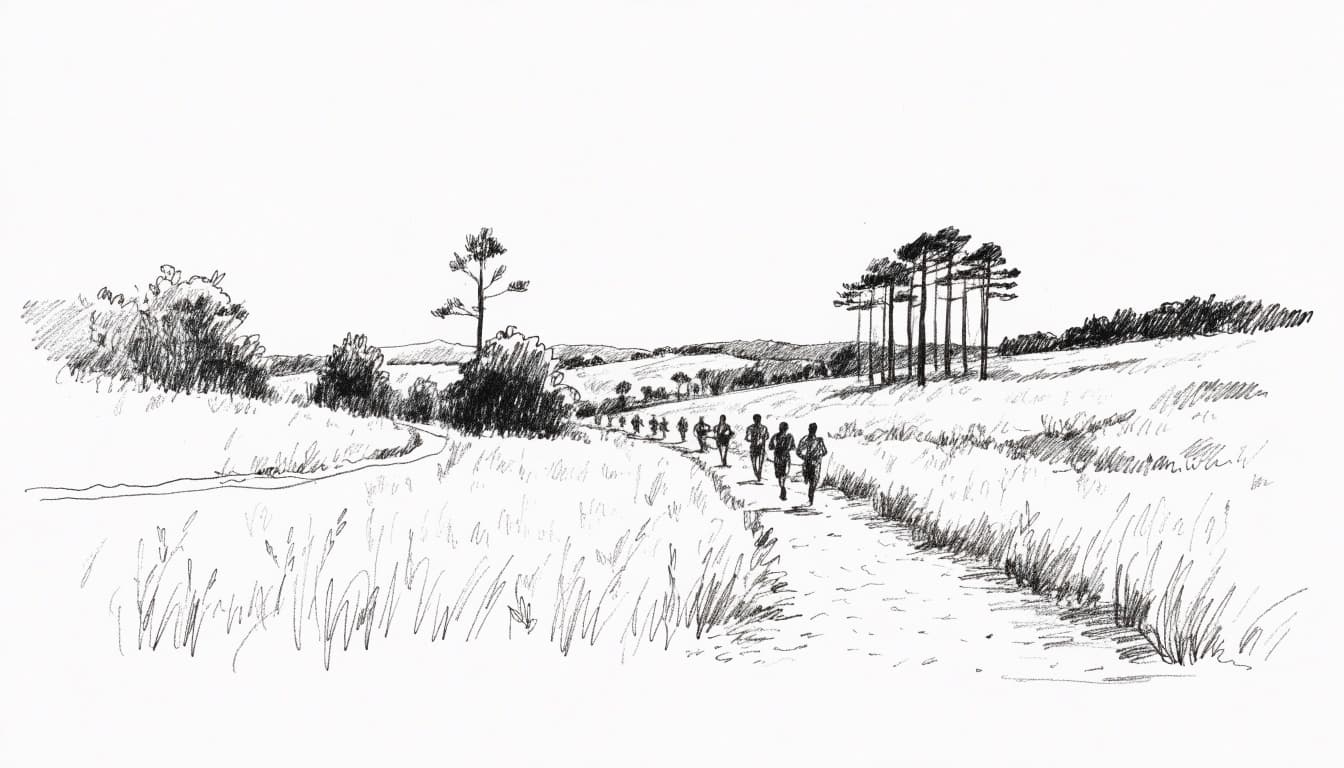
Rocky Hill Country climbs, shaded pine paths, and wide-open Texas views give trail races across the state a character all their own. You’ll find trail race events for first-time trail runners as well as seasoned ultrarunners, with courses that range from approachable park loops to demanding, rocky routes.
Choosing the right race means matching its distance and terrain to your experience, goals, and training time. As you explore trail races in Texas, you’ll find practical ways to locate an event, compare course details, and prepare for the conditions you may face on race day. Be sure to check out the RunDreamAchieve YouTube channel for weekly running tips.
Key Takeaways
- Choose a distance that fits your current trail-running experience, training time, and goals; a shorter race can still feel demanding on technical ground.
- Compare course surfaces, elevation changes, shade, and loop layout, since these details often shape race-day effort more than mileage alone.
- Texas conditions vary by region and season, so consider heat, sun exposure, and water access when deciding whether a course suits you.
- Before registering, check the event’s current course and logistics. Texas Parks and Wildlife’s race calendar lists park events, while race organizers provide event-specific details.
Trail Races in Texas: Find an Event That Fits Your Kind of Trail
Texas trail races vary sharply by region. A rocky course near Bandera asks for different footing and pacing than a shaded forest route or a grassy park loop. Use the terrain, course layout, and available distances to narrow your options, then check the race calendar before making plans. Event names, distances, and dates can change.
Run the rocky routes of the Hill Country
Around Bandera, limestone underfoot and rolling hills give the trails a rugged feel. Exposed stretches can add sun and heat to the effort, while uneven rock calls for steady footing. Even a shorter race here may feel demanding if you’re new to technical trails.
The Bandera Endurance Trail Race offers 100K, 50K, and 25K options, so runners can choose a distance that matches their preparation while facing the same distinctive Hill Country terrain. Check the current course details before registering, since route and event information can change.
Rocky Raccoon is a different kind of Texas trail race. It takes place in the pine woods at Huntsville State Park, not in the Hill Country, with a forest setting that shapes the course experience.
Explore pine forests and flatter park trails
At Huntsville State Park, Rocky Raccoon runs through East Texas pine forest. Tree cover may offer shade, though how much you get depends on the course and conditions. A wooded route can also feel different from open terrain, so review the race’s current map and surface details before choosing your distance.
Brazos Bend State Park offers another contrast. The Brazos Bend 100 is known for grassy, loop-based trails. Repeated loops can make pacing and aid-station planning more predictable, but each pass also gives you a clear sense of how your effort is holding up. Open park terrain may feel different from a shaded forest, especially in warm weather, so don’t assume every section offers the same exposure.
Look beyond the best-known race weekends
The largest events aren’t the only way to find a good match. Local trail-running groups, regional organizers, and race calendars can help you spot options in Central Texas and around Fort Worth. Browse schedules from Tejas Trails, Trail Racing Over Texas, and Texas Outlaw Running, then confirm details with the event organizer.
For a different race-day rhythm, El Scorcho is an example of a nighttime trail race in the Fort Worth area. Night events require runners to consider lighting and visibility alongside distance and terrain. However, event schedules can shift, so confirm that El Scorcho or any other race is still being held before building your training plan around it.
Choose a Texas Trail Race by Distance, Terrain, and Experience
The right trail race fits your current fitness and gives you enough time to prepare. In Texas, distance alone doesn’t tell the whole story: a short course over loose rock or in direct sun can demand more than a longer, shaded route. Compare the terrain and race format with your goals before you register.
Pick a distance that matches your current training
A short race, such as a 5K or 10K, can be a good first trail event because it gives you room to learn how your pace changes off-road. Still, rocky footing, steep climbs, heat, or limited shade can make those miles feel harder than road miles. Choose a distance you can prepare for safely, rather than signing up for a famous event just because its name carries weight.
A half marathon asks for more sustained effort and practice with fueling, especially if the route climbs or takes longer than your usual run. A trail marathon requires a larger training commitment, with enough recovery between demanding sessions. For an ultramarathon, plan for extended time on your feet and the added demands of fueling, pacing, and managing fatigue. Longer events also require more recovery afterward, so leave space in your schedule for both preparation and rest.
Your goal matters, too. If you want to gain trail experience, a shorter event on technical ground may teach you more than a longer race on smooth paths. If you already run trails regularly, a half marathon or marathon could offer a useful next challenge. Choose the event that suits your present training, not just the distance you hope to reach someday.
Choose Your Distance, Duration and Goal Time
Make three quick selections and open the exact plan built for your race target.
Looking for a Fully Personalized Training Plan?
The training plans above are an excellent choice if they match your goal. However, if you’d rather train with a plan built specifically around your current fitness, goal race, preferred training days, weekly mileage, and target finish time, our RDA Custom Training Plans provide a personalized solution. We also have running courses available for runners seeking to run faster from the mile to the marathon.
Why Choose a Custom Training Plan?
| Standard Training Plan | RDA Custom Training Plan |
|---|---|
| Follows a fixed schedule | Built around your schedule |
| Standard weekly mileage | Peak mileage customized for you |
| Fixed workout days | Train on the days you choose |
| Same structure for everyone | Designed around your current fitness |
| Static plan | Updated as your fitness improves |
| One-time purchase | Ongoing personalized coaching and support |
What You’ll Receive
- A training plan built specifically for your goal
- Personalized training paces
- Long runs, tempo runs, threshold workouts, interval sessions, recovery runs, and easy runs
- Peak weekly mileage matched to your experience level
- Flexible training schedule that fits your life
- Ongoing plan adjustments as your fitness improves
Ready to Train Smarter?
Stop guessing and start following a plan built specifically for you, your schedule, and your racing goals.
Read the course details before you register
Before paying an entry fee, study the course map and race information. Elevation gain shows how much climbing to expect, while the surface tells you whether to prepare for rock, dirt, grass, or a mix. Also check how many loops the race uses. Repeated loops make the route easier to learn, but they can feel mentally demanding as you pass the same landmarks again.
Cutoff times set the latest point at which runners can continue, often at an aid station. Check the limits against your expected pace, including time for hills, brief stops, and rough footing. UltraSignup’s race rules guidance explains how organizers communicate cutoffs and other race policies.
Aid-station spacing affects how much water and fuel you’ll need to carry between stops. Beginners benefit from knowing what support the course provides; experienced runners can use the distances to plan their race strategy. Finally, confirm whether the route is marked and what runners should do if they lose the trail. A well-marked course can still require attention, especially at turns or where paths cross.
Taken together, these details help you judge whether a race matches your fitness and goals. A shorter, exposed route with rocky climbs may call for more preparation than the mileage suggests, while a longer event needs a training and recovery plan that fits your life.
Know What Texas Trails and Weather Can Throw at You
Trail conditions in Texas can change over a single race, and the same course may feel different from one year to the next. Rain, recent trail maintenance, and weather on race day can all affect footing, pace, and how much effort a distance requires. Before you choose an event, look beyond its mileage and consider the surfaces and exposure you’ll encounter.
Expect more than one kind of trail underfoot
Hill Country routes may cross limestone shelves, rocky steps, and loose dirt that shifts underfoot. On these sections, runners often need to shorten their stride and watch where they place each step. Hills add another demand: a short course with steep climbs can take more time and energy than its distance suggests.
Forest trails offer a different test. Roots can catch a toe, while soft ground and mud after rain can slow progress or make turns slippery. A shaded forest route may feel cooler than an open course, but tree cover doesn’t guarantee firm footing or shade on every stretch.
Because conditions can change from year to year, read the latest course description and race updates rather than relying only on old photos or past results. Choose trail shoes for the route, not just the race distance. A rocky course may call for more protection and grip, while a muddy or root-covered trail demands secure traction and stable footing.
Plan around heat, cold, rain, and race season
Texas weather varies by region and season, so no single forecast pattern applies to every race. In warmer months, heat and humidity can make a familiar pace feel harder, especially on exposed routes with little shade. The National Weather Service’s heat forecast tools include wet-bulb globe temperature, which helps assess heat stress for active people.
Cooler months can bring comfortable running weather, but cold fronts may change temperatures quickly. Rain can soften dirt trails, create muddy patches, and make rocky ground slick. Some routes may also close when conditions are too wet. For example, Texas Parks and Wildlife notes that the Lake Mineral Wells State Park Trailway may close during wet weather.
Before race weekend, check the local forecast, the organizer’s course updates, and the event rules for weather-related changes or gear requirements. Then practice in conditions similar to those you expect, whether that means warm, humid runs or footing that’s wet and uneven. Adjust your effort to the day’s conditions, since holding your usual pace can cost more when heat, mud, or hills slow you down.
Train for Texas Trail Racing Without Guessing
Trail training should prepare you for the course, not just the mileage. If you usually run roads, build trail skills gradually while keeping the fitness you already have. Add uneven footing, hills, strength work, and recovery in steps your body can handle.
Build strength and confidence on uneven ground
Run on trails regularly when you can, even if those outings are shorter than your road runs. If trails aren’t nearby, use road runs to maintain aerobic fitness and add hill repeats or incline sessions for climbing strength. Increase your weekly distance gradually, and avoid adding extra mileage, steep hills, and technical terrain all at once.
On rocky or root-covered paths, shorten your steps and keep your eyes a few feet ahead. This helps you respond to changes in footing without reaching too far with each stride. Practice downhill running on a manageable slope, starting at an easy effort. Stay controlled rather than charging downhill, since descents can place extra stress on your legs.
Simple strength work can help support trail running. Add exercises such as squats, step-ups, calf raises, and planks once or twice a week, adjusting the load to your experience. Then allow time for recovery. Easy days and rest help you absorb harder sessions, while persistent soreness or unusual fatigue can signal a need to ease back.
Practice pacing, hydration, and fueling
Road pace can mislead you on Texas trails. Hills, loose rock, roots, and heat all affect speed, so guide your effort by breathing and how sustainable the pace feels. On steep climbs, a brisk hike may cost less energy than trying to run. Meanwhile, let your pace change with the terrain instead of forcing a road-race rhythm.
Use training runs to test how much water you need and whether electrolytes or familiar foods agree with you. Carry what you’ll need between aid stations, and practice using the same bottles, vest, or belt you expect to wear. Your plan should account for the weather and your own needs; avoid trying unfamiliar products on race day.
Heat also deserves practice, not guesswork. Build exposure gradually through easier runs in warmer conditions, and reduce effort when temperatures rise. The CDC’s heat acclimatization guidance explains how repeated exposure allows the body to adapt. Don’t treat a hot workout as a test of toughness; stop and seek help if you develop signs of heat illness.
Use a plan that fits your goal and starting point
A beginner preparing for a short trail race needs a different build than an experienced runner targeting an ultra. The shorter event may call for basic trail skills and steady conditioning, while an ultra requires more time on feet, careful fueling practice, and planned recovery. Match the training load to your current running, course terrain, and available time.
A written plan can help you balance easy runs, harder sessions, and rest without increasing everything at once. RunDreamAchieve offers training plans, custom plans, and one-on-one coaching for runners who want structured support. Choose an approach that fits your experience, then adjust it as your fitness and the race demands become clearer.
Make Race Weekend Easier With a Smart Plan
A little planning can keep race weekend focused on the trail, not a missed pickup window or a forgotten headlamp. For trail races in Texas, event logistics can vary by park and organizer, so use the current race instructions as your source of truth.
Sort out registration, travel, and event rules early
Check registration deadlines and the event’s transfer or refund policy before you commit. Then confirm where to park, whether camping is allowed, and which nearby lodging options make sense. Remote races and park-based events may have limited services or access, so read the organizer’s latest directions rather than relying on old reviews or a previous year’s details.
Build packet pickup, start time, and travel time into your schedule. If pickup closes before race morning, plan to arrive early enough to collect your bib without rushing. Review the course cutoff rules, too. Some races require runners to leave checkpoints by set times, and missing a cutoff can end your race even if you feel able to continue.
Pack gear for the course, not just the forecast
Choose trail shoes you’ve already worn on similar ground. A race isn’t the place to test new shoes, socks, or a hydration vest. Pack clothing for the expected conditions, but account for sun exposure, changing temperatures, and the time you’ll spend outdoors. A forecast is useful, though it doesn’t replace the event’s required gear list.
Charge your phone and check whether the race requires a pack, lights, or emergency items. Nighttime events may require a headlamp, and some organizers specify backup lighting or other safety equipment. Lay out required items the day before, then compare them with the current race instructions. The organizer’s list takes priority over general packing advice.
Use aid stations and recover with care
Study the course map to see where aid stations sit and what each one offers. If there are long gaps between them, carry enough water and fuel to cover the distance comfortably. Don’t assume a station will stock a particular drink or snack; bring familiar options if you rely on them. For useful planning ideas, review this guide to aid-station strategy for trail runners.
Keep wrappers and other personal trash with you until you reach a proper bin. After finishing, drink fluids and eat a meal or snack that feels manageable. Then give your body time to rest before returning to hard training. Mayo Clinic Health System’s post-race recovery tips offers additional guidance. Start moving again with easy activity, and build your usual training load back gradually.
Frequently Asked Questions
A few practical details can help you choose among Trail Races in Texas after you’ve compared distances and course profiles. Check current event information before you commit, since fees, dates, and race-day requirements can change.
What is a good first trail race in Texas?
Look for a short distance on a course whose surface and elevation are clearly described. A 5K or 10K can be a sensible start, but choose based on the route, not mileage alone: rocky climbs or exposed sections may feel demanding even over a few miles. Before signing up, confirm the course map, aid-station plan, cutoff rules, and required gear. Clear details make it easier to judge whether the event fits your experience.
Do I need trail shoes for a Texas trail race?
It depends on the surface. Road shoes may work on smooth, firm paths, while trail shoes can offer better grip and added protection on loose dirt, rocks, or root-covered ground. Check the race’s current course description for the conditions you’re likely to encounter, and consider whether rain could make the route slippery. Whatever you choose, test your shoes on similar terrain during training so race day isn’t their first outing.
Can I run a Texas trail race if I only train on roads?
Road training can build the aerobic fitness you need, but it won’t fully prepare you for uneven footing, frequent turns, or hills. Trail pace also varies more with terrain, so a road pace target may not reflect your effort on race day. When possible, add short trail sessions to practice footing and pacing; if trails aren’t nearby, hill repeats can help prepare your legs for climbs.
How much does it cost to enter a trail race in Texas?
The fee varies by event, distance, and registration date. Some races use registration tiers, so the price may change as a deadline approaches or a participant limit fills. Check the race’s current registration page for the exact fee, then review possible extras such as parking, camping, or required gear. Don’t rely on a prior year’s price, since current costs and policies may differ.
Are Texas trail races held year-round?
Races take place in different seasons, but each event’s dates can change from year to year. Check current calendars, including the schedule from Trail Racing Over Texas, and confirm the date with the organizer before planning travel. Weather matters, too: a warm-season race may require more attention to heat and sun, while rain can affect footing or course access. Choose a date that gives you time to train for both the distance and likely conditions.
Conclusion
Trail Races in Texas offer a wide range of experiences, from short forest runs to demanding ultras. The best race for you is the one that matches your goals, current training, and comfort with the course.
Choose a distance you can prepare for, then study the terrain and plan for the weather. With the right preparation, you can reach race day ready to enjoy the trail beneath your feet and the miles ahead.
Texas has a course for every kind of trail runner. Pick one that fits, prepare well, and take your first step toward race day.


