

Trail Races in Colorado: High-Altitude Grind, Huge Payoff
Colorado’s high peaks, pine forests, and rugged singletrack make every trail race feel connected to the mountains around it. Events range from short mountain runs to demanding 100-mile ultras, but distance alone doesn’t tell you how a course will feel. Altitude, steep climbs, rocky trails, and changing weather can shape your race just as much as the mileage.
Choosing an event that fits your experience and preparing for its specific demands can make the day safer and more rewarding. This guide will help you compare Colorado trail races, train for altitude and technical terrain, and plan the details that matter before race day. First, get a sense of what the state’s courses are like. Be sure to check out the RunDreamAchieve YouTube channel for weekly running tips.
Key Takeaways
- Choose a race distance that fits your current training, then compare elevation gain and trail difficulty before registering.
- Trail Races in Colorado can feel harder than their mileage suggests because altitude, steep climbs, and rocky footing add extra demands.
- Build fitness on hills and uneven trails, and practice controlled descents before race day.
- If you travel above 8,000 feet, give your body time to adjust; the CDC’s high-altitude travel guidance advises avoiding heavy exercise during your first 48 hours.
- Check the course rules, aid-station details, and weather forecast, then pack food, water, and layers suited to the conditions.
What Trail Races in Colorado Are Like, From Alpine Trails to High-Altitude Ultras
Colorado trail races cover a wide range of mountain settings. A course may follow smooth pine-forest singletrack, climb steep switchbacks, or cross a rocky ridge with little shelter from the weather. Above all, altitude changes the effort: running at elevation can make a familiar pace feel harder, especially on long climbs.
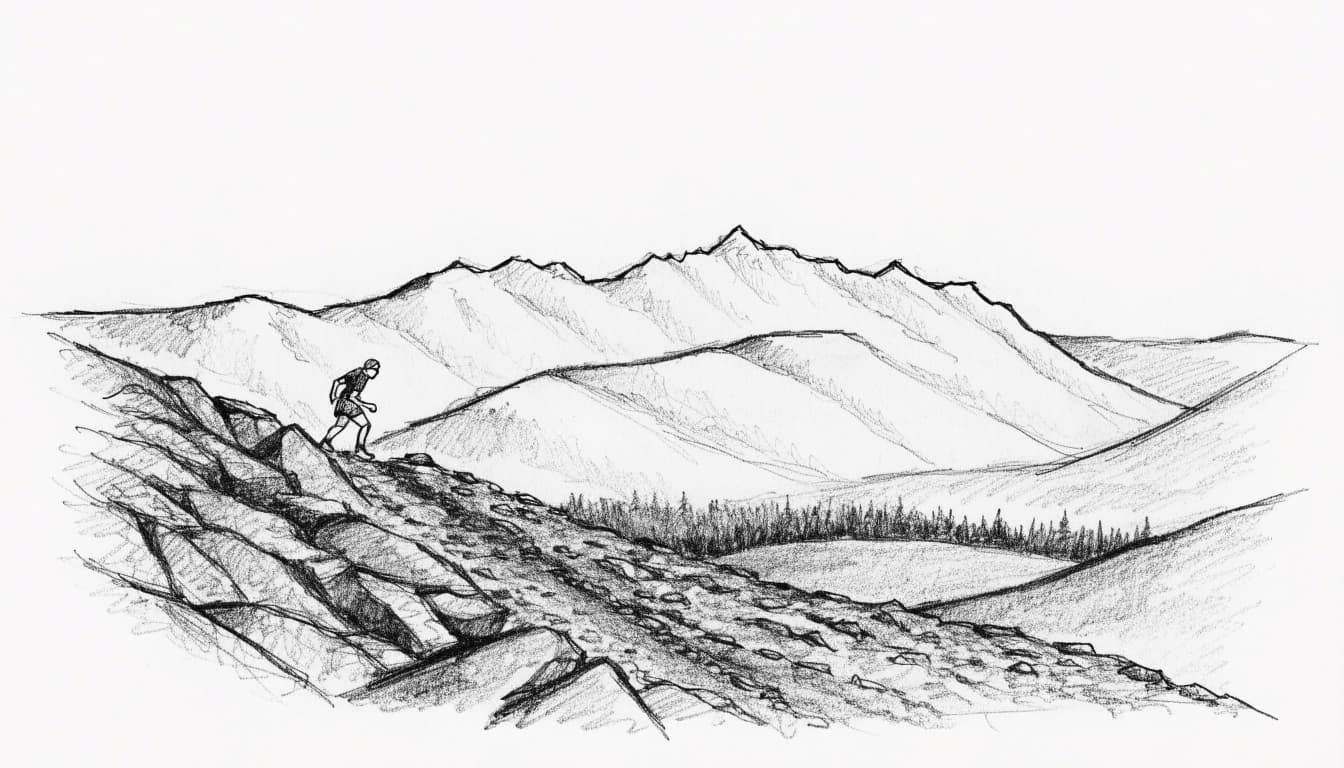
Colorado trail races range from short runs to 100-mile challenges
A 5K or 10K trail race can be a manageable first step onto uneven ground, though steep grades and loose rocks may slow the pace compared with a road race. Longer options include mountain marathons, 50Ks, and ultramarathons of 100 miles. Each adds time on the trail, but distance alone doesn’t define difficulty.
Elevation gain, technical footing, altitude, and exposure all matter. A shorter race with a sustained climb can feel tougher than a longer event on runnable forest paths. Before choosing, compare the course profile and surface with the terrain you’ve trained on, not just the mileage.
Notable races give runners very different mountain experiences
The Pikes Peak Ascent focuses on a sustained climb to the summit, reaching 14,115 feet. The Pikes Peak Ascent course covers 13.3 miles from Manitou Springs, while the Pikes Peak Marathon offers a longer mountain challenge.
Leadville Trail 100 is known for its high-altitude, 100-mile course through Rocky Mountain terrain. Its start is listed at 10,200 feet, with the route climbing to 12,500 feet in some areas, so pacing and time at elevation become central concerns. The Leadville Trail 100 Run is a very different undertaking from a local foothills race.
Hardrock 100 brings another demanding mountain test, with roughly 66,000 feet of elevation change across its 100-mile distance. Meanwhile, the Never Summer 100K and Golden Gate Dirty 30 offer their own rugged Colorado trail experiences, with different course profiles and settings. Check each event’s current race information for confirmed course details and conditions.
Choose a region for the scenery and terrain you want
The Front Range foothills can offer quick access to forest paths, rolling climbs, and rocky sections near larger cities. Central mountain towns put runners closer to high-elevation terrain, but travel and lodging may take more planning. In the San Juan Mountains, races can feel more remote, with bigger mountain scenery and longer distances from major urban centers.
These are broad patterns, not guarantees. A foothills course can be steep and technical, while a mountain-town event may include runnable stretches. Compare the specific route, elevation profile, aid access, and travel logistics before you commit. Course conditions and event details can change by year, so use the race’s current information when planning your training and trip.
How to Choose a Colorado Trail Race That Fits Your Goals
The right Colorado trail race matches more than your preferred mileage. Consider your recent training, the demands of the course, your available time, and what you want from race day, whether that means finishing comfortably, testing your climbing, or tackling a new distance.
Match the distance and difficulty to your current experience
If you’re new to trails, start with a shorter event that gives you time to learn how uneven footing changes your pace. A 5K or 10K can be a useful first race, especially if you’ve trained on dirt and hills. Road runners moving onto trails can build gradually, first adding steady trail runs, then choosing a longer race once their legs are used to climbs and descents.
Your last road race result offers only part of the picture. A strong marathon finish doesn’t automatically prepare you for hours on rocky singletrack or sustained climbing. Instead, look at your recent weekly training, longest recent outings, and time on your feet. Choose a distance and terrain you can prepare for consistently, rather than one that depends on old fitness.
Compare elevation gain, surface, and cutoff times
A course profile shows where the route climbs and descends, and how sharply those changes happen. Check both total elevation gain and the shape of the climbs. One long ascent demands a different effort from repeated shorter hills, while steep descents can tire your legs even when the route looks runnable.
Read the race description for details that a mileage figure can’t convey. Rocky or loose sections, exposed ridgelines, and altitude may slow you down. Also check how far apart aid stations sit, what support they provide, and the overall time limit. For longer races, review intermediate cutoffs too. A generous-looking finish cutoff may still require you to reach a checkpoint at a demanding pace.
Choose Your Distance, Duration and Goal Time
Make three quick selections and open the exact plan built for your race target.
Looking for a Fully Personalized Training Plan?
The training plans above are an excellent choice if they match your goal. However, if you’d rather train with a plan built specifically around your current fitness, goal race, preferred training days, weekly mileage, and target finish time, our RDA Custom Training Plans provide a personalized solution. We also have running courses available for runners seeking to run faster from the mile to the marathon.
Why Choose a Custom Training Plan?
| Standard Training Plan | RDA Custom Training Plan |
|---|---|
| Follows a fixed schedule | Built around your schedule |
| Standard weekly mileage | Peak mileage customized for you |
| Fixed workout days | Train on the days you choose |
| Same structure for everyone | Designed around your current fitness |
| Static plan | Updated as your fitness improves |
| One-time purchase | Ongoing personalized coaching and support |
What You’ll Receive
- A training plan built specifically for your goal
- Personalized training paces
- Long runs, tempo runs, threshold workouts, interval sessions, recovery runs, and easy runs
- Peak weekly mileage matched to your experience level
- Flexible training schedule that fits your life
- Ongoing plan adjustments as your fitness improves
Ready to Train Smarter?
Stop guessing and start following a plan built specifically for you, your schedule, and your racing goals.
Choose a season that works with your training and travel plans
Pick a date that leaves enough time to build the fitness the course requires. A spring race may call for winter hill training, while a late-summer event could fit a longer training block. However, mountain weather can shift quickly, and conditions vary with elevation and year. The National Park Service’s Rocky Mountain weather guide outlines how conditions can differ in the high country.
Travel matters as well. Account for lodging, transportation, and time to settle in before the start, especially when the event begins at elevation. Before booking, review the race’s current calendar, route, aid-station plan, and rules. Event dates and course details can change, so base your training and travel plans on the latest information from the race organizer.
Train for Colorado’s Altitude, Climbs, and Technical Trails
Training for trail races in Colorado means preparing for more than the distance. If you live at lower elevations or mostly run roads, build mountain-specific strength gradually and give yourself time to adjust to unfamiliar conditions. Shape the plan around your health, experience, and race demands, and get medical advice if you have concerns about altitude or exercise.
Build climbing strength and practice controlled descents
Start with manageable hills and increase the length or steepness over time. On steep grades, power hiking is a useful skill, not a training failure. Practice a steady hike with short steps and relaxed breathing, then return to running when the slope eases.
Downhill practice matters just as much. A climb may feel controlled, yet the descent can leave your legs sore and heavy. The repeated braking motion places stress on the muscles, especially when the trail is steep or rocky. Begin on safe, familiar terrain, focus on balanced steps, and add technical descents gradually rather than charging downhill to chase speed.
Prepare for altitude without rushing your effort
At elevation, a pace that feels comfortable at home may demand more effort. Visitors can notice this on climbs and during harder workouts, so use breathing and perceived effort instead of relying only on familiar road paces. Keep early runs and race efforts controlled, especially if you arrive shortly before the start.
When practical, arrive early enough to spend a few nights at elevation before going higher. The CDC’s high-altitude travel guidance recommends acclimatizing for two to three nights around 8,000 to 9,000 feet before proceeding to higher elevations. That guidance is not a guaranteed adjustment timeline for every runner. Ask a health professional about personal risks, particularly if you have a medical condition or have had altitude-related symptoms before.
Practice on trails that match your race conditions
Road fitness helps, but uneven trails ask your ankles and legs to respond to changing footing. Add trail time gradually, starting with smoother paths before moving to rocks, roots, or narrow singletrack. Use planned hiking breaks on climbs during training so you can test a sustainable rhythm before race day.
Practice with the gear and fueling strategy you expect to use, including your shoes, pack, poles, and nutrition. Check that shoes feel secure on descents, and try carrying the food and water you’ll need for longer outings. Build one change at a time, then allow recovery after demanding sessions. A plan that increases trail difficulty, climbing, and weekly volume all at once can leave you tired or injured before your race.
Plan Your Colorado Race Entry, Travel, and Safety
A spot on the start line takes more than choosing a distance. Before you commit, check the race’s current rules, book travel around its schedule, and prepare for conditions that can change quickly in the mountains.
Check registration rules, entry limits, and required gear
Popular Trail Races in Colorado may fill quickly or use a lottery. Others require a qualifying result, volunteer credit, or specific registration steps. Check the opening date, entry limits, and any deadlines before building your plans around a race.
Next, read the full runner guide. Course cutoffs can affect whether your goal is realistic, especially on a long route with sustained climbs. Review the mandatory gear list, too. Some events require items such as a jacket, headlamp, or water-carrying capacity, and organizers may inspect gear before the start. Use the race’s current official information for rules, permits, crew access, and aid-station policies, since requirements differ by event.
Before paying, understand the refund, deferral, and bib-transfer policies. A policy that allows transfers may have a deadline or require organizer approval. Knowing the terms early helps you judge the risk if illness, injury, or travel problems disrupt your plans.
Book lodging and plan your arrival with altitude in mind
Mountain-town lodging can be limited during race weekends, so reserve a room once your entry is confirmed. Check the distance between your lodging, packet pickup, the start, and any shuttle stop. A nearby address may still require a drive on winding roads or an early departure.
Build race check-in into your schedule. Some events require in-person packet pickup or gear checks, and late arrivals can create needless stress. If you’re traveling from lower elevation, arrive with enough time to settle in when possible. The CDC’s high-altitude travel guidance advises avoiding heavy exercise for at least the first 48 hours after arriving above 8,000 feet. Follow medical advice that fits your health and travel plans.
Prepare for changing weather and remote course sections
Mountain weather can shift fast, and exposed trails offer little shelter. Pack layers that work for cold starts and changing conditions, plus sun protection such as a hat, sunglasses, and sunscreen. Plan hydration for the course and weather, then check whether the event expects you to carry water between aid stations.
For remote stretches, know the route and carry any navigation tools the race requires. Follow organizer instructions about closures, weather holds, and emergency procedures. The National Weather Service’s outdoor lightning safety guidance recommends planning around thunderstorms in mountainous areas, where storms often develop early in the afternoon. Each race sets its own required gear, so use its current list rather than relying on a generic packing checklist.
Use a Smart Race-Day Plan for Colorado’s Mountain Courses
Turn your training into a steady effort by racing the course in front of you, not the pace you hoped to run on a road. In Trail Races in Colorado, altitude, climbing, and uneven footing can change how quickly effort builds. Start with patience, fuel before your energy fades, and adjust as conditions shift.
Start conservatively and hike steep climbs when needed
The opening miles can feel deceptively easy, especially when the pack is fresh and the trail is runnable. Hold back anyway. At altitude, a familiar pace may cost more effort, and pushing hard early can leave you struggling on later climbs.
Use breathing and perceived effort to guide your pace rather than chasing a road-race split. When the grade steepens, hiking can preserve energy and keep your effort controlled. You’ve practiced this in training; use the same purposeful stride, then run again when the terrain and your body allow. If you feel unusually breathless, dizzy, or unwell, slow down and seek help from race staff when needed.
Fuel and hydrate before you feel depleted
A race-day plan works best when you’ve tested it on long training runs. Practice carrying and eating the foods you expect to use, and note what sits well during climbs and sustained effort. The sports nutrition position stand from ACSM and partner organizations emphasizes matching nutrition and fluid strategies to the athlete and exercise demands, rather than relying on one routine for everyone.
Take small, regular opportunities to eat and drink before hunger or thirst becomes severe. Aid stations can help you refill and reset, but check in advance what each station offers and how far apart they are. Adjust for heat, cold, effort, and your personal needs. If a product or strategy is new to you, race day is a poor time to test it.
Stay flexible when weather or trail conditions change
Mountain conditions can shift during a race. Rain may make rocks slick, heat can raise the effort, and a storm may prompt organizers to change the route or pause the event. Follow course markings and race staff instructions, and carry the required safety gear even when the forecast looks clear.
Be willing to shorten your stride, slow down, or alter your fueling and hydration plan as conditions demand. A rigid pace goal can distract you from footing, weather, or how your body is responding. A controlled effort gives you more room to adapt and keep moving safely. Finish well by respecting the course, not by forcing a pace that no longer fits the day.
Frequently Asked Questions
A few practical details can still affect your race plan, especially when rules differ between events. Check the current runner guide before race week, then ask the organizer if any requirement remains unclear.
Can I use trekking poles in a Colorado trail race?
It depends on the event. Some races allow poles, while others restrict them or ban them, so read the current rules before packing yours. If they’re permitted, practice carrying and using them on similar climbs, and learn how to stow them safely on runnable or crowded sections. UltraSignup’s race rules guidance explains why organizers set event-specific requirements.
Are pacers allowed in trail races?
Some longer races allow pacers, but policies vary by event and may limit where a pacer can join or how many people can accompany you. A pacer usually needs to follow the same course and safety rules as other participants. Check the runner guide for eligibility, pickup locations, and any restrictions before inviting someone to join you.
Can I run with my dog?
Don’t assume dogs can join you on the course. Race policies vary, and USATF’s sanctions FAQ says sanctioned events may not permit animals to participate unless they’re designated service animals. Check the event’s policy before bringing a dog to the start or onto the trail.
Do I need trail-running shoes?
Road shoes can work on smooth, dry paths, but they may lack grip and protection on loose, rocky, or muddy terrain. Choose shoes based on the course surface and your fit, then test them on descents and longer training runs before race day. For technical trails, a secure fit and dependable traction matter more than choosing a shoe simply because it’s labeled for trails.
What should I do if I start feeling sick at altitude?
Stop pushing the pace if you develop a headache, nausea, dizziness, or unusual fatigue, and tell a race volunteer or medical staff member. Symptoms can worsen with continued exertion, so don’t try to hide them or press on to meet a goal. Follow race medical guidance and seek urgent help for severe or worsening symptoms.
Can I rely on aid stations for all my food and water?
No. Aid stations differ in location, supplies, and spacing, and conditions can change how much you need between stops. Review the course guide, carry the required minimum, and bring any food or drink your plan depends on. If a product is unfamiliar, test it during training rather than relying on it during the race.
Conclusion
Colorado offers trail races for many goals, from a first 5K on dirt to a high-altitude ultramarathon. The strongest choice is the course that fits your experience, training, and comfort with climbing, rough footing, and elevation.
Before race day, prepare for the demands that make your event distinct. Build hill and trail time gradually, practice fueling and gear on long runs, and give yourself room to adjust to altitude and changing weather. A measured approach can help you reach the start line ready to meet the course on its own terms.
Choose a challenge that excites you, train patiently, and let the mountains set the pace. With the right preparation, a Colorado trail race can be a rewarding way to test your limits and enjoy the trails.


