

Tracksmith Eliot Range Trail Review: Premium Trail Running Performance
The Tracksmith Eliot Range Trail caught my attention because it tries to do three things at once: feel quick, look polished, and hold up on real trail miles. I tested it on dirt paths, light technical trails, and mixed surfaces, so this review is about how it feels when the ground keeps changing underfoot.
I care about ride feel, grip, fit, comfort, and overall premium trail performance, and that mix is what makes this shoe stand out in a crowded field. If you want a trail shoe that brings speed without looking plain, this review is for you, especially if you’ve also looked at options like the Saucony Peregrine 16 review for a more aggressive feel or want to compare it with Tracksmith’s own design approach.
What Makes the Tracksmith Eliot Range Trail Feel Different Right Away
The first thing I noticed about the Tracksmith Eliot Range Trail was how composed it felt before I even ran a step. A lot of trail shoes shout for attention with bulky overlays, loud geometry, and heavy visual armor. This one takes a quieter path, and that restraint changes how it lands in hand and on foot.
The premium build and clean design choices I noticed first
The upper looks refined instead of busy. I noticed the smooth finish, the tidy stitching, and the way every line seems placed with care rather than excess. Nothing feels thrown on as an afterthought, which is rare in trail footwear.
Build a Smarter Running Watch Setup
Compare the right watch, understand the training data that matters, and choose a model that fits your workouts, racing, recovery, and long-term goals.
More FORM and Running Watch Guides
In hand, the shoe feels balanced and well put together. The shape is sleek, but it still has enough substance to feel trail-ready, not delicate. That mix matters because it gives the shoe a more polished, almost tailored look without stripping away function.
I also like how the details stay quiet. There’s no visual clutter fighting for space, so the materials and structure do the talking. If you want a closer comparison point, Ultra Running’s Eliot Range Trail review also calls out the thin ripstop-like shell and breathable feel, which matches what stood out to me right away.
Why the fit feels more dialed in than flashy
The fit wraps the foot in a way that feels precise, especially through the midfoot. I felt held, not squeezed, and that difference matters once the trail turns uneven. The shoe stays close enough to feel controlled, but it doesn’t trap the foot in a stiff shell.
Heel hold is another strong point. My foot stayed centered, so I didn’t get that loose, floating sensation that can sap confidence on quick descents or broken ground. Because the shoe feels secure, I spent less time thinking about foot placement and more time just moving.
That kind of fit builds trust fast. On uneven terrain, a shoe doesn’t need to feel dramatic to feel good. It needs to stay where I put it, and this one does that well.
My first run impressions before the miles started adding up
On the first few strides, the ride felt smooth and controlled rather than harsh or overly soft. The shoe had enough structure to feel stable, but it still moved with a natural rhythm. That made the initial run feel easy to settle into.
Step-in comfort was strong right away. I didn’t need a break-in period to get a sense of where the shoe wanted to sit, and that usually tells me a lot about the first few runs ahead. When a shoe feels this settled early, I start paying attention to how it might handle longer efforts and more mixed terrain.
Even before the miles piled up, I could tell the Eliot Range Trail is built for runners who care about details. It feels like a shoe with a clear point of view, one that favors calm confidence over noise.
How the Eliot Range Trail performs when the path gets serious
Once the surface turns rough, the Tracksmith Eliot Range Trail feels more focused than flashy. I found it happiest when the route asked for control, steady footing, and enough cushion to keep me moving without overthinking every step.
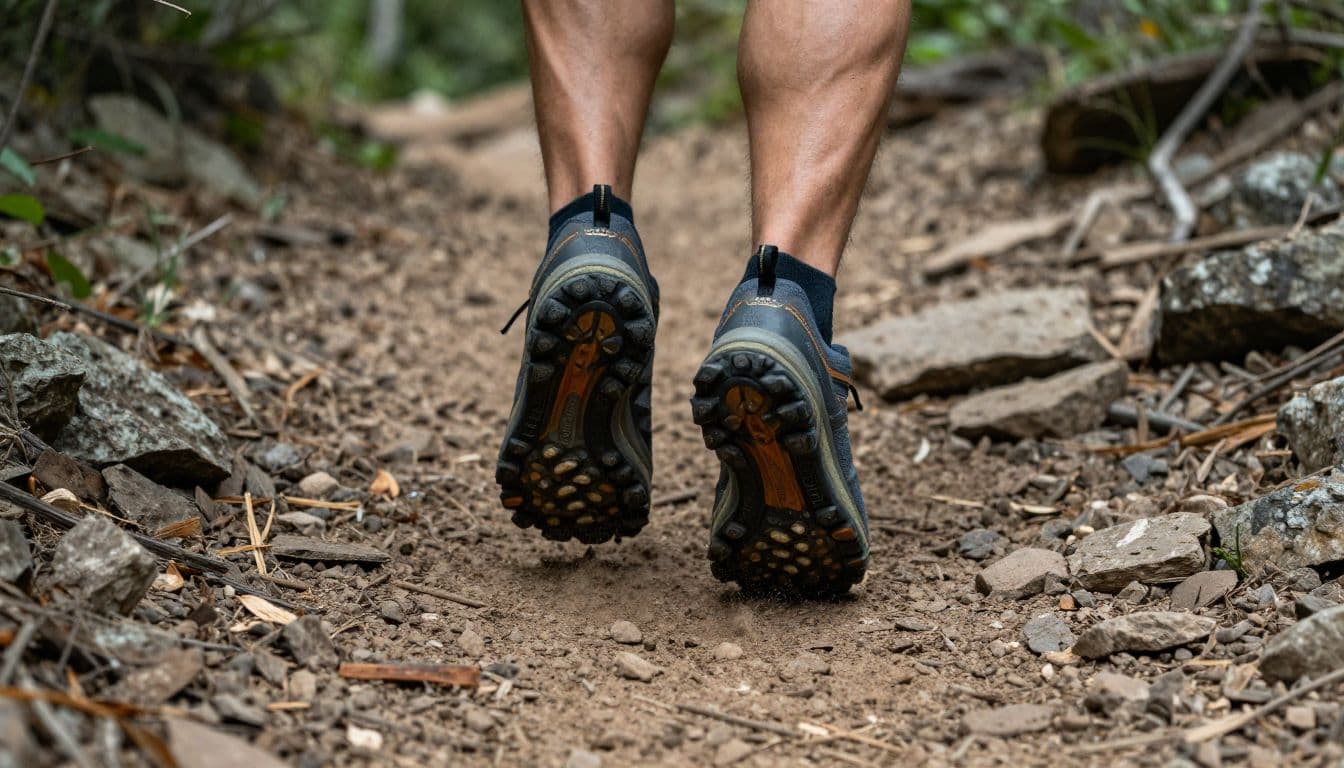
Grip and traction on dirt, rock, and loose ground
On dry dirt, the outsole grips with real confidence. I never felt like the shoe was sliding around under me, and that made it easy to relax into the run instead of guarding every step. On packed trail, it feels stable and predictable, which matters more than raw aggression for most of my miles.
Loose gravel is where the shoe shows a little more restraint. It still holds well enough for normal trail running, but I could feel the surface shift underfoot more than I would in a shoe with a deeper, more bitey lug pattern. That said, the traction stays trustworthy on rolling routes and forest roads, where I want grip without a harsh, grabby feel.
Light technical sections are the real test, and this is where the shoe does its best work. Small roots, uneven rock, and short off-camber patches never felt sketchy to me. The outsole gives me enough purchase to stay composed, which is exactly what I want when the trail gets messy but not extreme.
I trust it most on dry, mixed terrain and moderately technical trails, where it keeps its footing without feeling overbuilt.
If you want to compare this kind of terrain-first feel with broader trail guidance, my own trail running tips page covers the basics I rely on before I head out.
Cushioning and response on longer runs
The midsole feels balanced, with a touch more firmness than plush softness. I like that because it gives the shoe a steady, controlled ride that doesn’t fold up when the miles stack up. It protects the legs well enough for longer outings, but it doesn’t sink into that mushy feeling that can slow me down.
Over time, that balance starts to matter. My feet stayed comfortable, and my legs didn’t feel beaten up after steady mileage, yet the shoe still kept a little spring in its step. I could keep pushing the pace without feeling like I was hauling around dead weight.
That lively-but-not-soft feel is a good fit for runners who want a trail shoe that can handle more than one mood. It works for easy miles, but it also has enough snap for uptempo efforts on smoother sections. The ride feels like a firm handshake, not a pillow, and I mean that in the best way.
For readers who want to see how the shoe is positioned by the brand itself, the Tracksmith Eliot Range product page gives a clear look at its intended use and design focus.
Stability on climbs, turns, and uneven terrain
When the trail tilts upward, the Eliot Range Trail keeps me centered. I felt secure on climbs because the platform doesn’t wobble or squish around much, so I could stay on my toes and drive forward. That kind of steadiness helps when the grade bites and form starts to slip.
Sharp turns are handled well too. The shoe doesn’t feel bulky, so it changes direction without a fight. On loose switchbacks and awkward corners, I never felt like I was wrestling the shoe to stay upright. It gives me enough support to trust the turn, but it still feels flexible enough to move naturally.
Uneven terrain is where the balance really shows. The shoe supports control without turning the ride stiff, and that makes a big difference on trails that keep changing shape. I get enough structure to feel planted, but I still feel the ground under me, which keeps the run connected and responsive.
If I were choosing a shoe for fast, technical downhill racing, I might want a more aggressive setup. For general trail miles with a few rough patches, this one feels calm and dependable. That calm matters when the trail gets cluttered with rocks, roots, and sudden shifts in angle.
Breathability and upper comfort when the miles heat up
The upper handles heat better than I expected from a shoe with this much polish. Air moves through it well enough to keep my feet from feeling boxed in, even on warmer runs. That helps a lot once the pace settles and the miles start to stack up.
Toe room feels dialed rather than roomy. I had enough space to avoid pressure up front, but not so much that the foot slid around on descents. That middle ground is important, because extra movement can turn into hot spots fast on longer efforts.
The real win is how the upper holds comfort over time. I didn’t notice pinch points or rubbing that built into a bigger issue, even when effort stayed steady for a while. The shoe stayed pleasant during sustained running, and the fit kept its shape instead of loosening into slop.
For runners who care about both speed and comfort, that matters. The Tracksmith Eliot Range Trail doesn’t try to overwhelm the foot with padding, yet it still keeps the upper easy to live with when the run heats up.
Where the Tracksmith Eliot Range Trail fits best, and where it does not
The Tracksmith Eliot Range Trail has a clear lane. I see it as a shoe for runners who want trail speed without giving up a polished, well-finished feel. It works best when the route is runnable, the pace has some purpose, and the terrain asks for control more than brute force.
Best for runners who want speed with a refined feel
I would point this shoe toward runners who value a smooth, efficient ride on dirt roads, packed paths, and mixed trails. It feels right for someone who wants to move fast, but doesn’t want a shoe that looks or feels harsh. The Eliot Range Trail has the kind of finish that makes it just as appealing in hand as it does on foot.
That blend matters if you care about both performance and aesthetics. Some trail shoes look ready for a mountain rescue. This one feels more like a tailored tool, made for runners who appreciate clean lines and a controlled ride.
It also suits runners who like to hold a steady rhythm. The shoe feels best when the trail stays runnable and the effort stays honest. If that sounds like your style, it fits the job well.
For runners still comparing categories, my best trail running shoes guide is a useful place to narrow down the right type of trail shoe before you buy.
When I would choose a different trail shoe instead
I would reach for something else on highly technical mountain terrain. If the route has steep drop-offs, sharp rock gardens, or constant off-camber scrambling, I want a shoe with more aggressive protection and a stronger bite underfoot. The Eliot Range Trail is capable, but it is not built to feel like a tank.
Mud is another weak spot. When the ground turns soft and sloppy, deeper lugs usually make a bigger difference than style or finesse. In that kind of mess, I want a outsole that claws instead of one that simply stays composed.
Runners who want maximum cushioning may also want a different option. This shoe gives enough comfort for steady miles, but it doesn’t chase that oversized, ultra-plush feel. If you want a softer landing for long back-to-back efforts, a more cushioned trail model may fit better.
A broader trail buying guide from iRunFar’s trail shoe roundup also shows how much trail shoes can differ once terrain, speed, and protection enter the picture.
How it compares in the premium trail running category
In the premium trail category, I would place the Eliot Range Trail closer to the fast and polished end of the spectrum. It feels more refined than rugged, more composed than bulky, and more interested in flow than raw armor. That gives it a distinct personality.
Some premium trail shoes lean hard into protection and stack height. Others chase race-day aggression with very sharp geometry. This one sits in the middle, but it tilts toward speed and clean execution rather than heavy-duty shielding.
That makes it a strong pick for runners who split time between smooth trail miles and faster efforts. If your runs are usually a blend of dirt, hardpack, and light technical sections, it feels right at home. If your routes are rough, muddy, or extreme, I would look elsewhere.
My final verdict on Tracksmith Eliot Range Trail performance
After testing the Tracksmith Eliot Range Trail on dirt, gravel, and light technical ground, my verdict is clear. I think it does a great job for runners who want a trail shoe that feels fast, stable, and refined without chasing extra bulk.
Why I would reach for it again
I would choose this shoe for runnable trails, steady training miles, and mixed-surface runs where I want control more than brute protection. It feels calm under pressure, and that makes it easy to trust when the route changes shape.
The ride also has a clean rhythm that I appreciate on longer outings. It stays composed, keeps the foot centered, and handles pace changes without feeling clumsy. If you want a premium trail option with a smoother edge, this one fits that job well.
For me, the biggest strength is balance. It gives me enough cushion to stay comfortable, enough grip to stay confident, and enough structure to feel secure when the trail gets messy. That combination is harder to find than it should be.
Where it falls short
I would not pick it for deep mud or highly aggressive mountain terrain. The outsole is capable, but it doesn’t have the same bite I want when the ground turns soft, steep, or unstable.
It also doesn’t chase max cushioning. Runners who want a plush, cloud-like ride may want something softer, like the Salomon Ultra Glide 3 performance review, which leans harder into comfort for longer trail days.
So while the Eliot Range Trail handles a lot well, it has a clear lane. It shines most when speed, polish, and steady trail performance matter more than brute force.
My bottom-line recommendation
I see the Tracksmith Eliot Range Trail as a strong pick for runners who split time between dirt roads, packed trails, and moderate technical sections. It feels like a shoe for someone who wants one trail model that can move fast, look clean, and stay dependable.
If your runs are mostly rough, rocky, or muddy, I would look elsewhere. If your trail days are more about flow, pace, and comfort with a sharp finish, this shoe makes a lot of sense.
For runners comparing options across different trail needs, I also like using broader roundups such as RunRepeat’s best trail running shoes guide to match shoe type with terrain. That kind of comparison makes the Eliot Range Trail easier to place, and for the right runner, it lands in a very appealing spot.
Conclusion
The Tracksmith Eliot Range Trail gives me the kind of ride I want when I care about clean design, steady control, and real trail performance. It feels premium without acting fragile, and that balance is its best trait.
I would reach for it on runnable dirt, packed paths, and mixed routes where pace still matters. For runners who want more structure in their trail running training and value a polished shoe that stays composed under pressure, this one makes a strong case.
For a wider look at how different trail shoes stack up across terrain and use cases, Trail Runner Magazine is a helpful next stop. For me, this shoe lands in a clear lane, and it fits runners who want speed, comfort, and a premium feel in one well-made package.


