

Topo Phantom 4 vs ASICS Gel Nimbus 28: Which Fits Better?
Choosing between the Topo Phantom 4 vs ASICS Gel Nimbus 28 comes down to more than cushion alone. Both are premium max-cushion daily trainers, but they feel different on foot and suit different runners.
If you care about fit, cushion feel, weight, ride, support, durability, and where each shoe works best, this comparison will help you sort it out fast. The Topo tends to appeal to runners who want a roomier toe box and a balanced ride, while the Nimbus leans into plush comfort and a smooth, steady feel, as you can see in our Topo Athletic Phantom 4 performance review and ASICS Gel Nimbus 28 max cushion review.
If you’re on the fence, the details matter here. The right pick depends on how you run, how much softness you want, and how much structure you need.
What Each Shoe Is Trying to Do
The Topo Phantom 4 vs ASICS Gel Nimbus 28 comparison starts with a simple idea: these shoes chase comfort in different ways. One tries to give you room, balance, and a natural underfoot feel. The other aims for maximum softness and a smoother, more protected ride.
That difference shapes everything, from how each shoe fits to how it feels late in a run. If you know what each model is built to do, the choice gets much easier.
Topo Phantom 4: roomy fit and natural feel
The Phantom 4 is built for runners who want comfort without a cramped fit. Topo uses its signature shape, with a wider toe box up front, a more secure midfoot, and a platform that feels even and stable underfoot.
That fit gives your toes room to spread, which helps the shoe feel less restrictive on longer runs. At the same time, the midfoot holds things in place, so the shoe still feels controlled instead of sloppy.
Its ride also stays grounded. The Phantom 4 has enough cushioning for daily training, but it still leaves some ground feel in the mix, which many runners like for easy miles and steady pacing. If you want a cushioned neutral trainer that feels natural rather than pillowy, this one fits that lane well. For a deeper look at its ride and fit, see the Topo Athletic Phantom 4 review.
The Phantom 4 is for runners who want comfort, room, and a bit of connection to the road.
ASICS Gel Nimbus 28: soft, premium cushioning first
The Gel Nimbus 28 takes a different path. It is a max-cushion road shoe built first and foremost for comfort, impact protection, and an easy ride.
Everything about it aims for softness underfoot. The feel is plush, smooth, and calm, which makes it a strong pick for daily runs, recovery miles, and days when your legs want less punishment. It doesn’t try to feel lively or minimal. Instead, it wants to feel forgiving from the first step to the last.
That focus makes sense if you prefer a shoe that disappears beneath you. The Nimbus 28 is there to soften landings, smooth out rough pavement, and keep the pace relaxed. If that sounds like your kind of shoe, this Gel Nimbus 28 review helps show why it feels so plush on the run.
In short, the Phantom 4 is trying to give you space and balance, while the Nimbus 28 is trying to give you softness and protection. That difference is the heart of this matchup.
How the Fit Feels on Foot
Fit can matter as much as cushioning here, maybe more. A shoe can feel soft and still fail you if the forefoot feels pinched or the heel slips on every step.
That is where the Topo Phantom 4 vs ASICS Gel Nimbus 28 split becomes clear. The Topo gives you more natural room up front, while the Nimbus 28 follows a more familiar road-shoe shape that feels snugger and more structured.
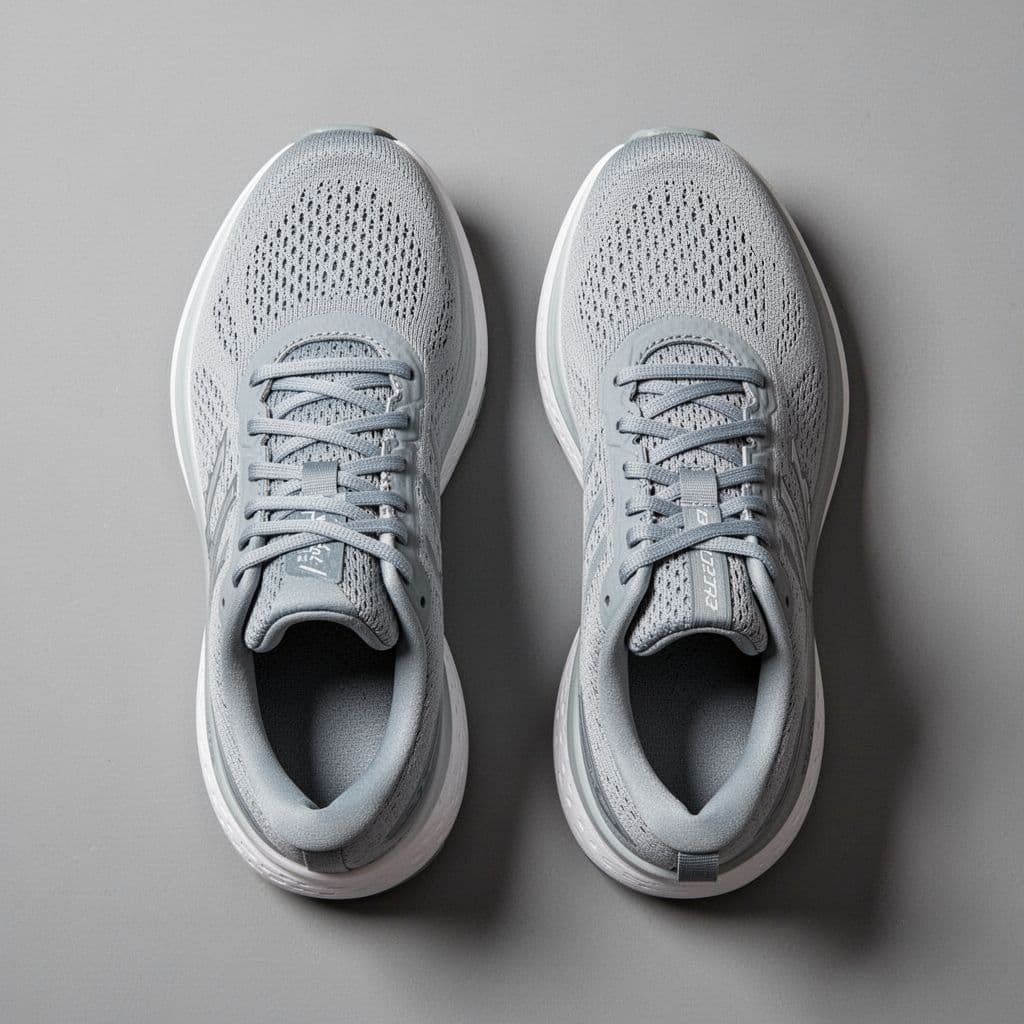
A good fit changes how the whole run feels. If your toes can relax, your foot often feels calmer late in the run. If the upper holds you too tightly, every mile can start to feel like a small compromise.
The best fit is the one you stop noticing after the first mile.
Why the Phantom 4 works for wider forefeet
The Phantom 4 has a broader toe box, and that extra room matters more than many runners expect. Your toes can spread a bit instead of stacking together, which helps reduce pressure across the front of the foot.
That shape can feel especially helpful on long runs, when feet often swell. It also works well if you dislike the cramped feeling some road shoes create after an hour or two. A wider forefoot can feel like giving your toes a little more breathing room, which often makes the shoe feel easier to live in.
This is also one reason some runners prefer wide toe box shoes in general. Research on toe-box shape suggests that roomier designs can match natural foot shape better for many runners, especially in the forefoot. For more on how the upper and fit behave in the Nimbus line, the ASICS Gel Nimbus 27 deep dive gives useful context on ASICS’ more traditional approach.
If you usually feel pressure near the big toe or pinky toe, the Phantom 4 is the safer bet. It gives you space without turning the shoe into a loose, unstable mess.
Where the Nimbus 28 feels more traditional
The Nimbus 28 feels more like a classic ASICS road shoe. The fit is more standard in volume, and that can feel reassuring if you like a more contained ride.
The midfoot holds the foot in place with a more structured feel, and the heel security tends to suit runners who want a locked-in fit. That setup can work well for daily miles, especially if you prefer the shoe to feel snug and steady rather than open and roomy.
For some feet, that is exactly what makes the Nimbus 28 feel better on foot. Narrower feet or runners who like a familiar road-shoe shape may find the fit more natural. Others may want more space, especially in the forefoot, and that is where the Topo usually pulls ahead.
In short, the Nimbus 28 fits like a standard premium trainer, while the Phantom 4 feels shaped around more toe room and less crowding. If fit is your main concern, that difference may decide the winner before cushioning even enters the conversation.
Cushioning and Ride: Soft, Balanced, or Extra Plush?
Cushioning changes how a shoe feels on every step. In the Topo Phantom 4 vs ASICS Gel Nimbus 28 matchup, that difference is easy to spot. One shoe aims for a steadier, more even ride, while the other goes all-in on softness and impact protection.
If you want a shoe that feels calm and controlled, the Phantom 4 makes sense. If you want a shoe that feels like a soft landing pad, the Nimbus 28 is built for that. The right pick depends on how much cushion you want underfoot, and how much shoe you want to feel.
Phantom 4 ride quality for steady miles
The Phantom 4 should feel stable, smooth, and easy to settle into once you find your pace. It has enough cushioning to keep daily miles comfortable, but it avoids that deep, sink-in feeling that can make some shoes feel bulky.
That balance matters on easy runs and longer outings. You get a cushioned platform, yet the shoe still feels connected to the ground, so you can keep a natural rhythm without fighting the midsole. For many runners, that makes it a better pick for steady training than a softer shoe that feels too padded.
On recovery days, the Phantom 4 still brings comfort, but it does so in a more measured way. It cushions the run without turning every step into a marshmallow landing. If you want comfort without too much sink or bulk, this is the kind of ride that feels easy to trust.
Nimbus 28 cushioning for maximum comfort
The Nimbus 28 takes a different path. Its ride feels soft, protective, and built to reduce fatigue, especially when your legs are tired or the run is meant to stay relaxed. The cushioning gives you a thick, forgiving layer underfoot that can make rough pavement feel less harsh.
That plush feel is a big reason some runners love it on slower runs and recovery days. The shoe absorbs more of the impact, so the run can feel calmer and less taxing mile after mile. Outdoor Gear Lab also describes the Gel-Nimbus 28 as an ultra-cushioned shoe built for easy miles and recovery work, which matches its feel well.
Still, that same softness can feel like too much for faster efforts. When you want quicker turnover, extra plush foam can feel a little muted or sluggish. Runners who like a firmer, more responsive ride may enjoy the Nimbus 28 less when the pace picks up.
For more context on the model’s softer side, see the ASICS Gel Nimbus 28 review.
Weight, Energy Return, and Everyday Performance
The feel of a shoe goes beyond just the cushion under your feet. When you decide between the Topo Phantom 4 vs ASICS Gel Nimbus 28, you are really weighing two different approaches to movement. One prioritizes a natural, balanced transition, while the other focuses on dampening impact through pure volume and soft foam.
Speed is often misunderstood as a product of cushion or lightness alone. A shoe that feels fast is one that moves with you rather than fighting against your stride. Whether a shoe feels efficient often comes down to how the foam behaves when you push off, rather than the scale weight alone.
Which one feels easier to move in
Efficiency is about how well the midsole geometry manages your transition from landing to toe-off. The Phantom 4 relies on a slightly firmer, more responsive foam that holds its shape. This allows for a quick, snappy transition that feels natural when you want to pick up the pace. Because the stack is balanced, you don’t feel like you are sinking into the shoe during faster efforts.
On the other hand, the Nimbus 28 uses a softer, more compliant setup. While this feels excellent for easy miles, the extra squish can sometimes feel like it absorbs your energy during faster turnover. A softer shoe is often more comfortable, but it isn’t always the faster choice. If you enjoy a quick, energetic response, the Topo often feels easier to manage during tempo efforts.
If you prefer a shoe that disappears, you might favor the Nimbus for its plush ride. However, if you want a shoe that encourages a faster, more mechanical turnover, the Phantom 4 is a better fit. Keep in mind that comfort is not the same as performance. You might find the Nimbus more comfortable for a slow hour, yet find the Phantom 4 more efficient when you increase your cadence.
Daily training versus longer efforts
Choosing the right tool for your routine depends on the type of run you have on the schedule. For short, easy recovery runs, the plush nature of the Nimbus 28 is hard to beat. It protects your legs and keeps your heart rate low, making it a reliable pick for days when you just want to get the miles in without much stress.
For longer aerobic runs, the decision gets more complex. You might start a long run wanting maximum softness, but by the time you reach mile ten, your feet may appreciate the extra space and structural support of the Phantom 4. The Topo design keeps your toes from feeling crowded even as your feet swell over time. This makes it a dependable workhorse for long, steady efforts where fatigue management is the main goal.
Most runners benefit from having a clear distinction between their daily trainer and their speed shoes. If you view your daily trainer as a do-it-all option, the Topo Phantom 4 stability and versatility makes it a smart choice for those who want one shoe to handle varied paces. If you primarily stick to easy, comfortable miles, the Nimbus 28 offers a premium experience that prioritizes your comfort above everything else.
The best shoe is the one that fits your specific needs for that day. You don’t need the lightest gear to run well, just as you don’t always need the softest cushion to stay comfortable. Focus on how the shoe interacts with your natural mechanics during your most common training sessions.
Stability, Support, and How Secure They Feel
Stability in running shoes is about more than just correction for overpronation. It involves how a shoe manages your weight during the gait cycle and how confident you feel on uneven ground. When comparing the Topo Phantom 4 vs ASICS Gel Nimbus 28, you notice two different philosophies regarding how a shoe should hold your foot.
One model uses a wide, geometric approach to keep you centered, while the other relies on soft, enveloping materials to provide a secure environment. Your preference for stability often depends on whether you value a firm foundation or a protective, plush landing.
When the Phantom 4 may feel more planted
The Phantom 4 creates a stable experience by prioritizing a wider base. This design is built around the idea that a natural foot shape allows for better balance. Because the platform is broader in the forefoot, you gain a more stable surface for push-off. This extra width prevents the feeling that your foot is hanging over the edge of the midsole.
For many runners, this design translates to a more confident stride, especially as mileage increases. When your form begins to break down late in a long run, having that consistent, wide platform under your toes helps keep your movement steady. You aren’t fighting the shoe to stay centered.
The geometry here is deliberate. The wide base works with a slightly firmer foam to minimize unnecessary movement inside the shoe. If you tend to feel wobbly in heavily cushioned, narrow trainers, the solid stance of the Phantom 4 will likely feel more reliable. It focuses on keeping you connected to the road rather than isolating you from it.
When the Nimbus 28 may feel more forgiving
The Nimbus 28 handles stability by surrounding your foot with soft, responsive foam. Rather than relying on a rigid platform, it uses deep, plush cushioning that conforms to your foot. This provides a gentle, secure sensation that many runners find comforting on recovery days or low-stress miles.
Some runners prefer this softer feel because it absorbs the harshness of the road. When your legs are tired, the Nimbus 28 acts as a shock absorber. You might find that this protection allows you to maintain a steady cadence without the jarring impact of a firmer shoe.
The security in the Nimbus 28 often comes from the plush upper and the way the midsole wraps around the heel and midfoot. This creates a “locked-in” sensation that feels protective rather than restrictive. While it isn’t a stability shoe in the traditional sense, the sheer volume of foam provides a reliable, predictable ride for neutral runners who want their gear to feel kind to their joints. If you need a shoe that masks the feel of the pavement, this design is hard to beat.
Durability, Outsole Grip, and Real-World Value
When you invest in premium running shoes, you expect them to hold up well beyond a few months of training. Both the Topo Phantom 4 and the ASICS Gel Nimbus 28 are built as high-mileage daily trainers, meaning the rubber, foam, and upper fabrics should survive hundreds of miles of use.
Your personal results depend heavily on your running form, body weight, and the surfaces you frequent. Rough asphalt and concrete will wear down outsoles faster than softer park trails or rubber tracks.
A heavier runner often compresses midsole foam more quickly, while someone who strikes the ground with a heavy heel drag might burn through outsole rubber in specific zones. Comparing the Topo Phantom 4 vs ASICS Gel Nimbus 28 reveals how different design choices affect longevity.
What to expect from the Phantom 4 over time
The Phantom 4 leans into a balanced, functional design that tends to age gracefully. Because it avoids overly soft or mushy foam, the midsole density stays relatively consistent for several hundred miles. You won’t feel that “dead” sensation as quickly as you might with lighter, hyper-responsive race foam.
The outsole rubber on the Topo provides solid coverage, which prevents premature bald spots in high-wear areas like the lateral heel and forefoot. Since the shoe features a wider base, the pressure is spread across a larger surface area, which helps keep the rubber intact for longer. If you prioritize a trainer that maintains its original feel throughout its lifecycle, this model is a reliable pick.
It is a great choice for runners who want to get as much value as possible out of their gear without worrying about the foam losing its structural integrity after just 100 miles. You can find more details on how these shoes hold up in our Topo Athletic Phantom 4 performance review.
What to expect from the Nimbus 28 over time
The Nimbus 28 is a different beast entirely. It uses a high-volume, soft foam package that acts as a plush barrier between your feet and the road. While this provides excellent impact protection, the foam itself is more susceptible to compression over time than the firmer compounds found in more neutral trainers.
You should expect the “wow” factor of that initial softness to decrease slightly as the foam settles after the first 50 to 100 miles. However, the shoe remains a strong value because it focuses on sustained comfort. Even when the foam loses its peak, initial bounciness, it usually retains enough depth to protect your joints from repetitive impact.
ASICS typically uses durable, high-abrasion rubber on the outsole, which ensures the bottom of the shoe lasts about as long as the cushioning package itself. For runners who prioritize leg protection and comfort over a snappy, firm ride, the long-term value of the Nimbus is clear.
You are essentially paying for a protective, forgiving platform that keeps your legs feeling fresh even on your highest-mileage weeks. It remains one of the most reliable options for those who put comfort at the top of their list.
Who Should Choose Each Shoe?
Picking the right trainer often feels like a guessing game. Both the Topo Phantom 4 and the ASICS Gel Nimbus 28 are top-tier daily workhorses, but they serve different running profiles. Knowing your preferences for foot shape and ride quality helps you narrow the choice down quickly.
Choose the Topo Phantom 4 if you want a roomier, more natural fit
The Topo Phantom 4 is the clear winner if you value freedom inside your shoe. Runners with wider feet or those who frequently deal with blisters and pressure points often find this model offers much-needed relief. If you hate that “toe squeeze” feeling that happens after a few miles, the signature wide toe box here is a game changer.
Consider this shoe if you fall into these categories:
- You have a wider forefoot or require more room for your toes to splay naturally during your stride.
- You prefer a balanced, grounded feel rather than a massive stack of pillowy, unstable foam.
- You enjoy a secure midfoot lockdown but want your toes to stay relaxed throughout your entire run.
- You are training for longer efforts where your feet tend to swell and need extra space to stay comfortable.
Because it encourages a more natural foot position, it often feels more stable on winding paths or uneven roads. It is a reliable option for those who want a cushioned, protective ride that doesn’t feel like you are running on giant marshmallows.
Choose the ASICS Gel Nimbus 28 if you want the softest ride possible
The ASICS Gel Nimbus 28 is built for the runner who prioritizes maximum comfort above everything else. If you are logging heavy weekly volume or simply want to treat your legs to a soft landing on every single step, this is your primary choice. It is a classic daily trainer that turns harsh pavement into a smooth, forgiving surface.
You should lean toward this model if your goals align with these points:
- You want the highest level of plush cushioning available to protect your joints from impact.
- Your routine consists of recovery miles where you want your legs to feel fresh and rested.
- You prefer a snug, traditional upper that wraps your foot in a secure, sock-like fit.
- You do most of your running on hard, unforgiving road surfaces and want the foam to handle the work for you.
When you slide into the Nimbus 28, the focus is purely on the experience of the run itself. It isn’t trying to be the fastest or the most minimal shoe in your closet. Instead, it aims to be the most comfortable partner for your daily miles. If you want a reliable, luxurious ride that softens every impact, this shoe is a consistent performer.
Conclusion
Choosing between the Topo Phantom 4 vs ASICS Gel Nimbus 28 ultimately depends on your foot shape and the specific type of ride you prefer. If you value a wide, natural toe box and a balanced feel, the Phantom 4 is the better match for your daily runs. You can find more details on its unique fit in our Topo Athletic Phantom 4 performance review.
On the other hand, if you prioritize maximum impact protection and a plush, luxurious ride, the Gel Nimbus 28 is the superior choice. This shoe excels for recovery miles where softness is your main goal. For a deeper look at how this model supports long-term comfort, check out our ASICS Gel Nimbus 28 max cushion review.
Focus on how your feet feel after a long run rather than just the brand name. Select the design that gives you the most confidence and comfort during your training.


