

Topo MTN Racer 4 Review: Is This the Ultimate Trail Running Shoe?
The Topo MTN Racer 4 has been one of the most anticipated trail shoe updates for runners who care about fit as much as performance. Topo Athletic has built its name on a foot-shaped toe box and a low heel-to-toe drop, and that combo keeps drawing in runners who want room up front without losing a stable feel.
If you’re trying to decide whether this shoe fits your trails, your pace, and your footing, this breakdown will help. For a broader look at how it stacks up against another popular option, see the MTN Racer 4 vs. Lone Peak 9 comparison, then keep reading for a closer look at the shoe’s features, upgrades, and trail performance.
What Makes the Topo MTN Racer 4 Stand Out
The Topo MTN Racer 4 stands out because it stays true to Topo Athletic’s core idea: give your feet room to work, then lock the shoe down where it matters. That balance matters on trails, where swelling, sharp turns, and uneven ground can wear on a shoe fast.
Design Philosophy and Foot Shape
Topo’s design language is easy to spot, and the MTN Racer 4 follows it closely. The foot-shaped toe box gives your toes space to spread out, which helps on long climbs, fast descents, and technical traverses where your feet keep shifting inside the shoe.
Build Your Complete Race-Day Setup
The right shoe helps, but faster racing comes from better training, pacing, recovery, fueling, and execution.
More Guides for This Shoe
That extra room is not just about comfort. It also helps reduce pressure points, toe crowding, and the hot spots that often turn into blisters late in a run. When the trail gets rough, your feet need room to adjust, especially when you land awkwardly or spend hours on uneven ground.
The secure midfoot lockdown matters just as much. Topo keeps the front of the shoe roomy, then holds the center of the foot more firmly, so you get a stable feel without the cramped toe squeeze that some trail shoes create. If you like a shoe that feels planted when the terrain gets messy, that combo makes sense.
A shoe with this shape also supports natural toe splay, which can help you stay balanced when the trail demands quick corrections. For a broader trail-shoe comparison from another brand, the ASICS Gel Trabuco Terra 3 trail review shows how a more traditional fit handles the same type of terrain.
On technical trails, room up front and security through the middle can save your feet before fatigue turns into friction.
Midsole Comfort and Responsiveness
The MTN Racer 4 uses Topo’s ZipFoam cushioning, a foam blend designed to feel soft enough for long mileage while still keeping some pop underfoot. That matters because trail runners need more than impact protection. They also need a midsole that doesn’t feel dead when the pace picks up.
This version strikes a nice middle ground. You get enough cushion to take the edge off rocky landings and steady downhill pounding, but the shoe still keeps enough ground feel to stay controlled on uneven terrain. That balance helps when you need to read the trail and react fast.
The ride feels more protective than minimalist, yet it doesn’t go mushy. In other words, you can settle into long efforts without losing that connection to the trail. If you want to see how another well-known trail shoe approaches the same balance, this Nike Wildhorse 9 trail running shoe review is a useful comparison point.
That mix of comfort and feedback is a big reason the Topo MTN Racer 4 stands apart. It gives you cushioning for the long haul, but it still lets you feel where you’re landing. For trail runners, that can make the difference between running with confidence and running on guesswork.
Technical Specs and Durability Improvements
The Topo MTN Racer 4 keeps the same trail-first focus, but the numbers tell you a lot about how it actually runs. Weight, drop, and stack height all shape the feel underfoot, while the upper and outsole decide how long the shoe holds up once the miles pile on.
Outsole Grip and Traction
The outsole uses Vibram Megagrip, paired with a lug pattern built for real trail use. The lugs are deep enough to bite into soft ground, but they still feel controlled on firmer paths. That matters because a trail shoe should grab when you need it and stay predictable when the surface changes.
On mud, the lug spacing helps shed debris instead of packing up fast. On wet rocks, the Vibram rubber gives more confidence than standard trail rubber, especially when you land with a flat foot strike. On loose dirt and gravel, the shoe holds its line well, so you spend less energy correcting each step.
If you are comparing trail shoes, traction should always come after fit and route type. A shoe that grips well on your actual trails will do more for your run than one with flashy specs you never use. For a broader buying guide, see how to select trail running shoes.
A quick grip breakdown looks like this:
- Mud: Strong bite and decent shed, better than flatter, road-friendly outsoles.
- Wet rock: Reliable for a trail shoe, especially at moderate speeds.
- Loose dirt: Stable and confidence-building, with enough edge to hold turns.
The outsole is built for mixed trail days, not just one perfect surface.
For runners who spend time on rocky, damp, and dusty ground in the same outing, that matters a lot. The MTN Racer 4 feels less like a specialist and more like a dependable all-round trail partner. For a deeper look at how outsole compounds affect grip, this Vibram Megagrip overview gives helpful context.
Upper Construction and Breathability
Topo uses a durable mesh upper with reinforced overlays in high-wear spots, so the shoe holds up when brush, grit, and repeated flexing start to test it. The material feels structured enough to keep debris out better than a super-light mesh, but it still avoids the stiff, overbuilt feel some trail shoes bring.
That balance helps on rough trails where rocks and sticks can work their way into softer uppers. At the same time, the upper still moves enough air for warm-weather running, which makes it a better pick for hot days than many heavier protection-first models.
The fit also works with the shoe’s shape. The forefoot stays roomy, while the midfoot feels more secure, so the upper does its job without squeezing the front of the foot. That combination helps the Topo MTN Racer 4 stay comfortable during long efforts, especially when heat and swelling start to build.
A few details stand out here:
- Durability: Reinforced zones add protection where the shoe sees the most abuse.
- Debris control: The upper blocks out more trail grit than ultra-open mesh designs.
- Airflow: Venting stays solid enough for summer runs and high-output climbs.
The result is a trail upper that feels practical rather than overdone. It keeps the shoe light on the foot, but it still has the toughness you want when the trail gets rough and the miles start to add up.
How the MTN Racer 4 Performs on Technical Trails
The Topo MTN Racer 4 feels most at home when the trail gets messy. Uneven rocks, off-camber turns, steep climbs, and fast descents all ask more from a shoe, and this one answers with a steady, confident ride.
Its strength is balance. You get enough room in the forefoot to stay relaxed, but the platform still feels planted when the terrain starts to shift underfoot.
The MTN Racer 4 handles uneven ground well because the base feels wide enough to give you a clear landing zone. That extra platform support matters when you hit angled roots, loose rock, or narrow lines where every step needs to land cleanly.
The secure fit helps just as much. Your foot stays centered, so you don’t get that sliding sensation that can throw off balance on technical terrain. When the shoe and your foot move as one, your ankles have less work to do, and that builds confidence fast.
On steep or twisty sections, the shoe feels calm rather than twitchy. It does not feel bulky, so you can still make quick adjustments when the trail changes without a lot of delay.
A secure trail shoe like this helps in a few ways:
- Better footing on cambers: The platform gives you more room to correct a misstep.
- Less side-to-side movement: The fit keeps your foot stable inside the shoe.
- More trust on descents: You can open up a little more without feeling off balance.
For runners who like technical mountain routes, that kind of control matters as much as speed. The MTN Racer 4 rewards clean foot placement, and it stays predictable when the surface does not.
If you want a broader look at how a similarly stable trail shoe handles hard terrain, the Saucony Peregrine 16 performance review is a useful comparison.
Protecting Your Feet from Rocks
Rock protection is another area where the Topo MTN Racer 4 performs well. The rock plate and midsole cushioning work together to soften sharp impacts without making the shoe feel stiff or clunky.
On long runs over rocky trails, that protection saves your feet from feeling beaten up too early. You still notice the trail, but you don’t get punished by every sharp edge or hidden root. That makes a big difference when the route stays rugged for miles.
The underfoot feel stays protective without shutting out all feedback. You can still read the terrain, which helps on technical climbs and descents where you need to adjust your stride quickly. In practice, that gives you a better mix of comfort and control than a softer shoe with less structure.
A few things stand out on rough ground:
- Sharp rocks: The shoe dulls the sting well enough for long outings.
- Repeated impacts: Cushioning holds up when the trail keeps pounding your feet.
- Technical descents: Protection stays useful without making the shoe feel dead.
On rocky trails, underfoot protection matters most after the first few miles, when fatigue starts to magnify every bad landing.
That mix of defense and feel makes the MTN Racer 4 a strong choice for runners who spend real time on rough terrain. It protects your feet, keeps the ride controlled, and still lets you move with purpose when the trail opens up.
Is the Topo MTN Racer 4 Right for Your Training
The Topo MTN Racer 4 fits a clear type of runner. It is built for trail miles, steady effort, and enough protection to handle rough ground without feeling heavy. If you want a roomy toe box, reliable grip, and a ride that stays calm when the trail gets ugly, this shoe makes a strong case.
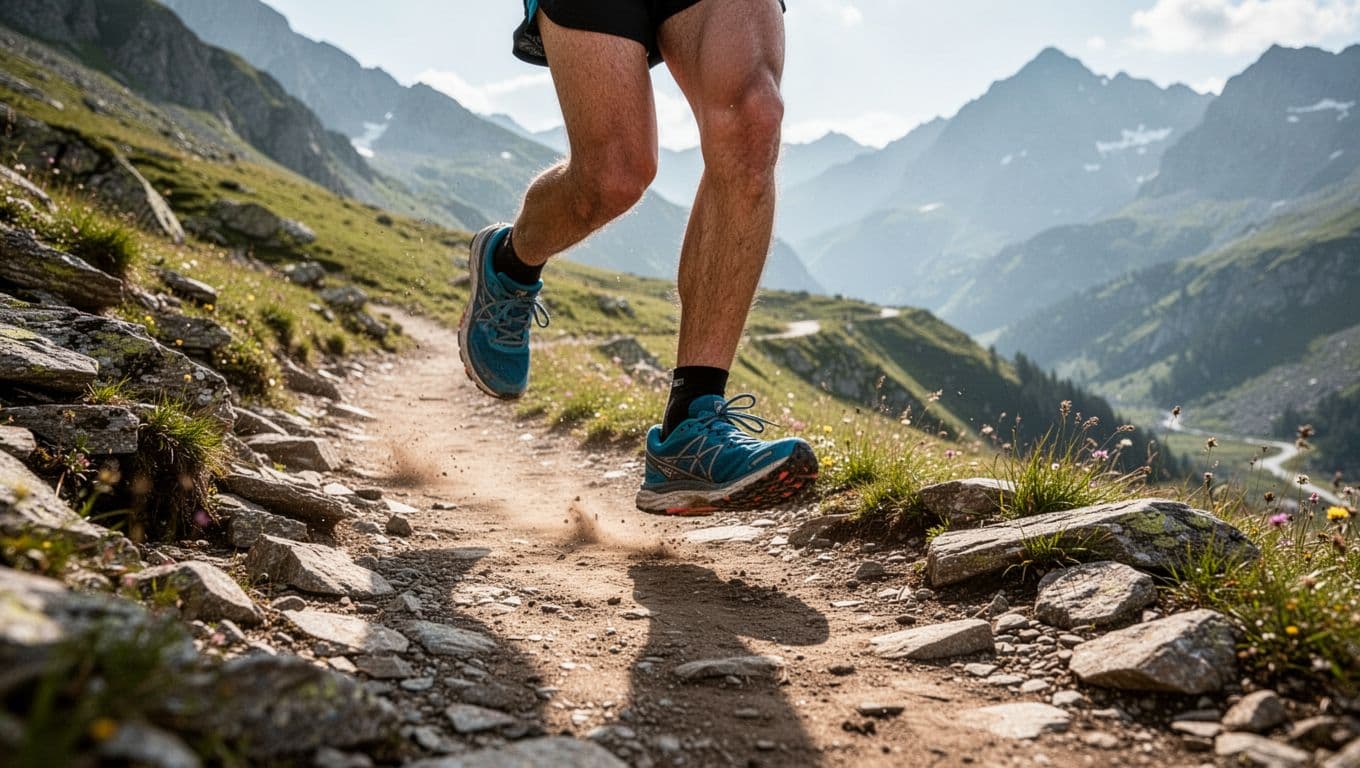
Best for steady mileage and longer trail efforts
This shoe makes the most sense if your training leans toward long runs, mountain days, or weekly trail work that piles up over time. The cushioning feels protective enough for extended outings, while the fit gives your toes room when your feet swell late in a run.
That combination matters for runners building endurance. If your goal is to stay out on the trails longer and recover well enough to train again, the MTN Racer 4 lines up with that approach. A helpful next step is reading about how to improve running endurance, especially if you want your shoe choice to support bigger weekly mileage.
Compared with earlier Topo trail models, this version feels a bit more refined underfoot. The ride is still stable and direct, but the upper, fit, and grip make it easier to use as an everyday trail trainer. It also compares well with shoes like the Altra Lone Peak series, which share the roomy-toe-box idea but often feel different in cushion and ground feel.
Less ideal for speed-first sessions
If you want a shoe for sharp, aggressive trail workouts, the Topo MTN Racer 4 is good, but not the fastest-feeling option. It responds well when you pick up the pace, yet it is still more of a controlled, protective shoe than a stripped-down race shoe.
That means it works better for:
- Long hill repeats on rough trails
- Moderate-pace fartleks where footing changes often
- Ultra training blocks that mix climbing, descending, and steady miles
It is less ideal if you want a very light shoe for short, fast sessions on smooth dirt. In that case, a more minimal or race-leaning trail shoe may feel snappier.
For a broader view of how the MTN Racer 4 is being received by long-distance trail runners, Ultra Running Magazine’s review is a useful outside perspective. Their take lines up with what many runners will notice, this is a shoe that leans toward comfort and durability first.
Who should skip it
Some runners will like the Topo MTN Racer 4 immediately, while others should look elsewhere. If you prefer a narrow fit, a very soft road-like ride, or a shoe that disappears during fast, short efforts, this one may feel too structured.
You may want to pass on it if you:
- Want a snug, race-flat feel
- Run mostly on smooth paths or gravel
- Prefer minimal stack and low protection
- Need a shoe that feels quick above all else
For everyone else, especially runners who split time between training runs and longer trail efforts, it hits a practical sweet spot. The Topo MTN Racer 4 gives you enough room to stay comfortable, enough grip to trust rough terrain, and enough protection to keep the miles useful instead of punishing.
Tips for Getting the Most Out of Your Trail Shoes
The Topo MTN Racer 4 can do a lot, but your habits matter just as much as the shoe itself. A good fit, smart break-in, and basic upkeep will help it feel better, last longer, and keep its grip where you need it most.
Even a well-made trail shoe feels better after a few outings, and the Topo MTN Racer 4 is no exception. Start with shorter runs on familiar terrain so you can notice pressure points, heel slip, or any rubbing before you commit to a long effort.
That first phase should feel easy. Use a mix of dirt paths, light climbs, and a few mild descents, then pay attention to how the shoe flexes when your feet swell. If anything feels off, adjust the lacing before blaming the shoe.
REI’s trail-running shoe fit advice is a useful reminder that a shoe should feel good right away, with very little break-in needed. Still, a few shorter runs help you learn how the shoe behaves when the trail changes underfoot.
A short shakeout run can save you from a long, painful lesson on mile six.
Clean them before the grit sets in
Mud, sand, and fine dust wear trail shoes down faster than most runners realize. After a run, let the shoes dry, then brush off loose dirt with a soft brush. If the outsole lugs are packed with mud, rinse them with cool water and wipe the upper with a damp cloth.
Keep it simple. Avoid the washing machine, harsh soap, and direct heat from a dryer or heater. Those shortcuts can weaken glue, flatten foam, and shorten the life of the shoe.
A basic cleaning routine works well:
- Remove the insoles and laces so air can reach the inside.
- Brush out the outsole lugs after muddy runs.
- Air-dry the shoes in a cool, shaded spot.
- Recheck the toe box and seams for trapped debris.
If you want more detail on how trail abuse affects shoe life, the Merrell MTL Long Sky 2 durability review has a practical look at keeping trail shoes in better shape over time.
Replace them when the ride changes
Most trail shoes wear out before they look completely destroyed. With a shoe like the Topo MTN Racer 4, the first sign is often a softer, flatter ride or reduced grip on wet ground. If the midsole feels packed down, the outsole lugs look rounded, or the upper starts to split near the flex point, it’s time to pay attention.
Mileage matters, but wear patterns matter more. Many trail runners replace shoes somewhere around 300 to 500 miles, though rocky terrain, heavy use, and body weight can push that range lower or higher. If one side of the outsole wears faster, or if you start feeling sharp rocks more often, the shoe is telling you something.
A few warning signs stand out:
- The outsole lugs look smooth or uneven.
- The midsole no longer feels springy.
- The upper has visible tears near the toe or forefoot.
- Your feet feel more beat up after the same routes.
Used with care, the Topo MTN Racer 4 gives you a long run of reliable trail mileage. Clean it, break it in with purpose, and replace it before worn foam starts changing your stride.
Conclusion
The Topo MTN Racer 4 hits the sweet spot for trail runners who want room up front, a stable ride, and dependable grip on rough ground. It feels comfortable over longer miles, yet still gives enough trail feedback to stay confident on technical terrain.
Its strongest points are clear, the fit stays friendly without feeling sloppy, the cushioning handles repeated impact well, and the Vibram outsole adds real trust on mixed surfaces. If you want a shoe that can handle steady training, mountain routes, and long days outside, this one makes a lot of sense.
Runners who prefer a narrower fit or a faster, lighter feel may want something else, but for the target runner this shoe was built for, it delivers. If you are comparing it with another strong option, the Topo Athletic Terraventure 4 overview is a smart next read.


