

Tokyo Marathon Weather: Temperatures, Rain & What to Wear
Cold air settles over Tokyo as runners squeeze into crowded starting corrals, tugging sleeves into place and checking the forecast one last time. On race morning, Tokyo Marathon weather can shape far more than comfort: temperature affects pacing, rain changes clothing and shoe choices, wind raises the effort on exposed roads, and poor preparation can weaken your confidence before the gun sounds.
The marathon usually takes place in early March, when Tokyo can bring cool, unsettled conditions. However, the weather changes from year to year, so use seasonal climate patterns to plan your training and travel, then rely on the official forecast for final race-day decisions. A smart approach helps you choose warmup layers, manage hydration, and adjust your opening pace without abandoning your goal.
The sections ahead cover the temperatures, rain, wind, gear, pacing adjustments, and travel details that can make your Tokyo Marathon preparation more precise. Remember, be sure to reserve your Tokyo Marathon hotels well in advance to save your budget.
Key Takeaways
- Tokyo Marathon weather is usually cool in early March, but conditions can shift between years and throughout race morning.
- Check the official forecast shortly before the race, then adjust layers, hydration, and pacing to match the conditions.
- Cold temperatures call for removable warmup clothing, while rain requires tested outer layers and moisture-resistant shoes.
- Wind can increase effort on exposed sections, so protect your pace instead of chasing an early target.
- Use Japan Meteorological Agency forecasts alongside official race updates when making final decisions.
What Tokyo Marathon Weather Is Usually Like in Early March
Early March in Tokyo is cool, bright at times, and changeable enough to affect race-day decisions. Climate summaries place March daytime highs near 55°F (13°C) and nighttime lows near 41°F (5°C), although marathon morning can feel colder before sunrise. Tokyo’s March climate averages offer useful planning guidance, while the Japan Meteorological Agency’s historical climate tables provide a stronger reference than one weather app prediction.
Daylight increases through the month, but the race begins during the coolest part of the morning. That difference matters when you choose clothing and set your opening pace.
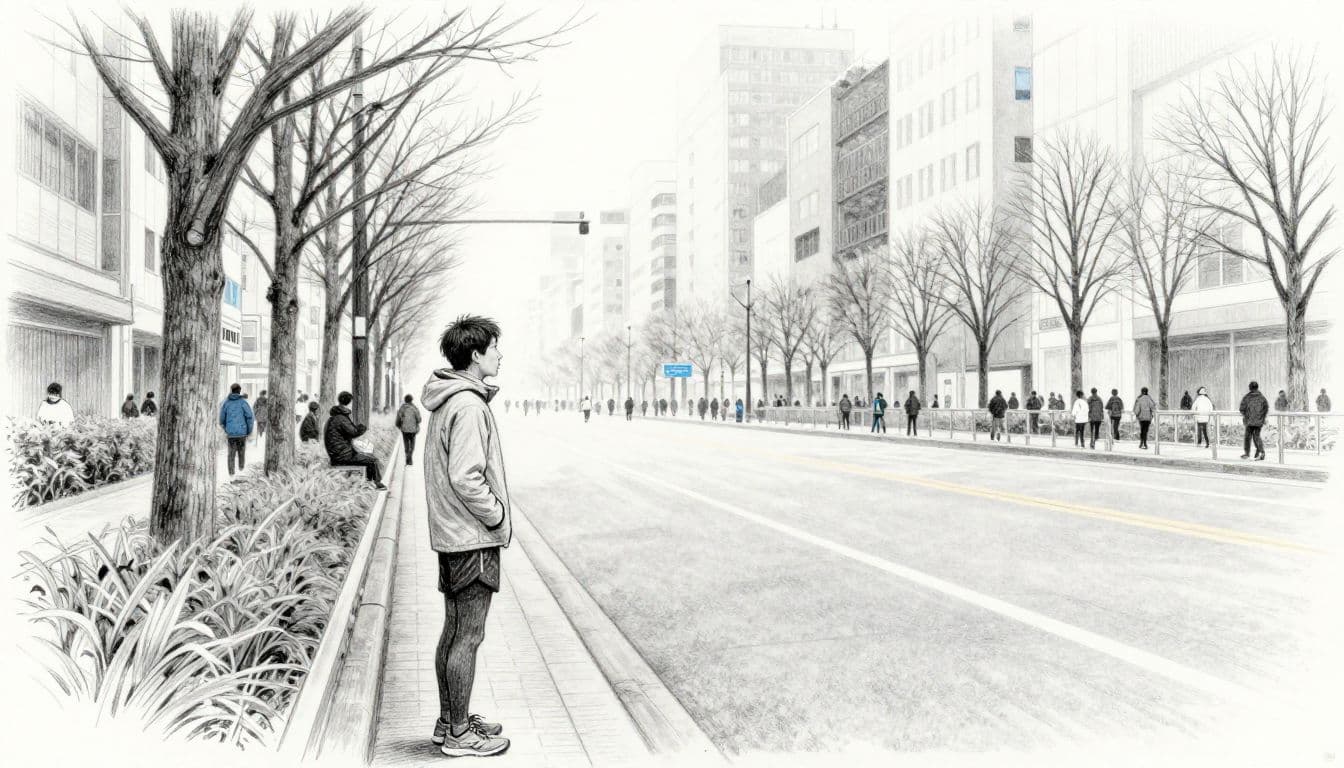
The temperatures runners may face before, during, and after the race
The start-line wait can feel colder than most of the running portion. Runners stand still in light clothing, often on exposed streets, while their bodies produce little extra heat. Cloud cover can block the morning sun, and even a modest breeze can pull warmth from uncovered arms, legs, and ears.
Once you begin running, effort changes your comfort quickly. Muscles produce heat, circulation improves, and a temperature that felt harsh in the corral may feel comfortable by the second or third mile. However, the air temperature hasn’t changed as much as your body’s response to it.
| Race condition | What you may experience |
|---|---|
| Cool and calm | Comfortable after the first miles, but chilly while waiting |
| Mild and sunny | Faster warming, stronger sun exposure, and greater fluid loss |
| Rainy | Wet clothing, colder skin, more chafing, and damp shoes |
| Windy | Greater heat loss and higher effort on exposed roads |
Front-runners may finish before the day warms much, while late finishers could encounter stronger sun, rising humidity, or a changing breeze. Your weather plan should cover the full race window, not only the forecasted start temperature.
Air temperature is the measured value, but wind chill describes how cold moving air can feel against your skin. Humidity affects sweat evaporation, while tall buildings and broad avenues can create warmer or cooler pockets than the official station reading. Use those numbers as a guide, then adjust for what your body feels on exposed sections.
Rain, wind, and cloud cover can change the whole race feel
Light rain is often manageable when temperatures remain moderate. Steady rain creates a different problem because wet fabric rubs against the skin, socks stay saturated, and cold stress builds during slower sections. Test your jacket, socks, anti-chafing product, and shoes during training before race week.
Wind can raise effort even when the thermometer shows an ideal racing temperature. A headwind on a broad road makes you work harder to hold the same pace, so protect your effort rather than forcing every split. Cloudy skies also limit solar warmth, keeping conditions cooler across the course and making removable layers more useful.
How to Check the Tokyo Marathon Forecast Without Overreacting
A forecast is a planning tool, not a verdict on your race. Check it at set times during race week, then make practical changes to clothing, hydration, warmup, and pacing.
Which weather details matter most for marathon pacing
Rank the forecast details in this order:
- Temperature affects pacing first. Cool air usually supports steady marathon effort, but a cold start can make your opening miles feel stiff. Add removable layers for the corral and warm up gradually. If temperatures rise toward the finish, start conservatively and drink regularly rather than waiting for thirst.
- Wind changes effort quickly. Check both sustained wind speed and gusts. A headwind on an exposed avenue can make goal pace cost more energy, while crosswinds can disrupt rhythm. On a windy day, hold your effort through the first half and accept slower splits when needed.
- Rain affects clothing and comfort. Light rain may require only a tested shell or cap. Cold rain calls for more protection because wet fabric increases heat loss and chafing. Use shoes and socks that you have already tested in similar conditions.
- Humidity matters when temperatures rise. High humidity slows sweat evaporation, so your body may feel warmer than the thermometer suggests. Take fluids consistently, especially if you expect a longer finish time.
- Sunshine can raise perceived heat. Bright sun helps during a cold start, but it can make exposed sections feel warmer later. Wear sunglasses or a cap if you use them in training, and avoid overdressing.
The Japan Meteorological Agency forecast service provides weather, temperature, and wind information at regular intervals. Use those details to make one decision at a time. A forecast calling for wind means you adjust effort, not that your race is ruined.
How to read the forecast around start time and finish time
A marathon forecast must cover the whole race window. Compare conditions at the gun, halfway point, and your expected finish, because Tokyo’s temperature, wind, and precipitation can shift during several hours.
Seven days out, check the broad pattern and prepare possible clothing options. Three days before the race, compare the hourly forecast with the Japan Meteorological Agency’s Tokyo forecast, plus one reliable local forecast. Focus on temperature, rain timing, wind speed, and gusts.
The evening before, choose your layers and decide whether your warmup needs to be longer or shorter. Race morning, check once more, then stop refreshing. A runner targeting three hours may finish before conditions change much, while a five-hour runner could face warmer air, stronger sun, or late rain.
Your goal time should shape the plan. Faster runners may need to prioritize cold-start layers, while slower runners should prepare for the full range of conditions. Use the forecast to remove uncertainty, not to create it.
What to Wear for a Cold, Wet, or Windy Tokyo Marathon
Tokyo Marathon weather can shift from crisp and dry to rainy, windy, or unexpectedly mild. Build your race outfit around tested pieces, then adjust the outer layer according to the forecast rather than dressing for the coldest possible scenario.
A simple layering system that works in changing conditions
Start with a moisture-wicking race kit that you have worn during long runs. Add shorts or tights, lightweight socks, and familiar race shoes. For cool, dry weather, arm sleeves and light gloves often provide enough warmth without making you overheat. A cap can protect your face from light rain, while sunglasses help on bright, exposed roads.
Before entering the starting corral, wear an inexpensive long-sleeve shirt, sweatshirt, or loose rain layer over your kit. Remove it shortly before the gun, or after your body warms during the opening miles. Keep the system simple so you can adjust it without stopping, fumbling with a zipper, or disrupting your aid-station routine.
A waterproof shell helps during steady cold rain, especially when wind increases heat loss. However, a heavy or poorly ventilated jacket can trap sweat and feel hot once your pace rises. For light rain or a mild morning, a breathable running jacket may be more comfortable than full waterproof protection.
Test every layer during training. Race morning is the wrong time to discover that a jacket rubs your neck or sleeves slide down your arms.
Never introduce new clothing, socks, shoes, or unfamiliar waterproof gear on race day. If you remove an outer layer, follow the event’s instructions and local disposal guidance. The Tokyo Marathon costume regulations explain that clothing judged unsuitable may need to be discarded, so check current race rules before relying on throwaway layers.
How to stay warm while waiting in the starting area
The hours before the gun can feel colder than the marathon itself. Arrive wearing your disposable outer layer, then keep your muscles warm with gentle walking, ankle circles, and occasional easy movement. Avoid hard jogging or aggressive stretching, since the goal is to stay comfortable without spending energy before the race begins.
Runners who get cold easily should add a thin hat, light gloves, arm sleeves, and a second loose layer. Protect your hands and feet first because cold fingers make zippers, nutrition, and phone handling harder. Once you begin running, place removable items where you can reach them safely or leave them with your support plan.
Use only approved collection points or bins for discarded clothing. Don’t leave garments on the course or assume volunteers can collect them. If the race provides no suitable option, carry the layer or choose clothing you can donate through the event’s stated process.
Rain-ready shoes, socks, skin protection, and race essentials
Choose shoes with a secure upper and traction you trust on wet pavement. Heavy waterproof shoes often feel stiff, warm, and slow after they absorb water around the collar, so prioritize a familiar pair that drains well. Wear synthetic or wool-blend socks, because cotton holds water against your skin and increases blister risk.
Apply lubricant before leaving your hotel to your toes, heels, inner thighs, underarms, and any seam that has caused trouble before. Place your phone in a waterproof pouch or sealed bag, and keep an emergency layer inside your race belt or bag so it stays dry.
Practice the full setup on a long run in similar conditions. Your shoes, socks, jacket, phone protection, lubricant, and nutrition should work together before race morning, not become separate experiments during the Tokyo Marathon.
How Tokyo Marathon Weather Should Change Your Race Strategy
Tokyo Marathon weather should shape your effort, not only your clothing. Cool air can make marathon pace feel unusually easy, while rain, wind, or mild temperatures increase the energy cost of holding an aggressive split. Start controlled, reassess after the first 5K, and protect the final 10K.
Pacing in cool conditions when the legs feel fresh
Cold air often helps runners feel comfortable during the opening miles. Your breathing may feel smooth, your legs may seem springy, and your watch can show faster splits without immediate discomfort. That combination can tempt you into running faster than your goal effort.
Resist it. Settle into your planned marathon effort instead of judging the day by the first few miles. Use pace as one guide, but also monitor breathing, perceived effort, and heart rate if you regularly train with one. A heart rate that rises early, even when the pace feels easy, can warn you that the effort is too costly.
The first 5K should feel controlled enough that you could continue the conversation in short phrases. After that point, reassess your rhythm and the way the weather affects your body. Early restraint preserves glycogen and muscle strength for the closing miles, when a small reserve can decide whether you hold form or slow sharply.
Cool conditions can hide excessive effort because your body does not feel overheated. Your watch may look encouraging while your energy stores are already taking a needless hit.
Adjusting for rain, headwinds, and warmer-than-expected conditions
Weather changes your decision rules once the race begins. Into a headwind, allow your pace to slow slightly while keeping your effort steady. Forcing the target split can raise your heart rate and leave you paying for those seconds later. When the road becomes sheltered, return to your normal rhythm without trying to recover every lost second.
Rain requires a different focus. Keep your cadence steady, shorten your stride slightly, and avoid sudden braking on slick pavement. Wet roads and soaked clothing can make each footstrike less efficient, so a small pace adjustment may prevent a much larger slowdown after 20 miles.
Mild or unusually warm conditions also increase fluid loss, even if the morning began cool. Drink at planned aid stations according to your tested race plan, and consider electrolytes when your training strategy includes them. Johns Hopkins’ hydration guidance for athletes explains why sodium matters during extended, intense exercise. Don’t chase a time goal blindly when conditions become difficult. Hold effort, stay composed, and let the final 10K reveal whether you managed the earlier miles well.
Hydration, fueling, and recovery when the weather is cold
Cold weather lowers thirst, but it doesn’t remove your fluid needs. Follow the fueling schedule you practiced during long runs, take fluids at planned aid stations, and avoid both forced drinking and complete neglect. Small, regular decisions are easier on your stomach than catching up late in the race.
After finishing, replace wet layers promptly and warm up gradually. Eat a carbohydrate-rich meal with protein soon after the race, then continue drinking as your thirst returns. Unusual shivering, dizziness, confusion, or weakness deserves attention from medical staff. Don’t stand around in damp clothes while waiting for transportation, especially if rain or wind continues.
Planning Your Tokyo Marathon Travel Around the Weather
Tokyo Marathon weather can affect more than your race outfit. Rain may slow airport transfers, crowded transit can add standing time, and a cold forecast may make sightseeing more tiring than expected. Leave room in your travel plan for weather changes, then protect your energy for race morning.
What to pack when the forecast is still uncertain
Pack several proven options instead of relying on one forecast or buying unfamiliar gear after you arrive. Your suitcase should include:
- A tested race outfit, plus a backup race outfit with familiar shoes, socks, and accessories.
- Lightweight warm layers, such as arm sleeves, gloves, a hat, and a long-sleeve top for the start area.
- A compact rain shell or poncho that you have already worn during training.
- Spare socks and comfortable footwear for the expo, airport, and sightseeing.
- A waterproof bag or sealed pouch for your phone, documents, nutrition, and dry clothing.
- Recovery clothing, including warm pants, a sweatshirt, dry socks, and comfortable shoes.
- Blister supplies, anti-chafing lubricant, and any personal medication you may need.
Keep race clothing in your carry-on rather than checked luggage. If your suitcase is delayed, you still need your shoes, kit, and essential race supplies. Place each outfit in a separate waterproof bag, especially if you expect rain during travel.
The forecast may change after you pack, so choose layers that work together. A race shirt, arm sleeves, and rain shell give you more control than one heavy jacket. Check current Tokyo Marathon race-day updates for weather guidance, start-area instructions, and event policy changes.
How to protect your training and race readiness before the start
Tokyo offers more attractions than you can reasonably visit during race week. Long sightseeing walks, extended expo visits, and hours spent standing in lines can leave your feet sore before the race begins. Use public transit when practical, sit whenever you can, and keep nonessential walking short.
Rain and cold also change your transit plan. A delayed train, wet walk between stations, or crowded platform can leave you chilled and frustrated. Carry your rain shell, keep spare socks in your day bag, and return to your hotel early if conditions worsen.
Set one time each day to check the forecast, preferably after the latest official update. Then make a calm decision using the race plan you already wrote. Choose your clothing, walking limits, breakfast timing, and departure route the night before instead of revising everything at dawn.
Sleep matters more than one final sightseeing stop. Protect your bedtime, keep your feet dry, and avoid spending race eve outdoors without a clear reason. Tokyo will still be there after you finish, but your best race requires fresh legs before the start.
Common Tokyo Marathon Weather Mistakes to Avoid
Tokyo Marathon weather mistakes often happen before the race begins. Runners react to one uncomfortable moment, then make a decision that affects several hours of running. Use the full morning timeline, your training experience, and small adjustments instead of making a complete race-plan rewrite.
Why overdressing can be as costly as underdressing
The starting area may feel cold because you are standing still. Adding too many layers can seem sensible, but heavy clothing traps heat once you begin running. Sweat builds under your jacket, your shirt becomes damp, and the second half feels harder as your body works to cool itself.
Underdressing creates a different problem. A long wait in thin clothing can cause shivering, tight muscles, and restless movement before the start. You may spend energy trying to stay warm instead of arriving at the line relaxed and ready.
Build a tested balance around the entire morning timeline, including travel, the corral wait, the first miles, and your expected finish. A light race kit with removable sleeves, gloves, or a throwaway outer layer usually gives you more control than one heavy garment. Test the complete setup during a long training run, including how you carry or remove each item.
Why one forecast should not control your whole race plan
Weather apps can disagree because they use different models, update times, and forecast locations. Conditions can also change between the evening before the race and the moment you enter the start area. Trusting an early prediction too closely may leave you dressed for yesterday’s weather.
Use the Japan Meteorological Agency’s Tokyo forecast as your primary source, then compare it with one backup forecast. Finally, give your own training experience a voice. How did your body respond during cool rain, strong wind, or a warmer long run?
Make small changes rather than abandoning your goal:
- Add or remove a light layer when the temperature shifts.
- Slow slightly into a headwind while keeping effort steady.
- Take planned fluids even when chilly air reduces thirst.
- Keep your trained fueling schedule instead of experimenting.
- Avoid new rain gear, shoes, or socks on race morning.
- If discomfort rises, adjust gradually rather than changing pace sharply.
Before leaving your hotel, check your layers, shoes, socks, phone protection, nutrition, fluids, and the latest forecast. Confirm your transit route and carry a dry recovery layer. Then stop checking the weather and focus on running the first 5K under control.
Choose Your Distance, Duration and Goal Time
Make three quick selections and open the exact plan built for your race target.
Looking for a Fully Personalized Training Plan?
The training plans above are an excellent choice if they match your goal. However, if you’d rather train with a plan built specifically around your current fitness, goal race, preferred training days, weekly mileage, and target finish time, our RDA Custom Training Plans provide a personalized solution. We also have running courses available for runners seeking to run faster from the mile to the marathon.
Why Choose a Custom Training Plan?
| Standard Training Plan | RDA Custom Training Plan |
|---|---|
| Follows a fixed schedule | Built around your schedule |
| Standard weekly mileage | Peak mileage customized for you |
| Fixed workout days | Train on the days you choose |
| Same structure for everyone | Designed around your current fitness |
| Static plan | Updated as your fitness improves |
| One-time purchase | Ongoing personalized coaching and support |
What You’ll Receive
- A training plan built specifically for your goal
- Personalized training paces
- Long runs, tempo runs, threshold workouts, interval sessions, recovery runs, and easy runs
- Peak weekly mileage matched to your experience level
- Flexible training schedule that fits your life
- Ongoing plan adjustments as your fitness improves
Ready to Train Smarter?
Stop guessing and start following a plan built specifically for you, your schedule, and your racing goals.
Frequently Asked Questions
Tokyo marathon weather raises practical questions that a forecast alone cannot answer. These answers cover race policies, spectator comfort, forecast timing, and decisions that often arise during race week.
Will the Tokyo Marathon go ahead if it rains?
Light or steady rain doesn’t automatically stop the race. Organizers assess conditions, safety risks, transportation, and the course before making a decision. The 2025 event went ahead as scheduled despite weather concerns, with the official Tokyo Marathon race update reporting the day’s forecast and expected temperatures.
Check official race communications before leaving your hotel. If severe weather creates a safety concern, the event may change its schedule or instructions.
Can I carry an umbrella during the marathon?
Umbrellas are generally impractical in a crowded marathon and can create a hazard for nearby runners. They also occupy one hand, making it harder to take fluids, manage nutrition, or respond quickly when the course tightens.
Use a fitted running cap or a tested rain shell instead. If you need an umbrella before the start, follow event instructions and dispose of it only at approved locations.
How early should I check the final forecast?
Use the forecast one week before the race to prepare clothing options, then make your final choice the evening before. Weather predictions become more useful as race morning approaches, but conditions can still change between your hotel departure and the finish.
Check once after waking up, confirm your planned layers, and stop refreshing. Constantly changing your strategy based on small forecast shifts can create more stress than protection.
What should spectators wear along the Tokyo Marathon course?
Spectators often stand still for long periods, so they may feel colder than runners. Wear comfortable walking shoes, a warm removable layer, and rain protection that fits in a small bag. Pack extra socks if rain is likely, especially if you plan to move between viewing points.
Public areas can become crowded, and wet pavement may slow walking routes. Choose one or two reliable viewing locations instead of spending the morning rushing between distant parts of the course.
Should I wear sunscreen on a cool race morning?
Yes, especially when the forecast includes bright sunshine or a long finish time. Cool air can hide sun exposure because you may not feel hot while running. Apply a familiar sunscreen before leaving and wear sunglasses or a cap if you have tested them during training.
Avoid trying a new product on race day. Sweat, rain, and friction can make an unfamiliar formula run into your eyes or irritate your skin.


