Tokyo Marathon Participant Guide: Entry, Training, Travel & Race-Day Tips
Tokyo Marathon race morning begins with crowded streets, nervous energy, and thousands of runners moving toward a start line beneath Tokyo’s early light. Whether you’ve earned a place, are considering entry, or are helping someone prepare, the Tokyo Marathon participant guide you need must cover more than race-day excitement.
Entry starts with understanding the lottery and available application routes, while preparation extends to international travel, training, pacing, nutrition, recovery, and the race’s rules, time limits, transport requirements, and participant procedures. Because official details can change each year, confirm dates, deadlines, course information, time limits, transport rules, and runner instructions on the official Tokyo Marathon website before you book flights or finalize your plan.
Use the guidance ahead to turn a coveted entry into a controlled, well-prepared marathon performance, starting with how entry works. Remember, be sure to book your Tokyo Marathon hotels in advance to save money.
Key Takeaways
- Tokyo Marathon entry requires careful attention to lottery dates, eligibility rules, payment deadlines, and official participant notices.
- Build training around consistent weekly mileage, long runs, marathon-pace work, recovery, and a realistic pacing plan.
- Book travel early, choose lodging near reliable transit, and protect sleep during the time-zone adjustment.
- Review baggage, security, transportation, course, and aid-station procedures before race morning.
- Check the official participant guidelines for current rules, schedules, and the seven-hour marathon time limit.
How Tokyo Marathon Entry Works, From the Lottery to Race Week
A Tokyo Marathon place can come through the general lottery, charity or fundraising entry, a qualifying pathway, or an invited elite field. These routes don’t appear in identical forms every year, so start with the official entry schedule before making travel plans.
Most applicants first create an event account, submit personal and emergency-contact details, and choose the available entry category. The general lottery is highly competitive. Charity runners may gain entry by meeting a fundraising requirement, while qualifying programs such as RUN as ONE can apply to runners who meet published performance standards. Elite and invited places follow separate selection processes.
Applications usually open months before race day. After the entry window closes, the organizer sends selection results by email or through the participant account. Selected runners must complete payment by the stated deadline. A place isn’t secure until the organizer records that payment and registration is complete.
What to Do Immediately After You Get a Place
Treat the first week like the opening mile of your preparation. Move carefully, record every detail, and avoid expensive decisions based on assumptions.
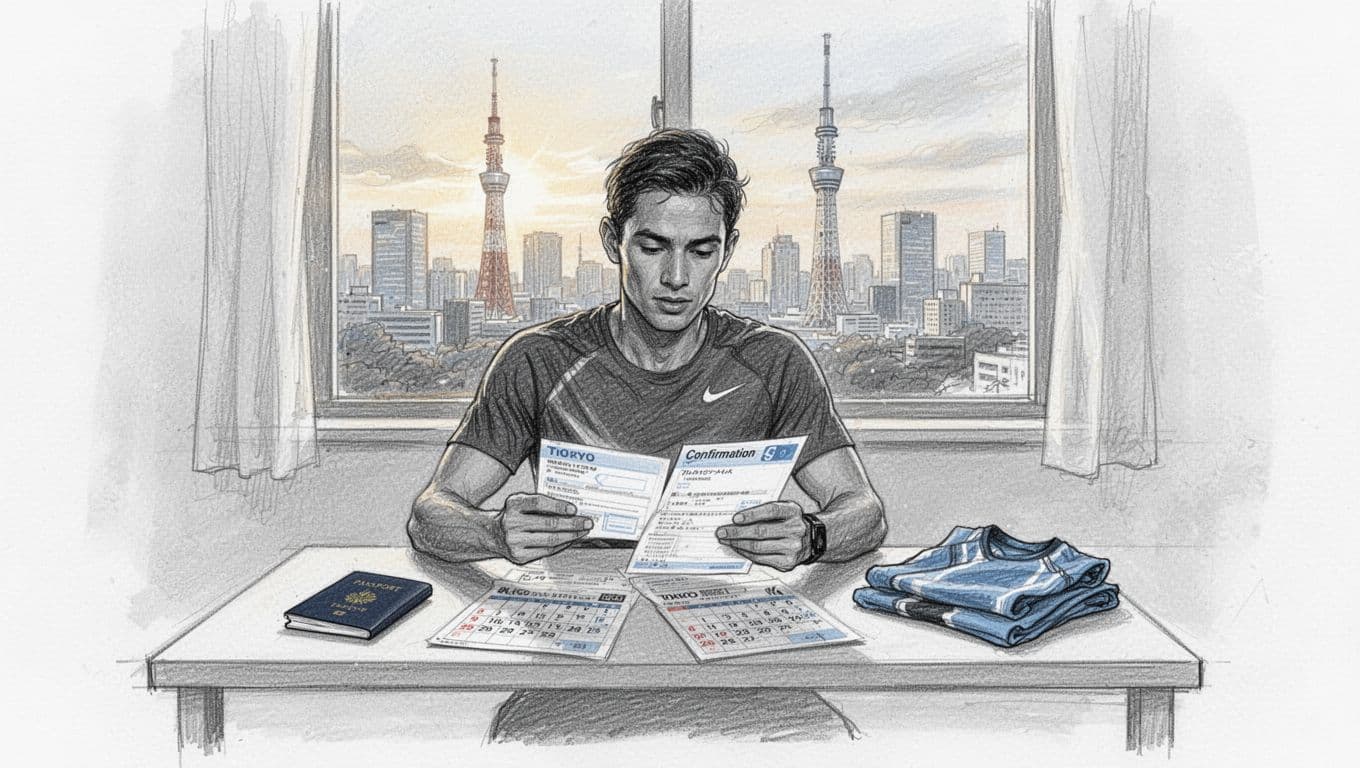
Start with this short action plan:
- Save the confirmation email, entry number, payment receipt, and account login details in two locations.
- Check your passport’s expiration date and entry requirements for Japan. Airlines and border officials may require adequate remaining validity.
- Review the official race-week dates, including registration, bib pickup, briefing sessions, and race day.
- Look for refundable lodging near a reliable train or subway connection. A flexible reservation gives you options if schedules change.
- Add every official deadline to your calendar, including payment, document uploads, health declarations, and any required procedures.
- Protect the training calendar you already need. Set your goal race date, count backward, and reserve time for recovery and travel fatigue.
International runners should also estimate the full trip cost. Include the entry fee, flights, lodging, local transportation, meals, travel insurance, airport transfers, and race-day extras such as baggage or replacement supplies. Keep confirmation numbers and receipts together so a late change doesn’t force a frantic search.
Wait to purchase nonrefundable flights or hotels until your entry, payment, and event details are secure. A lottery result can require prompt action, but an unconfirmed place is not a reason to risk thousands of dollars. Once registration is final, compare cancellation policies and choose travel dates that allow enough time to collect your bib and adjust to the time zone.
Tokyo Marathon Eligibility, Cutoffs, and Important Race Rules
Read the current participant guidelines before race week. In general, runners must meet the published minimum age and finish within the event’s course time limit. Cutoff points can also remove runners before the finish, even if they believe they can complete the full distance later.
Your starting wave or block comes from the organizer’s assignment. Follow it rather than moving forward to run beside a friend. Bibs identify the registered runner, and organizers may check identification during pickup or at controlled areas.
Entry transfers and bib selling are prohibited. Don’t give your place to another runner after an injury, and don’t run under someone else’s name. Personal support also has limits around the course, aid stations, security zones, and official transport areas. Family members may not be able to hand you supplies wherever they choose.
The organizer can change procedures, deadlines, age rules, identification requirements, and cutoff details. Keep reading official participant emails, then check the current FAQ and event guide before booking or traveling.
Build a Smooth Tokyo Marathon Travel Plan
A good Tokyo Marathon travel plan protects your energy before you ever reach the start line. Arrive early enough to recover from the flight, adjust to the time zone, collect your bib, and learn the race-day route without rushing.
International runners usually benefit from arriving three or four days before the marathon. Domestic runners may need less time, but an overnight stay near reliable transit still reduces stress. Before booking anything, confirm the current start and finish locations in the official race information, since race-week procedures can change.
Where to Stay for Easy Race Morning Access
Shinjuku offers strong rail connections and plenty of restaurants, convenience stores, and breakfast choices. It can also be busy and noisy, so request a room away from major streets. Tokyo Station and Ginza provide excellent access to several train lines, but hotels there may cost more and morning crowds can feel intense.
Odaiba is convenient for the expo and finish area because Tokyo Big Sight is nearby. However, it may require a longer race-morning journey to the start. Hotels in neighborhoods with a direct connection to your assigned start area can be a better choice, even if they look less exciting on a tourist map.
| Area | Main advantage | Watch for |
|---|---|---|
| Shinjuku | Many train lines and breakfast options | Noise and crowded platforms |
| Tokyo Station | Broad rail access | Higher prices and busy transfers |
| Ginza | Central location and restaurants | Limited budget options |
| Odaiba | Easy expo and finish-area access | Longer trip to the start |
| Direct-route neighborhood | Fewer transfers on race morning | Less sightseeing nearby |
Choose a quiet room near a practical station, not necessarily a hotel beside the start line. Check your assigned start gate, planned train route, first departure time, and whether your hotel can store luggage after checkout. You may need to leave before normal breakfast hours, so arrange a takeaway meal or use a nearby convenience store.
Tokyo trains are reliable, but race morning brings crowded platforms and restricted movement. Load a Suica or another accepted transit option, keep your route offline, and leave extra time for walking and security procedures.
For the expo, travel to Tokyo Big Sight in Ariake using the route shown in the current Tokyo Marathon EXPO details. Confirm the venue, opening hours, and your return route before leaving your hotel.
What to Pack for the Expo and Race Weekend
Keep race-critical items in your carry-on. Checked luggage can arrive late, while your marathon cannot wait.
Pack these essentials:
- Passport or accepted identification, entry confirmation, bib details, and travel insurance information.
- Running shoes, tested socks, race clothing, fuel, medication, and any required medical supplies.
- Weather layers, a phone charger, a travel adapter, and mobile data through roaming or an eSIM.
- A small post-race change of clothes, comfortable shoes, and a light bag for expo purchases.
- A card, some Japanese yen, and a translation app with simple phrases such as “sumimasen” (excuse me) and “arigatou gozaimasu” (thank you).
Never debut new shoes, socks, fuel, or clothing at the marathon. Pack the gear you have already tested during long runs, then check the forecast before choosing your outer layer.
A simple two-day schedule keeps your legs fresh:
- Two days before, collect your bib, walk through the expo efficiently, eat familiar meals, and take a short easy walk.
- The day before, review transport, prepare your race kit, limit sightseeing, and eat an early dinner.
- Race morning, leave with water, fuel, identification, and enough time for transit, baggage, and your assigned gate.
Train and Pace Smart for the Tokyo Marathon Course
Tokyo is a fast road marathon, but the setting can punish runners who spend too much energy early. The course moves through dense urban streets, long straight sections, turns, exposed areas, and a demanding late return toward the finish. Review the official Tokyo Marathon course map before race week, then train for effort rather than relying on an idealized elevation profile.
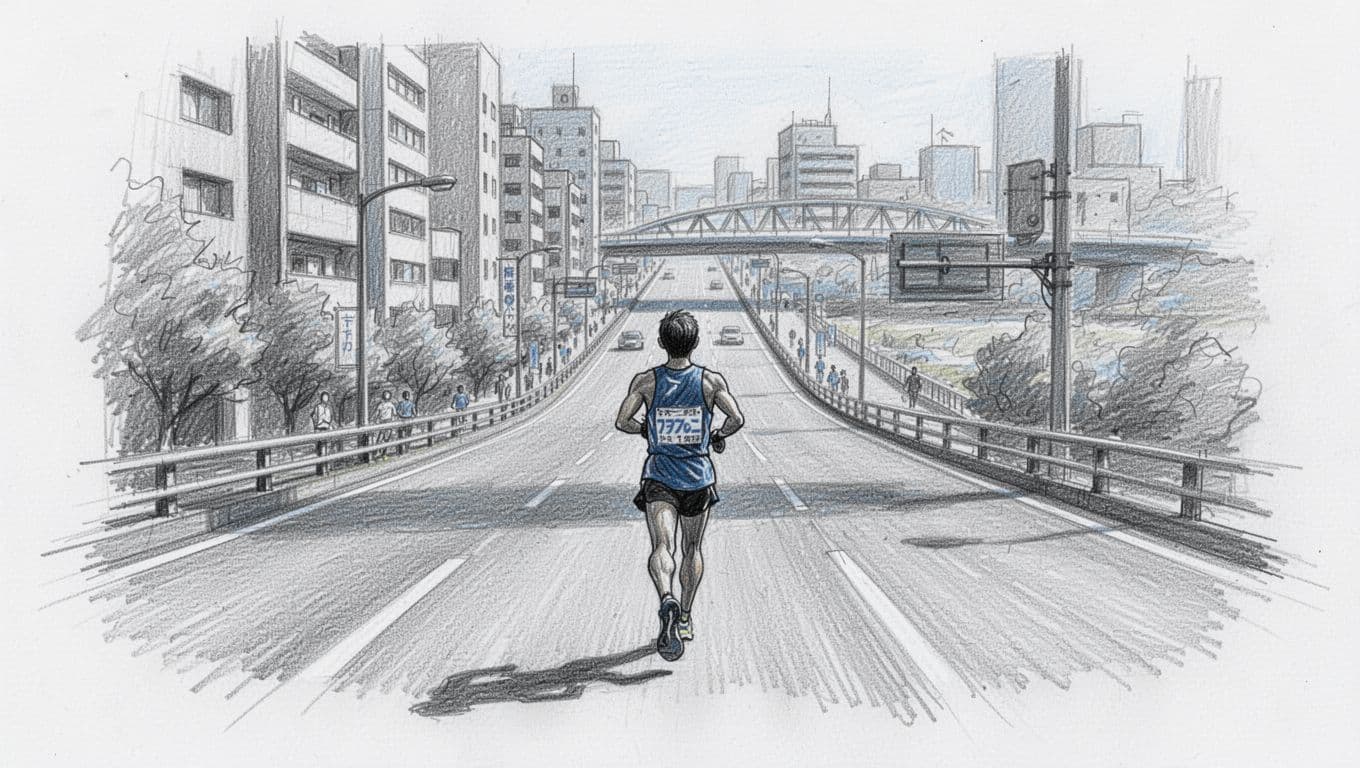
A Tokyo Marathon Training Plan Should Practice Race Pace
Your long run builds the endurance needed to keep moving after the halfway point. Add marathon-pace segments within selected long runs, such as several miles at goal effort after an easy opening, so your body learns to hold form while tired. Threshold sessions improve your ability to sustain a strong effort, while easy mileage builds aerobic fitness without adding unnecessary fatigue.
Short strides after easy runs can sharpen your mechanics without turning recovery days into workouts. Strength sessions should support the demands of road racing with exercises for the calves, hamstrings, glutes, hips, and trunk. Keep progression gradual, and insert a cutback week when fatigue, soreness, poor sleep, or declining workout quality starts to accumulate.
A taper reduces training volume while preserving some intensity. It should make you feel rested, not frantic. Keep easy runs relaxed, shorten workouts, and trust the work already completed instead of trying to gain fitness in the final days.
A personalized plan or coach can match mileage and workout paces to your current fitness, recent race results, injury history, and available training time. Copying an elite schedule often creates more fatigue than fitness. Use the official race information to confirm the current course and time-limit details, then set a goal that fits your preparation, expected weather, and race conditions.
Use Effort, Not Excitement, to Pace the First Half
The opening streets can feel electric, and early downhill or downhill-feeling sections may make your target pace seem too slow. Hold back anyway. Start at a controlled effort where breathing remains steady and conversation would be possible in short phrases. Settle into marathon effort once the crowds spread out.
Use lap pace and course markers instead of staring at instant GPS pace. Buildings, turns, bridges, congestion, and tall structures can distort satellite readings. Wind and weather can also change the effort required for the same split.
A practical pacing plan looks like this:
- Start controlled, even if nearby runners surge.
- Settle into steady effort through the middle miles.
- Protect your energy through long straights, aid stations, and exposed sections.
- Race the final 10K when your breathing, legs, and fuel strategy support it.
Prepare for Crowds, Turns, and the Final 10K
Hold your position without weaving. Move toward an aid station early, take fluids without stopping abruptly, and return to your line safely. On turns, use clean tangents when space allows, but never cut across runners or risk contact for a few saved seconds.
During the middle miles, repeat simple cues such as “relaxed shoulders,” “quick feet,” and “easy breathing.” When the final 10K begins, divide it into smaller targets, such as reaching the next 2 kilometers, then reassessing your effort. Rehearse those decisions during long runs with marathon-pace sections, crowded paths, fueling practice, and planned aid-station changes. By race day, patience should feel familiar rather than uncertain.
Race Morning Nutrition, Hydration, and Tokyo Marathon Gear
Race morning should feel familiar, not experimental. Your breakfast, fuel, fluids, clothing, and shoe setup need to come from long-run practice, because crowded streets and early start times leave little room for improvisation.
Build a Fueling Plan You Have Already Tested
Eat a familiar breakfast three to four hours before the start. Choose foods you have tolerated before long runs, such as oatmeal, toast, rice, a banana, or another low-fiber carbohydrate source. Keep fat, heavy sauces, and unusual ingredients limited if they tend to upset your stomach.
After breakfast, take small sips of fluid rather than drinking a large amount at once. If you feel hungry closer to the start, take a final carbohydrate snack about 30 to 60 minutes beforehand. A gel, chews, banana, or small piece of toast can work if you’ve tested it.
Begin fueling early in the race, before hunger appears. Hunger often arrives after your energy stores have already started falling, so waiting for it can leave you trying to catch up while running hard. During training, test a carbohydrate intake in the range of 30 to 60 grams per hour. Experienced runners may tolerate more, but your stomach must determine the right amount.
Practice the exact:
- Gel or chew brand and flavor.
- Timing between servings.
- Amount of water taken with each product.
- Sports drink concentration and total fluid intake.
- Caffeine dose and timing, if you use caffeine.
Gels usually need water, while sports drinks already contain fluid and carbohydrate. Taking several products too quickly can cause nausea, cramping, or diarrhea. Water alone won’t replace carbohydrate, and adding electrolytes doesn’t compensate for excessive fluid intake. Drink according to thirst and your tested plan, with adjustments for temperature and sweat rate.
Review the current Tokyo Marathon aid-station information before race week. Station locations, drink choices, and food offerings can change. Carry backup fuel if the race rules allow it, especially if you rely on a particular gel or have a sensitive stomach.
Your long runs should answer practical questions before Tokyo: how much carbohydrate can you absorb, how much fluid feels comfortable, and which products keep you moving?
Dress for Tokyo Weather Without Overheating
Early spring can bring cool, rainy, or windy conditions, so the forecast matters more than the calendar. Check it repeatedly during race week, then choose removable layers instead of dressing for a fixed seasonal expectation.
A moisture-wicking base layer can keep sweat away from your skin. Add a light shell if rain or wind is likely, and use thin gloves and a hat when your fingers or ears become uncomfortable in the cold. Avoid cotton when wet weather is possible because it holds moisture against your body and becomes heavy.
Many runners wear a disposable warm layer while waiting in the start area, then discard it only where the event permits. A cheap sweatshirt, poncho, or large plastic bag can reduce early-morning discomfort, but follow the organizer’s disposal and clothing rules. The official Tokyo Marathon race information should guide current start procedures and course details.
Place your bib where officials can see it clearly, and don’t cover timing tags integrated into the bib or shoe system. Wear the shoes and socks tested during long runs, then apply anti-chafing balm to known trouble spots. Pack dry post-race clothing, comfortable shoes, and an extra layer because sweat and rain can make the finish area feel cold.
Runners with sensitive stomachs should choose familiar low-fiber fuel; those concerned about heat should reduce clothing and slow their early pace; anyone with diabetes, heart conditions, medication needs, or other medical concerns should follow an individualized plan from a qualified clinician.
Finish Strong and Recover Well After the Marathon
Crossing the finish line is only the start of your post-race plan. Once you receive your medal, move through the finish area patiently, collect any official items, and follow the marked route toward baggage, transportation, and family meeting areas. Your legs may feel stiff, but a calm exit helps you recover safely.
Make a Simple Post-Race Meeting and Transport Plan
Phone service can become unreliable near the finish because thousands of runners and spectators are trying to connect at the same time. Your battery may also be low after tracking the race, taking photos, or using mobile data throughout the day.
Before race morning, agree on a meeting point outside the busiest finish zones. Choose a clear landmark, station entrance, hotel lobby, or quiet street that both sides can find without calling. Share the hotel’s full name, address, phone number, and nearest train station with your family or support crew.
Carry identification, your phone, a small payment method, and any essential medication. Before the start, confirm how you’ll return to the hotel after the race. Know whether you’ll walk to a station, take a train, use a taxi, or meet someone at a prearranged location. Save the route offline because crowded stations can make last-minute searching difficult.
During the first hour, keep walking gently unless medical staff tell you to stop. Collect your medal and official finish items, drink gradually, and replace carbohydrates with a familiar snack or meal. Change out of wet clothing, add a warm layer, and put on comfortable shoes. A balanced meal with carbohydrates, protein, and fluids supports recovery better than relying on alcohol or a heavy celebratory dinner.
Avoid an aggressive sightseeing schedule. Your body has just completed a marathon, so return to the hotel, shower, eat, and rest before deciding whether you have energy for a short outing.
Know When Normal Marathon Pain Is Not Normal
Sore muscles, heavy legs, general fatigue, and a small blister are common after 26.2 miles. Gentle walking, normal meals, sleep, and light mobility usually help during the first day.
Seek help at an official medical station or through emergency services for chest pain, confusion, fainting, severe shortness of breath, worsening weakness, or an inability to keep fluids down. Don’t leave the finish area alone if you feel unstable. The University of Utah explains why some runners collapse after races, while medical guidance on a collapsed athlete shows why serious causes need prompt assessment.
A practical recovery timeline looks like this:
- First three days: Walk briefly, hydrate according to thirst, eat regular meals, and prioritize sleep. Skip hard workouts and limit long periods of standing.
- First two weeks: Use easy walking and gentle running only if your legs feel normal. Persistent pain, swelling, altered gait, or unusual fatigue deserves professional assessment.
- Return to normal training: Resume structured workouts after easy running feels comfortable and your sleep, appetite, and energy have returned. Let recovery guide the schedule rather than forcing a date.
Review your splits, heart rate, fueling, weather, and pacing after a few days. Look for one or two lessons to carry forward, but don’t let a single result define your ability as a runner. A marathon gives you data, not a final judgment. Runners with medical conditions or medication questions should speak with a qualified clinician before travel and racing.
Choose Your Distance, Duration and Goal Time
Make three quick selections and open the exact plan built for your race target.
Looking for a Fully Personalized Training Plan?
The training plans above are an excellent choice if they match your goal. However, if you’d rather train with a plan built specifically around your current fitness, goal race, preferred training days, weekly mileage, and target finish time, our RDA Custom Training Plans provide a personalized solution. We also have running courses available for runners seeking to run faster from the mile to the marathon.
Why Choose a Custom Training Plan?
| Standard Training Plan | RDA Custom Training Plan |
|---|---|
| Follows a fixed schedule | Built around your schedule |
| Standard weekly mileage | Peak mileage customized for you |
| Fixed workout days | Train on the days you choose |
| Same structure for everyone | Designed around your current fitness |
| Static plan | Updated as your fitness improves |
| One-time purchase | Ongoing personalized coaching and support |
What You’ll Receive
- A training plan built specifically for your goal
- Personalized training paces
- Long runs, tempo runs, threshold workouts, interval sessions, recovery runs, and easy runs
- Peak weekly mileage matched to your experience level
- Flexible training schedule that fits your life
- Ongoing plan adjustments as your fitness improves
Ready to Train Smarter?
Stop guessing and start following a plan built specifically for you, your schedule, and your racing goals.
Frequently Asked Questions
Even with careful preparation, a few practical questions often remain before race week. These answers cover entry uncertainty, bib rules, race-morning timing, first-marathon concerns, and what to do when conditions change.
How difficult is it to get into the Tokyo Marathon?
Demand is high, and general entry is commonly decided through a lottery. Other pathways may exist in a given year, including charity, qualifying, or special entry categories, but availability and requirements can change.
Check the official Tokyo Marathon entry page for current application dates, selection information, entry numbers, and available routes. Don’t book nonrefundable travel based on an application alone. Wait until your place is confirmed and payment is complete.
Can a runner transfer a Tokyo Marathon bib to someone else?
Assume bib transfers aren’t allowed unless the current official rules clearly provide a formal transfer process. A bib connects the runner to registration details, emergency information, timing records, security checks, and medical support.
Buying a bib from an unofficial source creates serious problems. The name may not match your identification, organizers may refuse access, and medical staff could lack accurate information if something goes wrong. Review the official participant guidelines before making any decision after an injury or schedule change.
What time should participants arrive on race morning?
Your arrival time depends on your assigned start block, security screening, baggage procedures, transportation plan, and the official race schedule. A runner in a later block may follow a different timeline from someone assigned to an earlier start.
Use the participant guide as your primary schedule rather than relying on a generic recommendation. Build in extra time for crowded trains, station walking, restroom lines, and movement through controlled entrances. Save your route offline, identify the correct gate beforehand, and arrive early enough to stay calm without standing outside for hours.
Is Tokyo Marathon suitable for a first-time marathon runner?
Yes, a well-prepared first-time marathoner can complete Tokyo Marathon. However, the large field, international travel, time-zone adjustment, unfamiliar streets, crowds, and seven-hour course limit add pressure beyond the 26.2 miles themselves.
Build consistent weekly training, practice long-run fueling, and rehearse your pacing plan before race day. You should also understand the course layout, baggage process, start-block rules, and transport plan. A first marathon becomes far more manageable when you remove as many unknowns as possible.
What should runners do if they miss a cutoff or feel unwell?
Follow instructions from course officials and medical staff. If a cutoff closes or you develop serious symptoms, don’t continue against official direction simply to reach the finish.
Stopping early is a responsible racing decision, not a personal failure. Confirm transport, medical-station locations, and runner removal procedures in the official Tokyo Marathon FAQ and participant materials before race day. Seek immediate medical help for chest pain, confusion, fainting, severe shortness of breath, or worsening weakness.
Conclusion
A successful Tokyo Marathon begins well before race morning. Secure your entry, verify every deadline and procedure through official participant information, and arrive early enough to handle transit, security, and bib requirements without rushing. Your training should also make race day familiar, especially your fueling plan, clothing, and pacing strategy.
Most importantly, protect the first half with discipline. Tokyo rewards preparation more than last-minute courage, so resist the excitement of the opening streets and trust the effort you practiced in training. Protect your sleep, stay flexible when travel or weather changes your plan, and let the work completed before race week guide you toward the finish.