

Tokyo Marathon Cutoff Time: Checkpoints, Pace Requirements & Race Rules
The clock starts moving the moment you cross the Tokyo Marathon starting line, and every kilometer through the city brings you closer to a cutoff. For most runners, the key question is simple: what is the Tokyo Marathon cutoff time, and can your pace keep you ahead of it?
The official race time limit is generally 7 hours, but finishing within that overall window isn’t the only requirement. Tokyo Marathon also uses course checkpoints with individual closing times, so you must reach each timing point by its deadline or officials may remove you from the course, even if you could still finish before the final cutoff. That matters for first-time marathoners managing fatigue, as well as experienced runners chasing a qualifying time or personal best.
Cutoff times can change by race year because of course operations and event rules, so confirm the latest official Tokyo Marathon runner guide before race day. Next, we’ll examine the overall limit, checkpoint schedule, and pace you need to stay on track. Remember, reserve your Tokyo Marathon hotels early to save.
Key Takeaways
- The Tokyo Marathon cut off time is generally 7 hours, but runners must also meet separate checkpoint deadlines.
- Reaching each checkpoint on time matters because officials may remove runners who fall behind, even if they could finish within seven hours.
- Build in a small pace buffer for crowds, aid stations, photos, bathroom stops, and brief walking breaks.
- Cutoff times can change by race year, so review the official Tokyo Marathon guidelines before race day.
What Is the Tokyo Marathon Cut Off Time?
The commonly published Tokyo Marathon cut off time is 6 hours and 30 minutes for completing the full marathon course. That clock usually runs from the official race start, not from the moment an individual runner crosses the starting mat.
However, race procedures can change. The current official Tokyo Marathon race information lists a seven-hour window for the 2027 event, while older guides and race references often show 6:30. Check your race year’s official runner guidelines before building your pacing plan.
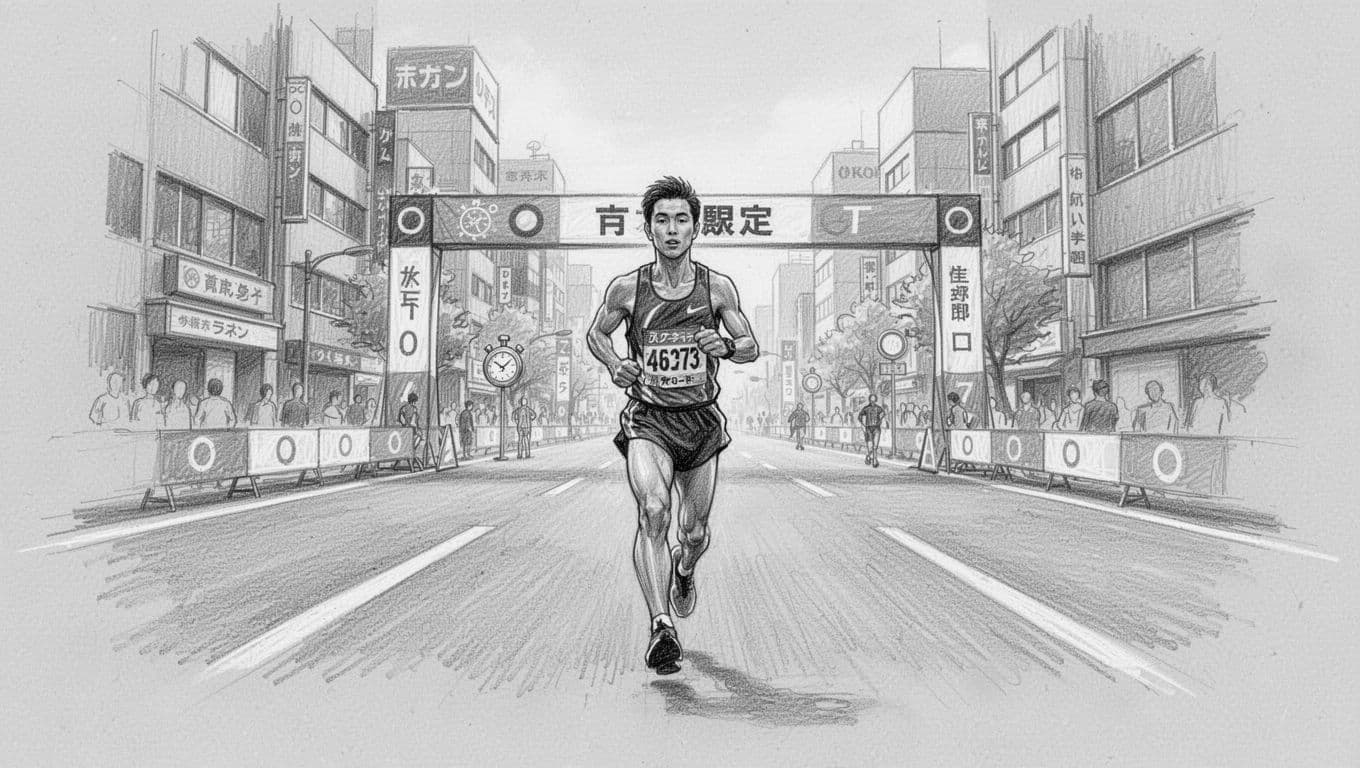
How the Overall Time Limit Works
If your event uses a 6:30 limit and the official start is 9:10 a.m., you must finish by 3:40 p.m. The deadline applies to crossing the finish line after running the full 42.195-kilometer course. Reaching a late checkpoint before the deadline doesn’t count as finishing.
For example, suppose your wave crosses the start line at 9:25 a.m. The race clock still began at 9:10 a.m., so you have 6 hours and 15 minutes from your own start-line crossing before the 3:40 p.m. finish cutoff. Your timing chip may record your net time, but course operations follow the official event schedule and closing times.
That difference matters when runners start in later waves. A delay of 15 minutes can reduce the time available to complete the course, even though your personal running time looks shorter.
Confirm whether your specific race year measures the finish deadline from the official start, as well as the exact start and finish times published by organizers.
Checkpoints Close Before the Finish
Tokyo Marathon also uses intermediate course closure points. Officials may require you to reach certain locations by set times, then remove runners who fall behind. These closures protect road reopening schedules and race operations.
Therefore, a runner can’t simply walk slowly and rely on the final cutoff. You need enough pace to clear every checkpoint, with a buffer for crowded streets, aid stations, bathroom stops, and short walking breaks. Check the runner guide for the latest checkpoint schedule, because those times can change with the course and event year.
How Tokyo Marathon Checkpoints and Course Closures Work
Tokyo Marathon checkpoints keep the race moving through a busy city while protecting runners, volunteers, spectators, and the roads that must reopen after the event. They also create time limits within the course, so your race plan needs more than a single finish-time goal.
The exact rules vary by race year. Before traveling to Tokyo, read the official Tokyo Marathon runner guidelines for the checkpoint locations, closing times, start schedule, and procedures that apply to your entry.
What a Checkpoint Cutoff Means
A checkpoint cutoff is the latest time you may pass a designated timing point. You must reach each checkpoint by its stated time, not simply finish the course before the final race deadline.
For example, a runner who misses a mid-course checkpoint may be removed from the official race, even if their current pace suggests they could reach the finish before the overall cutoff. Officials use these intermediate deadlines to prevent runners from falling too far behind the organized race operation.
Missing a checkpoint can end your official race because the course behind you may begin closing. Once removed, follow instructions from race staff rather than continuing independently on roads that are reopening.
Checkpoint, Road Reopening, and Finish Cutoffs
These three deadlines are related, but they aren’t identical:
- A checkpoint cutoff tells you when you must pass a specific location.
- A road reopening deadline tells organizers when traffic restrictions must end on a particular road or route segment.
- The finish-line cutoff is the final deadline for completing the full 42.195-kilometer course.
Road closures protect runners from vehicles and give spectators a controlled viewing area. They also allow volunteers, medical teams, police, and course staff to work safely. As each section closes, crews can remove barriers and return streets to normal use.
A finish-time calculation can’t replace the official checkpoint schedule. A runner must stay ahead of the earliest deadline affecting their position.
When Officials May Stop a Runner
Officials may stop you for more than pace. Medical concerns, dangerous weather, congestion, damaged course equipment, or other operational problems can affect whether you may continue. If staff direct you to stop, treat that instruction as final and cooperate promptly.
Plan to arrive at every checkpoint with a buffer. Crowds, aid stations, bathroom stops, walking breaks, and small delays can consume several minutes, especially late in the race. The official Tokyo Marathon race information also confirms the published start and finish framework for the current event, which you should use alongside the checkpoint timetable.
Tokyo Marathon Cut Off Times by Course Section
The Tokyo Marathon cut off time is easier to manage when you treat the course as a series of deadlines, not one finish-line number. Each checkpoint has its own closing time, and the schedule can change with the race year’s start plan, road closures, and traffic-management needs.
Before building your race strategy, download the current Tokyo Marathon runner guidelines. Copy every distance and clock time directly from that document, then label the information by race year.
How to Read the Official Checkpoint Schedule
Use the guide’s checkpoint names, course locations, approximate distances, and official closing times. Don’t rely on a schedule from a previous race, even if the route looks familiar. The official Tokyo Marathon course map can help you match each checkpoint with the surrounding part of the route.
Use this format when you build your personal pacing sheet:
| Checkpoint or course location | Approximate distance | Official closing time | Pace cushion to aim for |
|---|---|---|---|
| Copy the current guide’s checkpoint name | Copy from current guide | Copy the race-year clock time | 5 to 10 minutes |
| Copy the current guide’s checkpoint name | Copy from current guide | Copy the race-year clock time | 5 to 10 minutes |
| Copy the current guide’s checkpoint name | Copy from current guide | Copy the race-year clock time | 5 to 10 minutes |
| Copy the current guide’s checkpoint name | Copy from current guide | Copy the race-year clock time | 5 to 10 minutes |
The final column is a planning target, not an official rule. A runner who reaches a checkpoint one minute before closure has little protection against a crowded aid station, a bathroom stop, or a brief slowdown later.
Convert Clock Deadlines Into Running Targets
First, write down the official race start time for your race year. Then subtract that start time from each checkpoint’s closing time. The result is your maximum elapsed time for reaching that location.
For example, if a guide lists a 9:10 a.m. start and a checkpoint closing at 11:30 a.m., your elapsed-time target is 2 hours and 20 minutes. Aim to arrive several minutes earlier rather than treating 11:30 as your personal goal.
Repeat the calculation for every checkpoint:
- Record the official start time.
- Subtract it from the checkpoint’s closing time.
- Set your target earlier by five to ten minutes.
- Compare that target with your expected pace and planned stops.
This approach turns a wall of official times into clear race-day checkpoints. Keep the schedule on your watch, wristband, or pacing card, and check it before fatigue makes simple calculations harder.
How Fast Do You Need to Run to Beat the Time Limit?
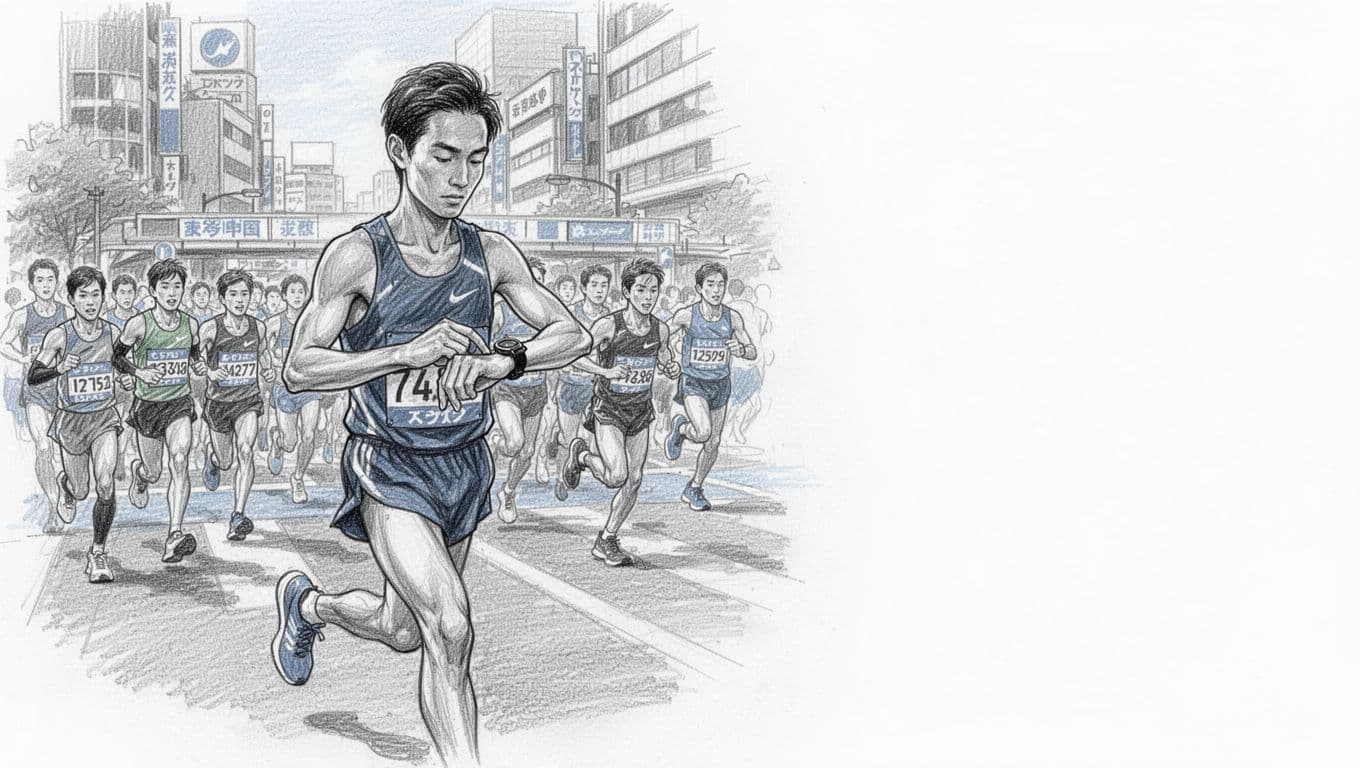
The Tokyo Marathon cut off time becomes easier to understand when you turn the race clock into a practical pace target. A 6:30 limit gives you an average of about 14:52 per mile or 9:14 per kilometer, assuming you lose no time before, during, or after the race.
That assumption is unrealistic. You may spend several minutes reaching the starting area, moving through congestion, visiting an aid station, using a bathroom, or walking during the final miles. The official Tokyo Marathon guidelines also list checkpoint cutoffs, so your plan must account for more than the average finish pace.
Why You Need a Pace Buffer
Treat 14:52 per mile as the mathematical minimum for a 6:30 finish, not as a safe race strategy. Holding that exact average leaves no room for the small delays that accumulate across 26.2 miles.
A better plan is to target a pace that creates 10 to 20 minutes of usable margin, depending on your fitness and race strategy. You might run comfortably faster early, then protect your energy with controlled walking later. Avoid starting too aggressively, though. A pace buffer helps only if you still have enough strength to reach the final checkpoints.
Crowds can slow your first miles, especially before the field spreads out. Therefore, check your watch by elapsed time and checkpoint location rather than judging your race only by average pace.
Plans for Walkers and Slower Marathoners
Walkers need to calculate their moving pace and planned breaks before race morning. A continuous 14:00-per-mile walking pace could finish under 6:30, but frequent stops may erase that margin. A steady pace closer to 13:00 or 13:30 per mile gives more protection against congestion and checkpoint delays.
Run-walk athletes often have a stronger option. For example, alternating four minutes of running with one minute of walking can work if the running segments are controlled and the walking breaks remain short. Practice the exact pattern during long training sessions, including aid-station stops.
Slower marathoners should focus on the next checkpoint, not only the finish line. Compare your expected arrival time with each official closure time, then build in several minutes of margin. The current Tokyo Marathon race information confirms that the event uses both an overall time limit and course cutoffs.
A runner can average the required finish pace and still miss a checkpoint after losing too much time early.
Use your watch, pacing card, or memorized split targets to stay ahead of the earliest deadline. The clock is a moving gate, and every unnecessary pause makes the opening smaller.
How to Train for the Tokyo Marathon Time Limit
Training for the Tokyo Marathon cutoff requires more than reaching 26.2 miles once. You need to stay comfortable on your feet long enough to handle a crowded start, aid-station delays, and late-race fatigue. Build your plan around steady movement, controlled pacing, and enough margin to stay ahead of every checkpoint.
The official event framework can change by race year, so compare your plan with the latest Tokyo Marathon race information before race day.
Build Endurance Without Chasing Every Mile
Long runs should gradually prepare you for the time required to complete the course. Start with a distance you can finish without excessive soreness, then increase duration carefully across several weeks. A lower-mileage runner may benefit more from a 2-hour, 30-minute long run with planned walking than from forcing an unfamiliar distance.
Keep most weekly mileage easy enough for conversation. Easy aerobic running builds durability while allowing you to recover for the next session. Add marathon-pace or steady segments later in the training cycle, but keep them controlled. Your target pace should reflect current fitness, heat, injury history, and running experience, not an ideal finish-time calculator.
Train for the hours your body will spend moving and standing, because race-day stress rarely comes from running alone.
Practice Fueling, Strength, and Recovery
Use long runs to test the breakfast, hydration, and gels you plan to use in Tokyo. Introduce one change at a time, and practice taking fuel before you feel empty. Your stomach needs training too.
Strength work can support the muscles that protect your stride late in the race. Two short weekly sessions may include calf raises, split squats, hip work, and core exercises. Keep the load manageable and avoid hard strength sessions before long runs.
Recovery determines how consistently you can train. Sleep well, keep easy days genuinely easy, and reduce training when pain changes your stride. A coach or medical professional can help adjust the plan around previous injuries or health concerns.
Complete a Race-Day Dress Rehearsal
Several weeks before the marathon, complete a long run in your race shoes and planned clothing. Eat the same breakfast, carry the same gels, and practice hydration at realistic intervals. Include the walk breaks you expect to use, especially around aid stations.
Also rehearse standing and restarting after brief pauses. That preparation helps you manage crowded sections without wasting energy or panicking when your watch pace slows. Your goal is a calm, repeatable routine that keeps you moving toward each cutoff.
Common Mistakes That Put Runners Behind the Cutoff
Knowing the Tokyo Marathon cut off time is only the first step. Many runners lose their margin through small decisions early in the race, then discover that the missing minutes are impossible to recover safely. The official Tokyo Marathon guidelines list the race-year deadlines, so use those times to build your plan before race morning.
Losing Time Before the Race Settles
Crowding can make the first miles feel frustratingly slow. However, stopping completely, weaving through runners, or waiting for open space wastes more time than a controlled effort through the pack. Stay relaxed, follow the course, and monitor elapsed time rather than expecting your instant pace to look perfect.
Long photo stops create the same problem. A quick picture may be harmless, but repeated pauses can turn a small delay into a gap that grows at every checkpoint. Likewise, ignoring an early target because the finish feels far away can leave you chasing the clock before halfway.
The official race information confirms that Tokyo Marathon uses cutoff points for traffic control, security, and race operations. Treat each deadline as a separate appointment.
Starting Too Fast, Then Running Out of Fuel
Some runners respond to early congestion by pushing too hard once the road opens. That surge can feel useful, but an unsustainable pace often leads to heavy legs, longer walking breaks, and a larger time loss later. Chasing lost minutes with a pace you can’t hold turns a manageable delay into an unrecoverable one.
Fuel early, before fatigue becomes severe. Take carbohydrates according to the plan you practiced in training, and drink at suitable aid stations without lingering. Waiting until you feel empty makes it harder to maintain movement and clear the next checkpoint.
A short early delay is usually easier to manage than a late-race slowdown caused by reckless catch-up pacing.
Race-Day Cutoff Checklist
Keep these actions simple:
- Know the clock deadlines and write them on a pacing card or watch.
- Monitor elapsed time and compare it with the next checkpoint.
- Keep photos, bathroom visits, and aid-station stops short.
- Fuel early instead of waiting for hunger or weakness.
- Follow officials’ instructions at every checkpoint and road closure.
- Stay calm if the first miles are crowded, then settle into your planned effort.
Course conditions, medical needs, and personal safety always take priority over the cutoff. If officials or medical staff tell you to stop, cooperate immediately. A finish time never matters more than getting through the race safely.
Choose Your Distance, Duration and Goal Time
Make three quick selections and open the exact plan built for your race target.
Looking for a Fully Personalized Training Plan?
The training plans above are an excellent choice if they match your goal. However, if you’d rather train with a plan built specifically around your current fitness, goal race, preferred training days, weekly mileage, and target finish time, our RDA Custom Training Plans provide a personalized solution. We also have running courses available for runners seeking to run faster from the mile to the marathon.
Why Choose a Custom Training Plan?
| Standard Training Plan | RDA Custom Training Plan |
|---|---|
| Follows a fixed schedule | Built around your schedule |
| Standard weekly mileage | Peak mileage customized for you |
| Fixed workout days | Train on the days you choose |
| Same structure for everyone | Designed around your current fitness |
| Static plan | Updated as your fitness improves |
| One-time purchase | Ongoing personalized coaching and support |
What You’ll Receive
- A training plan built specifically for your goal
- Personalized training paces
- Long runs, tempo runs, threshold workouts, interval sessions, recovery runs, and easy runs
- Peak weekly mileage matched to your experience level
- Flexible training schedule that fits your life
- Ongoing plan adjustments as your fitness improves
Ready to Train Smarter?
Stop guessing and start following a plan built specifically for you, your schedule, and your racing goals.
Where to Confirm the Current Tokyo Marathon Rules
The safest place to verify the Tokyo Marathon cut off time is the official Tokyo Marathon website, not an old race recap or pacing chart. Race procedures can change, so check the documents published for your specific event year before you finalize travel plans or race strategy.
Start With the Official Race Information
Use the official Tokyo Marathon race information to confirm the current overall time limit, official start time, finish deadline, and wheelchair race provisions. These details affect how much elapsed time you have after the race begins.
Next, review the event’s regulations and participant materials. The Tokyo Marathon entry and participant guidelines can clarify eligibility, entry requirements, and instructions that apply to your race year.
Read the Runner Handbook Carefully
The runner handbook is usually the most useful race-day reference because it gathers practical instructions in one place. Tokyo Marathon publishes handbook and packet pickup information through its official race communications, including the runner handbook announcement.
Before race morning, confirm these details:
- Checkpoint locations, clock times, and course closure procedures.
- Start-wave rules, assembly areas, and the official race start.
- Bib collection dates, pickup requirements, and identification rules.
- Transportation options, station access, and recommended arrival times.
- Bag policy, storage procedures, and prohibited items.
- Aid stations, toilets, course support, and available medical services.
- Medical procedures for runners who become ill or injured.
- Weather-related changes, cancellations, or altered race operations.
Third-party race reports can help you picture crowding, hills, aid stations, or the feel of the course. However, a report may describe a different start system, checkpoint schedule, or road-closure plan. Treat those accounts as background, not as current rules.
Finally, check the official Tokyo Marathon FAQ and race communications again during race week. Save the latest handbook to your phone, keep a backup copy, and use the current published times when setting your pace targets.
Frequently Asked Questions
The Tokyo Marathon cutoff rules can feel confusing because the finish deadline is only one part of race control. These answers cover practical situations that may affect your race plan, especially when the official guide uses different rules for different race years.
Can You Finish the Tokyo Marathon After the Official Cutoff?
You may be physically able to continue, but you shouldn’t assume your result will count after the official cutoff. Race staff can close sections of the course, remove runners at checkpoints, and stop access to the finish area once the deadline passes.
If officials allow you to continue under changed conditions, follow their instructions rather than relying on an old race report. The current Tokyo Marathon guidelines are the binding source for your event year.
Does Your Net Time Help if You Start in a Later Wave?
Your net time may show how long you took after crossing the start mat, but it doesn’t usually extend the course’s operating window. The race schedule follows the official start and published cutoff times, so a later wave can leave you with less time against the clock.
Check your assigned start procedure before race day. Then compare your expected crossing time with the official schedule, especially if you are close to the minimum required pace.
Is the Cutoff the Same for Wheelchair and Running Events?
No, event categories can have different start times, course procedures, and time limits. Wheelchair divisions may move under a separate schedule, while marathon runners follow the rules published for their event.
Don’t apply the standard runner cutoff to another division. Review the official Tokyo Marathon race information for the category listed on your entry.
What Happens After Officials Stop You?
Staff may direct you to a designated vehicle, waiting area, or transport point after a checkpoint or course closure. Your official race result may show a did-not-finish status, depending on where and why you stopped.
Follow instructions immediately, especially when roads reopen to traffic. Continuing outside the organized course can expose you to vehicles and removes the protections provided by race staff and medical teams.
Can Weather or an Emergency Change the Cutoff?
Yes. Severe weather, earthquakes, public safety concerns, medical incidents, or other emergencies can lead organizers to change, suspend, or cancel race operations. Those decisions may affect the route, checkpoints, start time, or finish procedures.
Monitor official race communications during race week and on race morning. The Tokyo Marathon FAQ can answer general questions, but emergency instructions issued on race day take priority.
Where Should You Check for Last-Minute Changes?
Use the official website, runner handbook, email notices, and instructions provided at packet pickup. Save the latest documents offline because crowded race areas may make mobile service unreliable.
Write your checkpoint times on a pacing card after confirming the race year. That small step keeps your plan grounded in current rules rather than a schedule copied from a previous Tokyo Marathon.
Conclusion
The widely listed Tokyo Marathon cut off time is 6 hours and 30 minutes, but that number doesn’t tell the whole race-day story. Checkpoint deadlines and race-year regulations determine whether you can remain on the course, so use the current official runner guide when setting your targets.
Build a pace buffer instead of aiming to arrive at each cutoff with seconds to spare. Practice fueling, run-walk intervals, and short aid-station stops during training, then prepare for crowded streets that may slow your opening miles. A steady effort gives you more control than starting fast and trying to recover lost time later.
The strict cutoff becomes manageable when you treat each checkpoint as a clear performance target. Arrive prepared, monitor elapsed time, and adjust your plan before fatigue forces the decision for you. With smart pacing and consistent execution, you can approach the Tokyo Marathon with confidence and give yourself the best chance to finish strong.


